


Kongavalli Farm
Project size: 8.9 acres
Western Ghats buffer zone, between Sakleshpur and Hassan, Karanataka, India
September 2023 - October 2024
Key features: Regenerative design, wild zone, food forest, earthworks, species diversification
Project team: Sanjana Radhakrishnan (Project lead); Himanshu Arteev, Joshua Danesh, Varun Behroonani, Jananee Mohan, Arun Kumar (botanist)
Elevation: 980 metres above sea level
Annual rainfall: 912mm / 36 inches
Climate: Tropical Savana
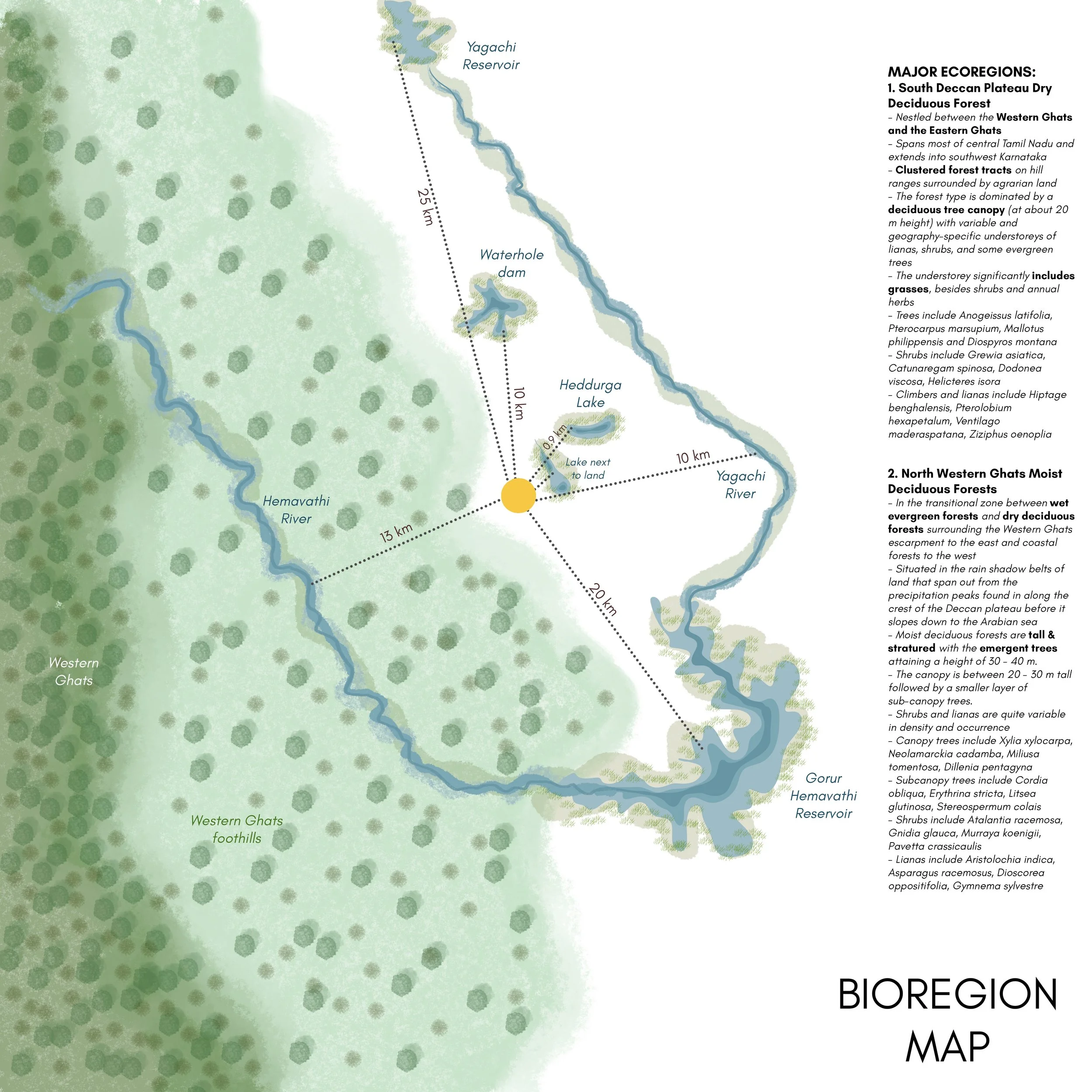
Bioregion: North Western Ghats moist deciduous / South Deccan Plateau dry deciduous forest
Soil type: Sandy loam
Masterplan / Design
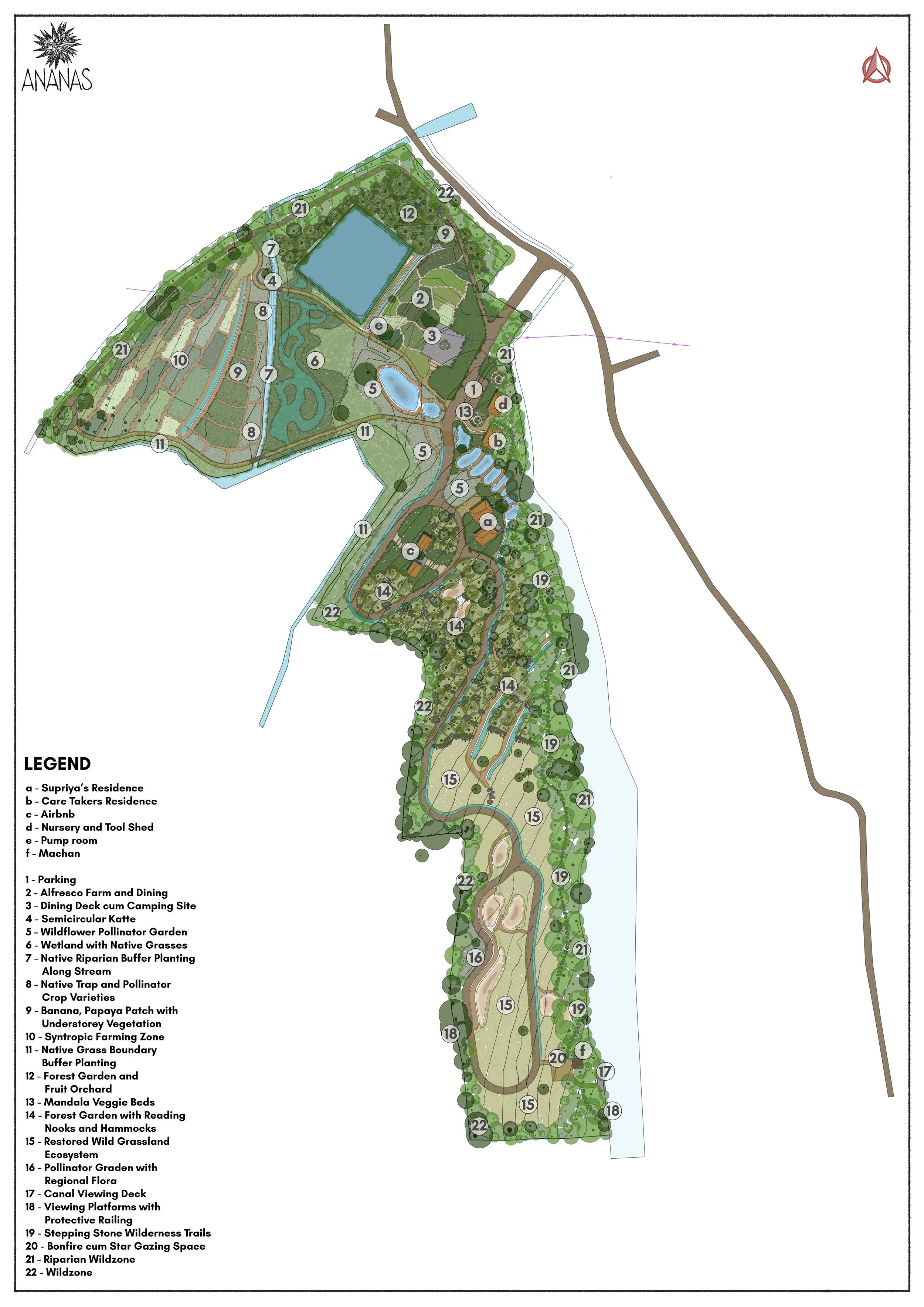
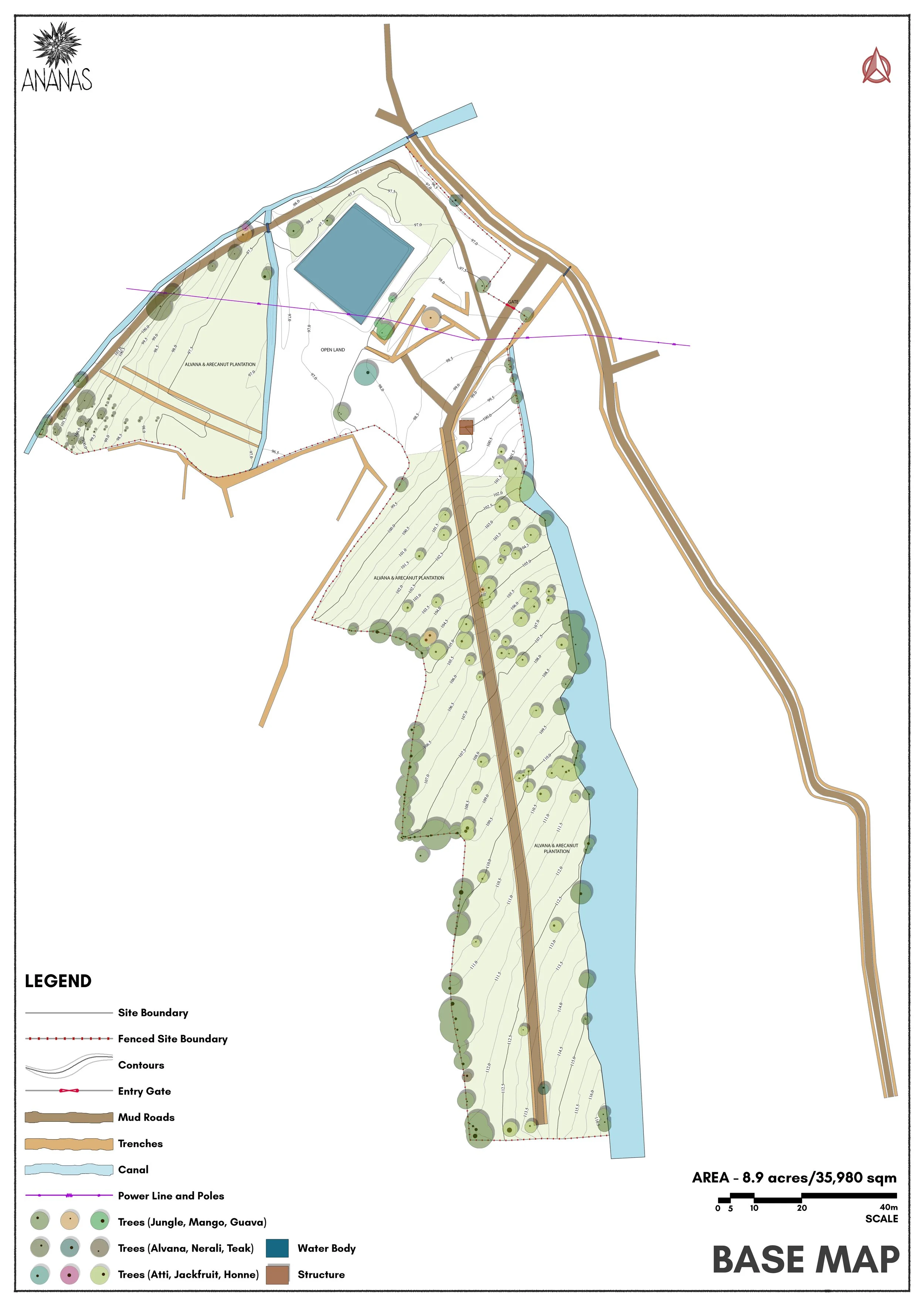
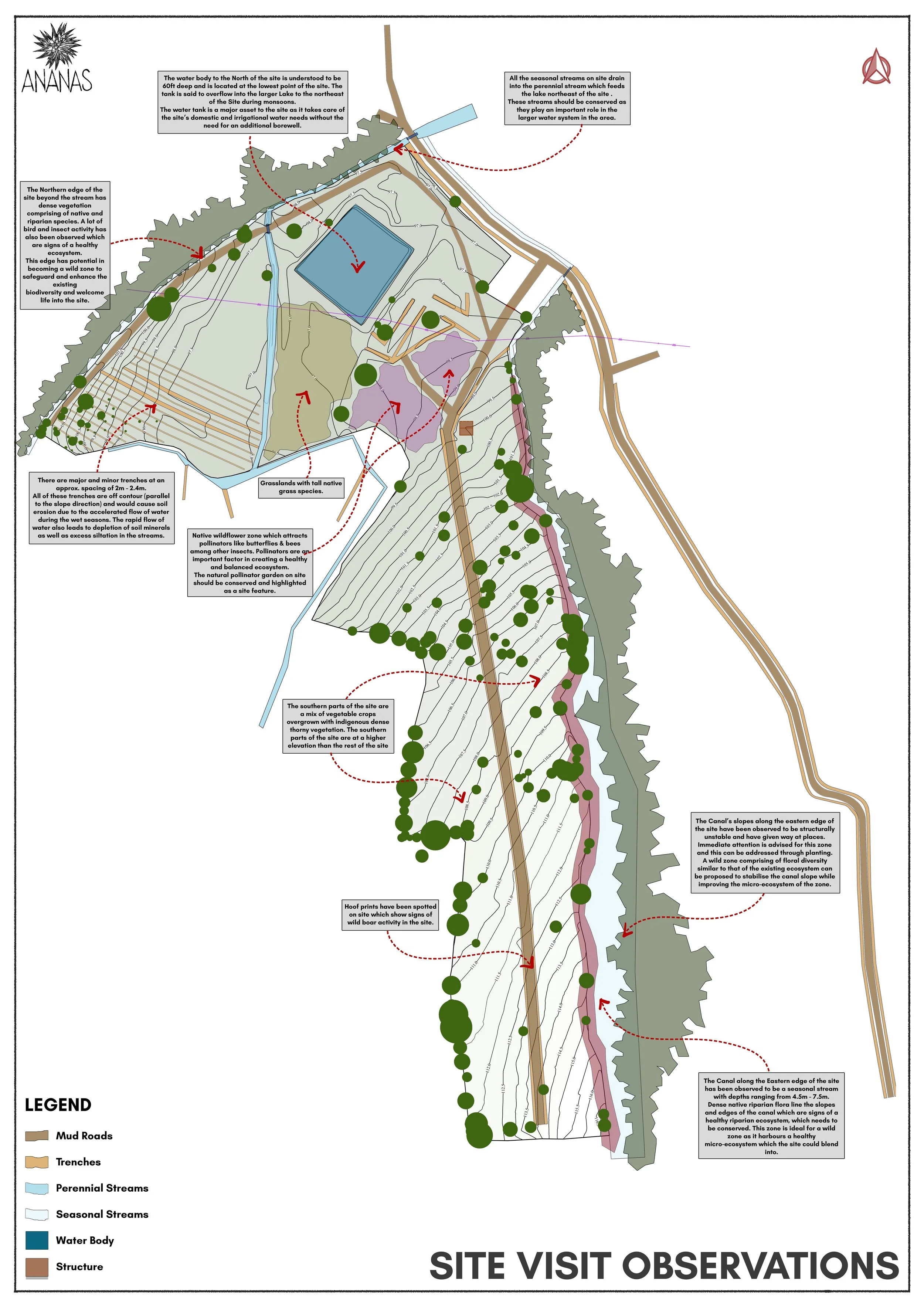
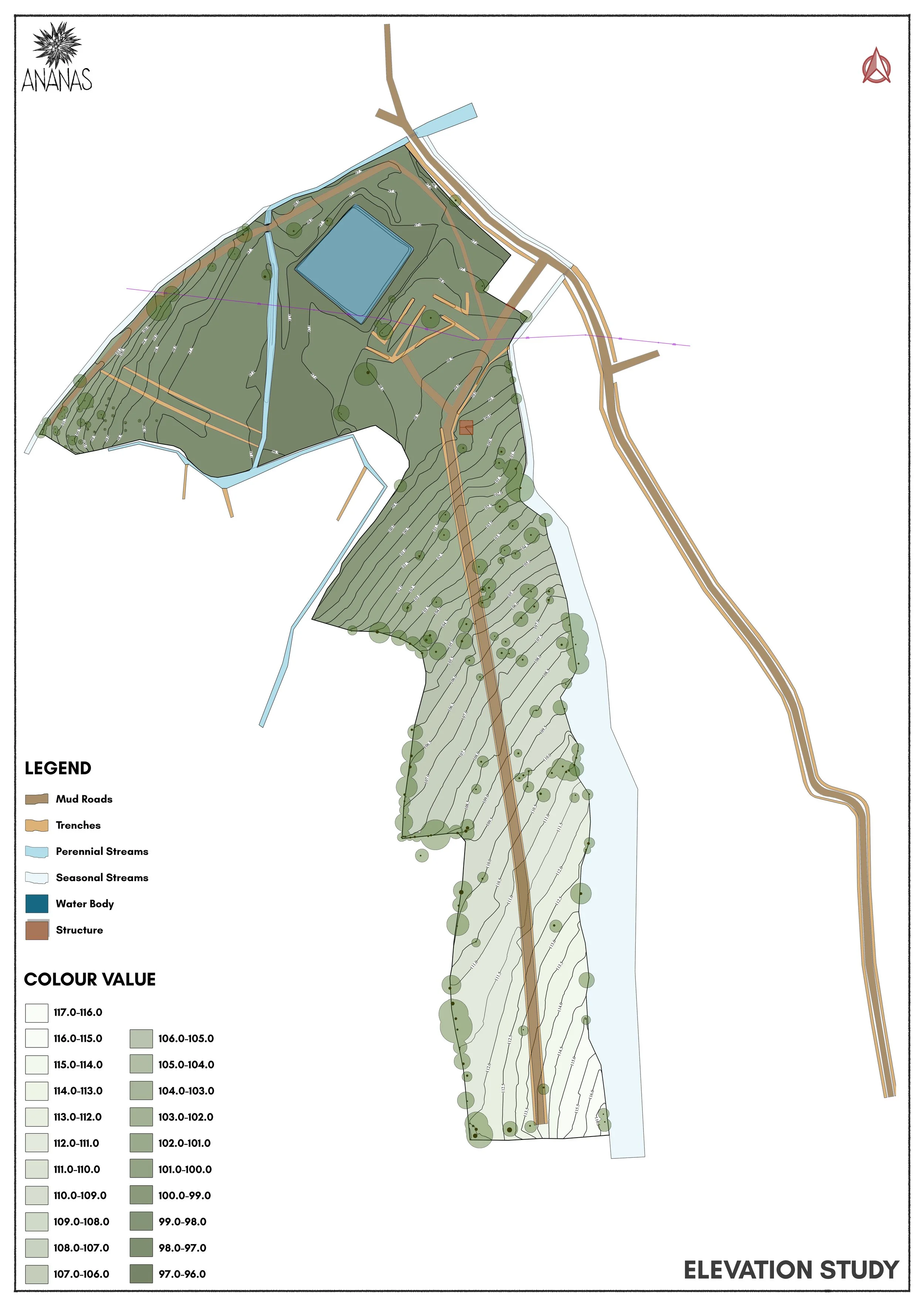
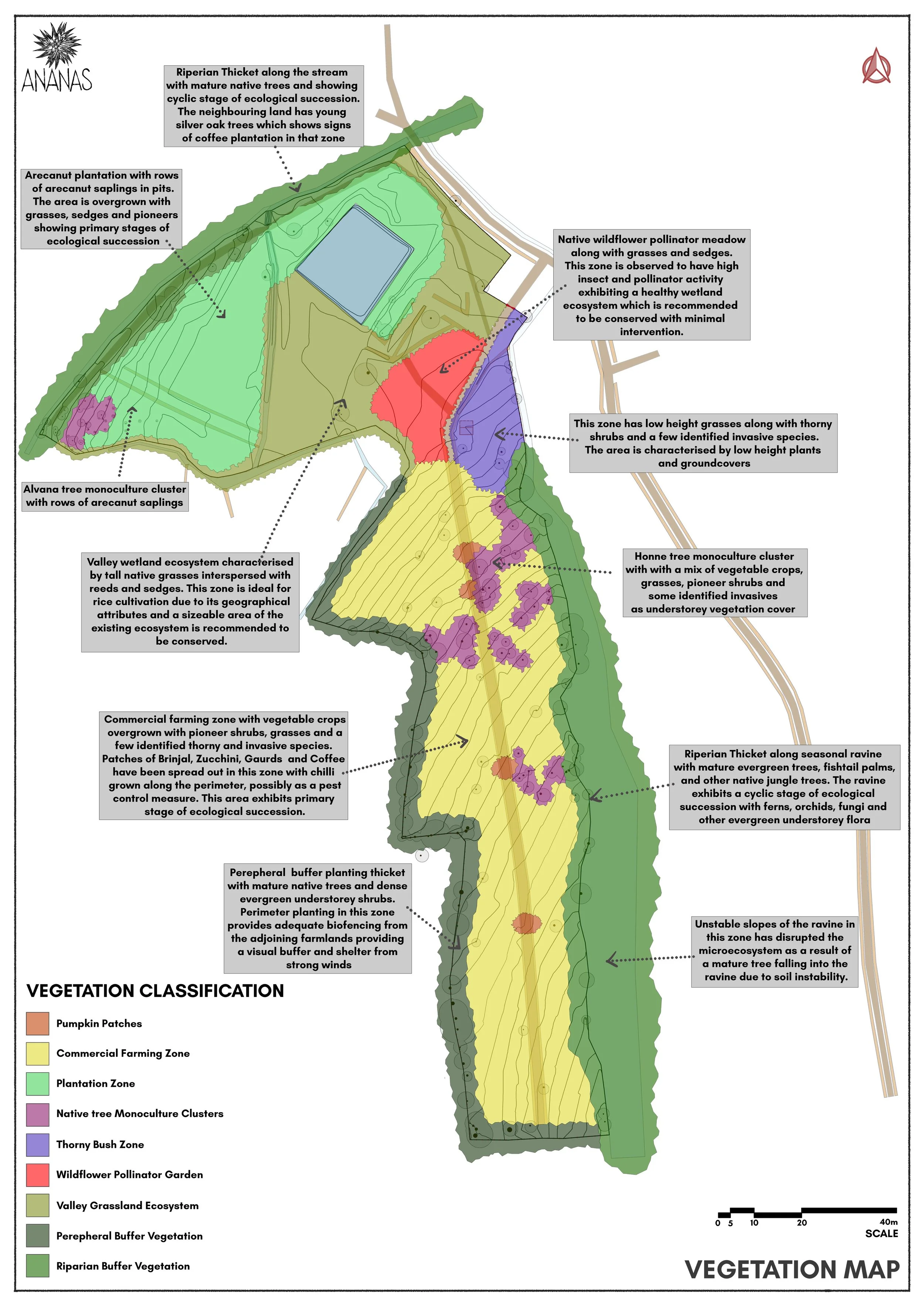
This 8.9-acre site is located in the transition zone between the Deccan Plateau and the Western Ghats, near Sakleshpur, Karnataka. The land is bordered by a seasonal stream with a steep drop and was dominated by invasive species, alongside intensive areca cultivation.
The project vision focused on species diversification, biodiversity restoration, regenerative agroforestry, and integrated water management. These goals were realised through a network of interconnected earthworks, including basins, ponds, bioswales, swales, and cascading pools.
This framework was supported by site-wide biomass planting and the creation of distinct planted zones such as food forests, living fences, pollinator gardens, and wild areas.
The existing areca plantation was reimagined and diversified into a resilient syntropic agroforestry system.
Environmental Study and Zoning
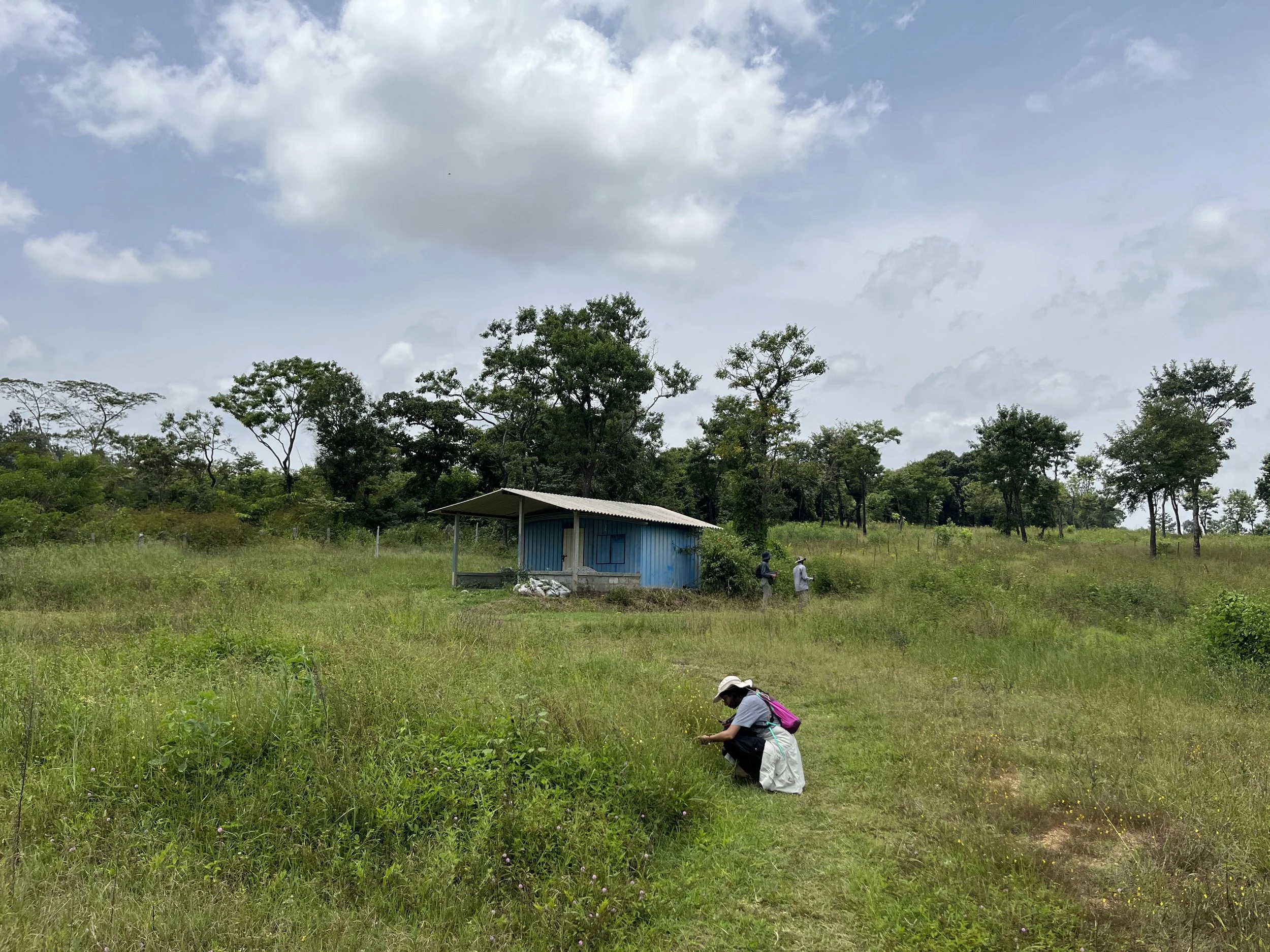
View of site
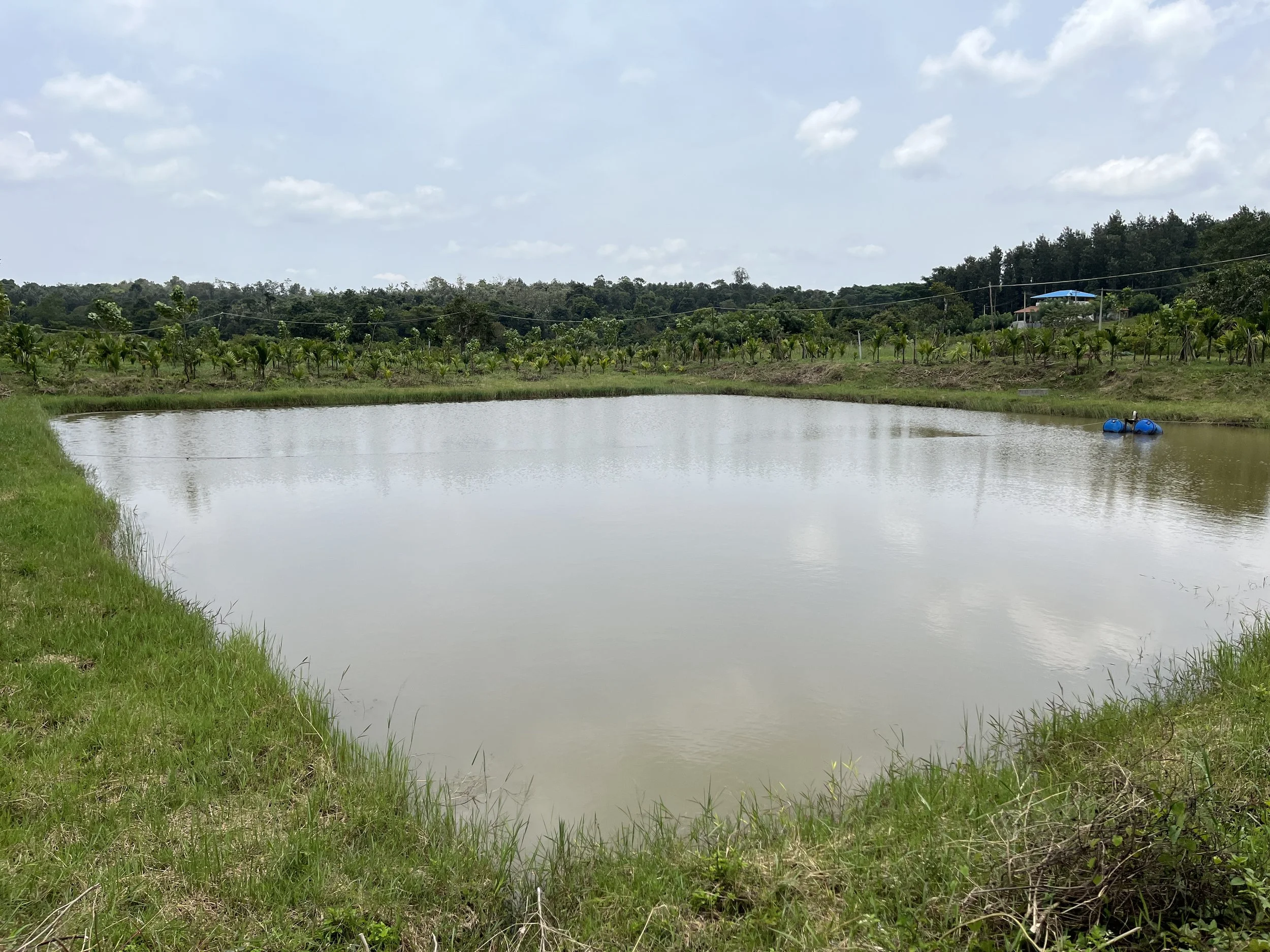
Perennial pond (existing)
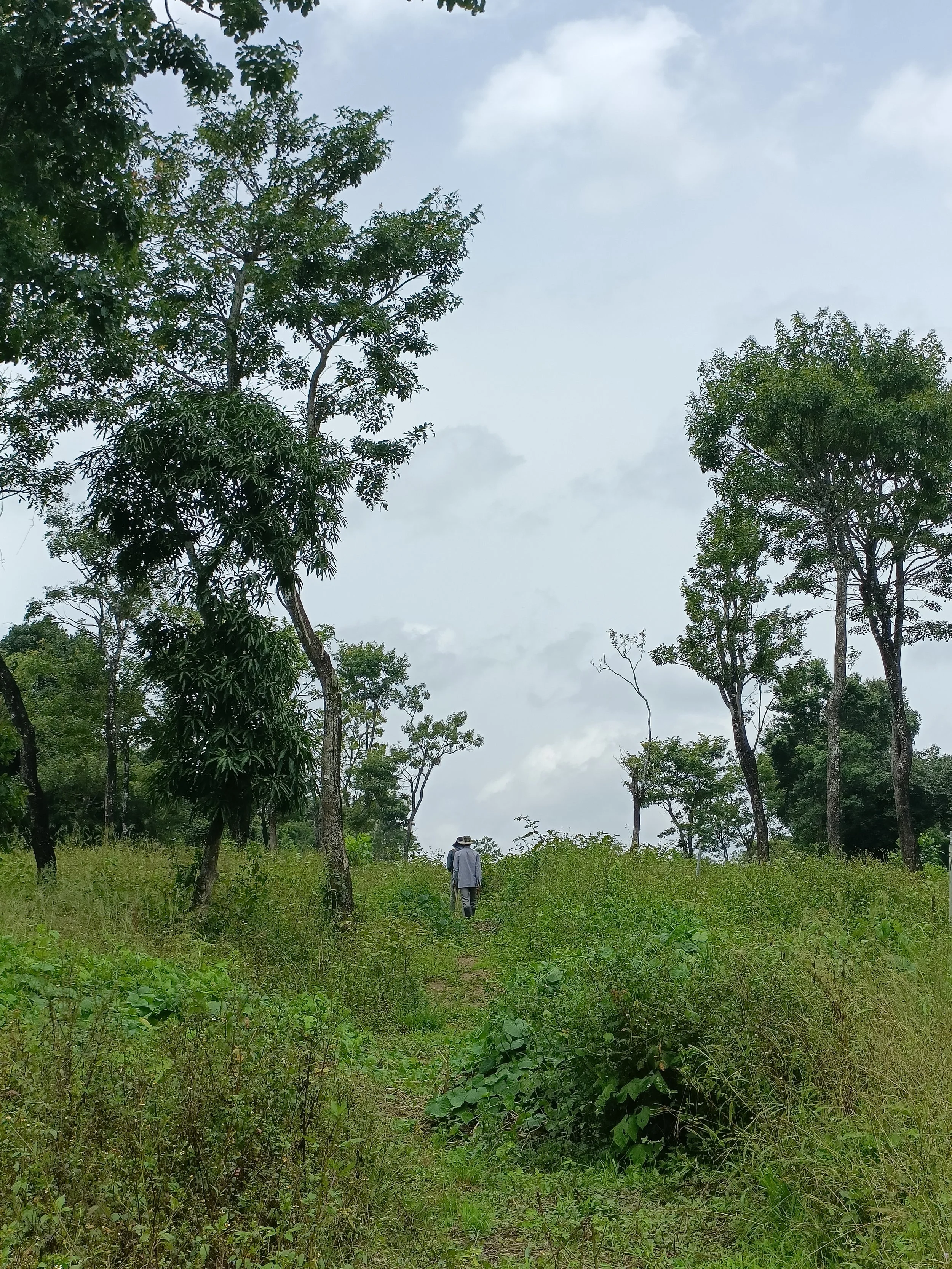
View of site
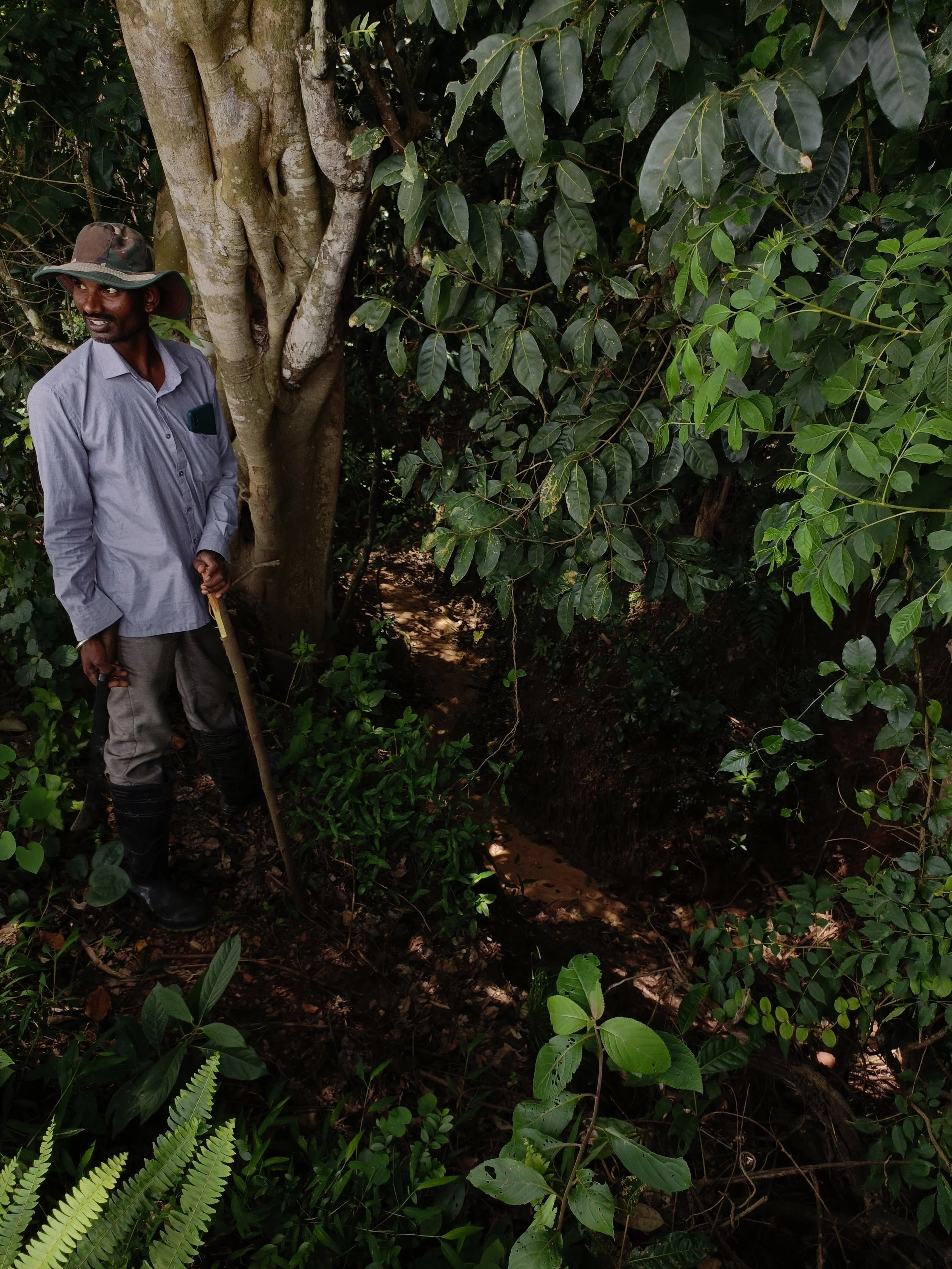
Nala adjoining site (15ft deep)
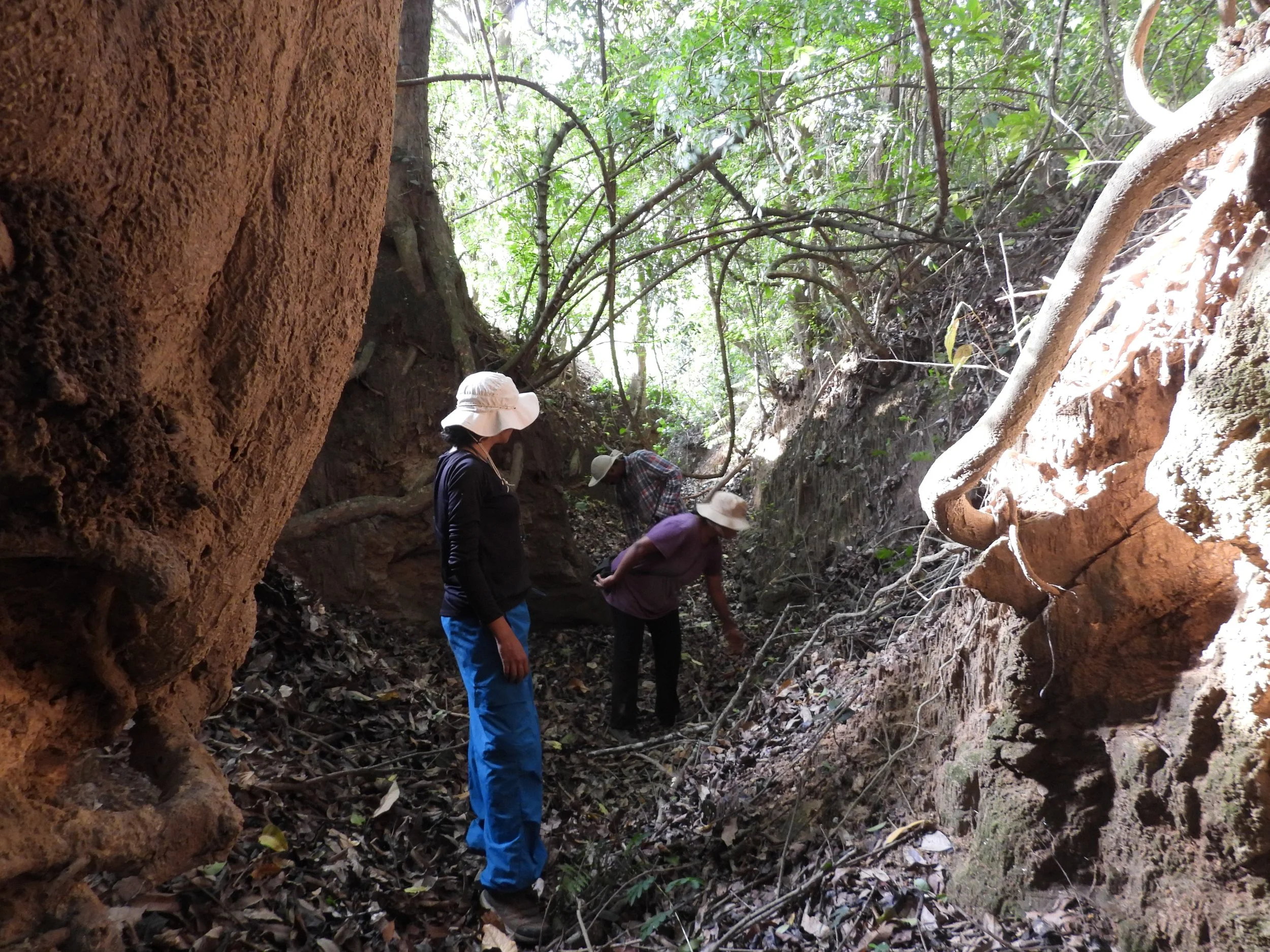
In the ravine / nala
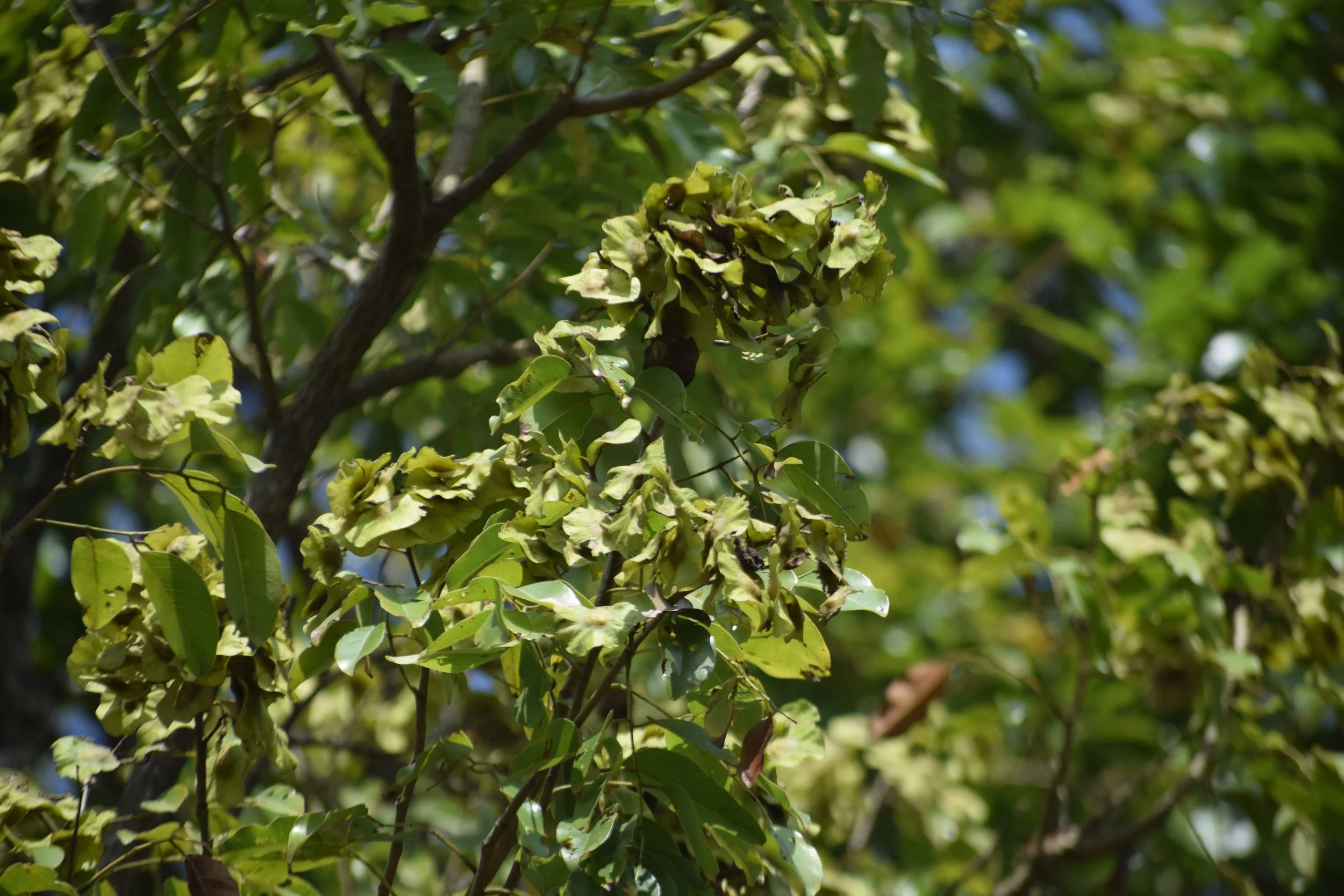
Pterocarpus marsupium (Indian kino)
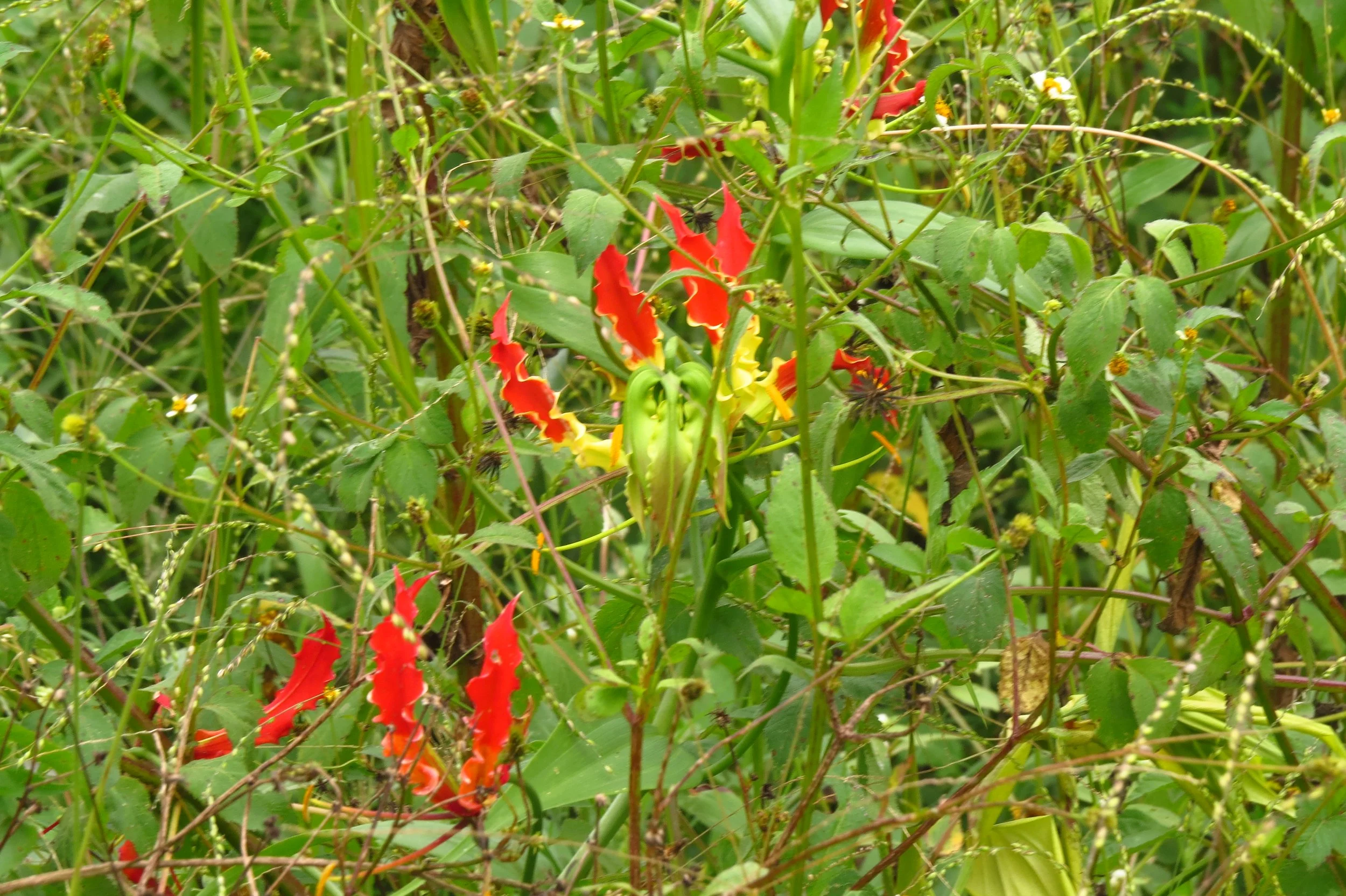
Gloriosa superba (Glory lily)
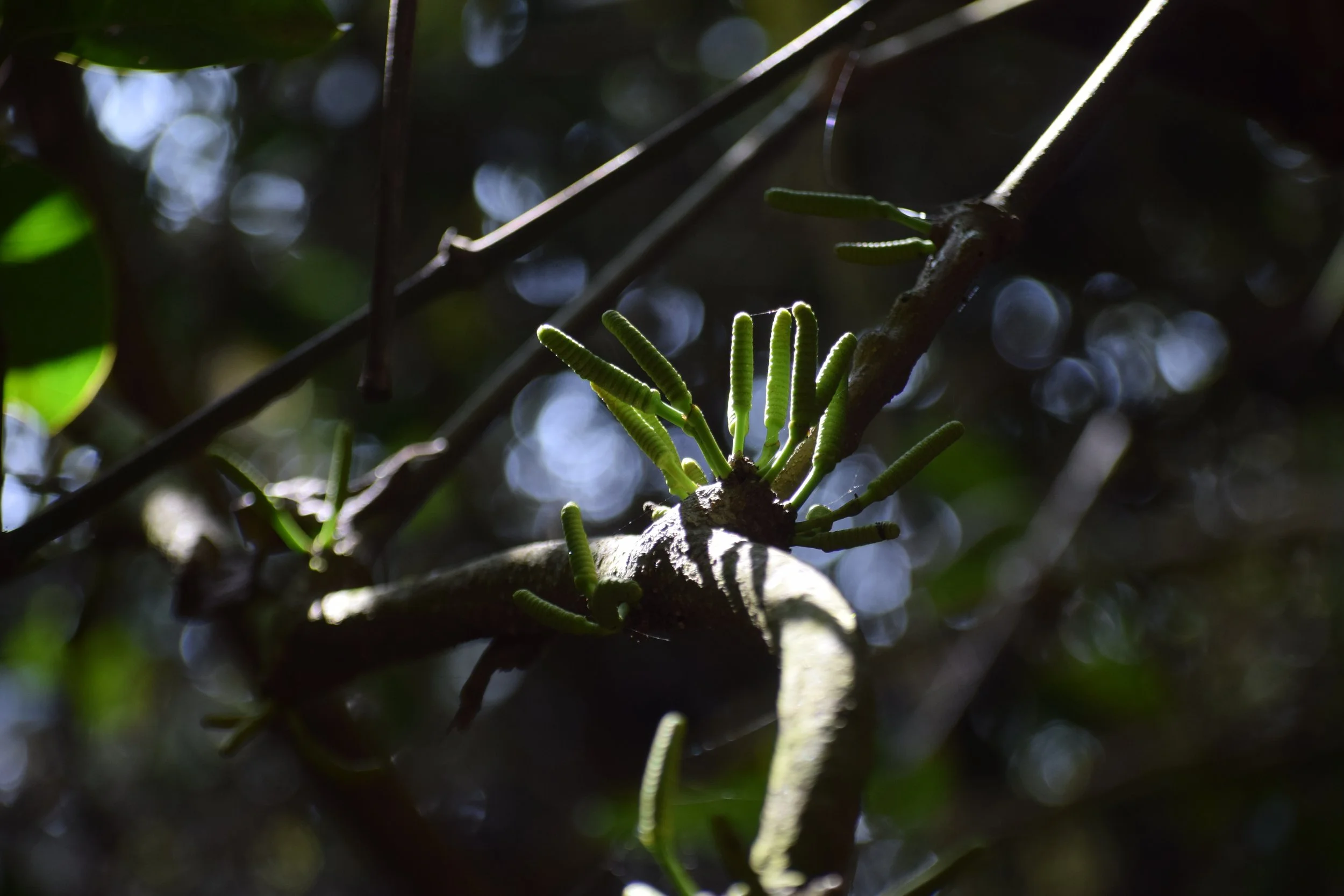
Gnetum ula (tropical gymnosperm, woody climber)
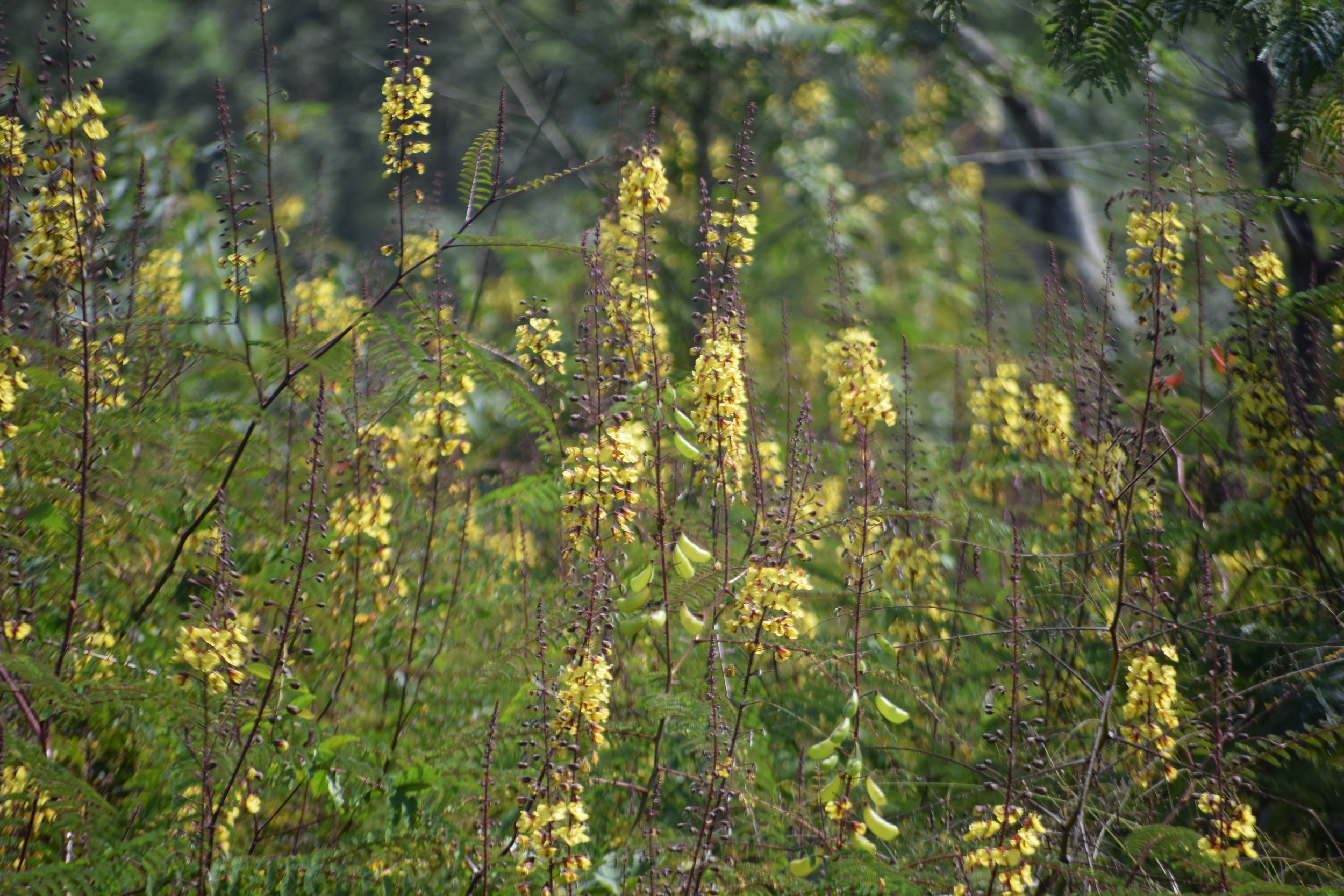
Caesalpinia mimosoides (Mimosa thorn)
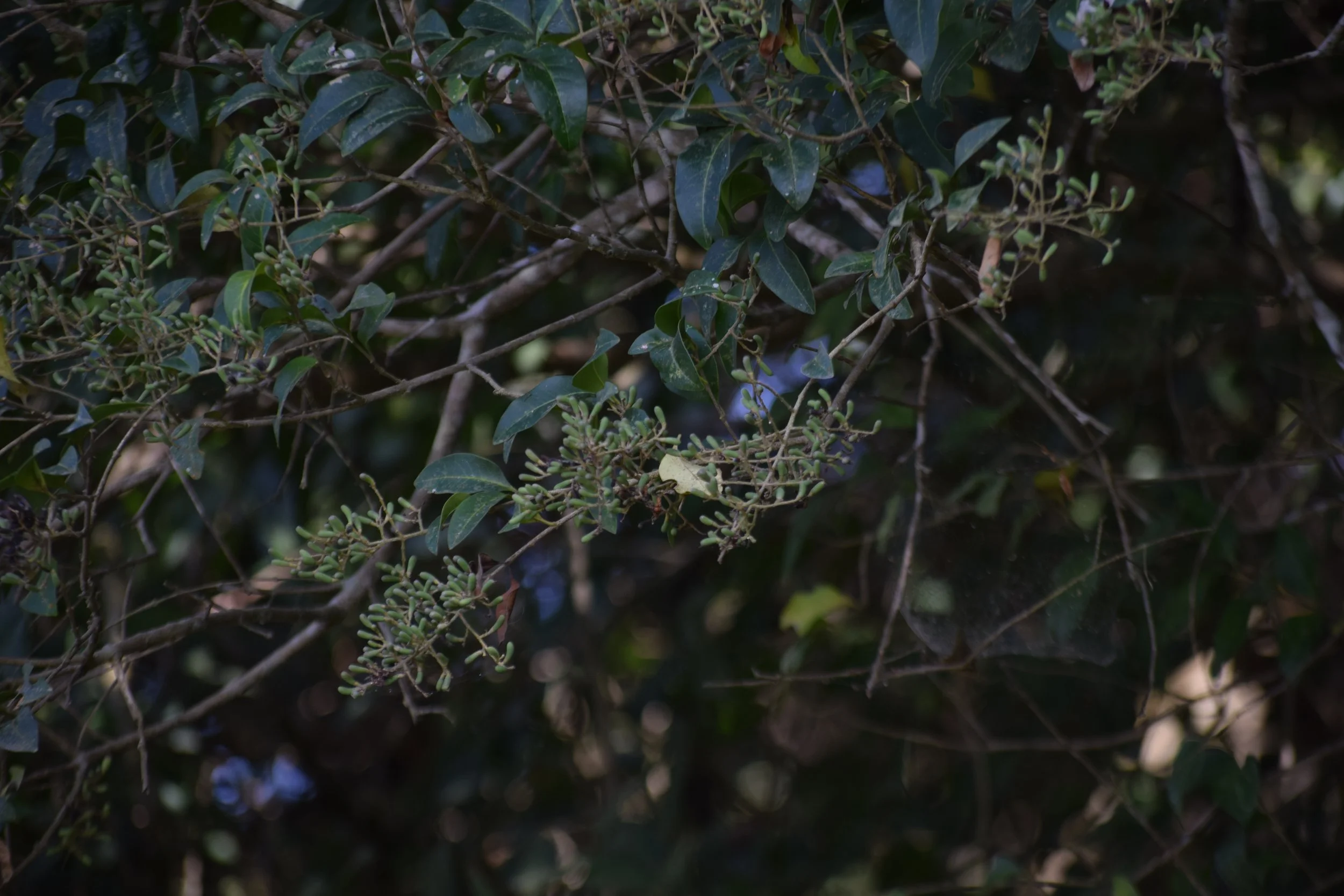
Ligustrum gamblei (Sittilingi)
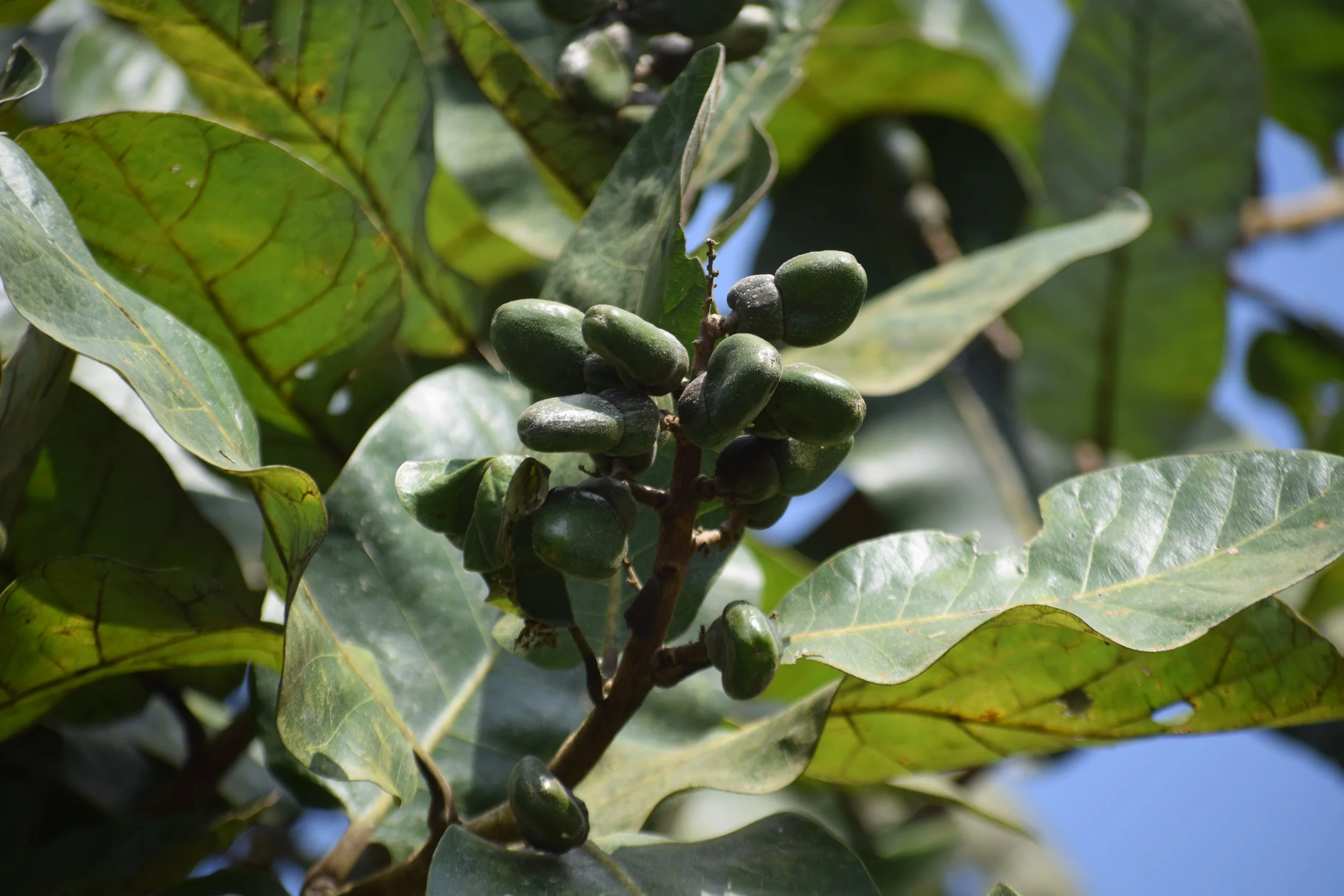
Semecarpus anacardium (Marking nut tree)
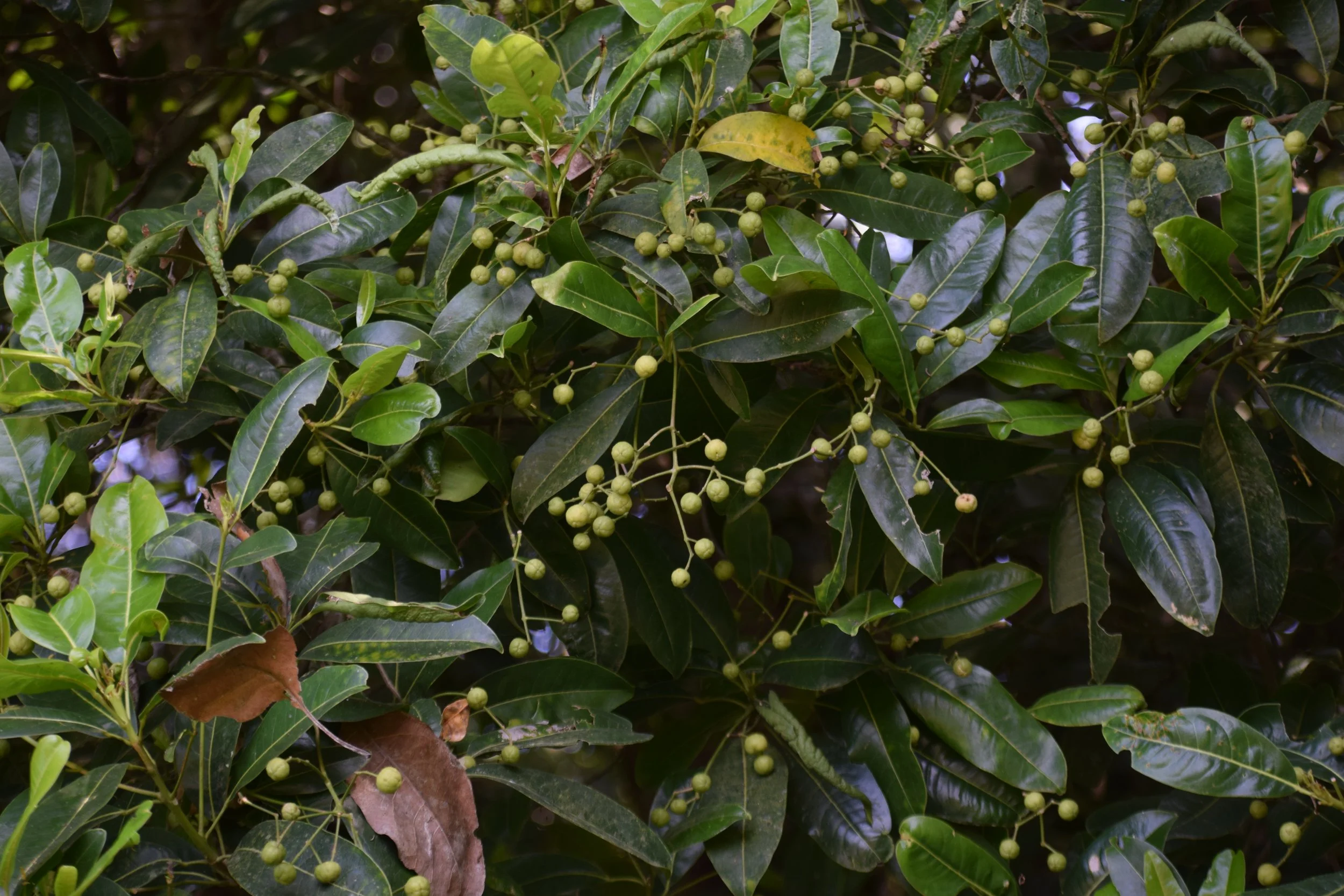
Acronychia pedunculata (Indian aspen)
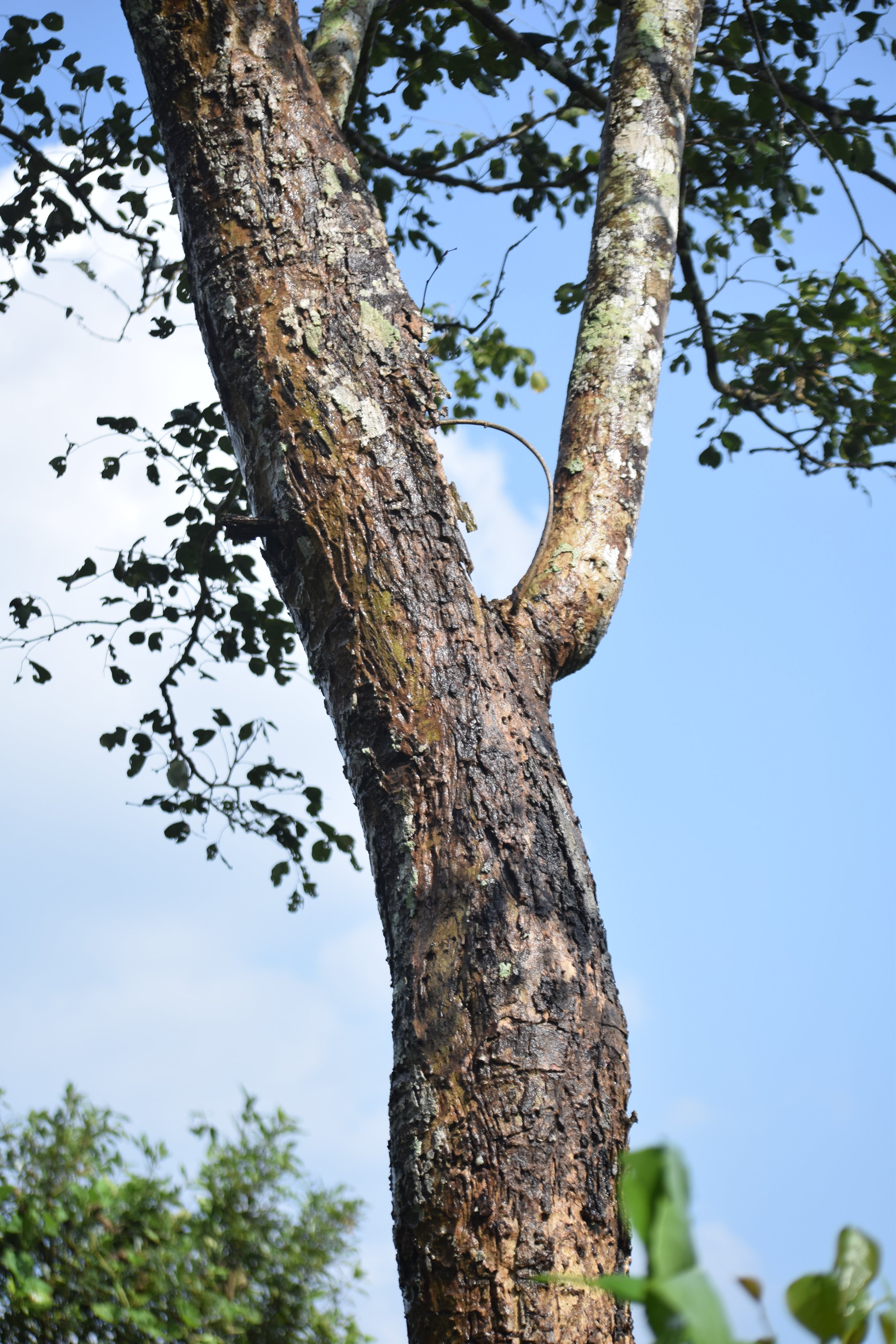
Dalbergia latifolia (Indian rosewood)
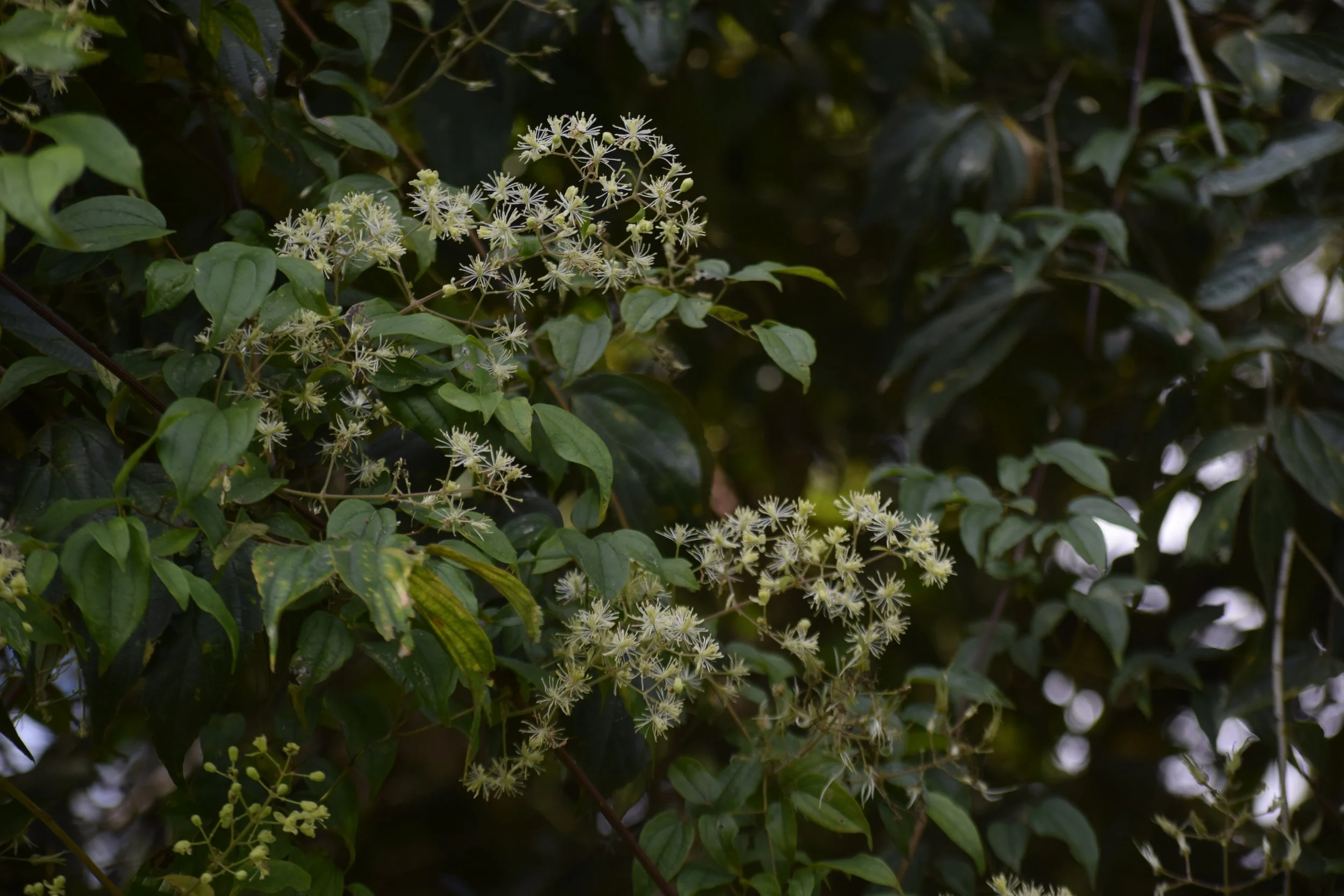
Clematis gouriana - Indian clematis
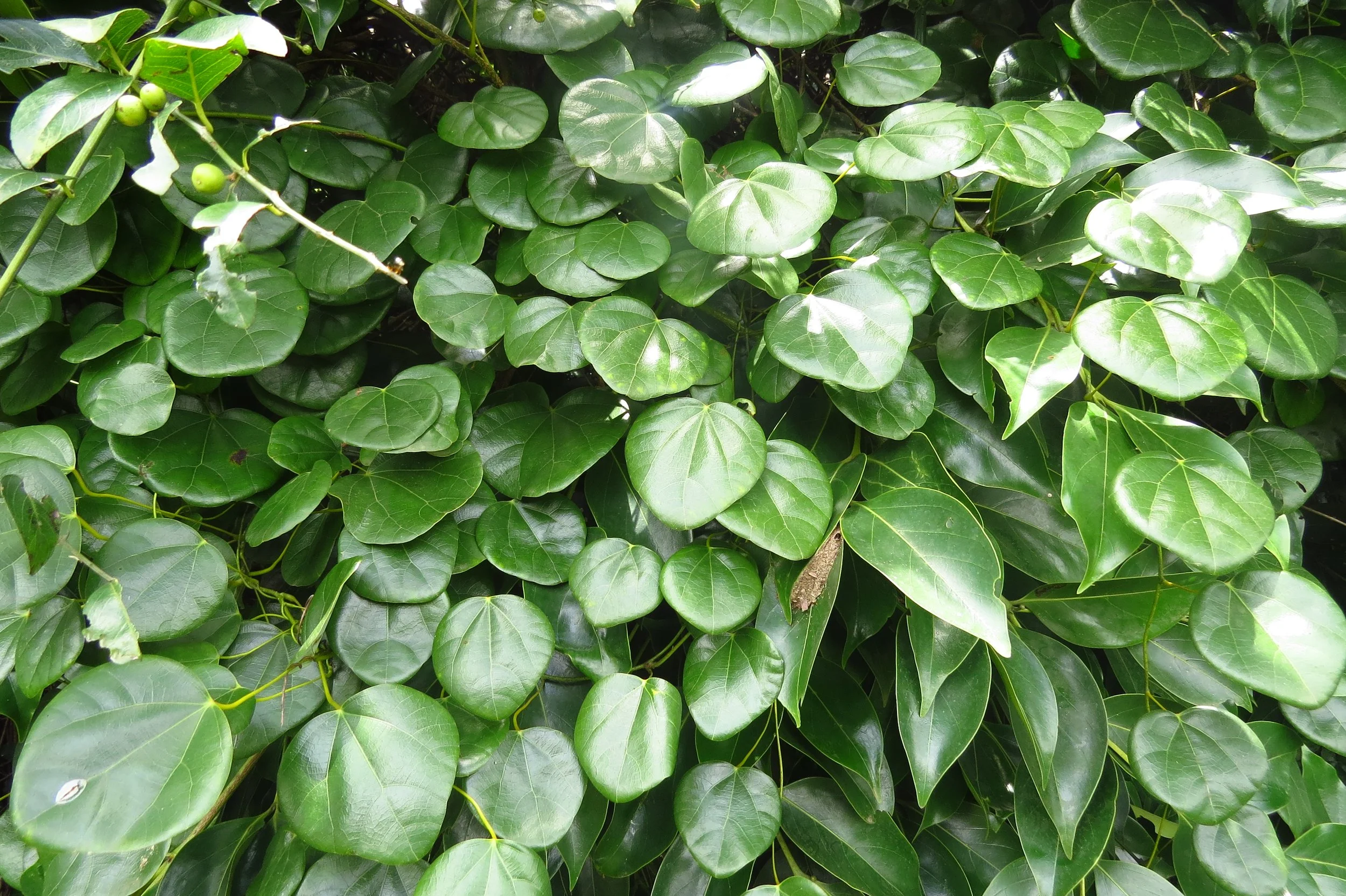
Diploclisia glaucescens (Morasankodi)
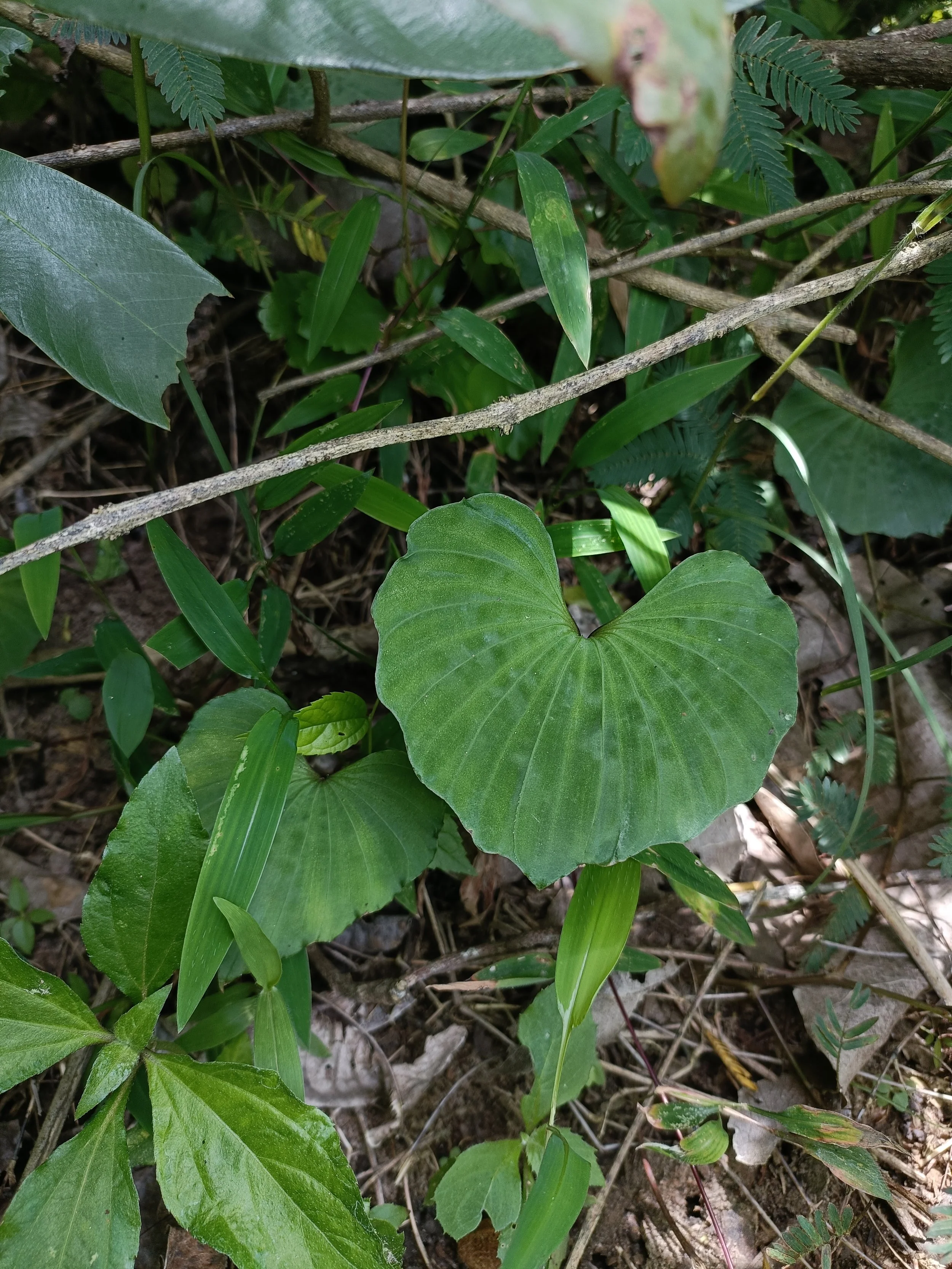
Nervilia simplex (ground orchid)
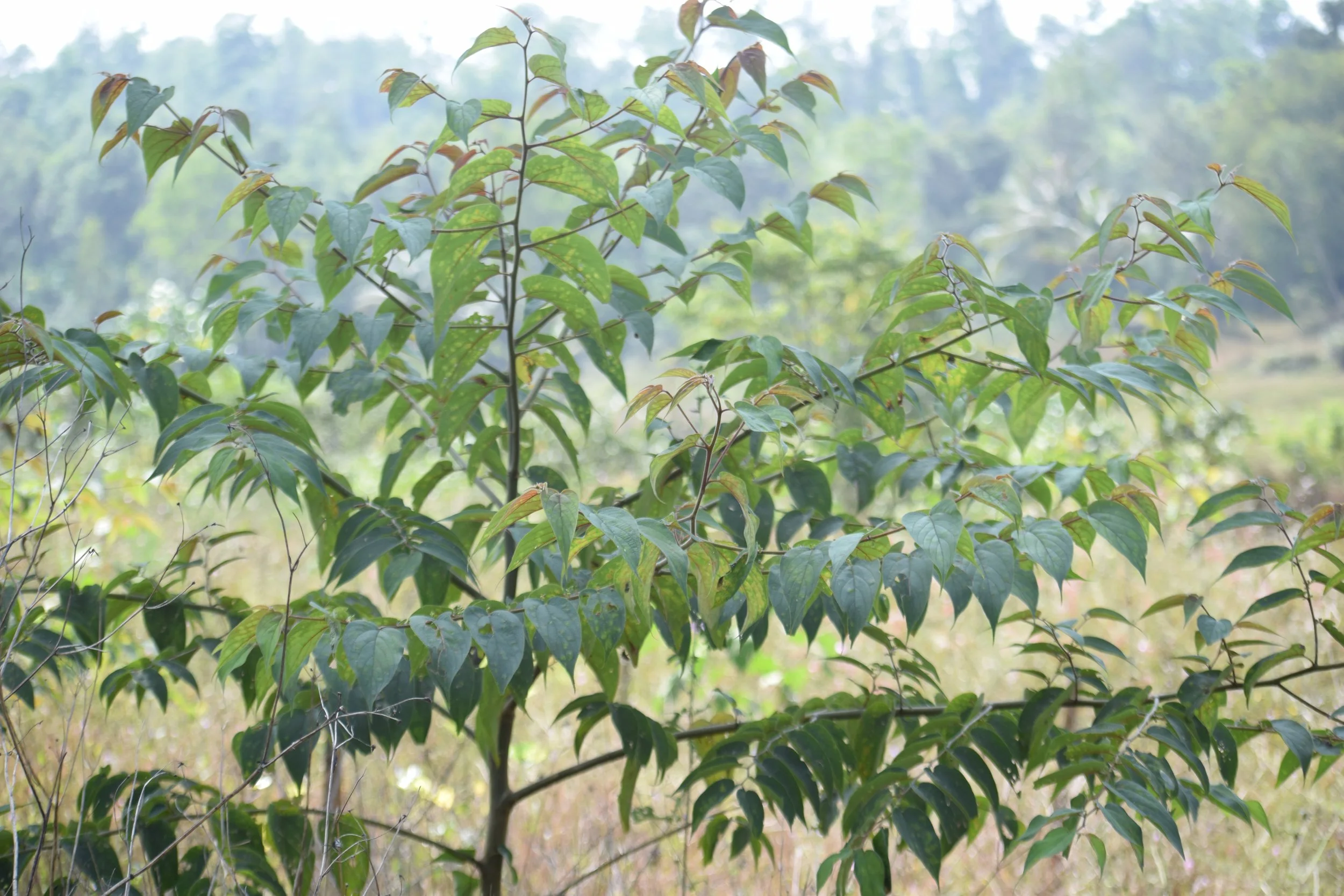
Trema orientale (Indian charcoal tree)
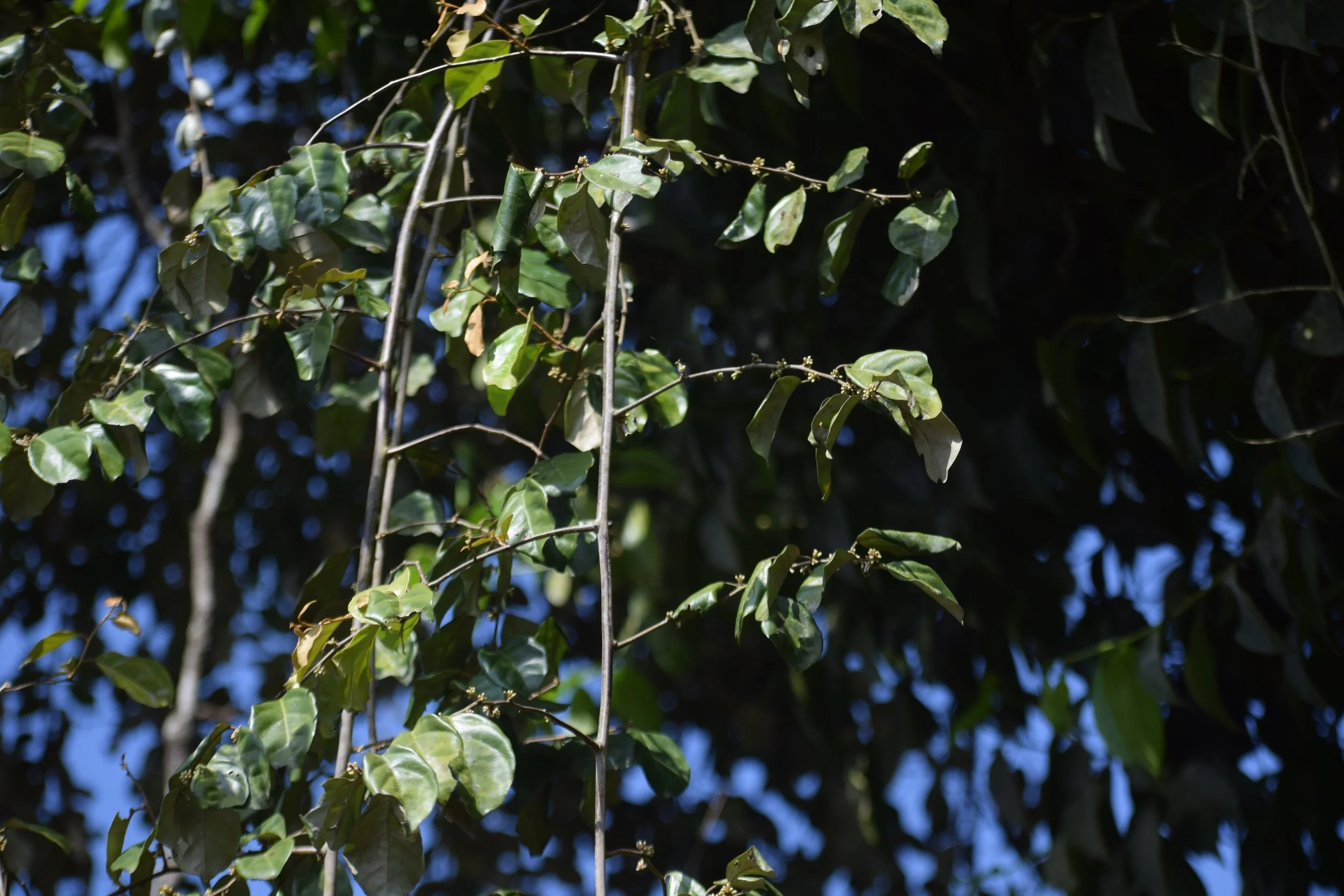
Eleagnus latifolia (South Indian silverberry)
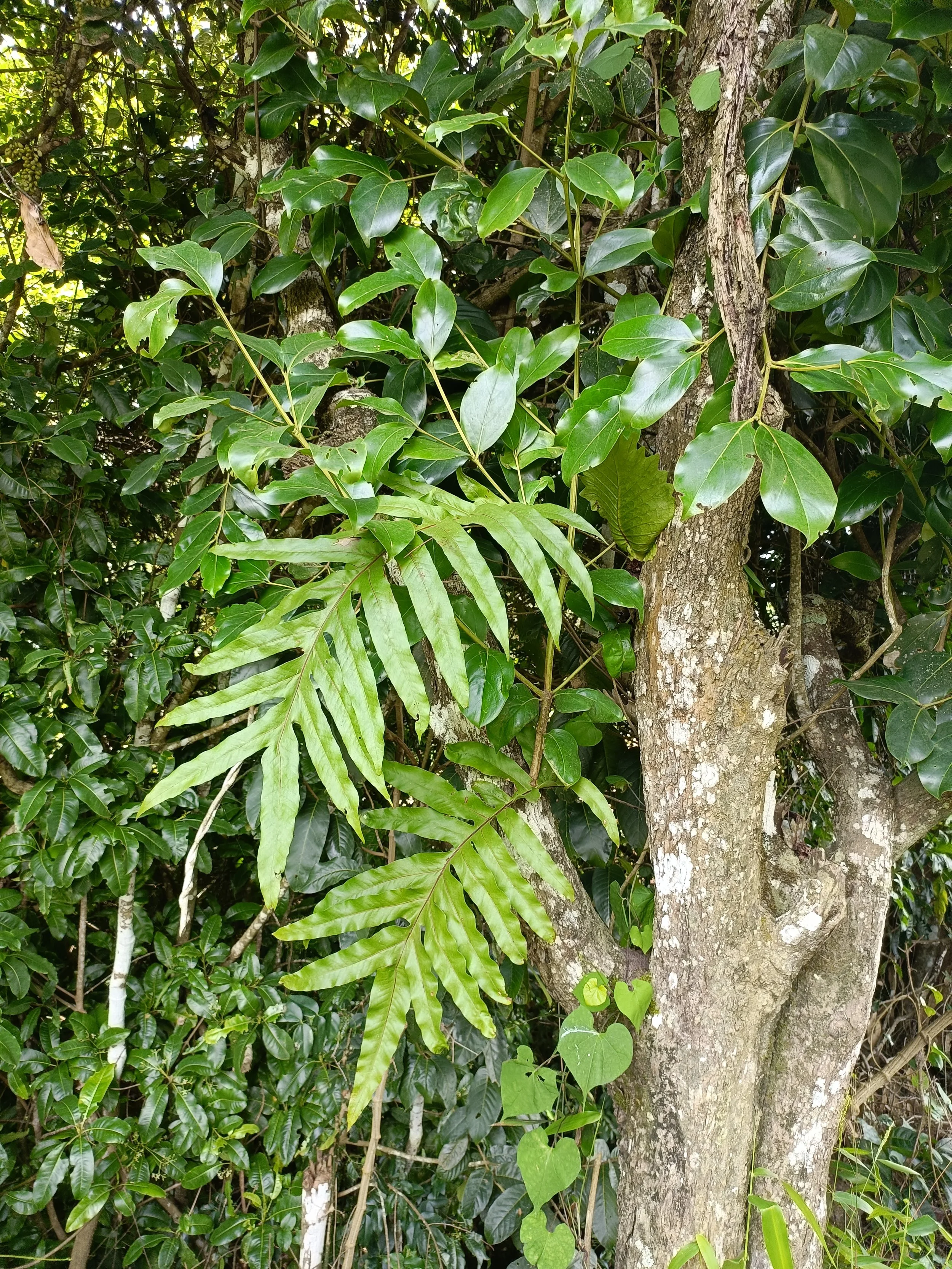
Ferns in the riparian zone
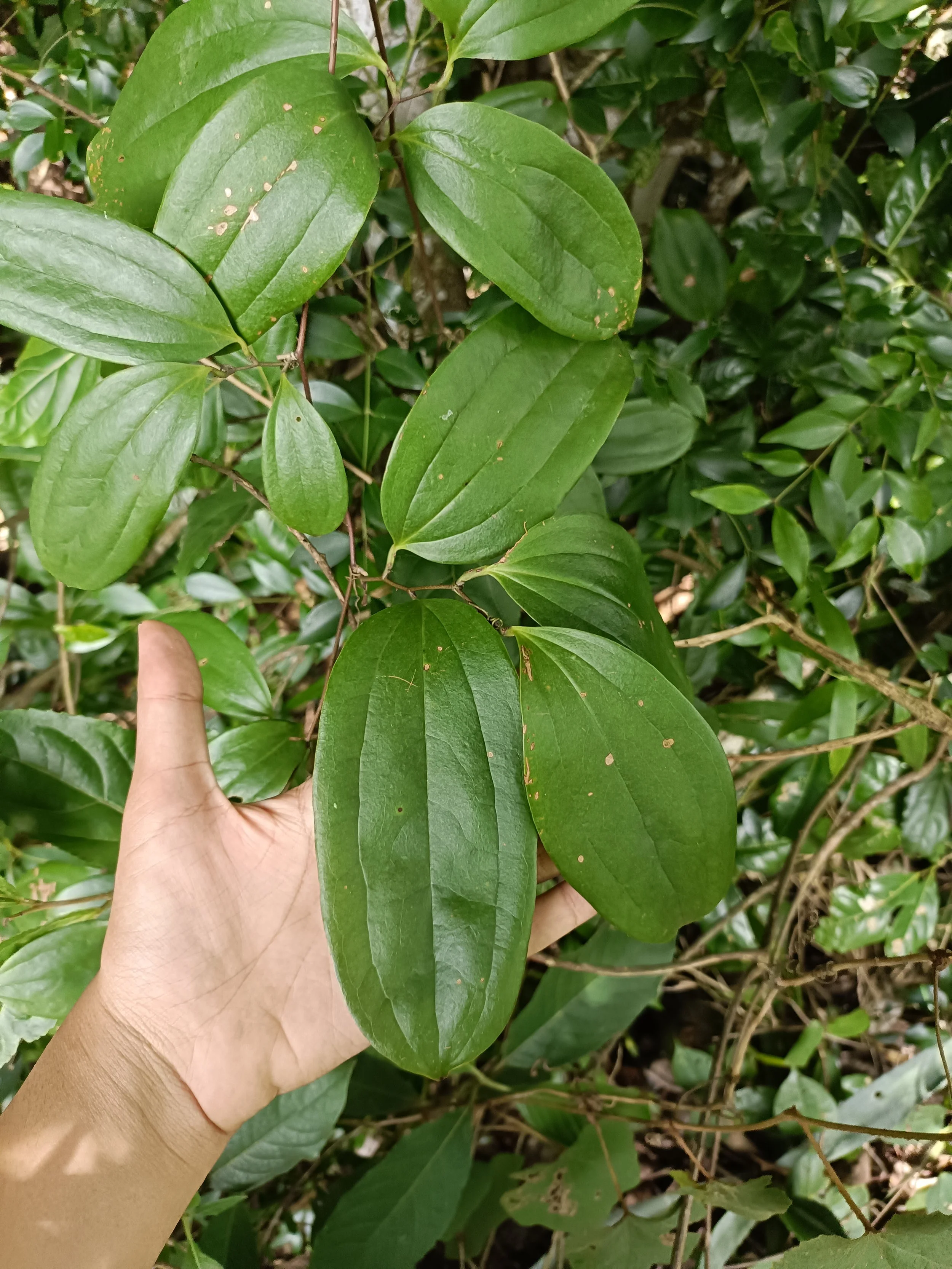
Smilax zeylanica (Ceylon thorn)
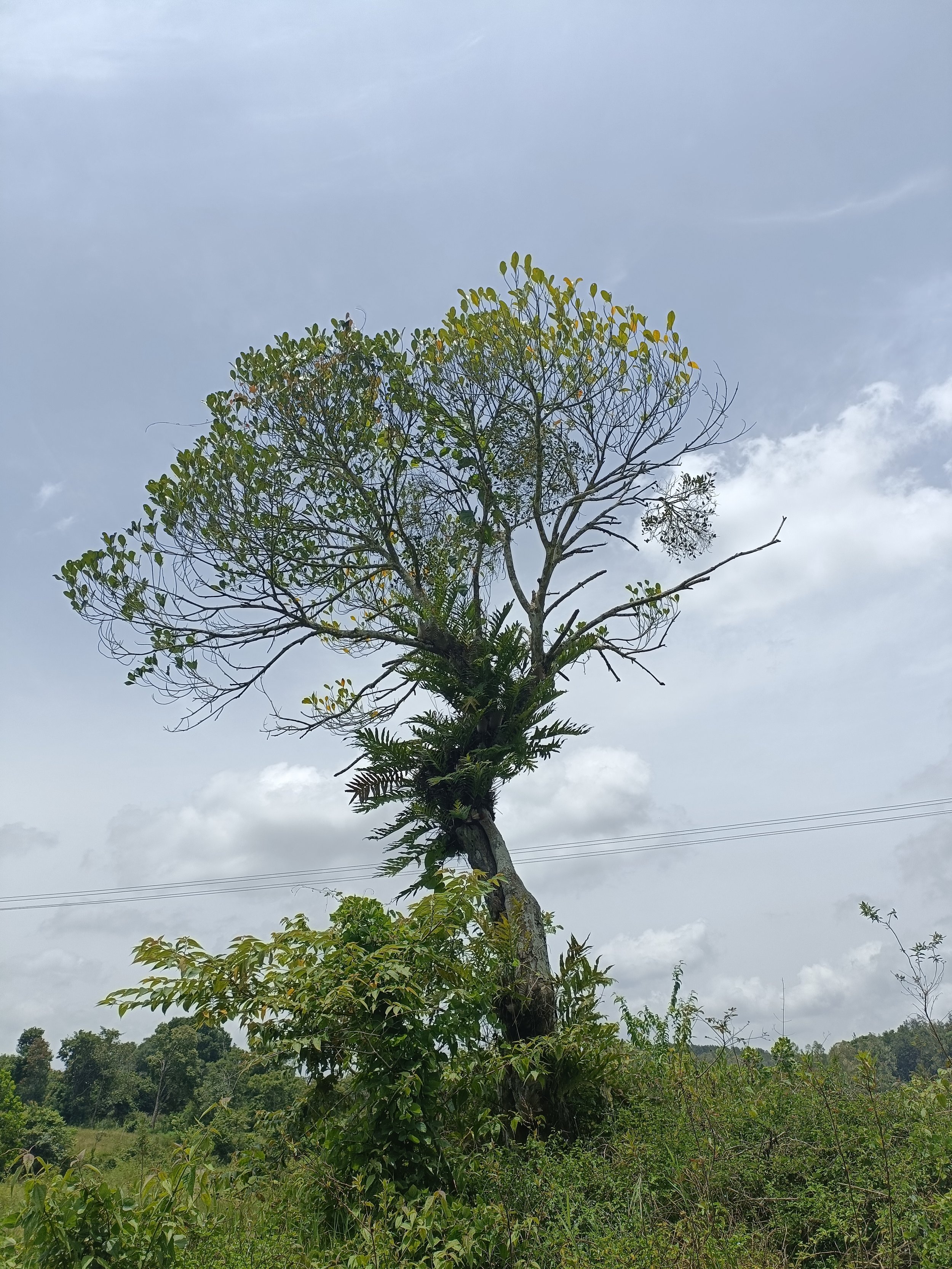
Artocarpus heterophyllus - Jackfruit
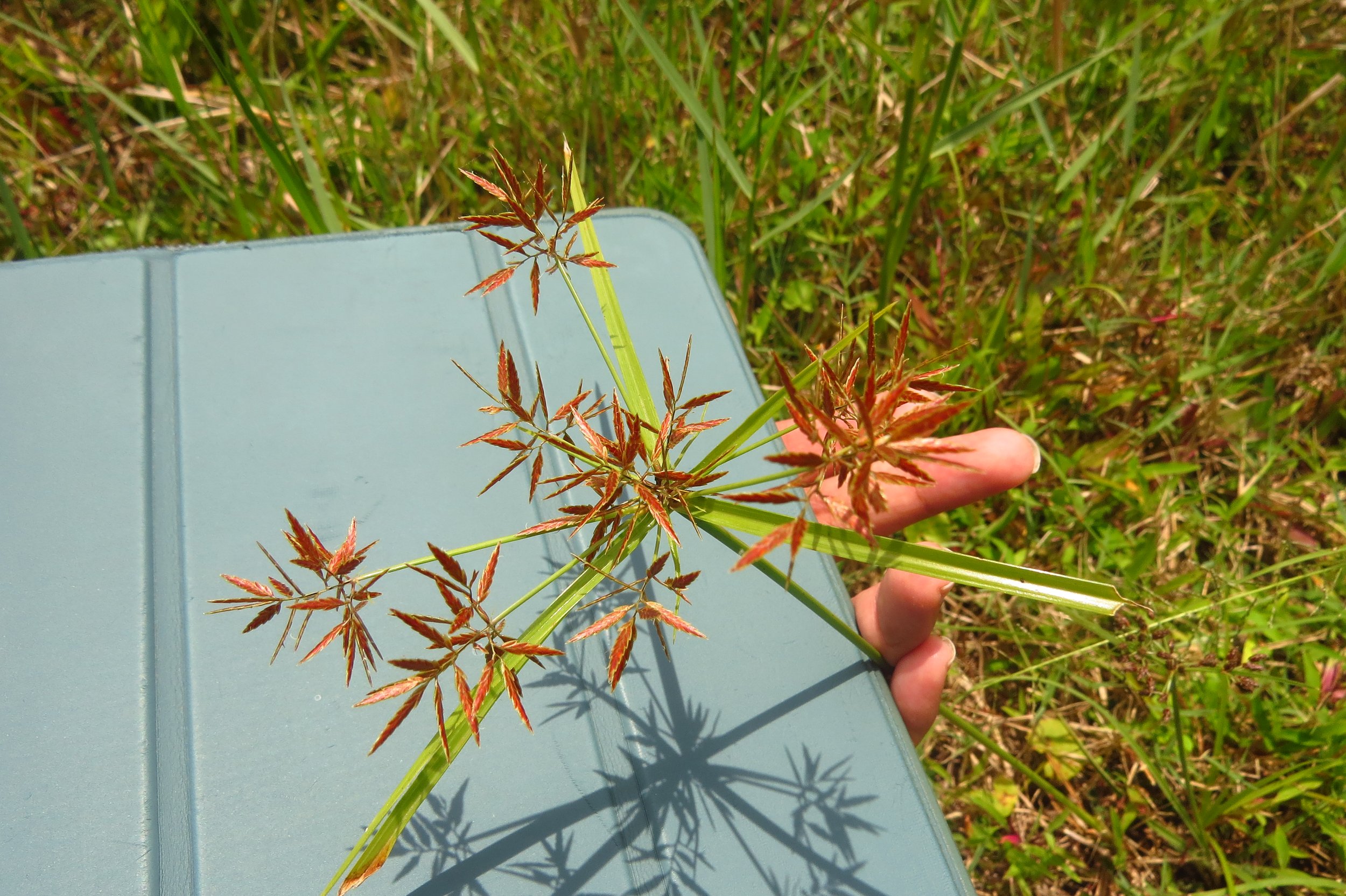
Cyperus sp. in wetland zone
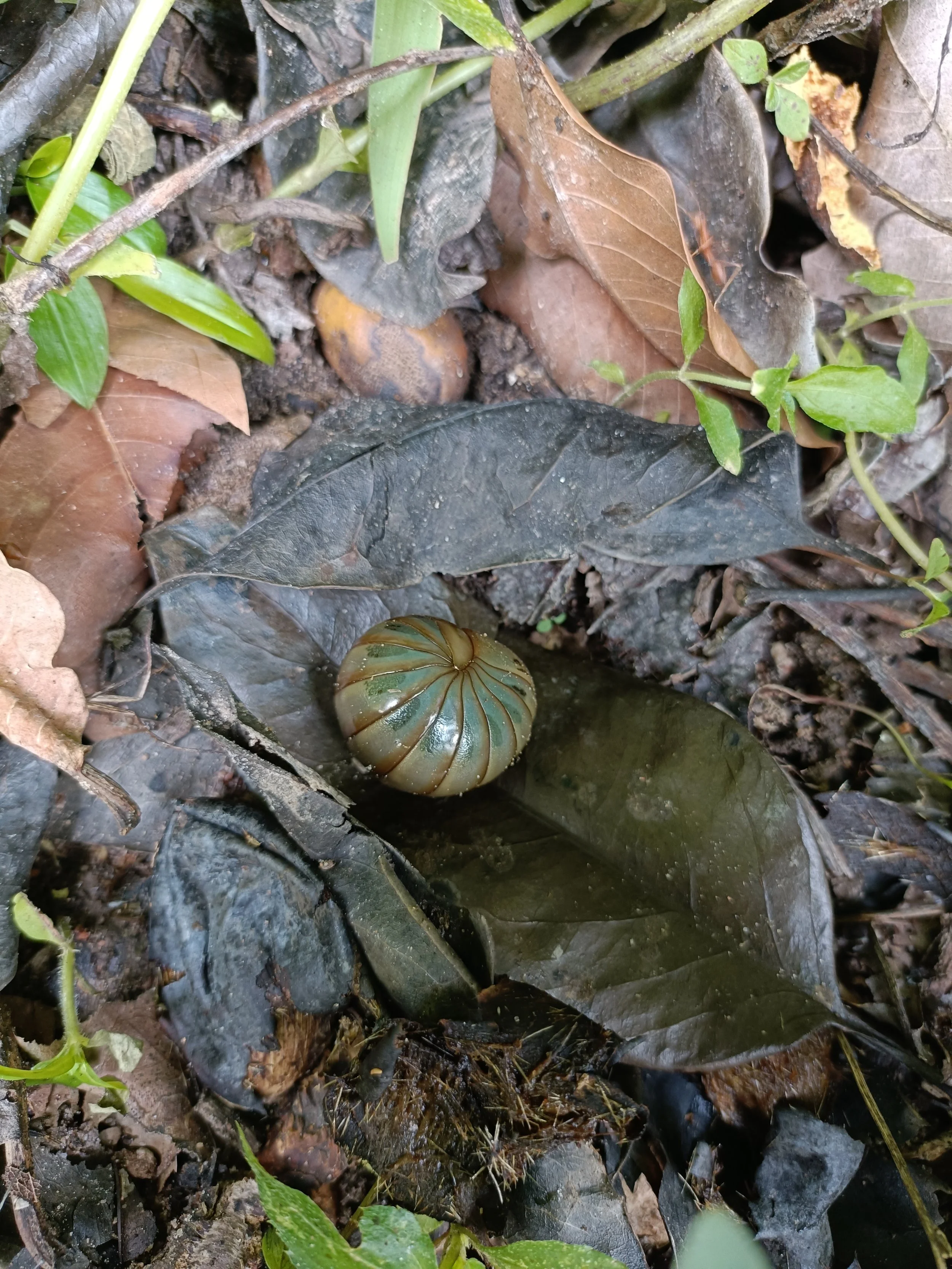
Pill pub in riparian
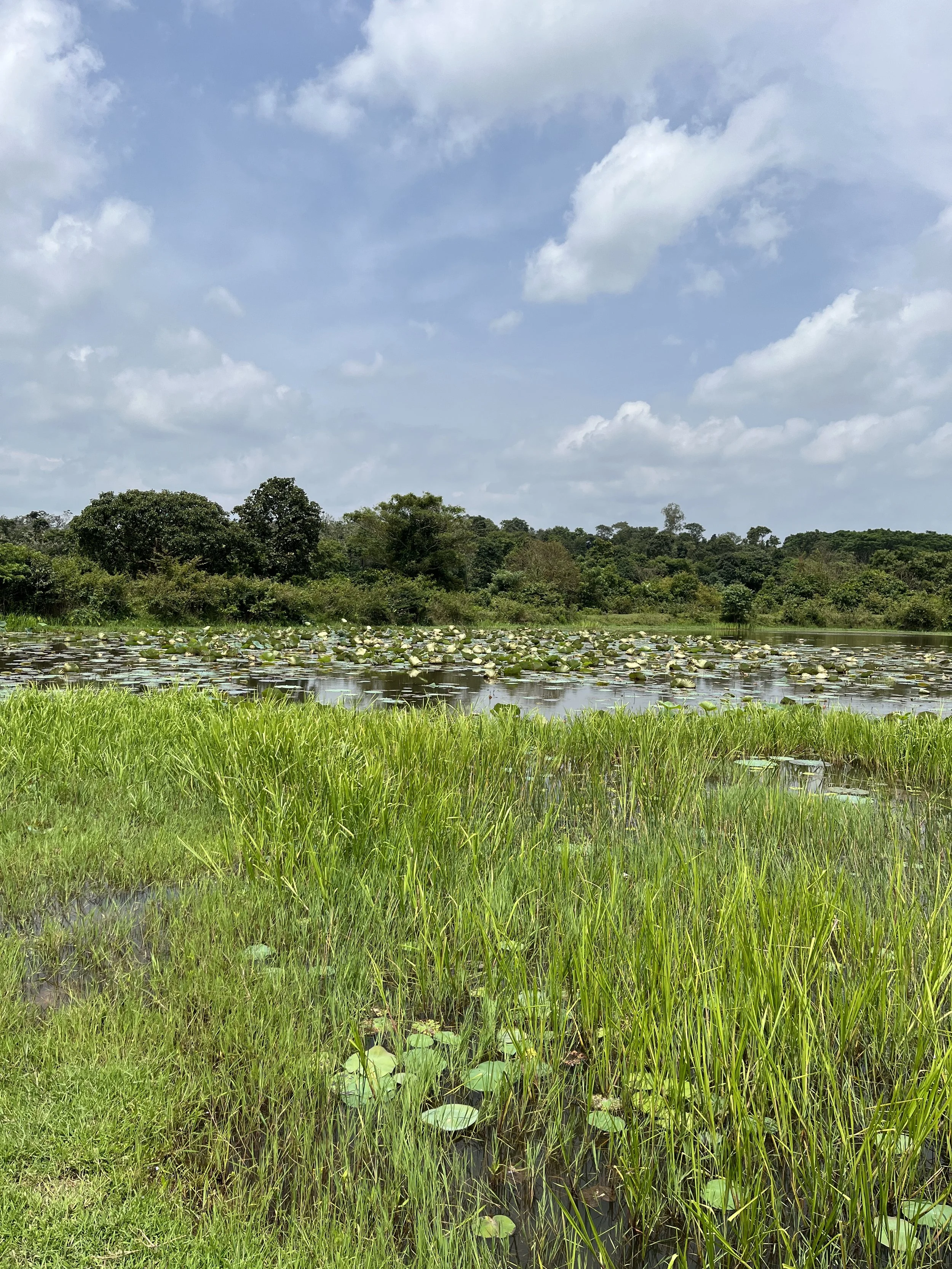
Wetland and pond adjoining the site
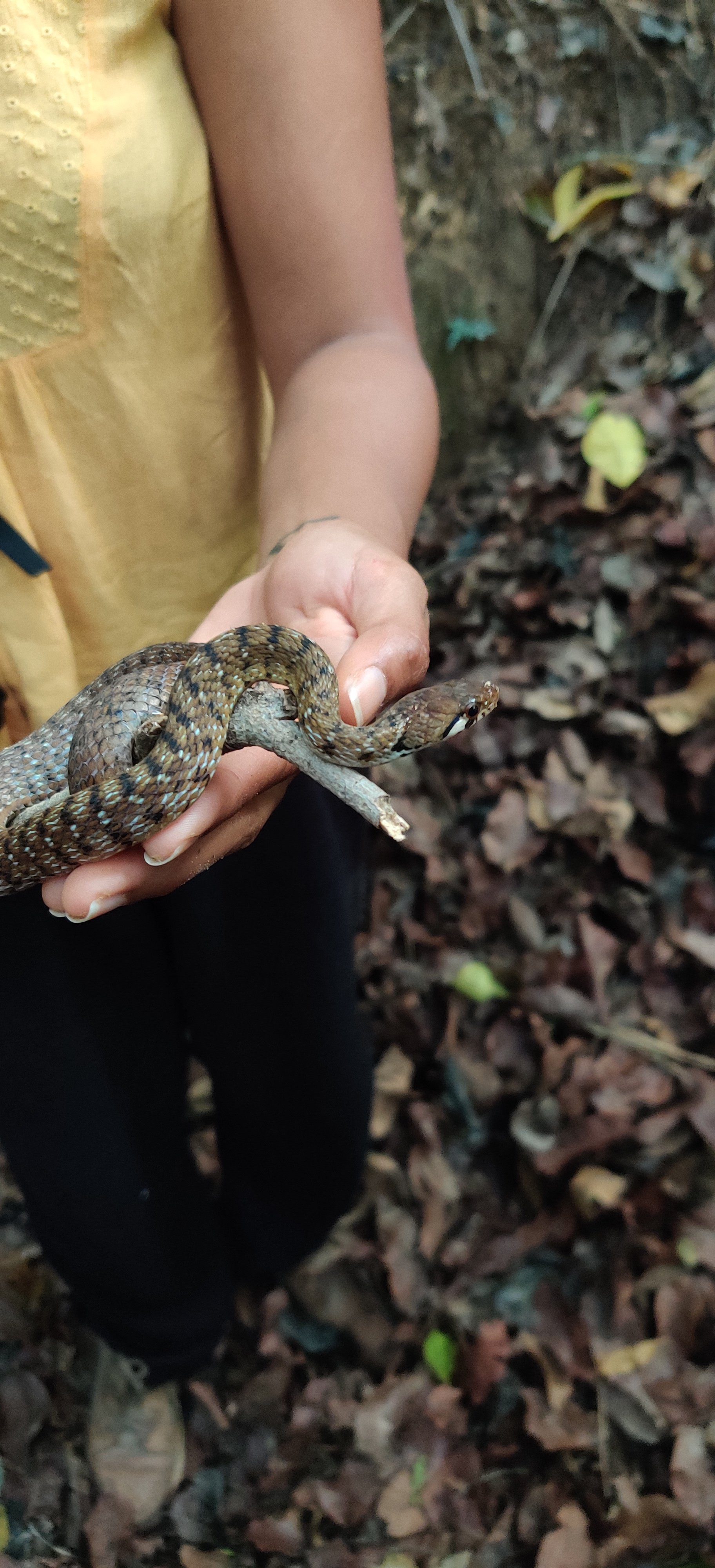
Beddome's (Nilgiri) Keelback
To translate the design vision into reality, the team led the turnkey implementation of earthworks and planting across multiple site visits.
This scope included day-to-day task planning and supervision, on-site coordination of materials and machinery, hands-on demonstrations for the workforce, procurement of tools, seeds, and saplings, and regular communication with the caretaker and clients.
The on-ground work was strengthened by pre- and post-visit efforts such as earthworks capacity planning, preparation of detailed plant lists, and the production of marking and implementation drawings.
Implementation
Implementation photos
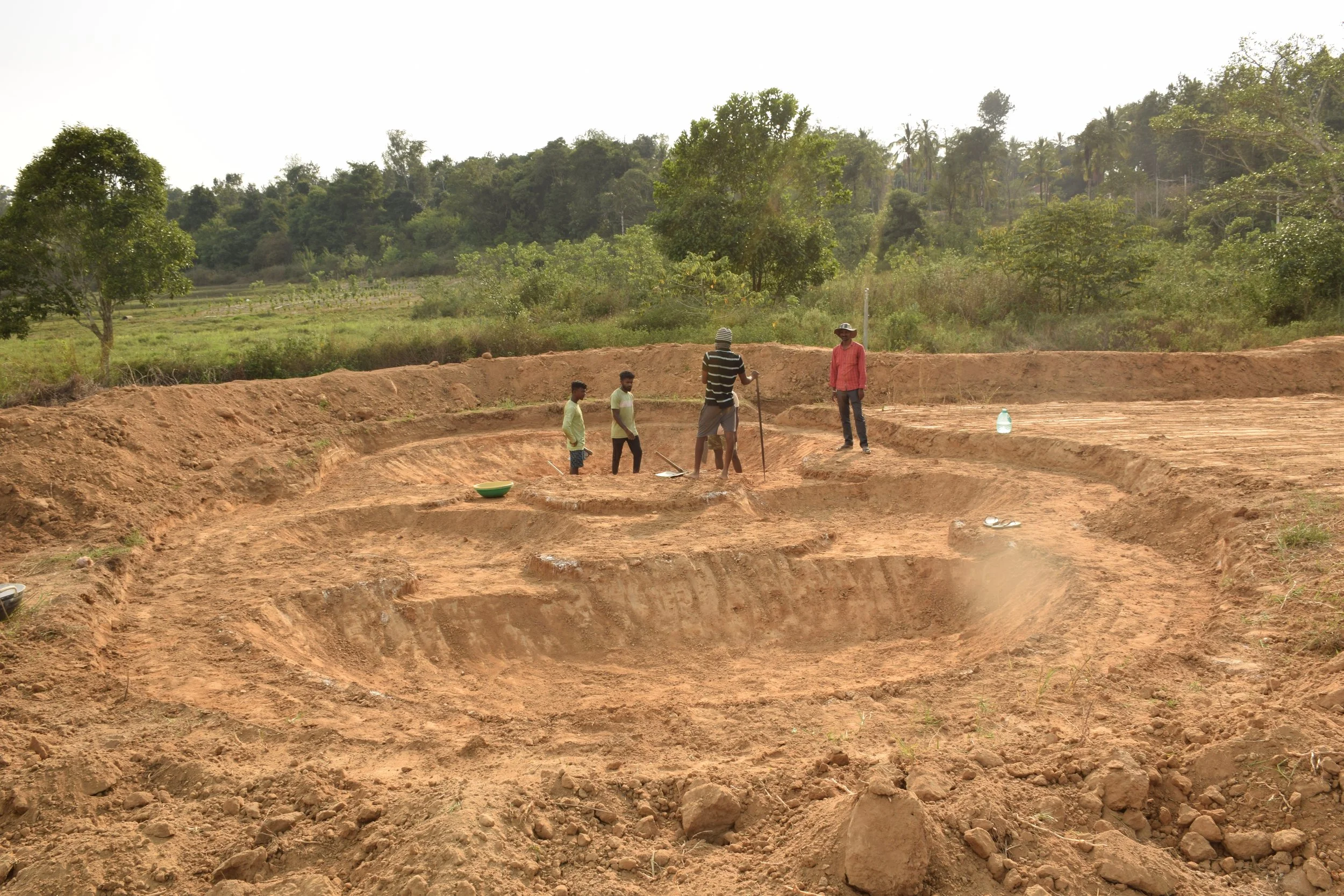
Pond 3
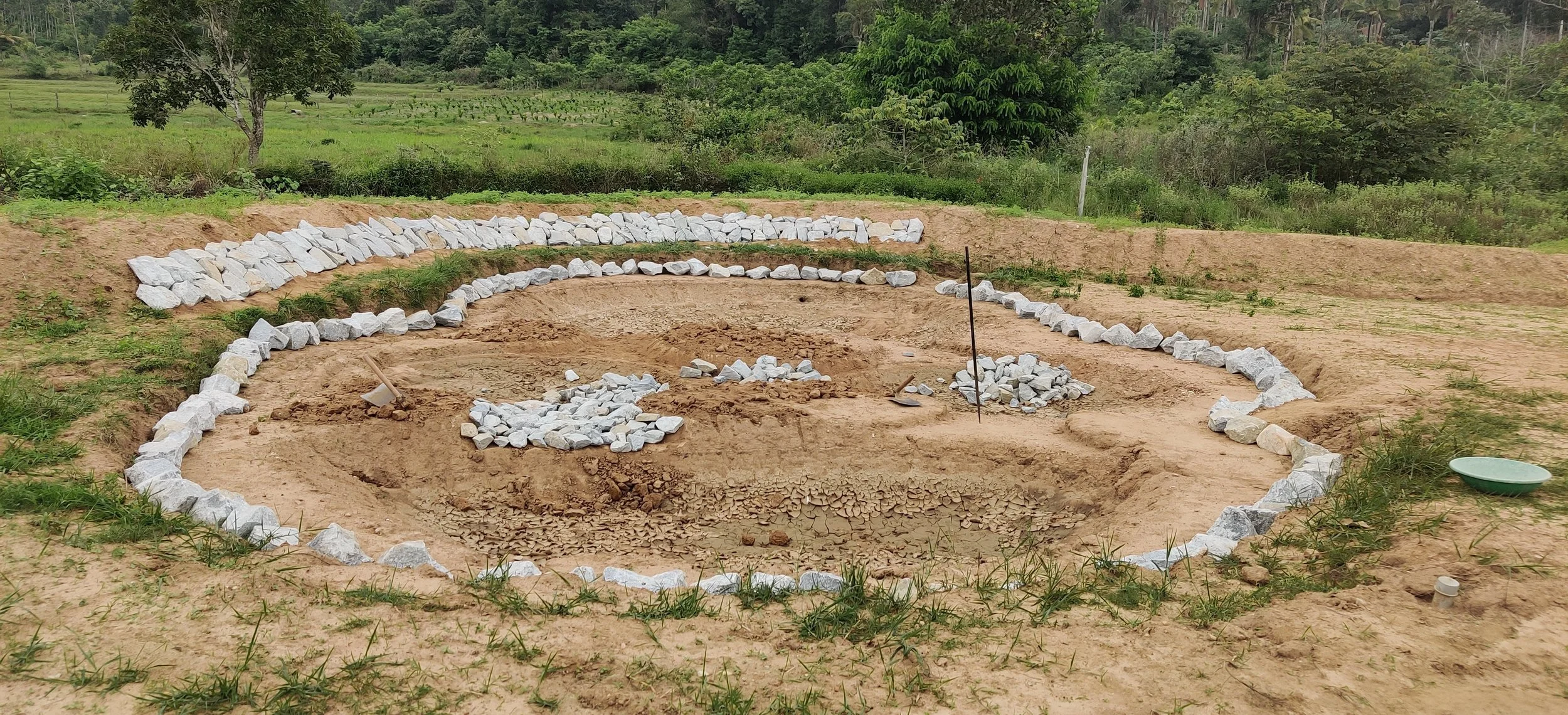
Pond 3 - after lining bund and edges with rocks
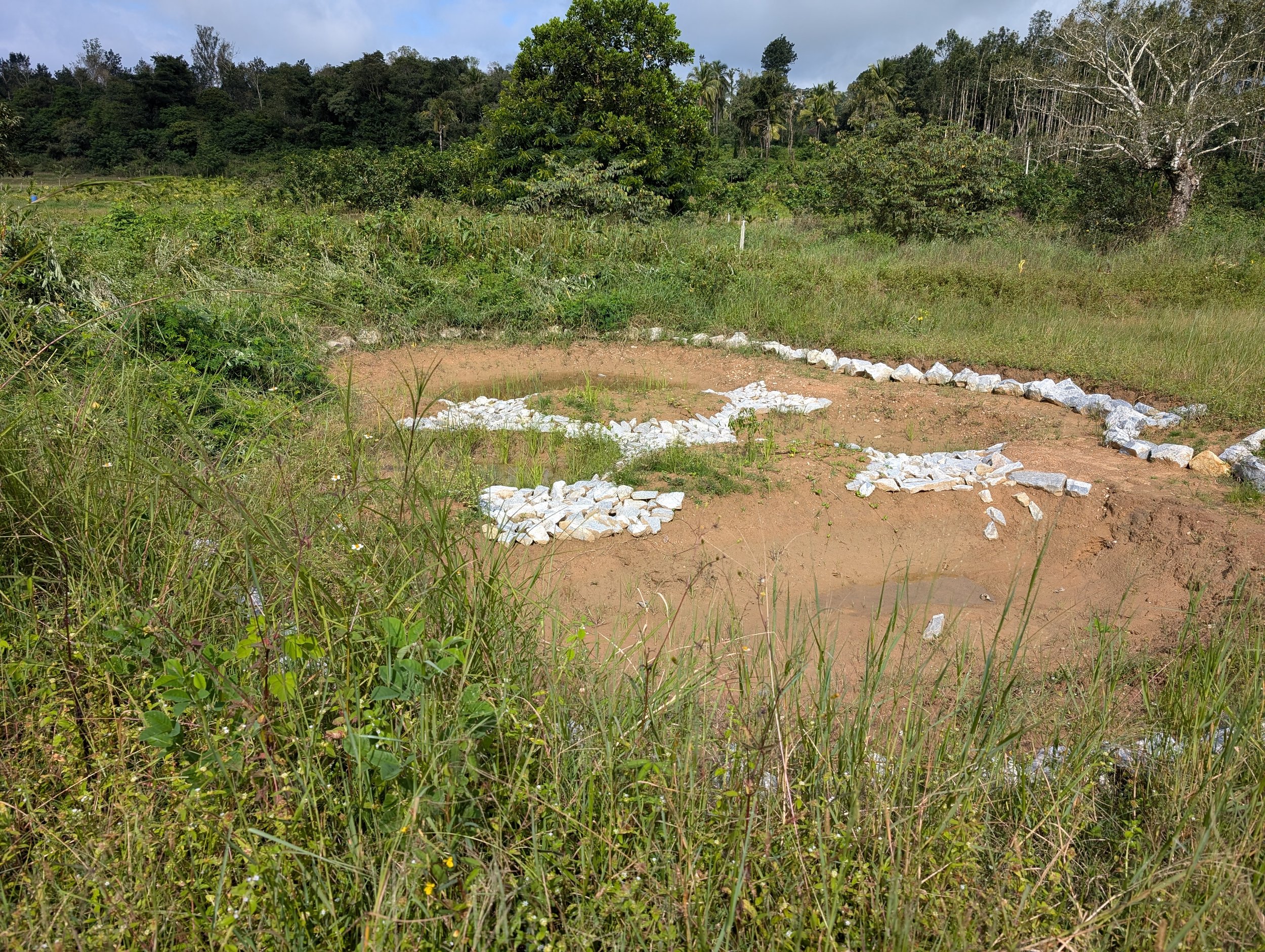
Pond 3 - post monsoon
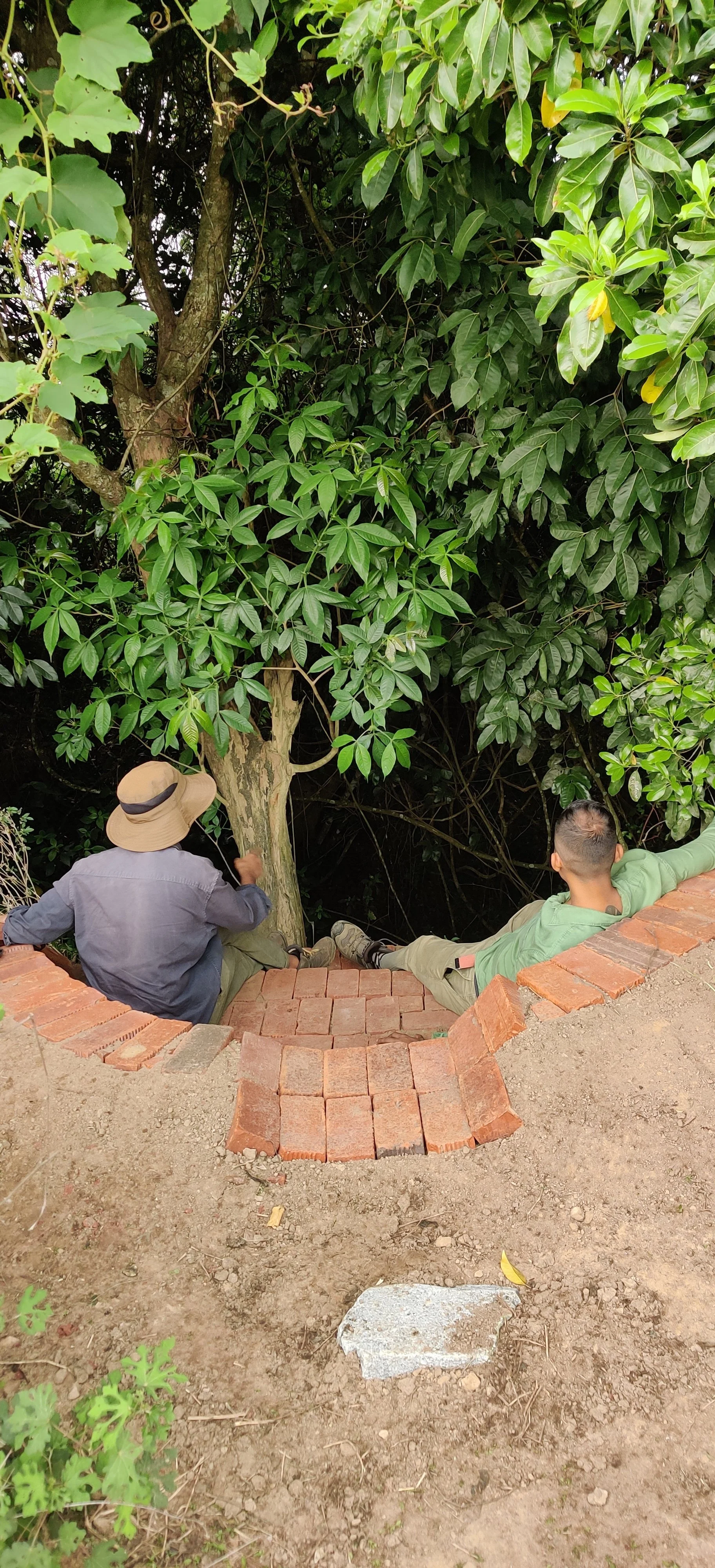
Riparian nook for birding
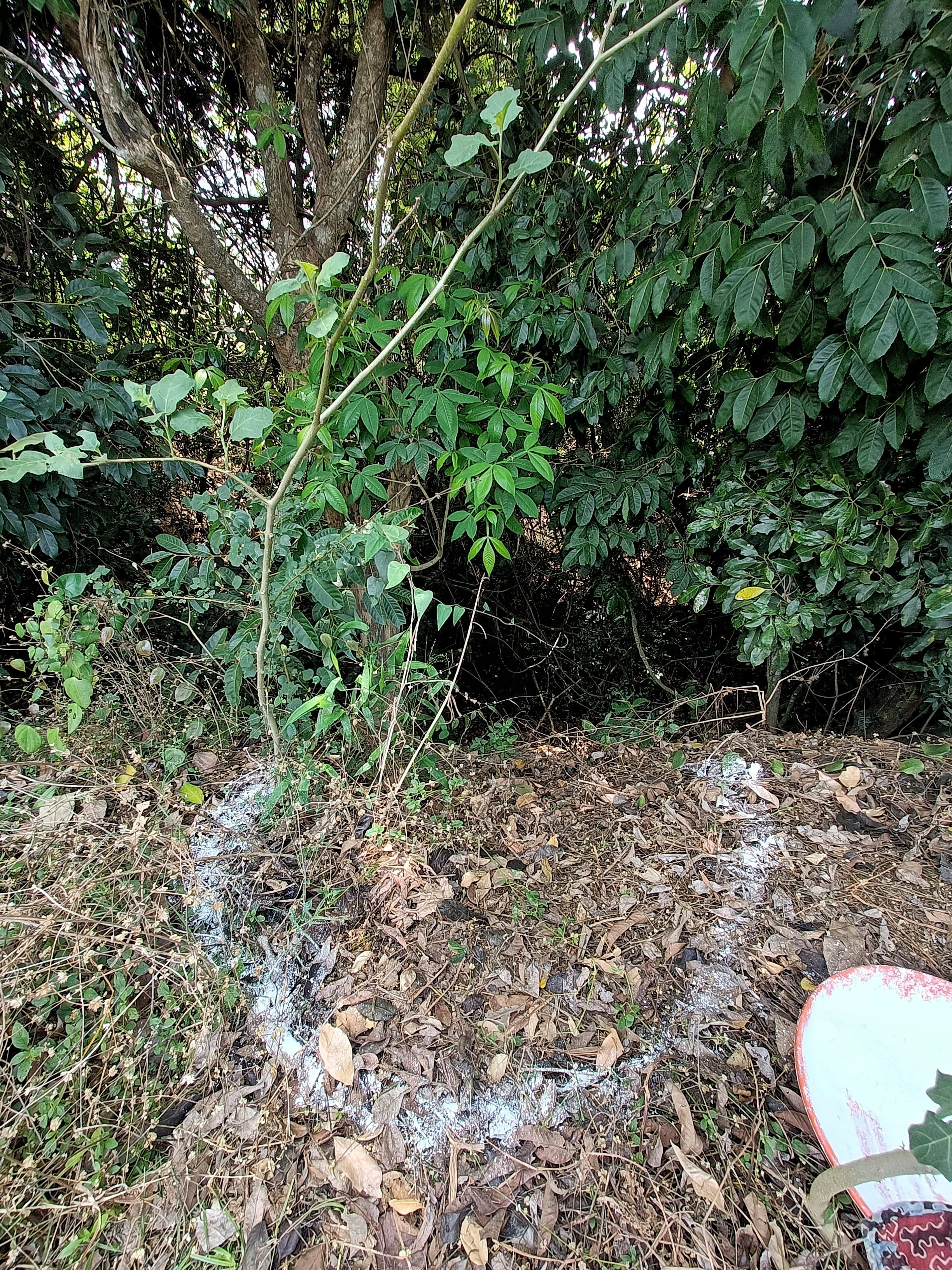
Riparian nook - marking
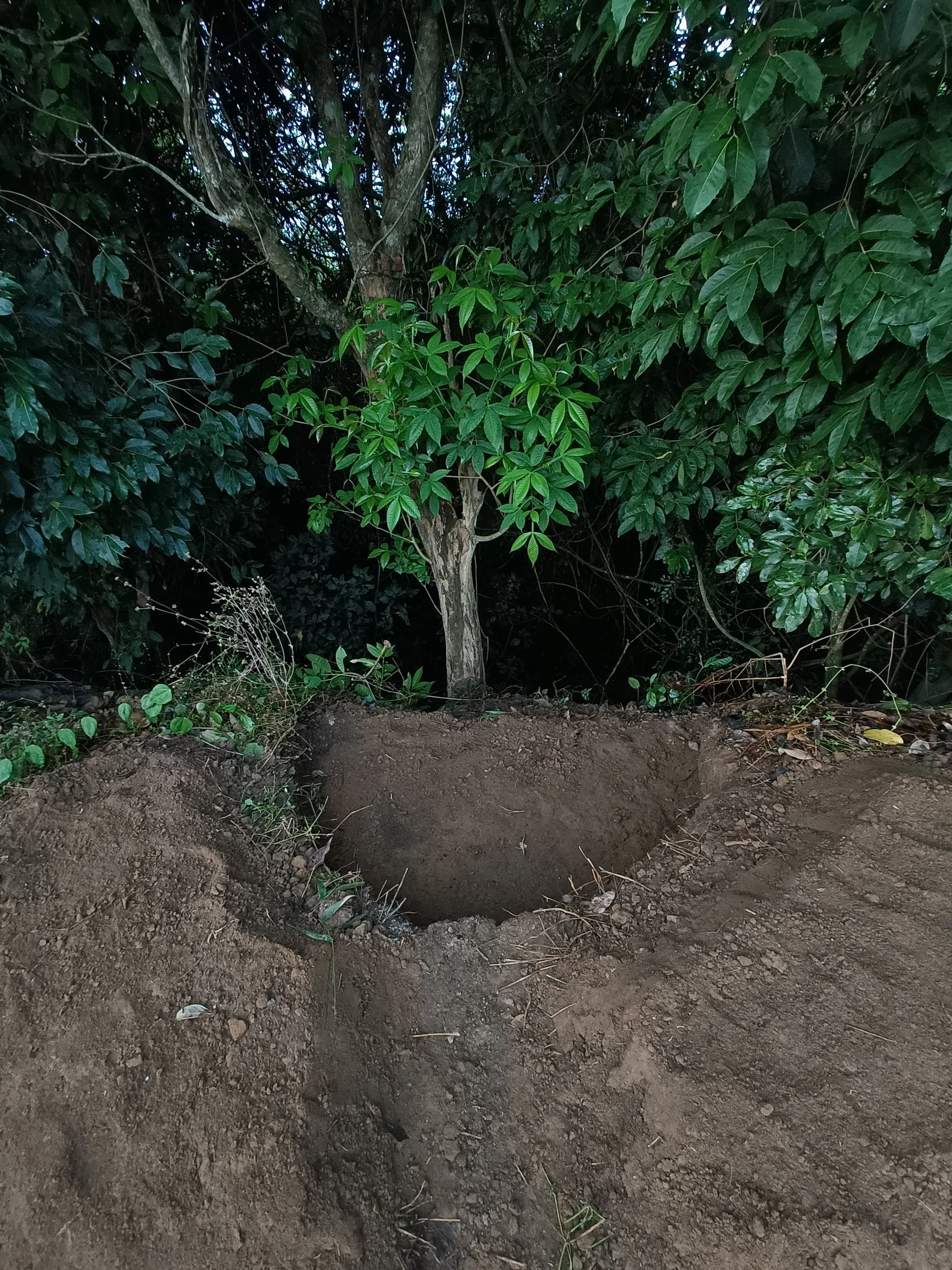
Riparian nook - digging
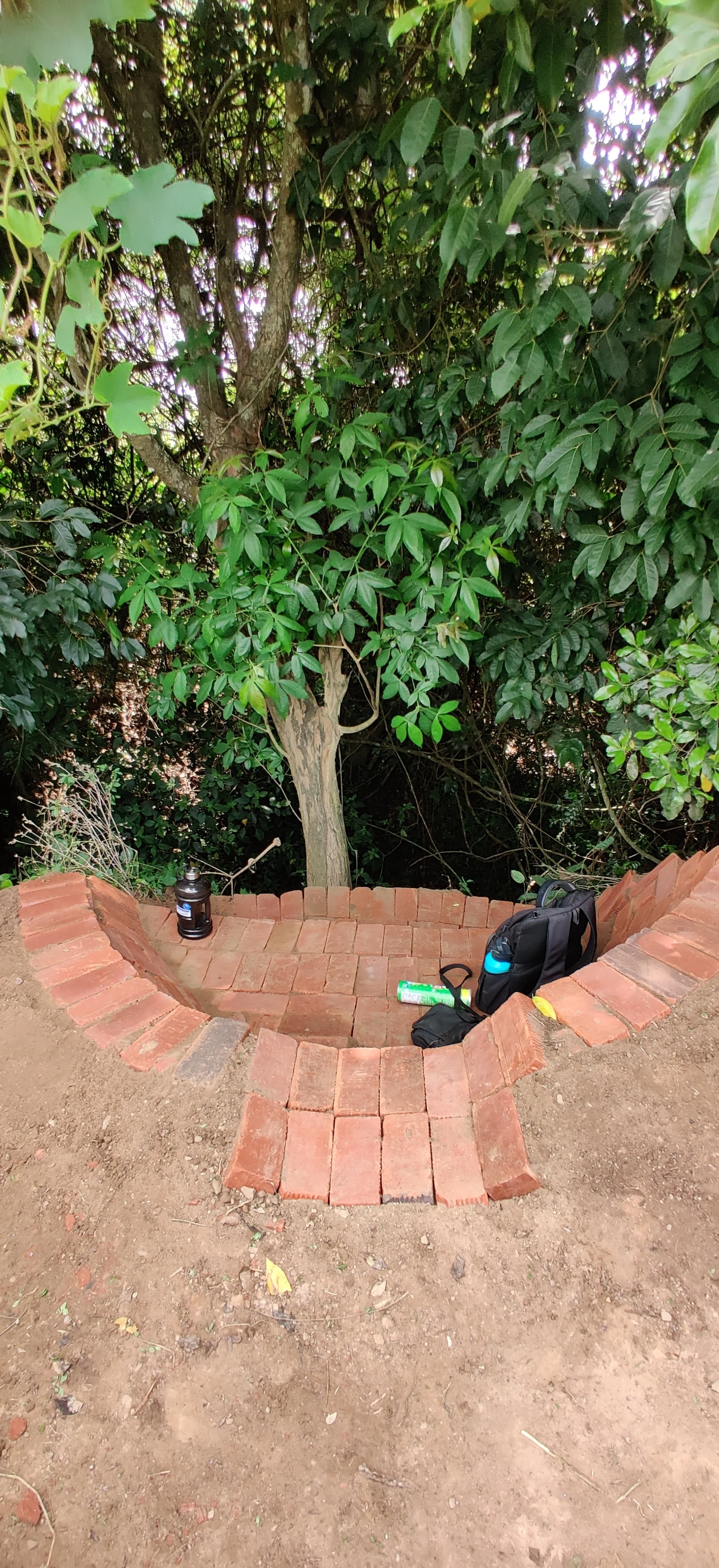
Riparian nook - after brick lining
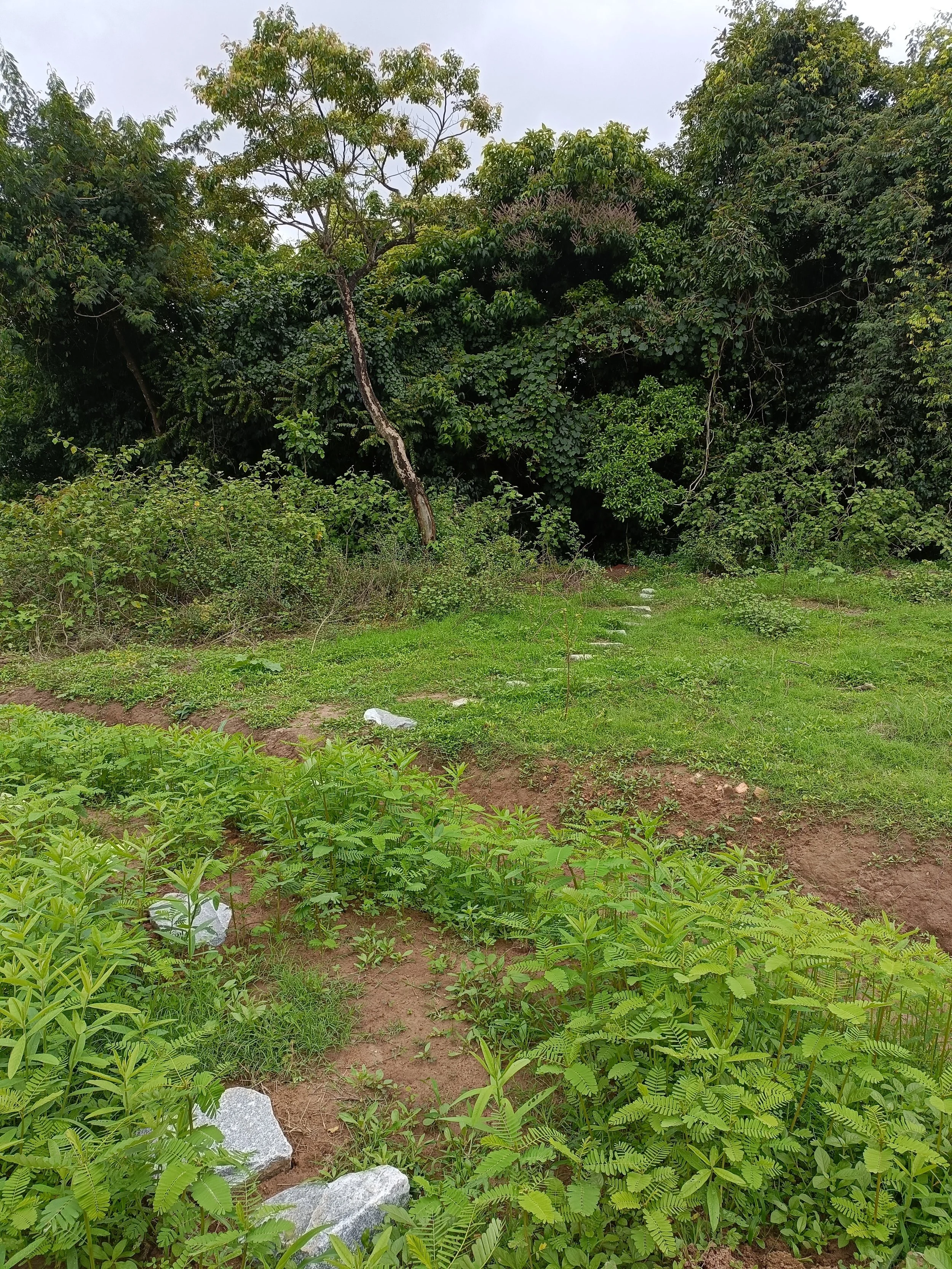
Stepping stones to riparian
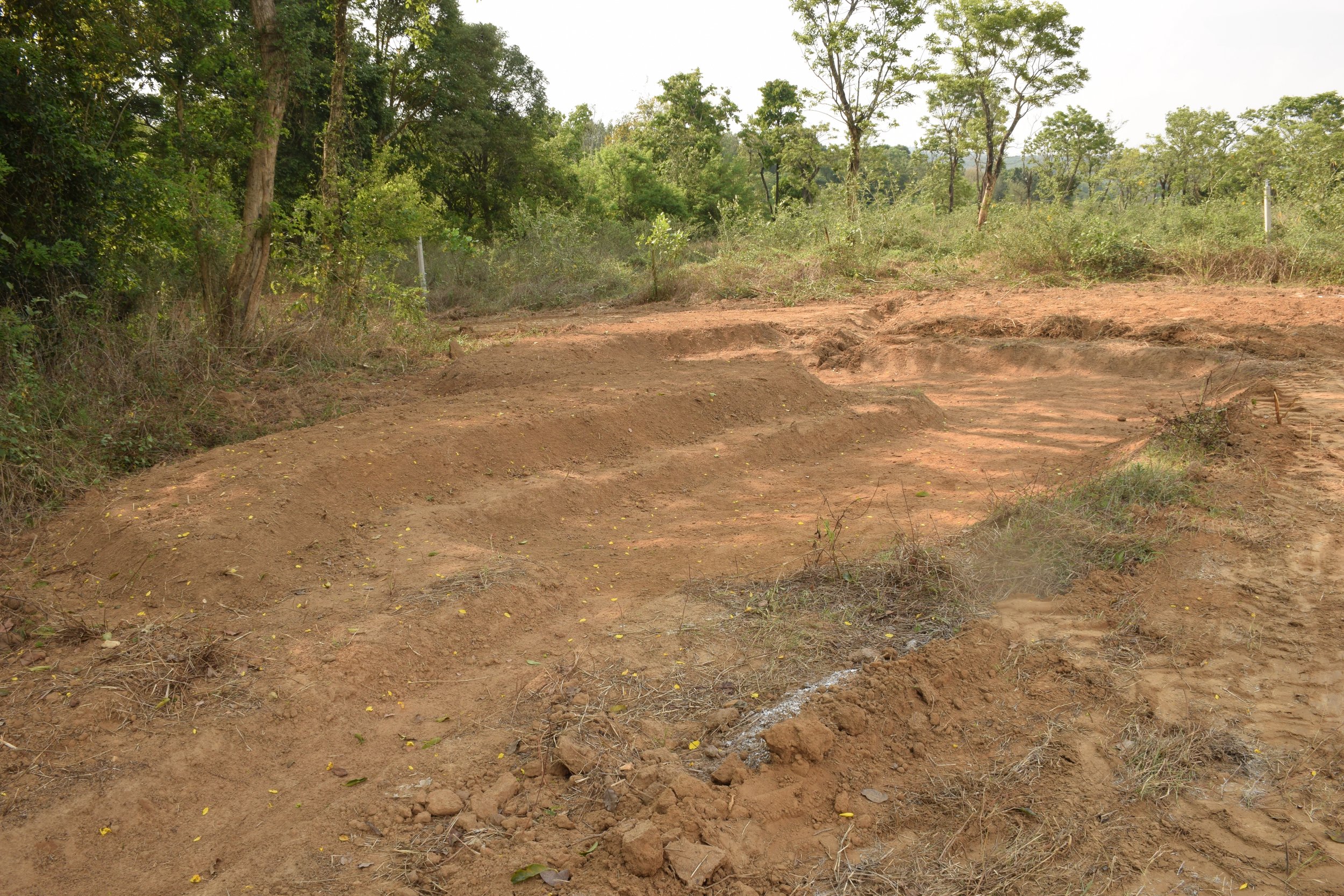
Basin 6 post-digging
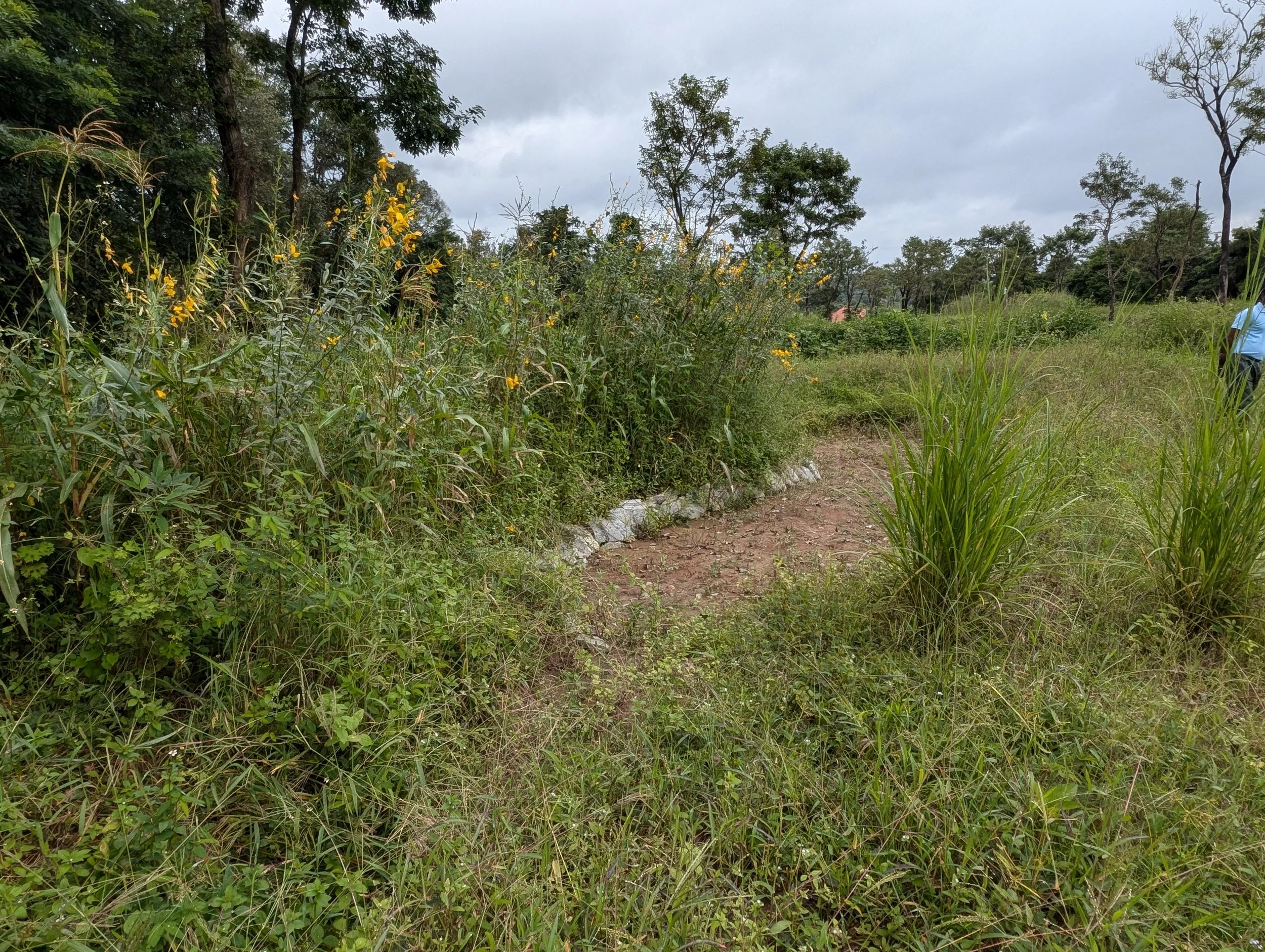
Basin 6 post-monsoon
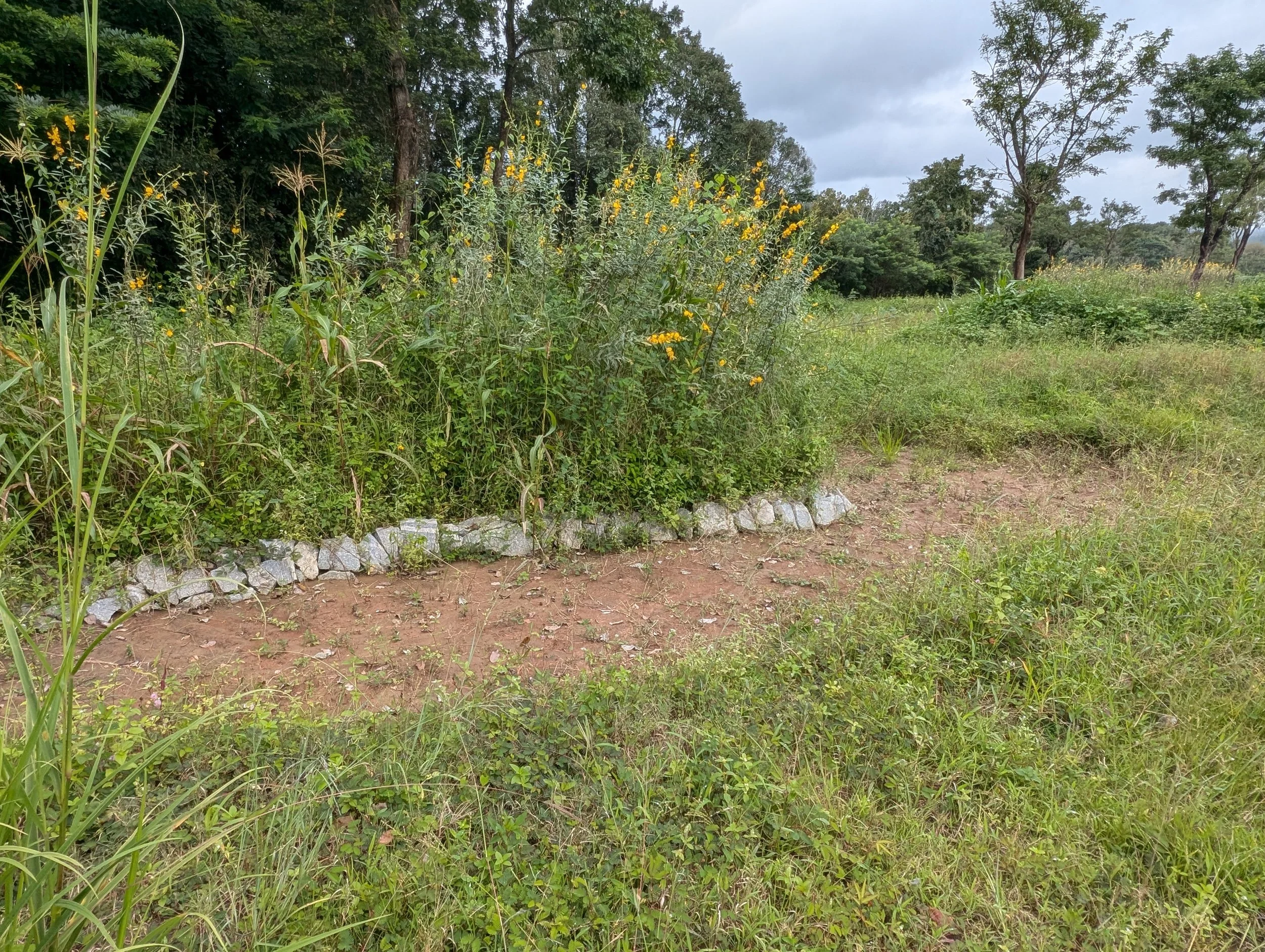
Basin 6 post-monsoon
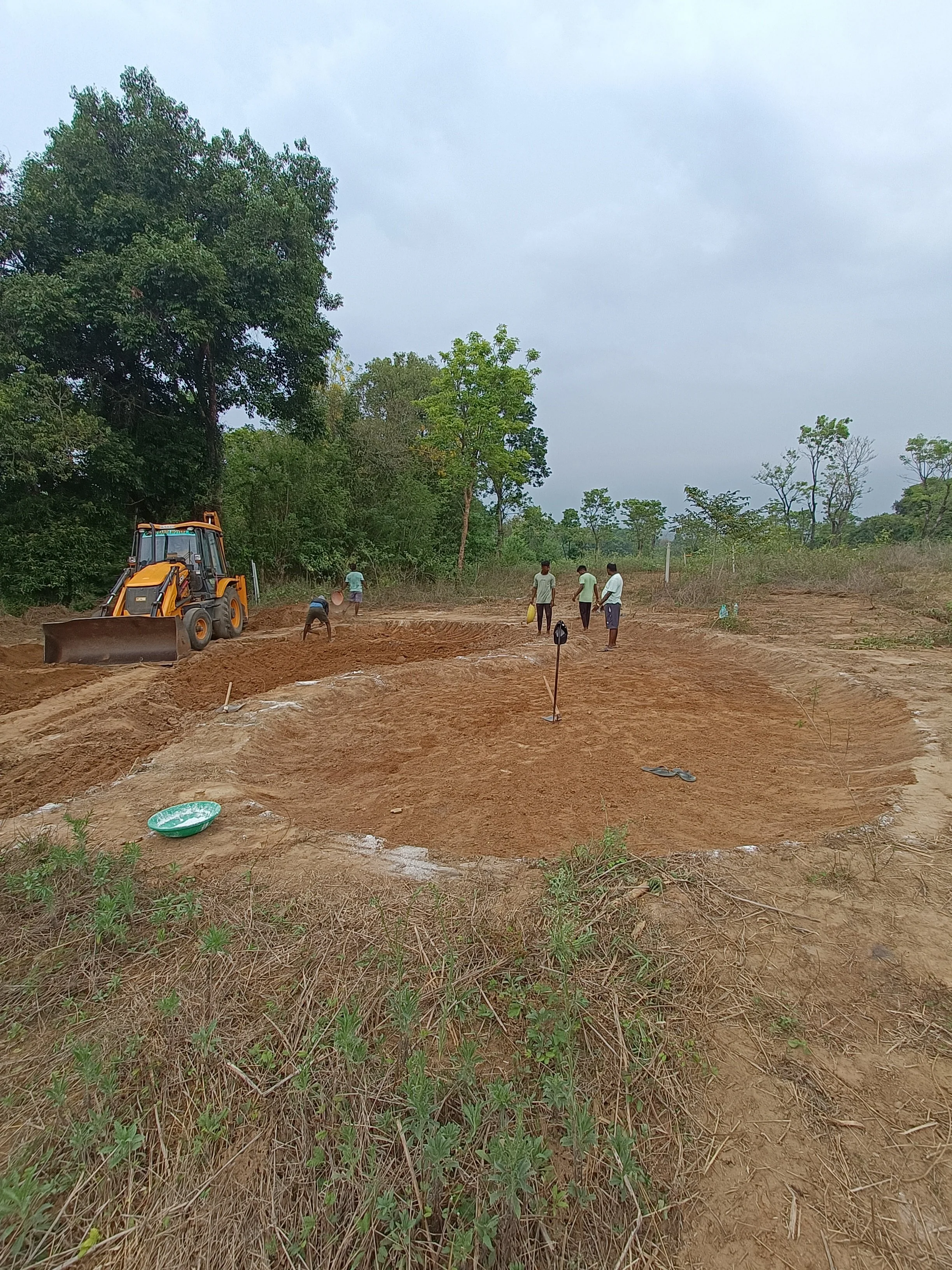
Basins 4 and 5
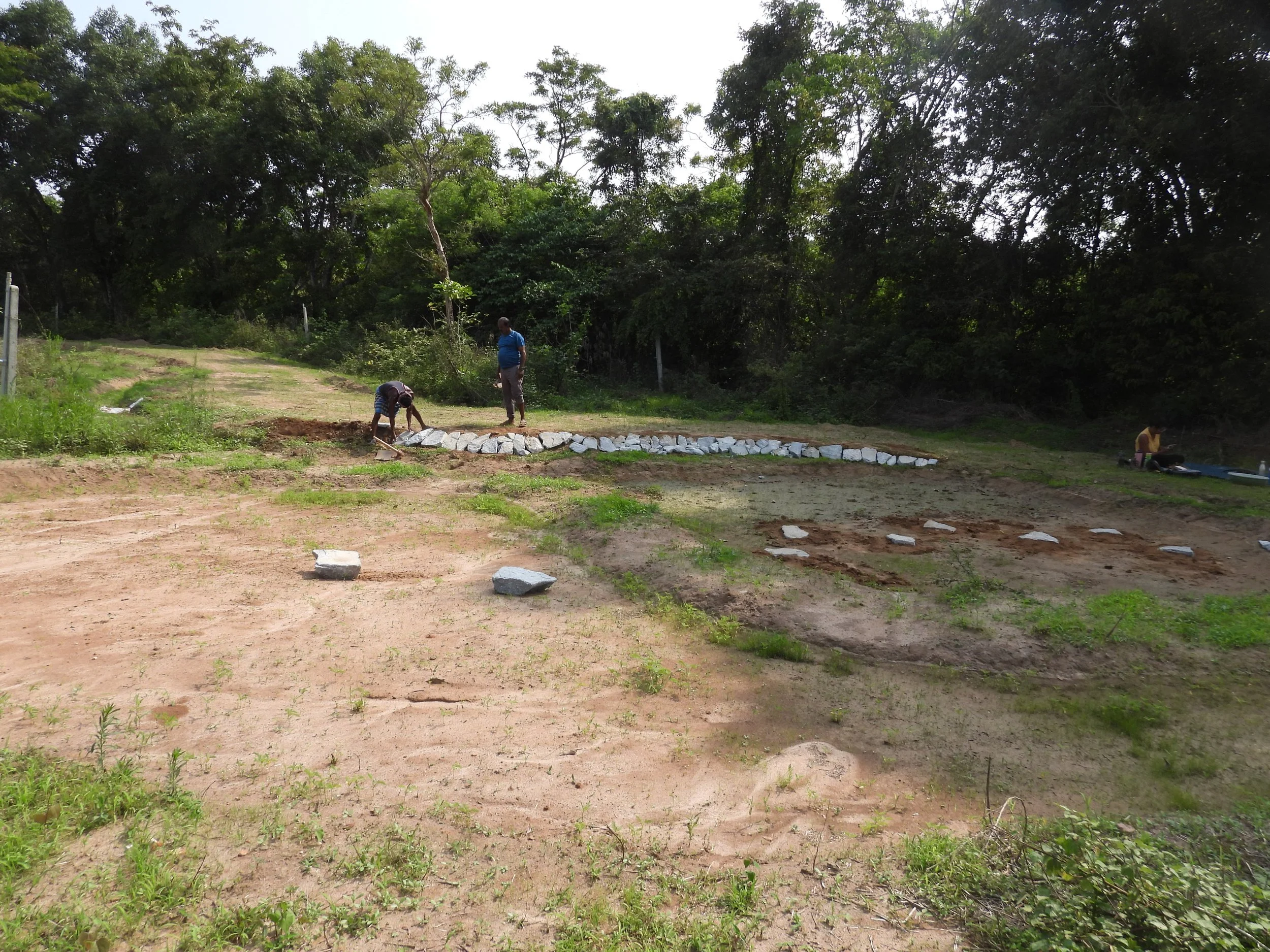
Basins 4 and 5
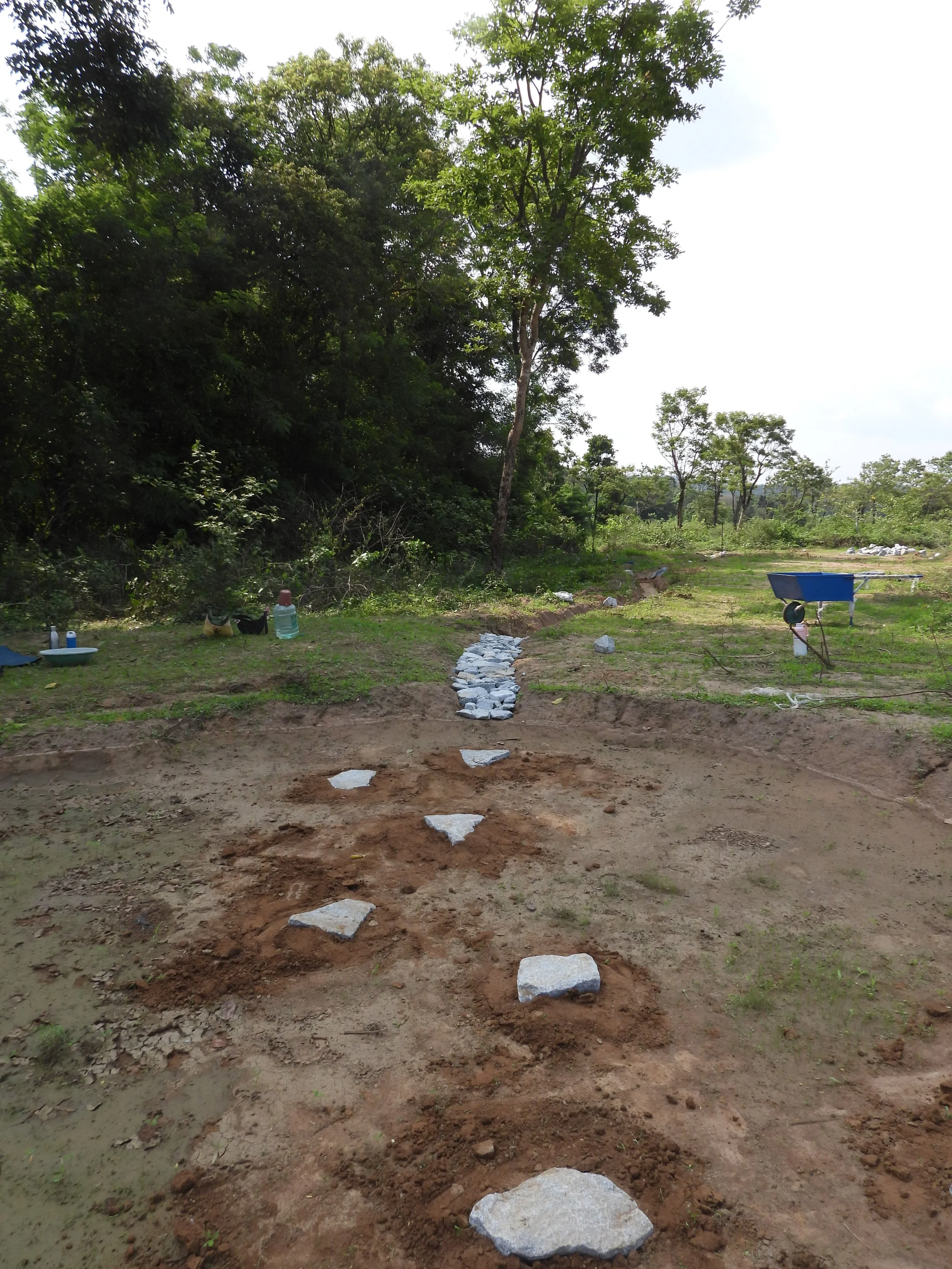
Basins 4 and 5 - stepping stones
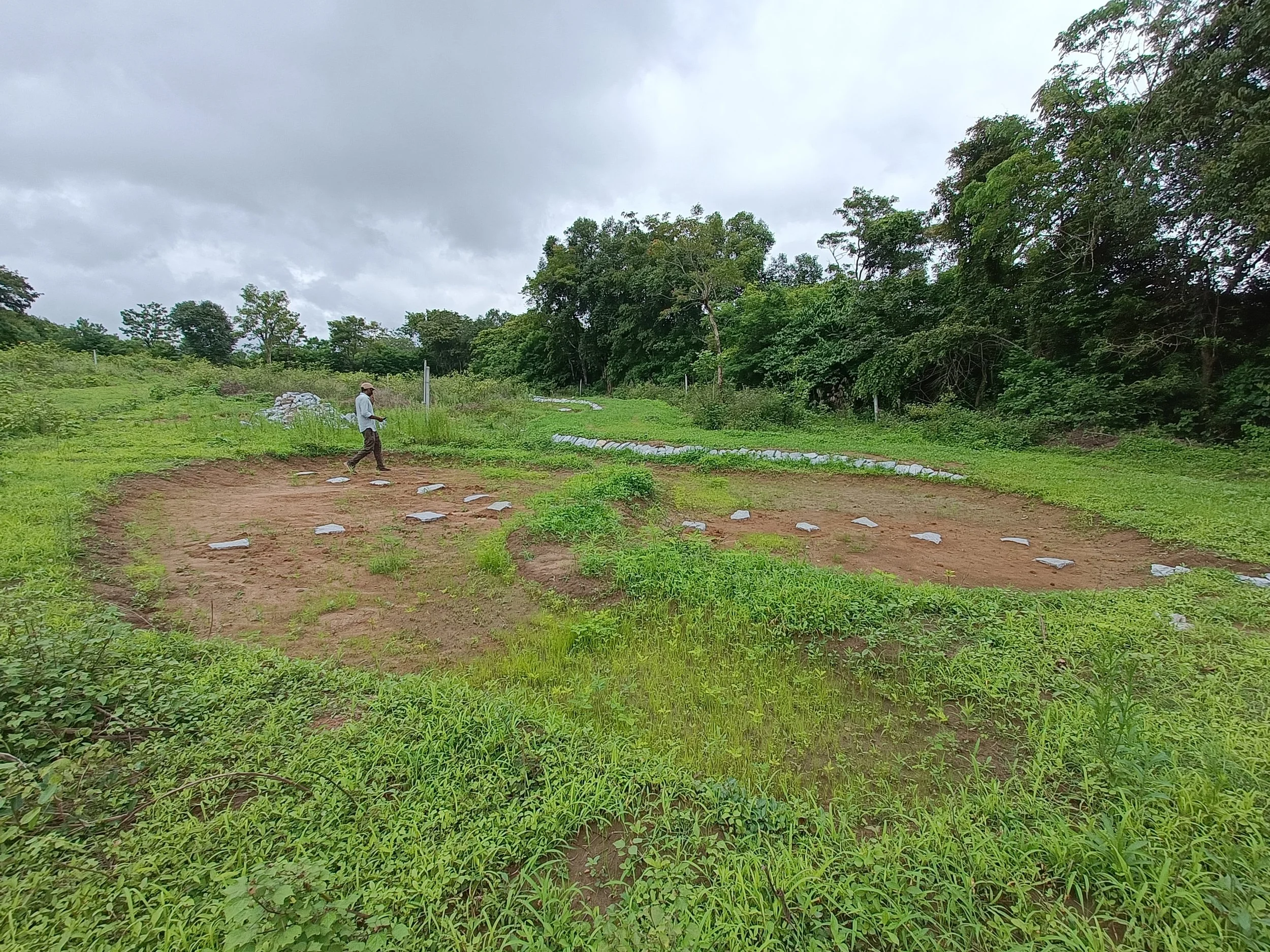
Basins 4 and 5 during monsoons
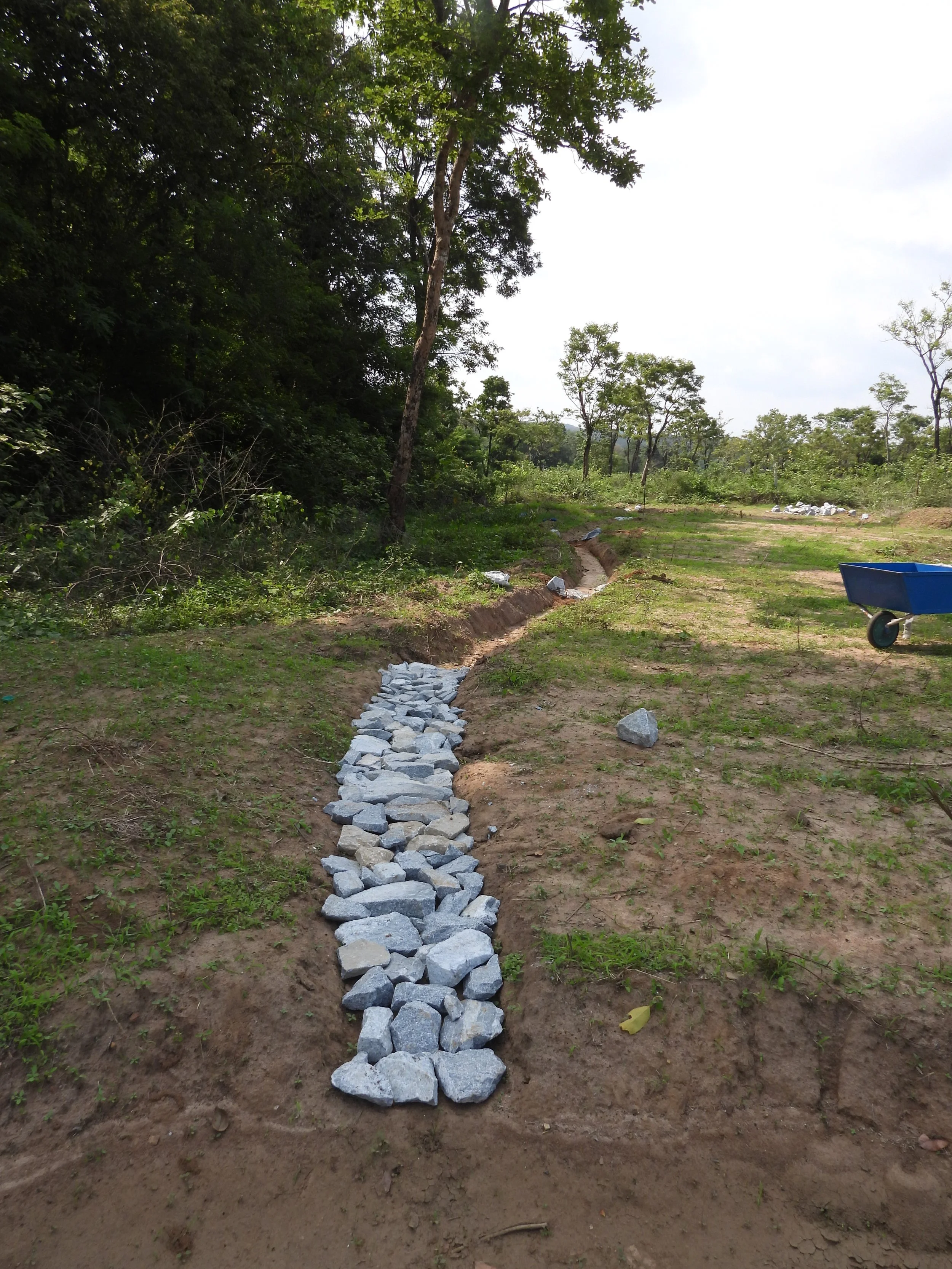
Outlet from Basin 5
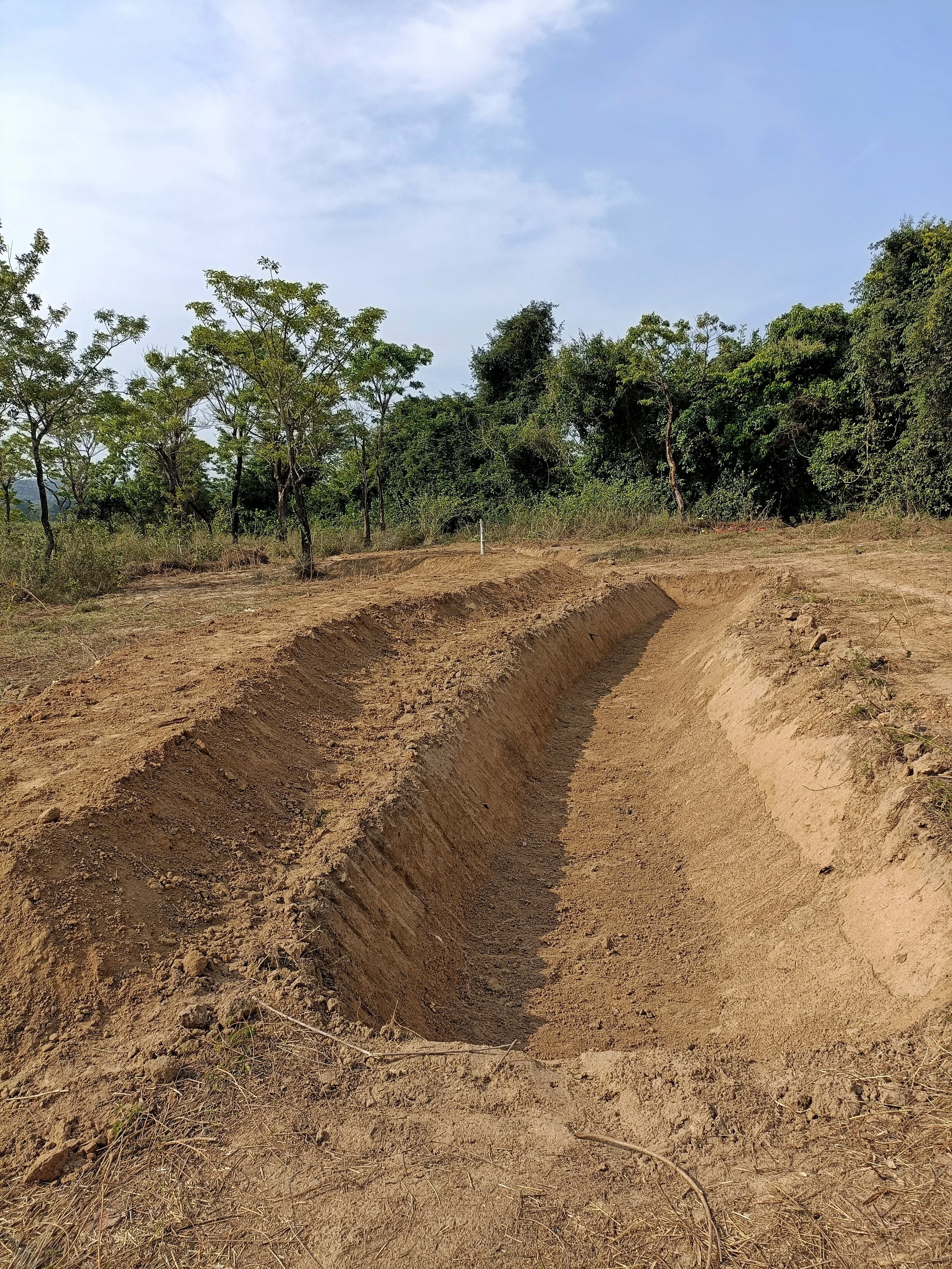
Swale
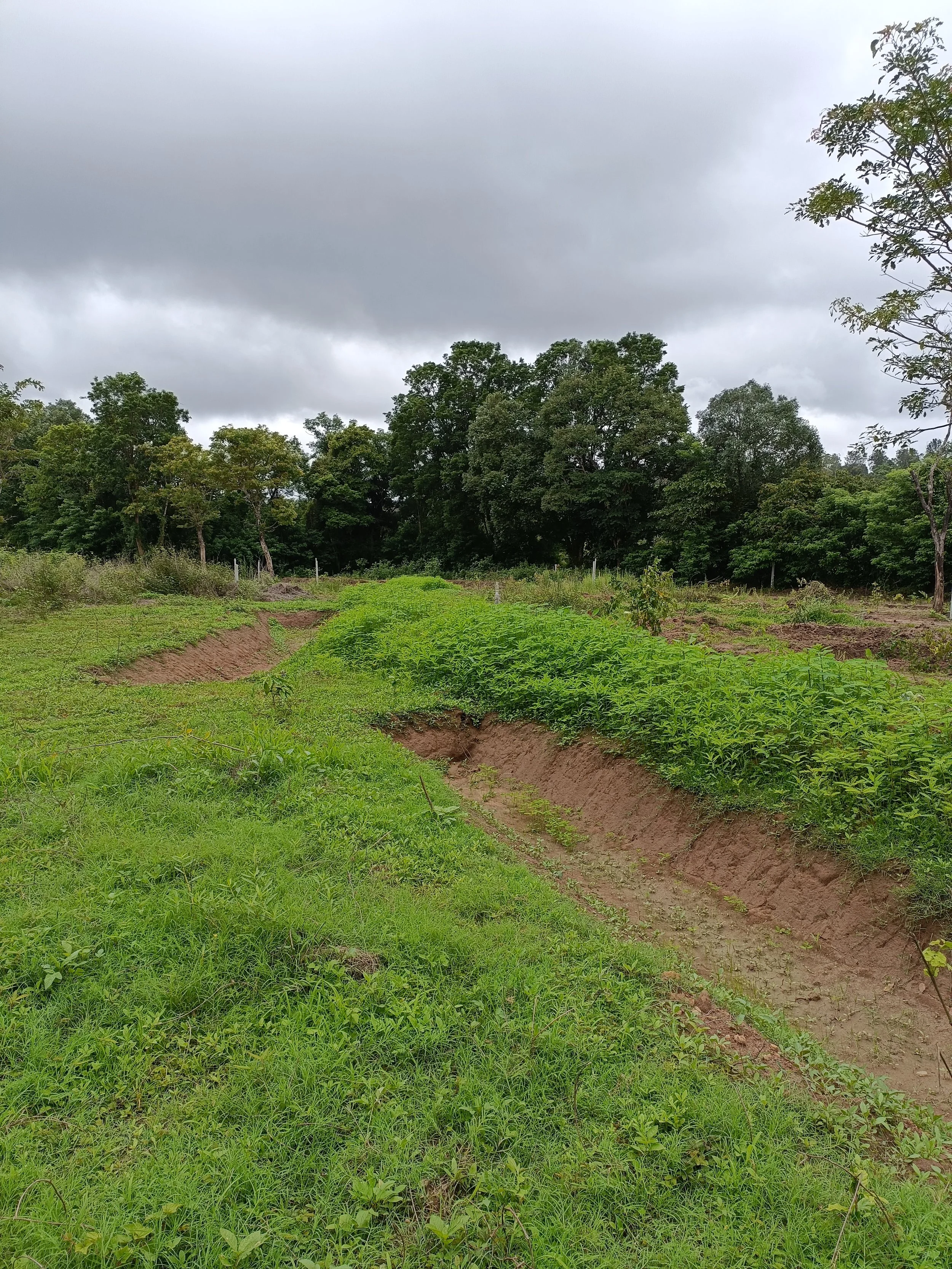
Swale post-monsoon
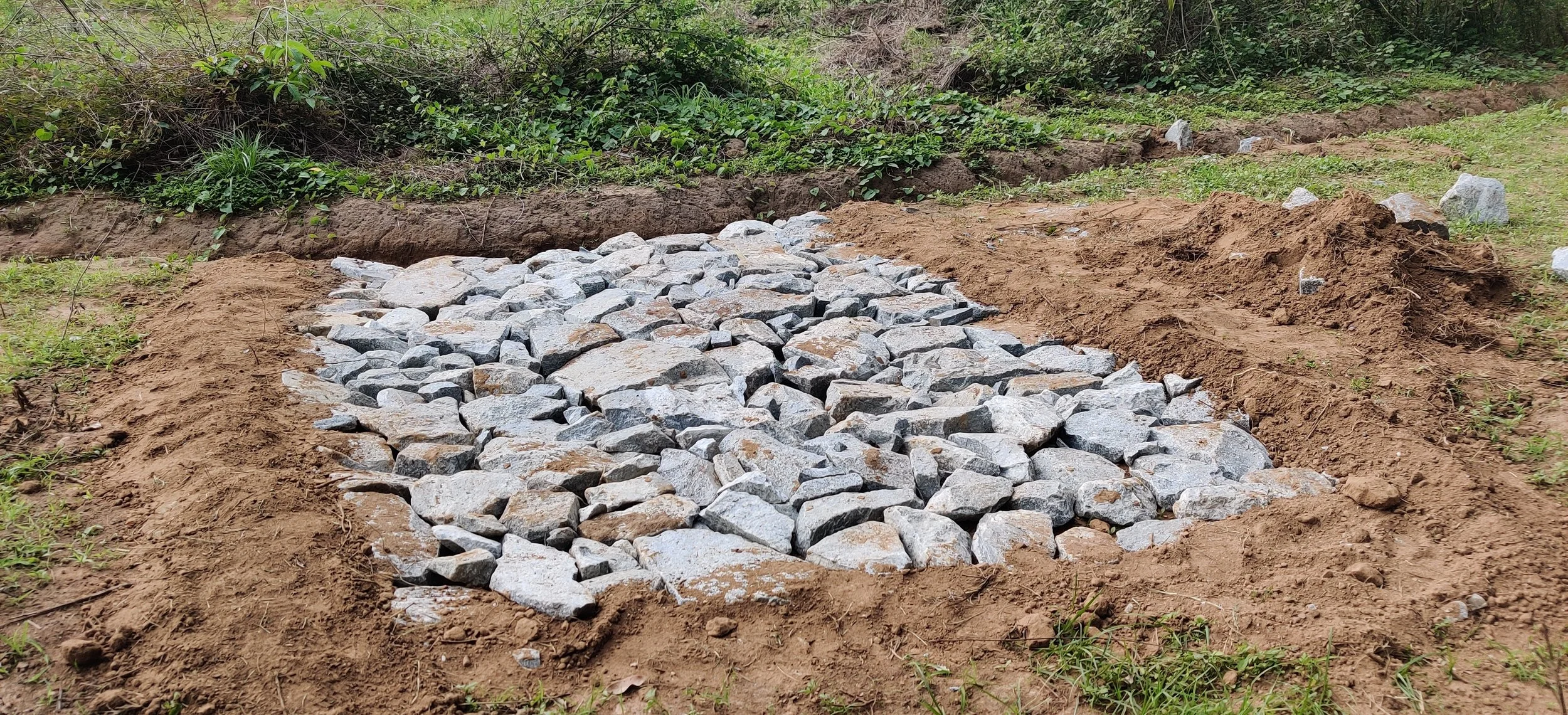
Causeway
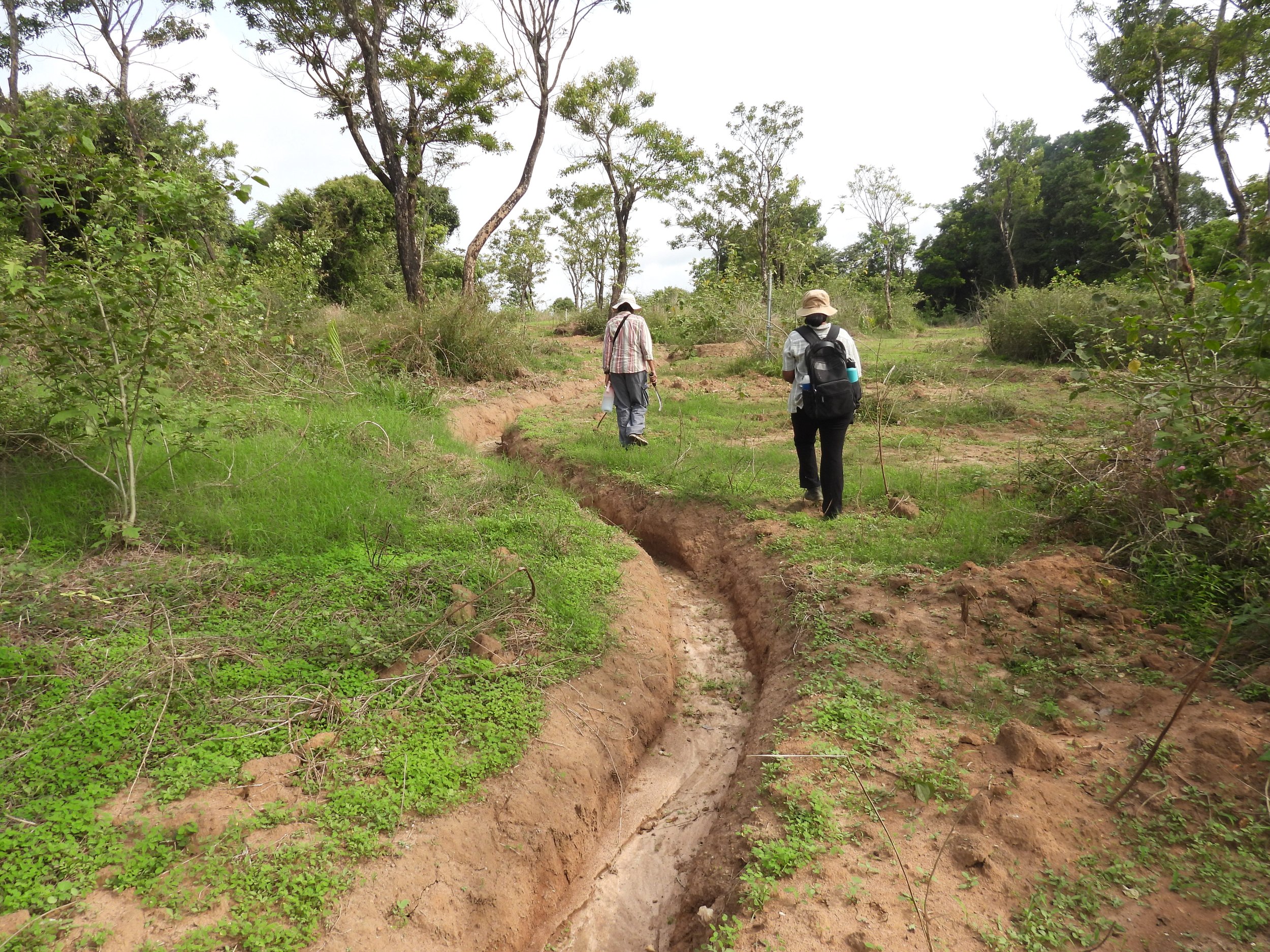
Overflow channel connecting earthworks
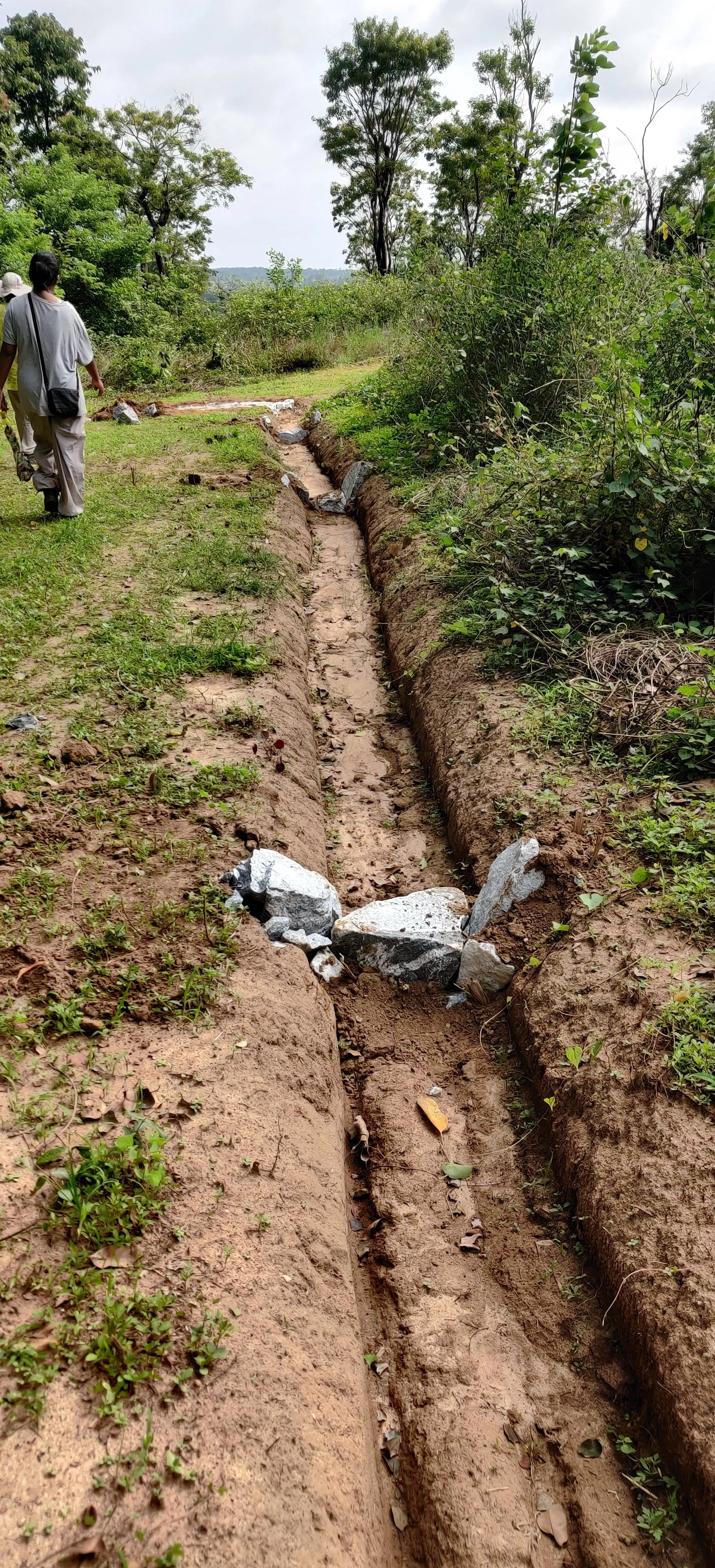
Gully plugs
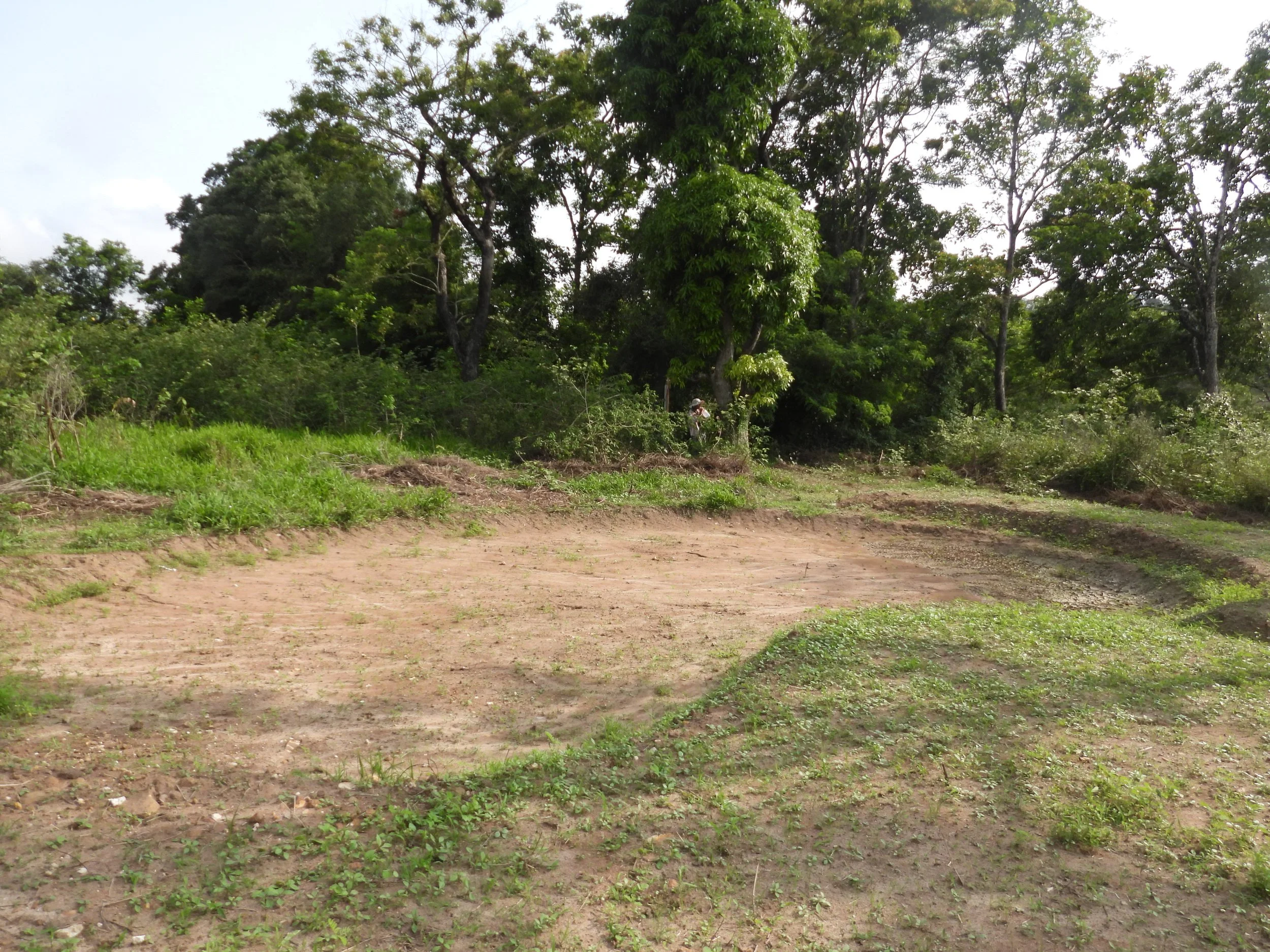
Basin 7
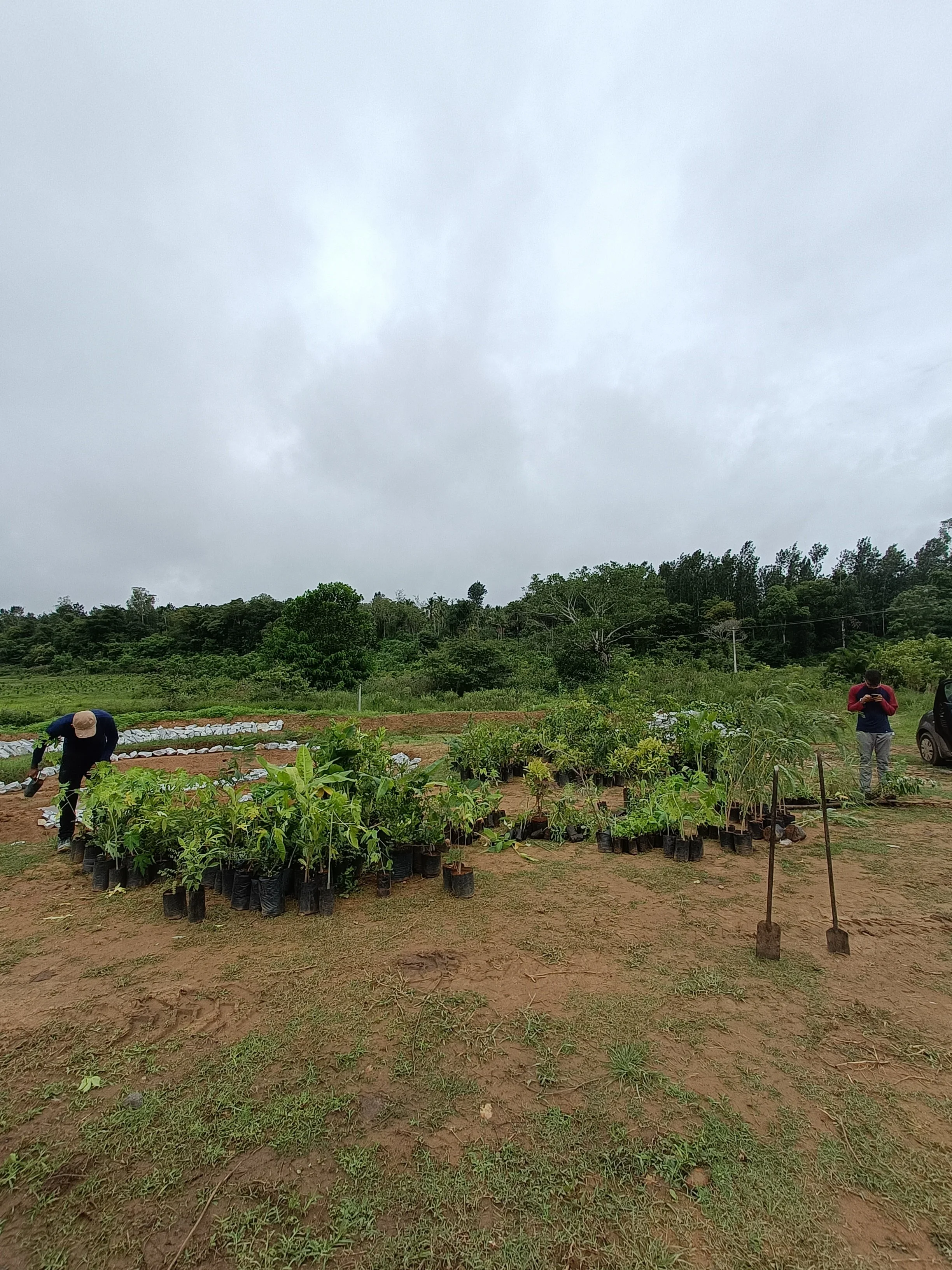
Sorting plants before planting
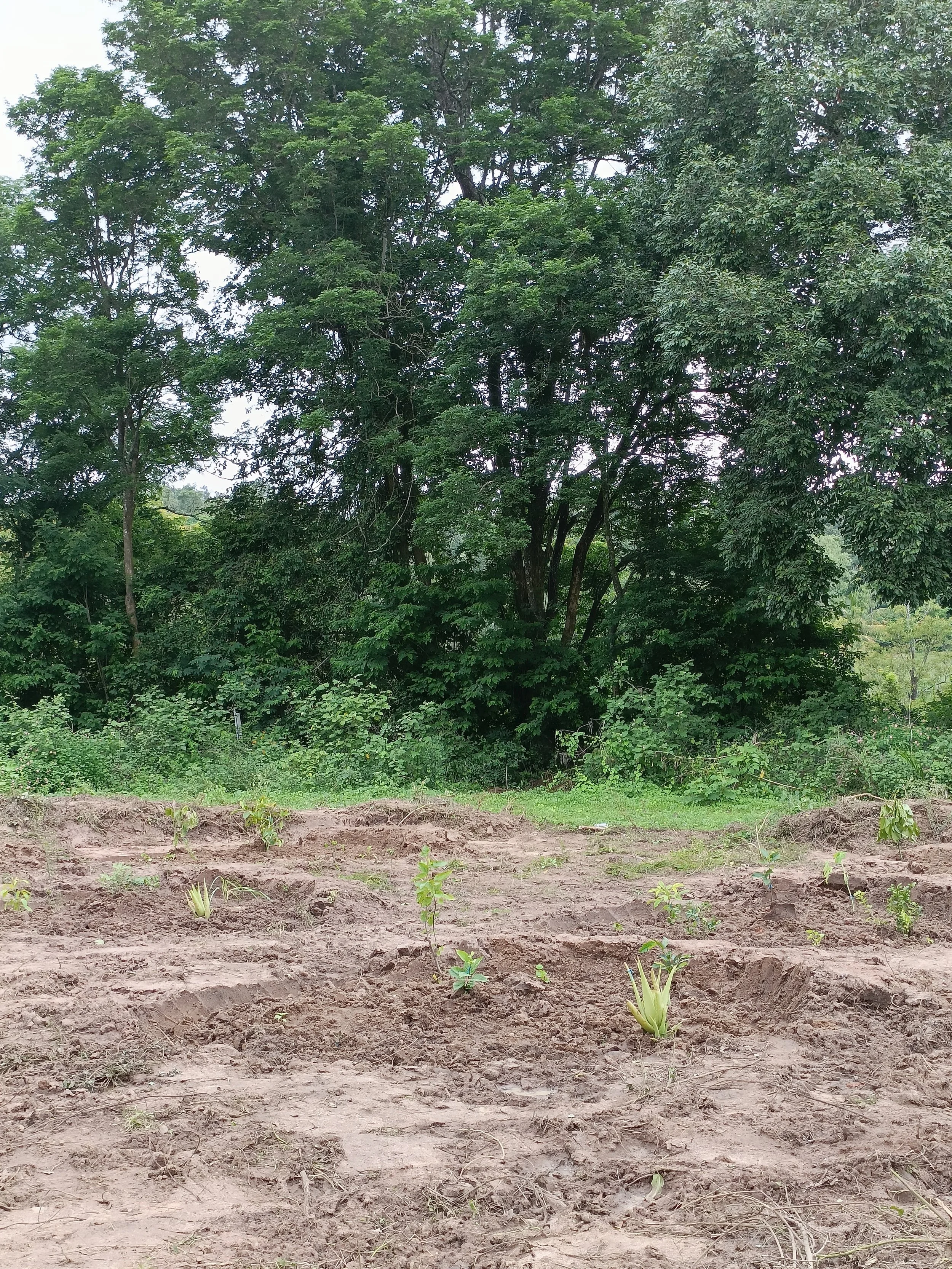
Forest garden guilds
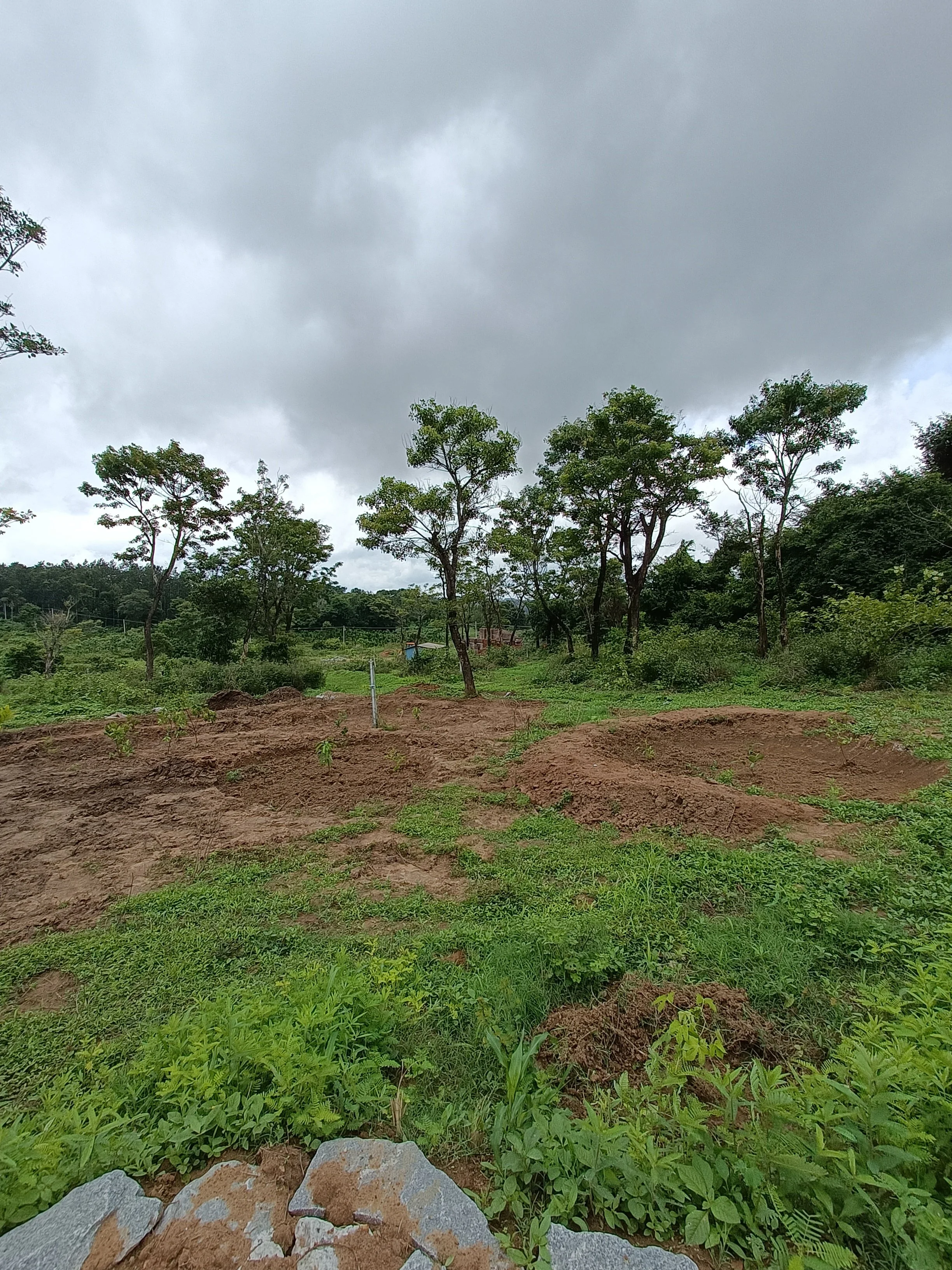
Forest garden guilds
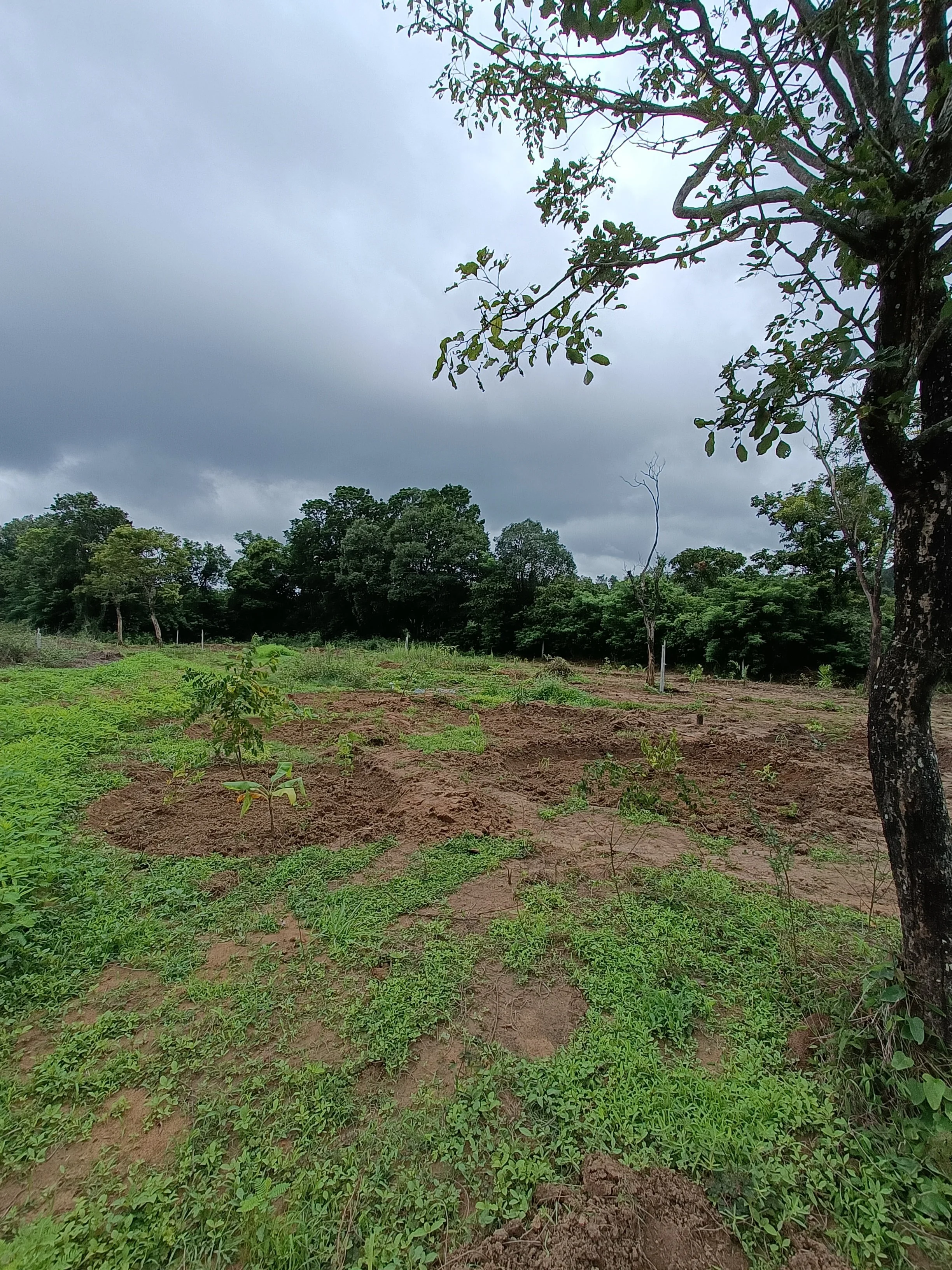
Forest garden guilds
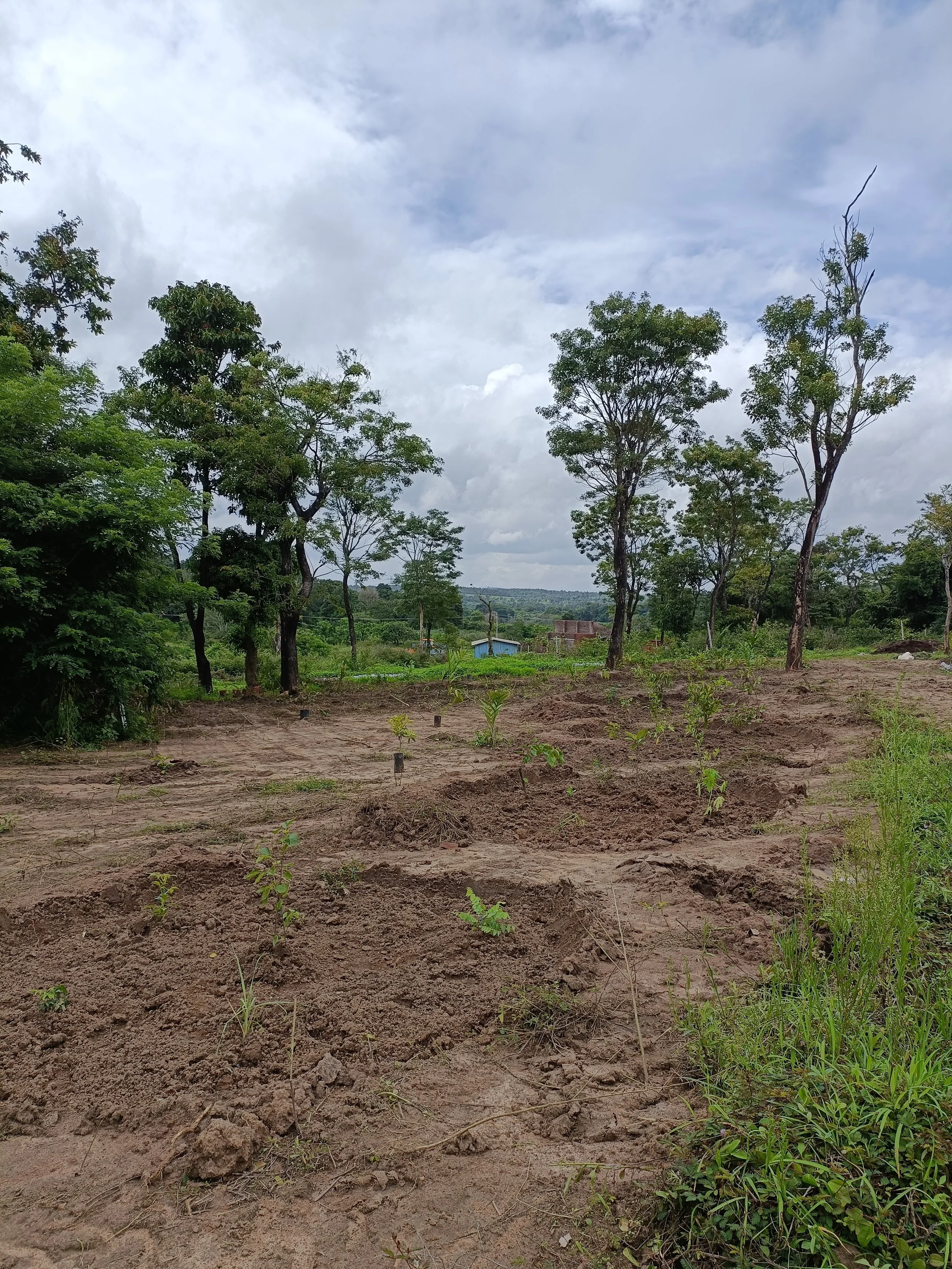
Forest garden guilds
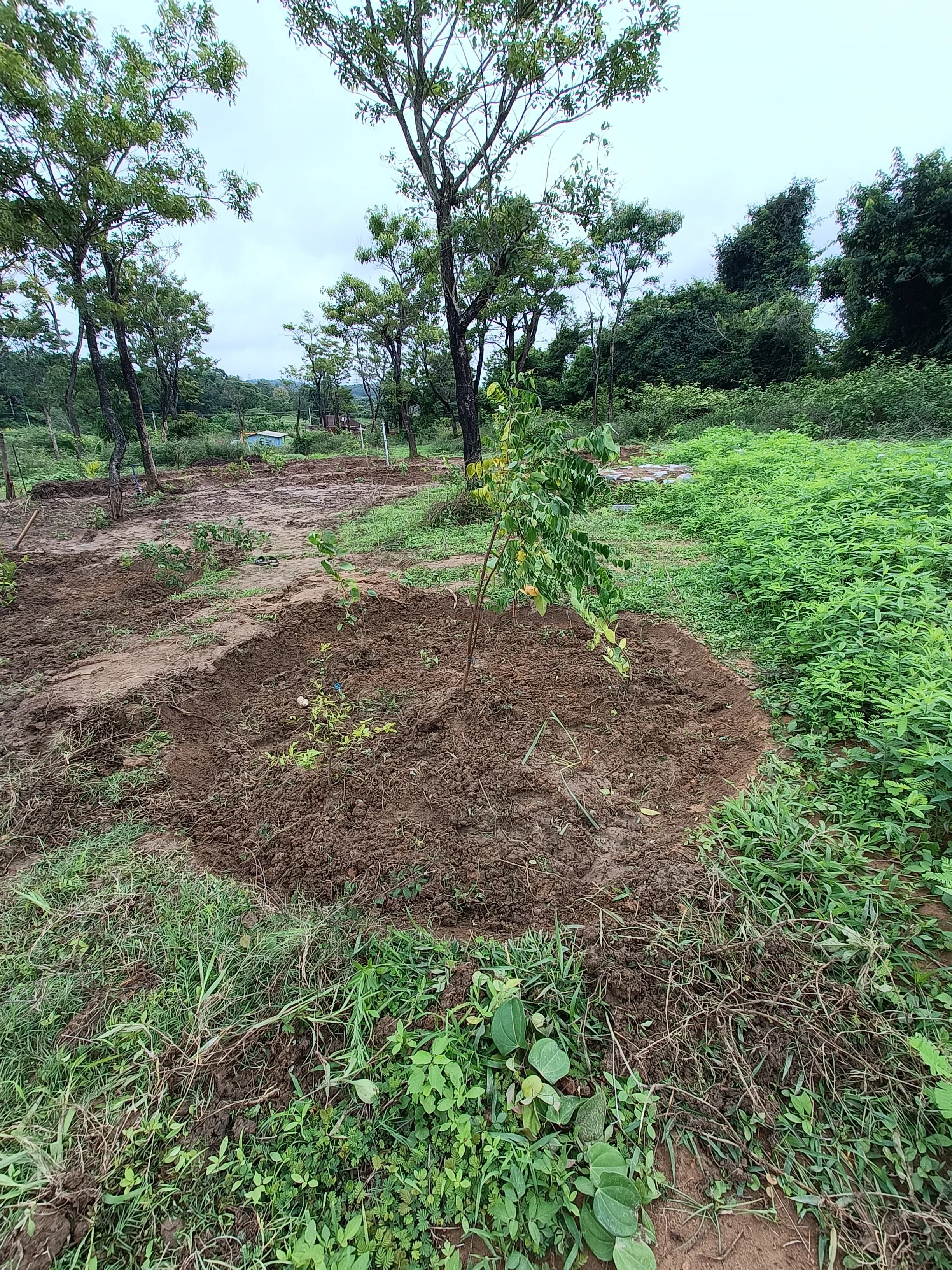
Forest garden guild
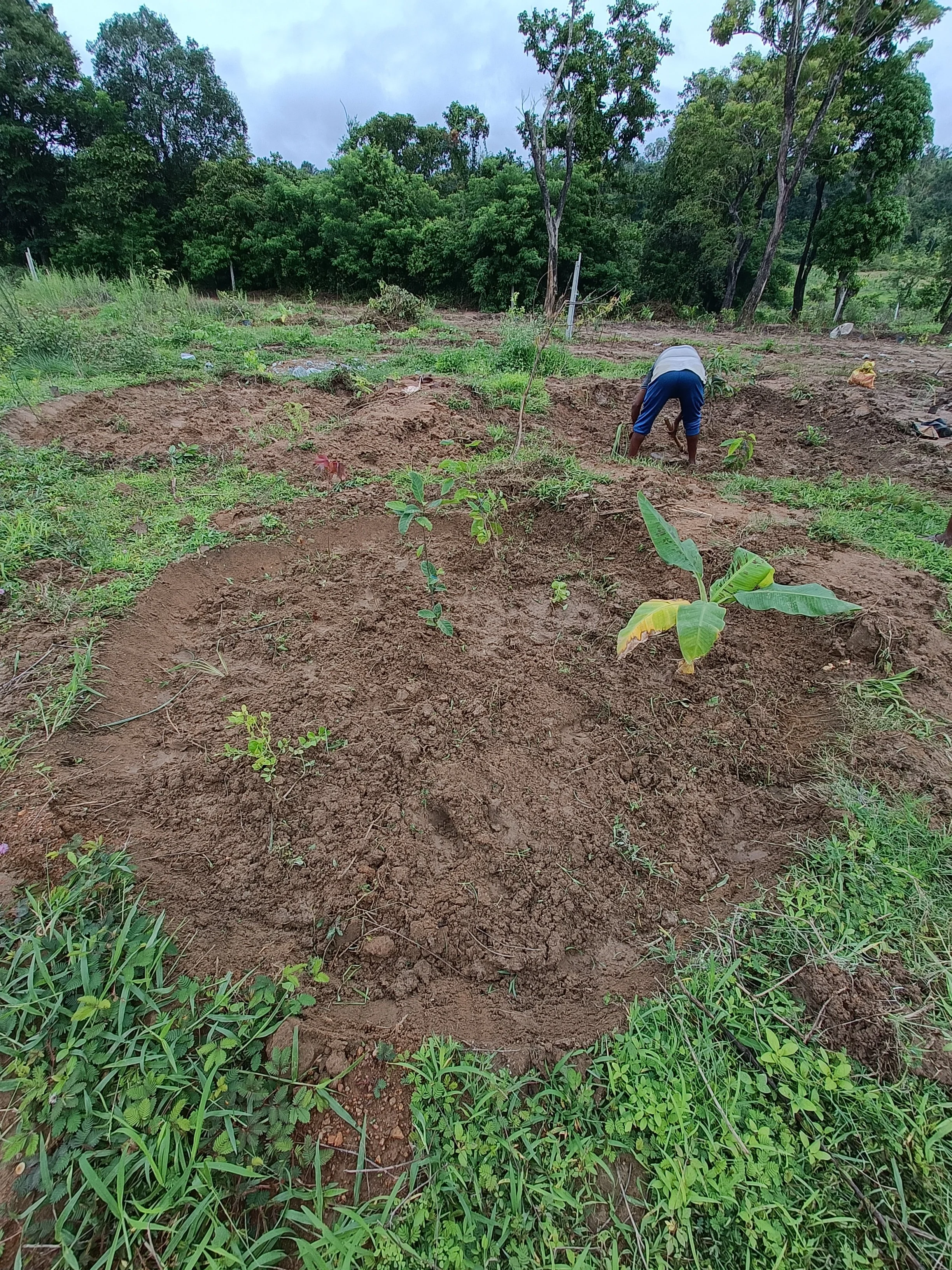
Forest garden guilds
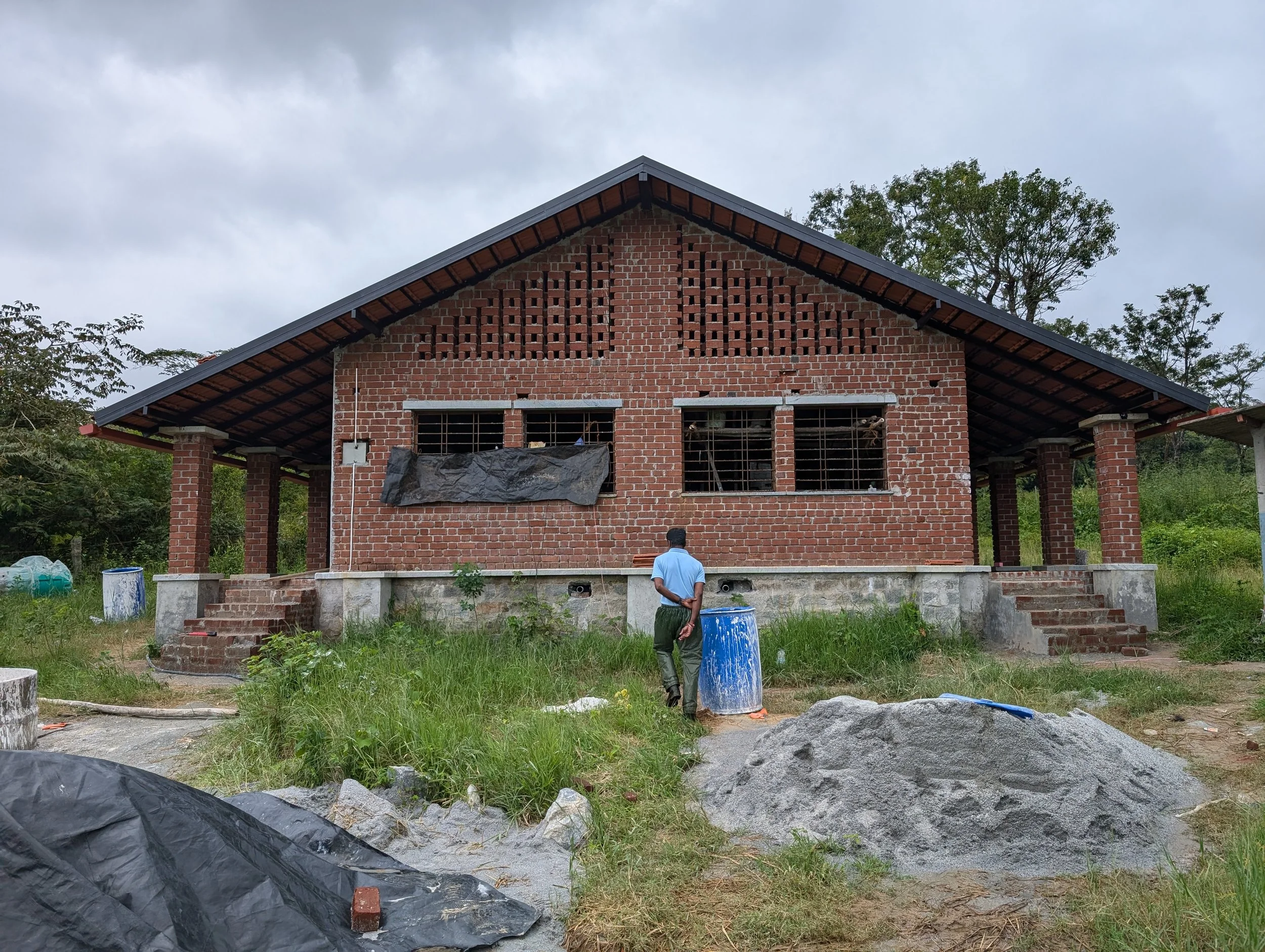
Twin staff quarters (designed and constructed by Ananas)