

Kipepeo Forest Farm
Project size: 1.26 acres
Agalakottai, Tamil Nadu, India
March 2023 - November 2023
Key features: Regenerative design, wild zone, food forest, earthworks, species diversification
Elevation: 1030 metres above sea level
Annual rainfall: 822 mm / 32 inches
Climate: Tropical Savana
Bioregion: Southern Tropical Mixed Deciduous Forests / Dry Evergreen Forests
Soil type: Sandy Clay Loam, Loamy Sand
Masterplan / Design
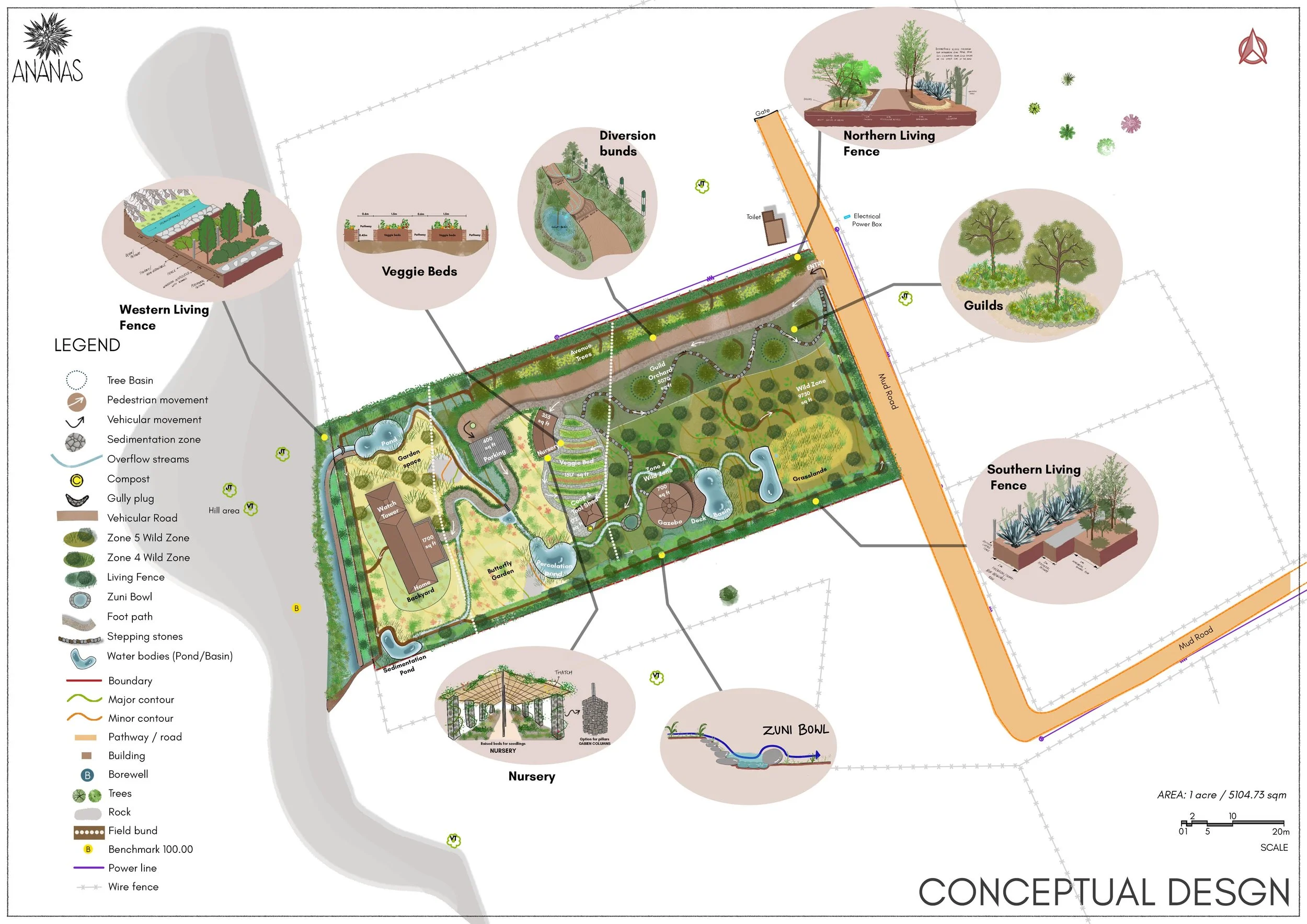
This 1.26-acre site is nestled between a rock outcrop and community pond in close proximity to Jowlagiri Reserve Forest, making it an elephant corridor. The abutting rock outcrop slopes into the land bringing a high volume of water that runs off the land and flows into the neighboring pond.
The clients prioritized the preservation of the land and therefore the project vision focused on active restoration of floral biodiversity, regenerative agroforestry, and integrated water management. The vision was brought to life by strategizing the slowing down and infiltration of water from the rock outcrop through ponds, basins and bioswale. The focus for planting was to create a robust native living fence for privacy as well as a barrier that supports life, introduce native species based on the detail study of the bioregion, and to create layered planting systems through Food Forest guilds to introduce edible species that the clients can rely on.
Since the land supported a microhabitat for grasses, an area was left untouched for natural regeneration of grassland species.
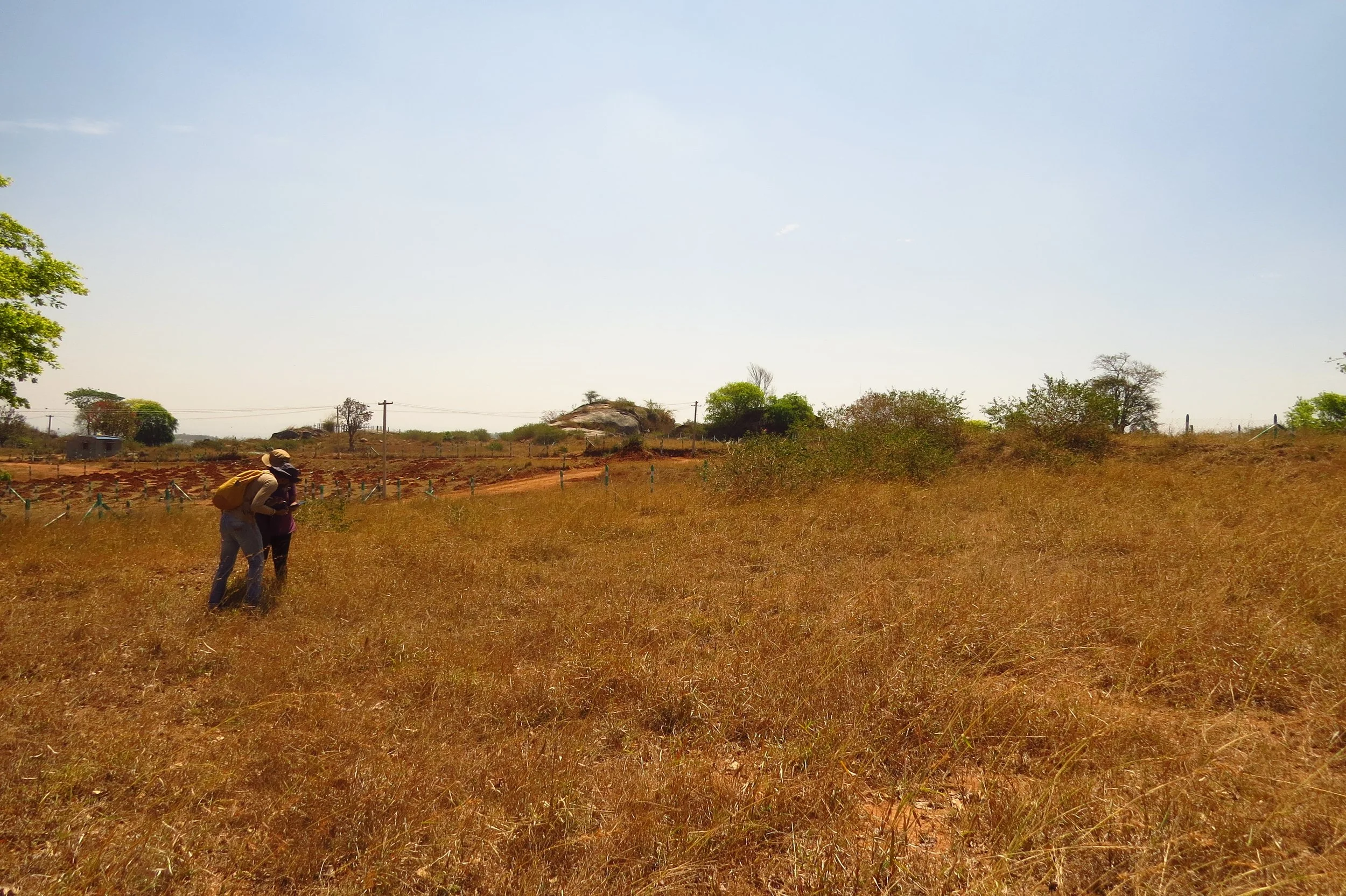
View of site in March
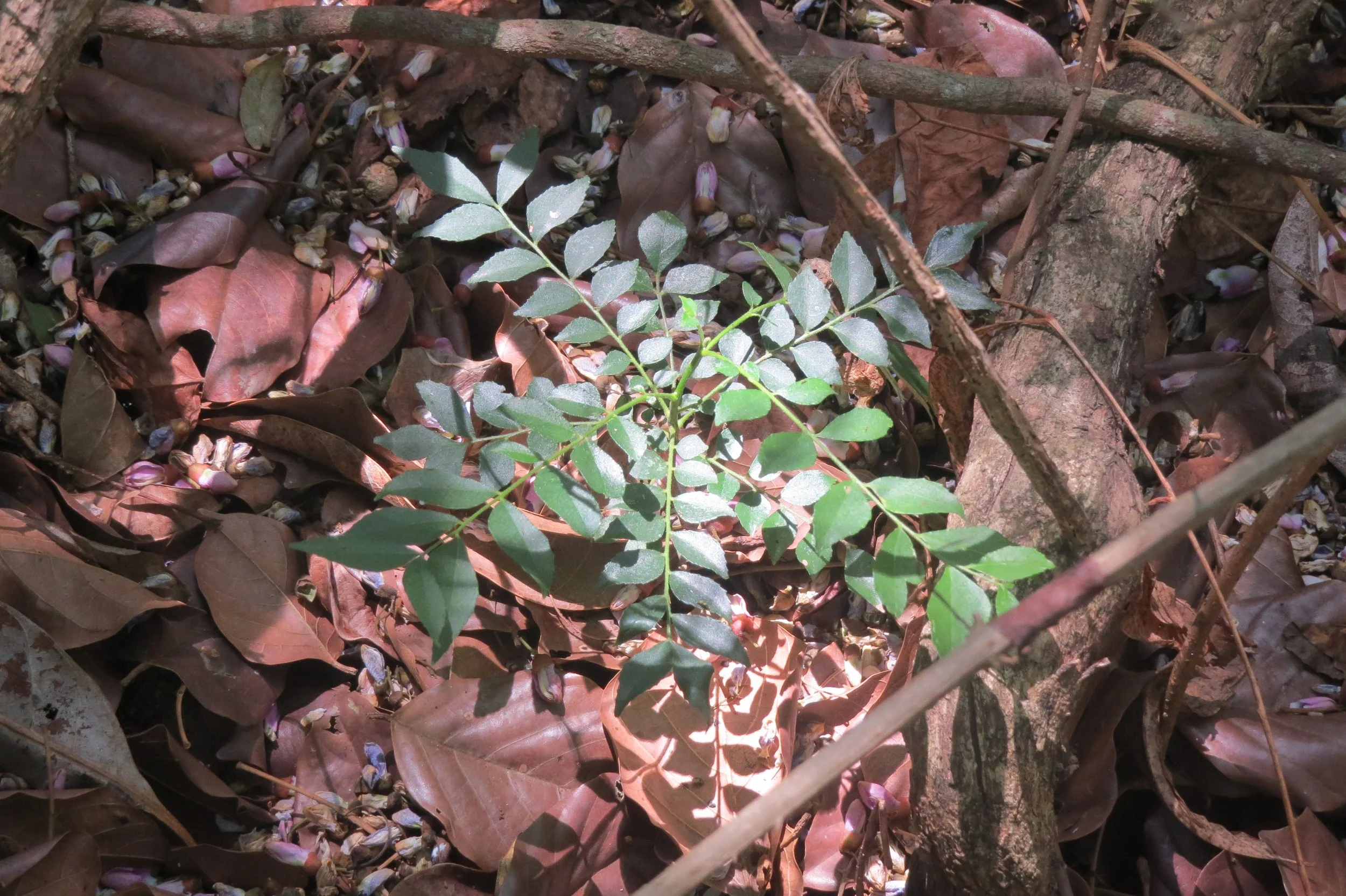
Murraya Koenigii (Curry Tree)
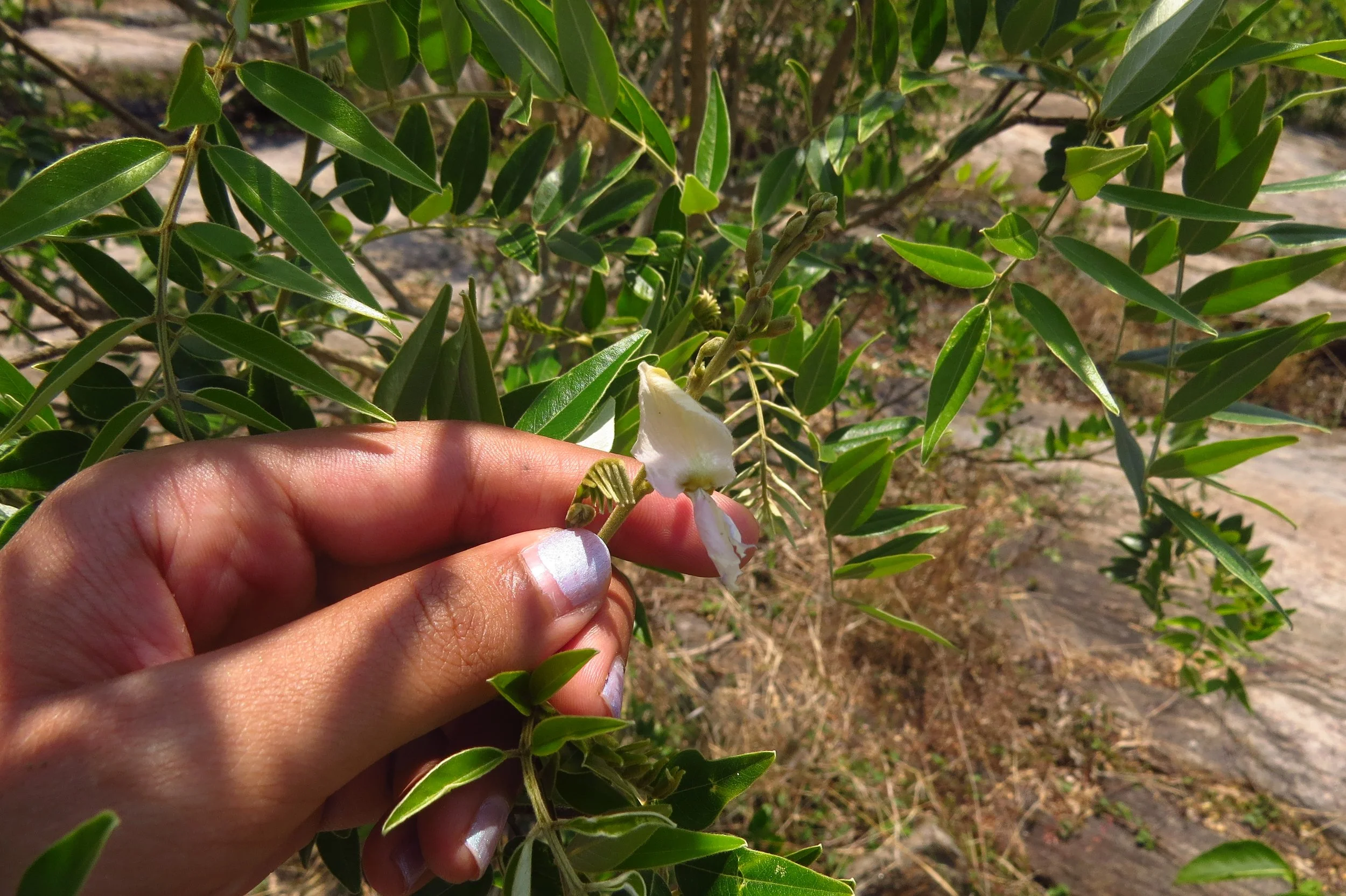
Mundulea sericea (Cork bush)
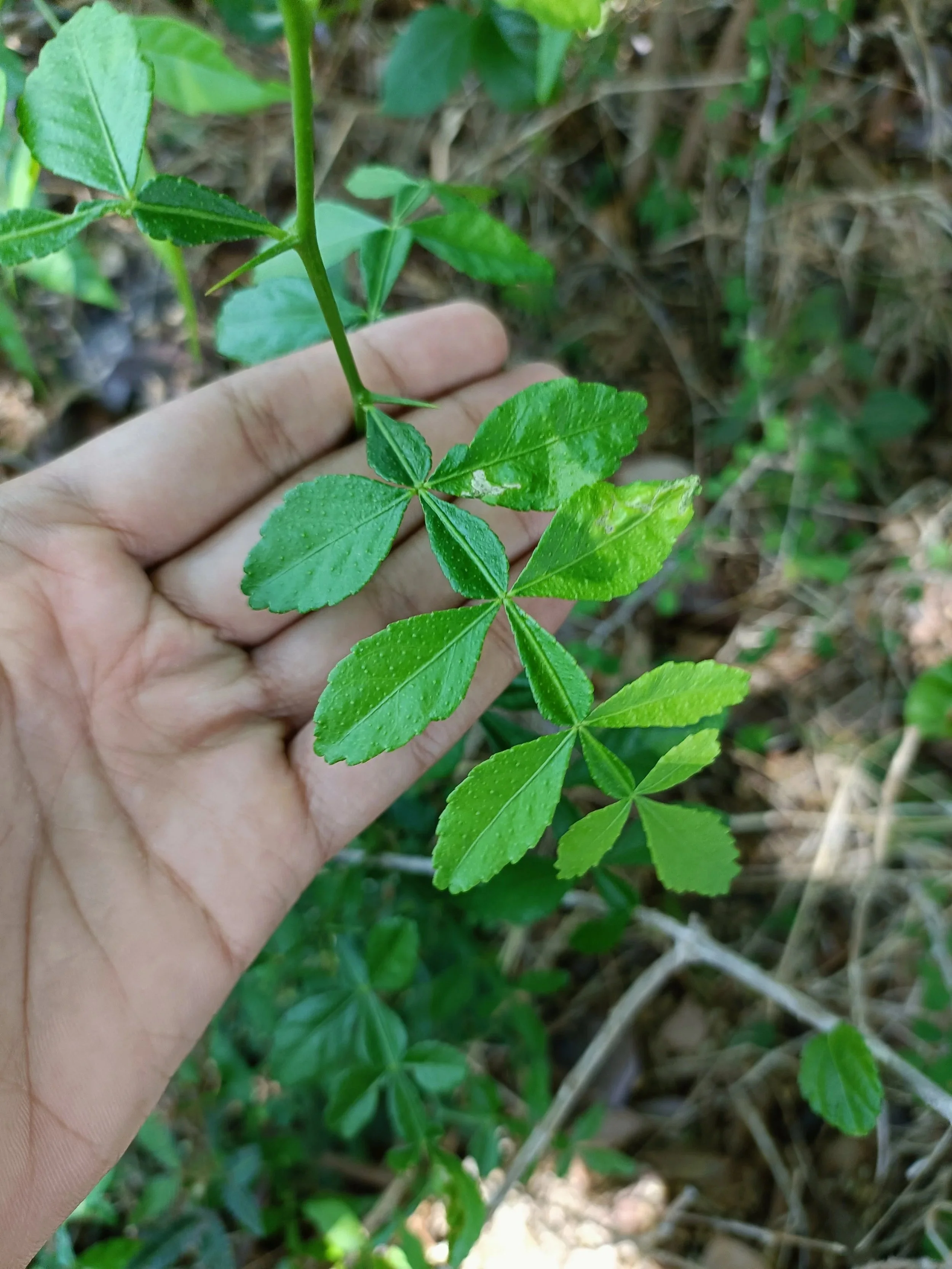
Naringi crenulata (Tooth - Lead Limonia)
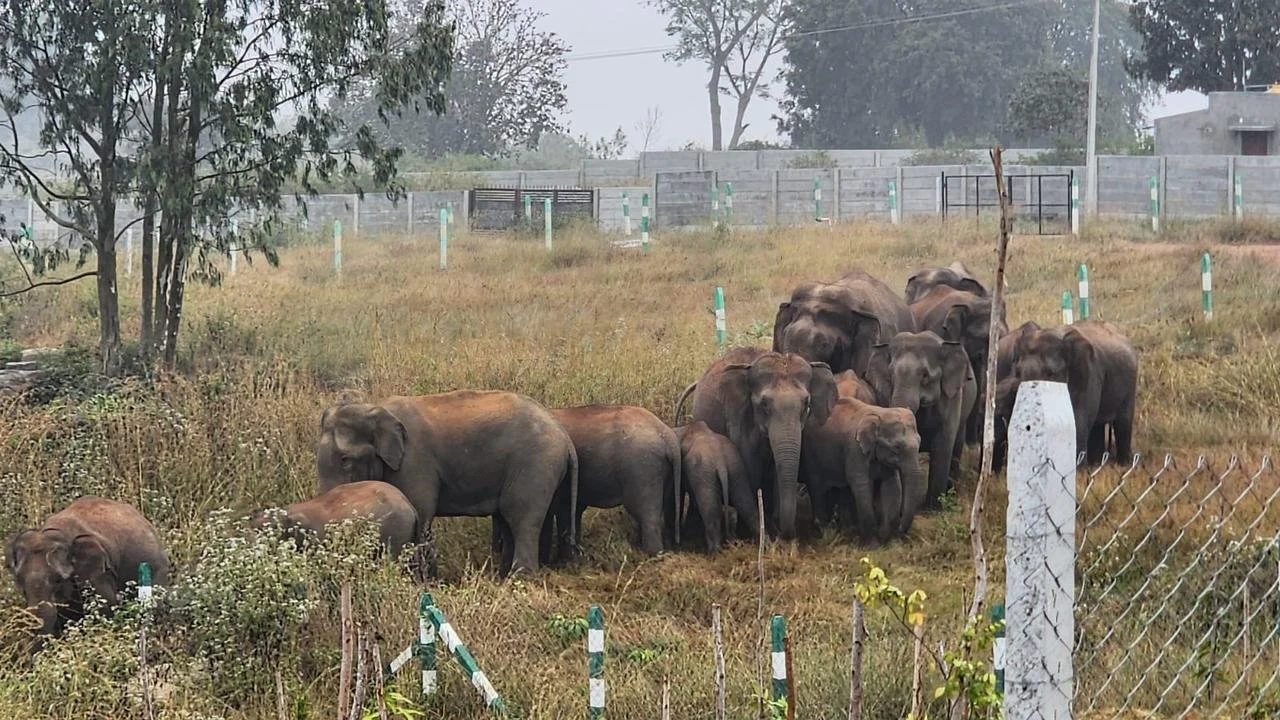
Site is an elephant corridor
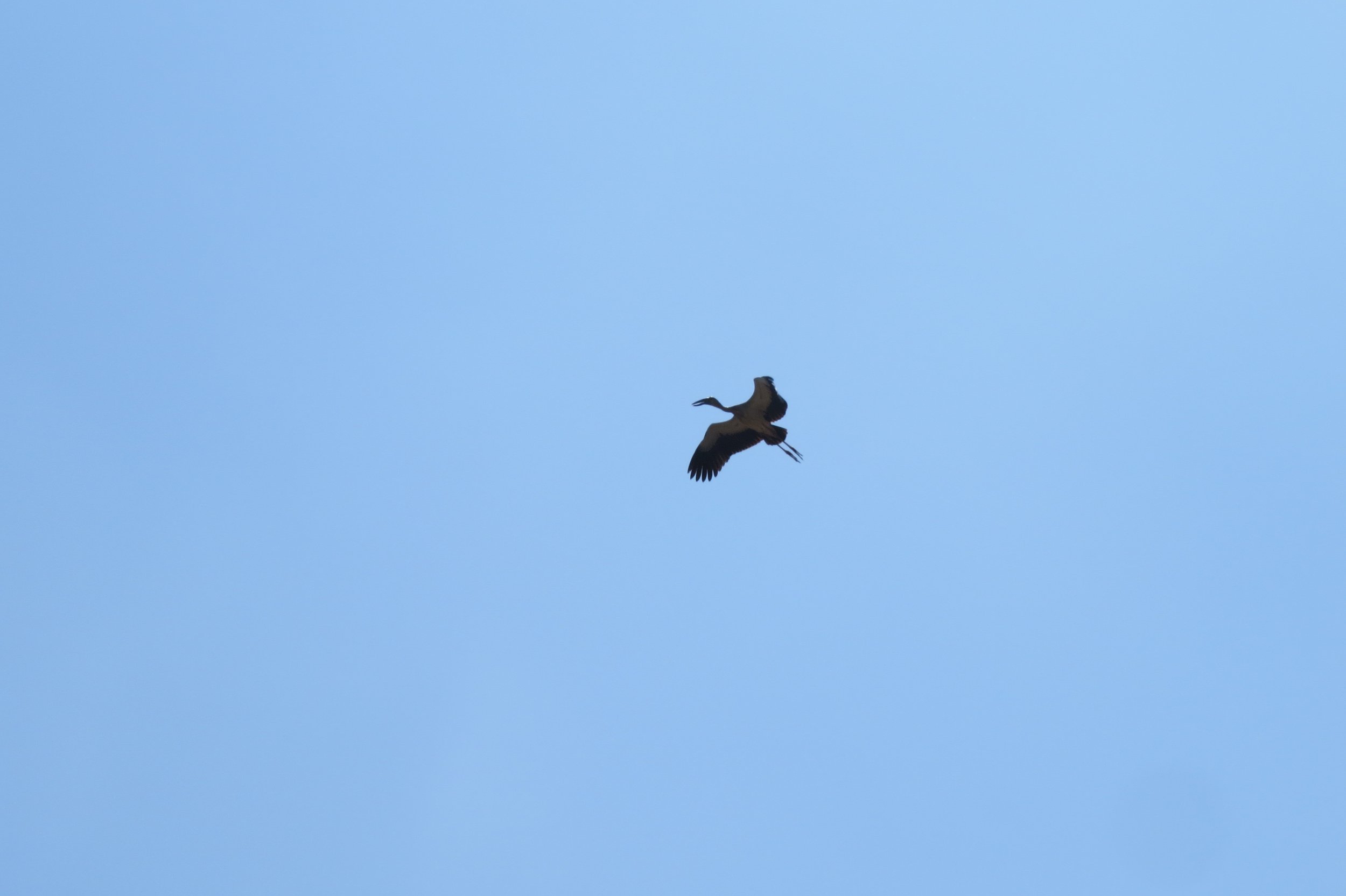
Asian open billed stork
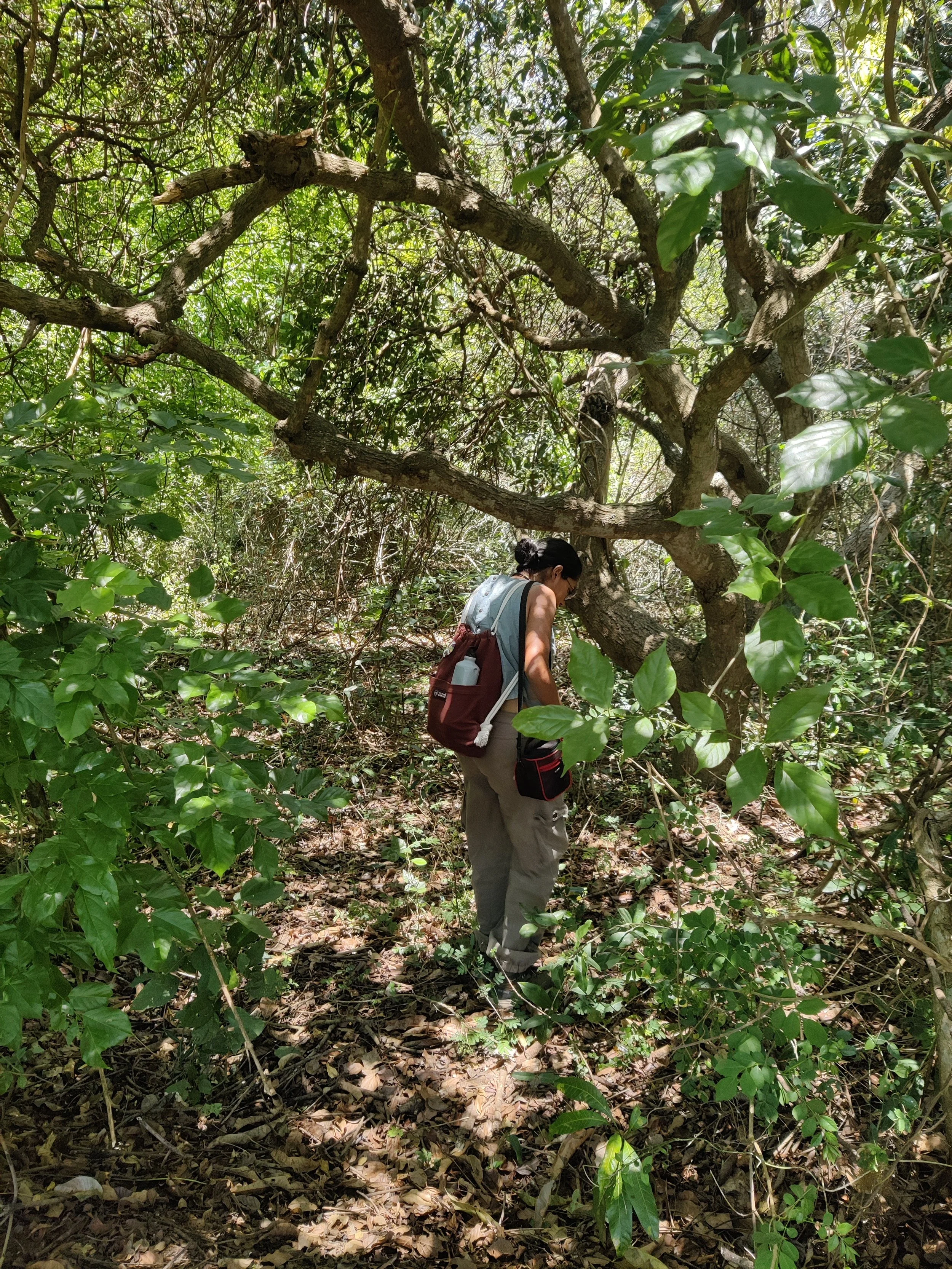
Reference ecosystem
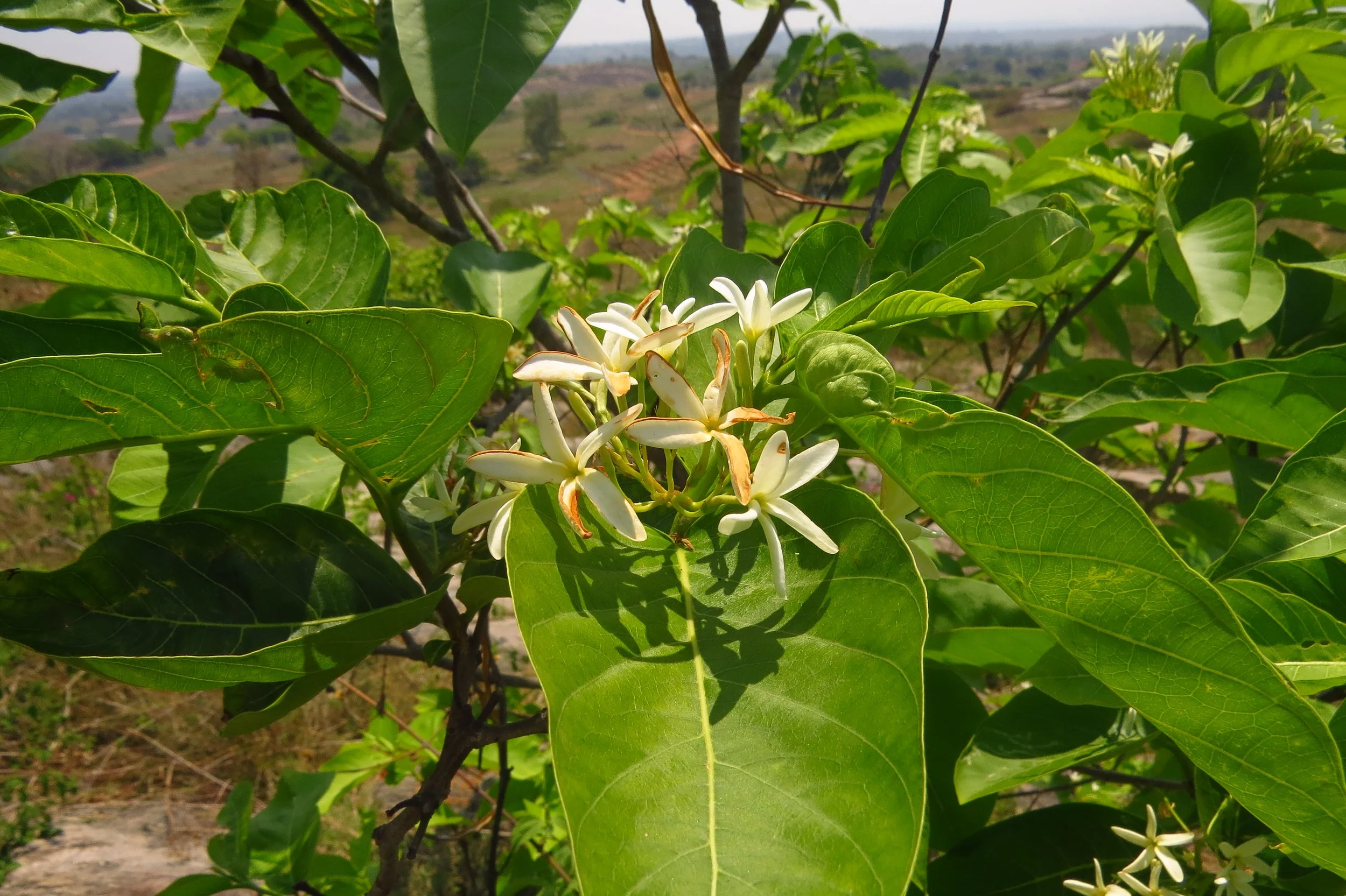
Wrightia tinctoria (dyer's oleander)
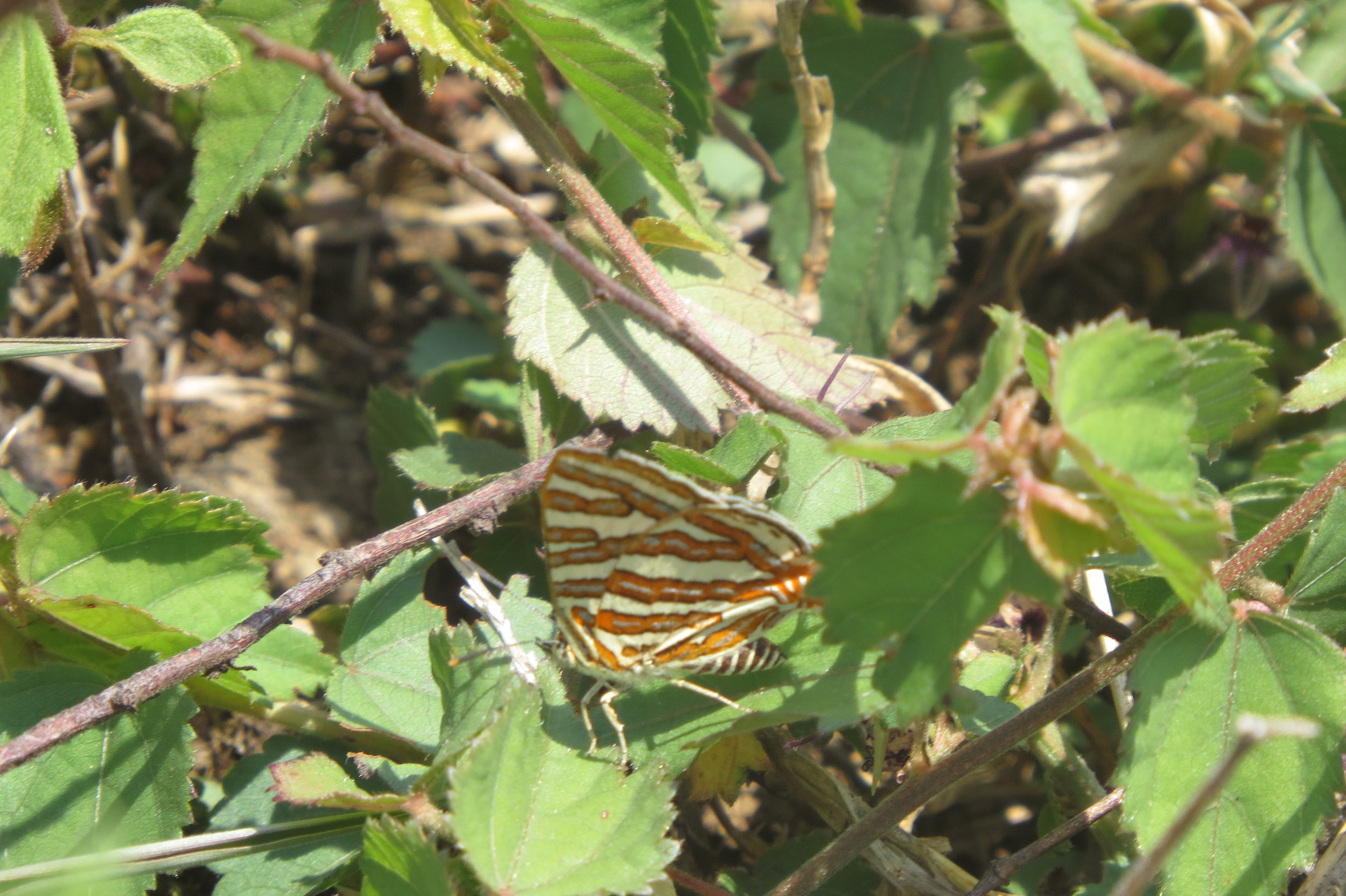
Cigaritis sp.
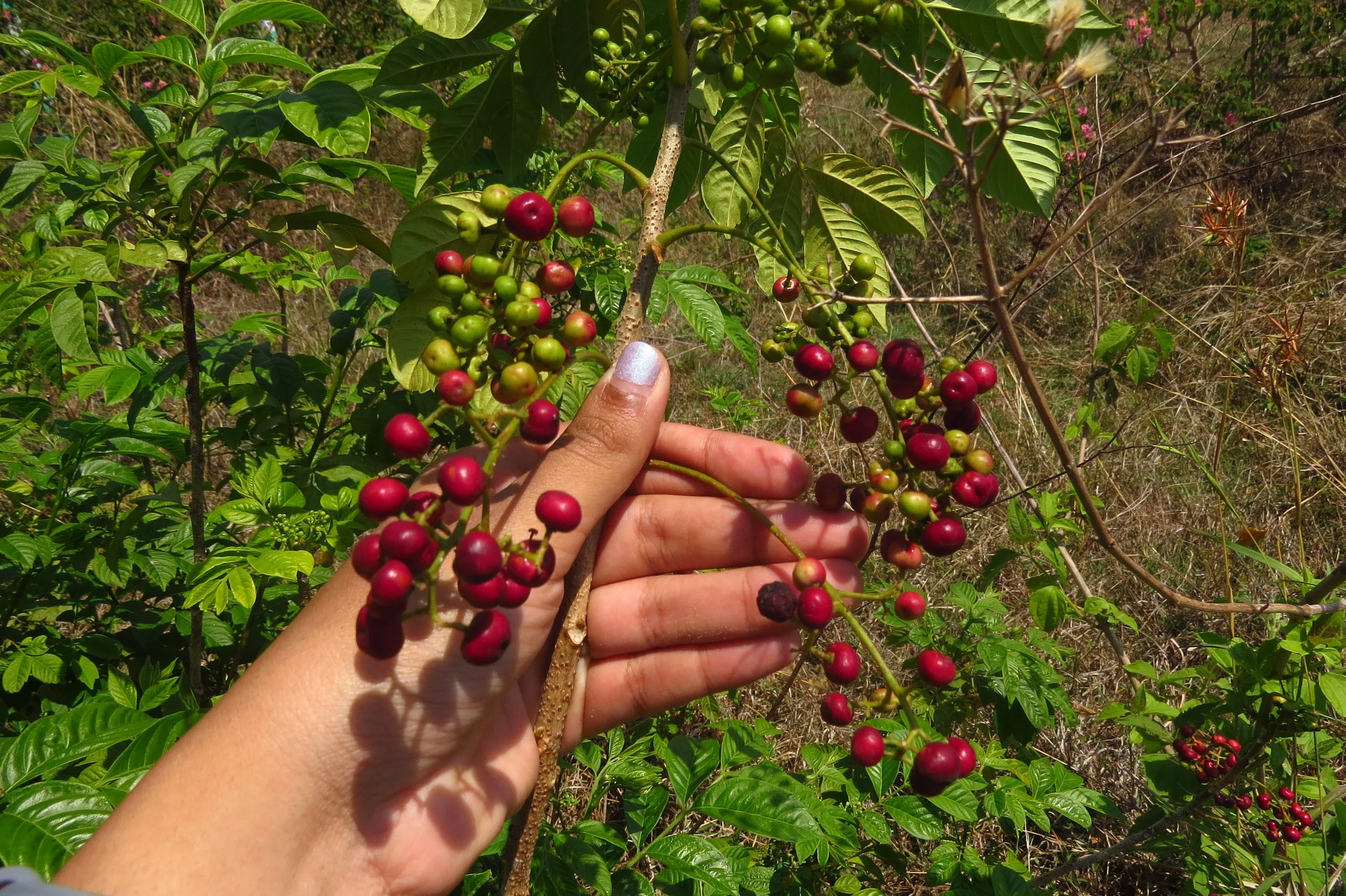
Cipadessa baccifera (Oriental purpleberry)
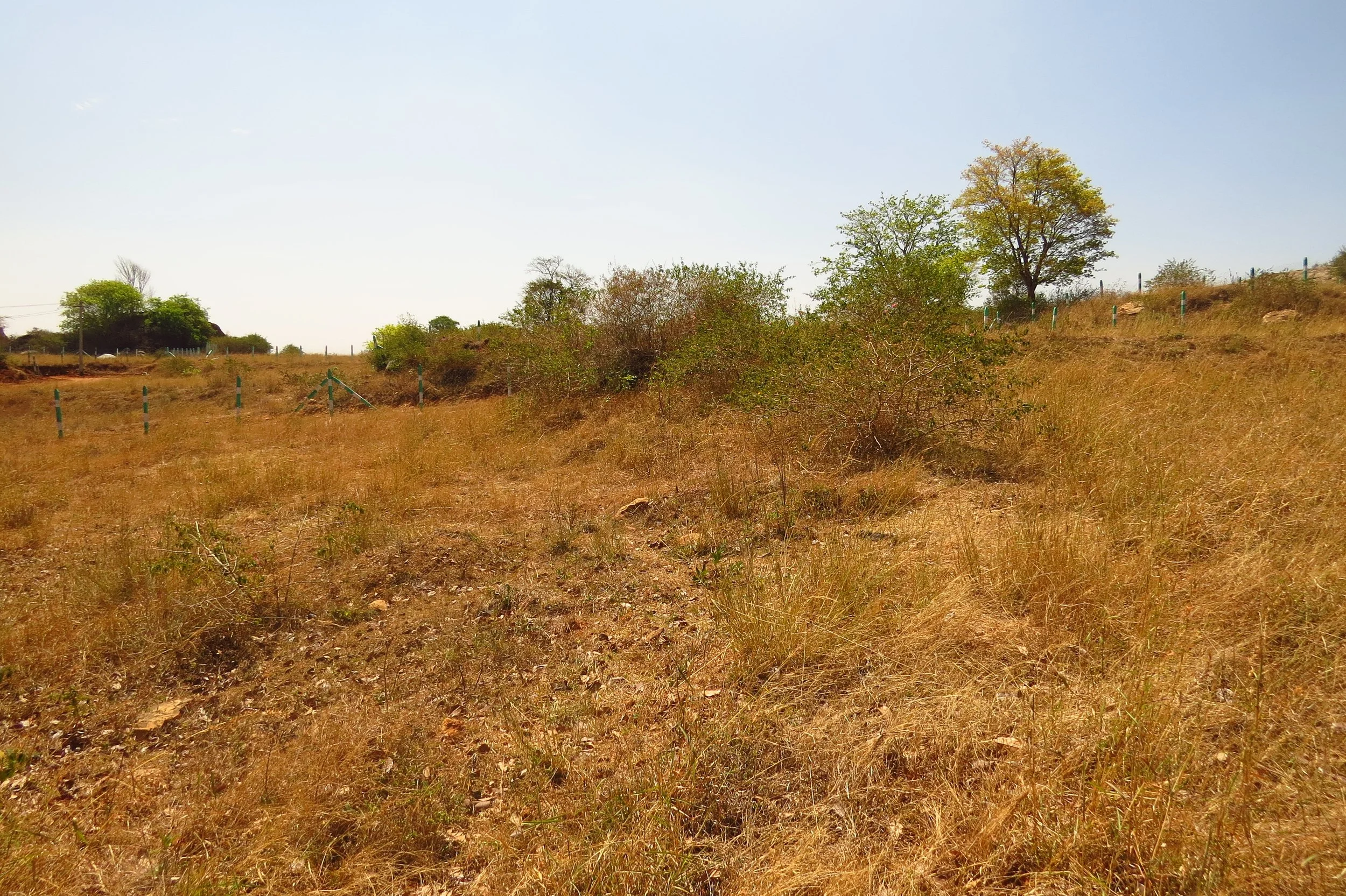
Site View in March
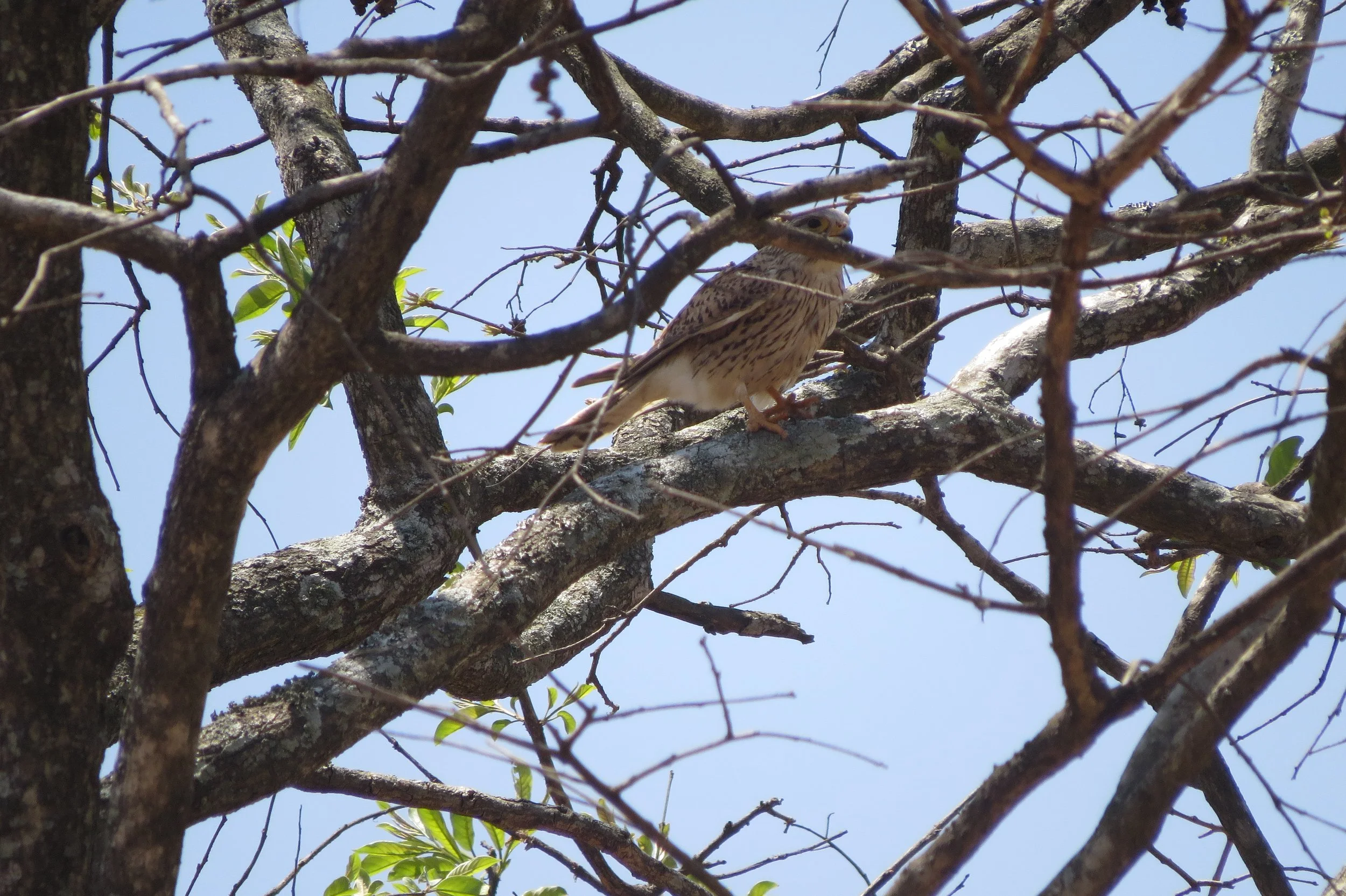
Tachyspiza virgata (Besra)
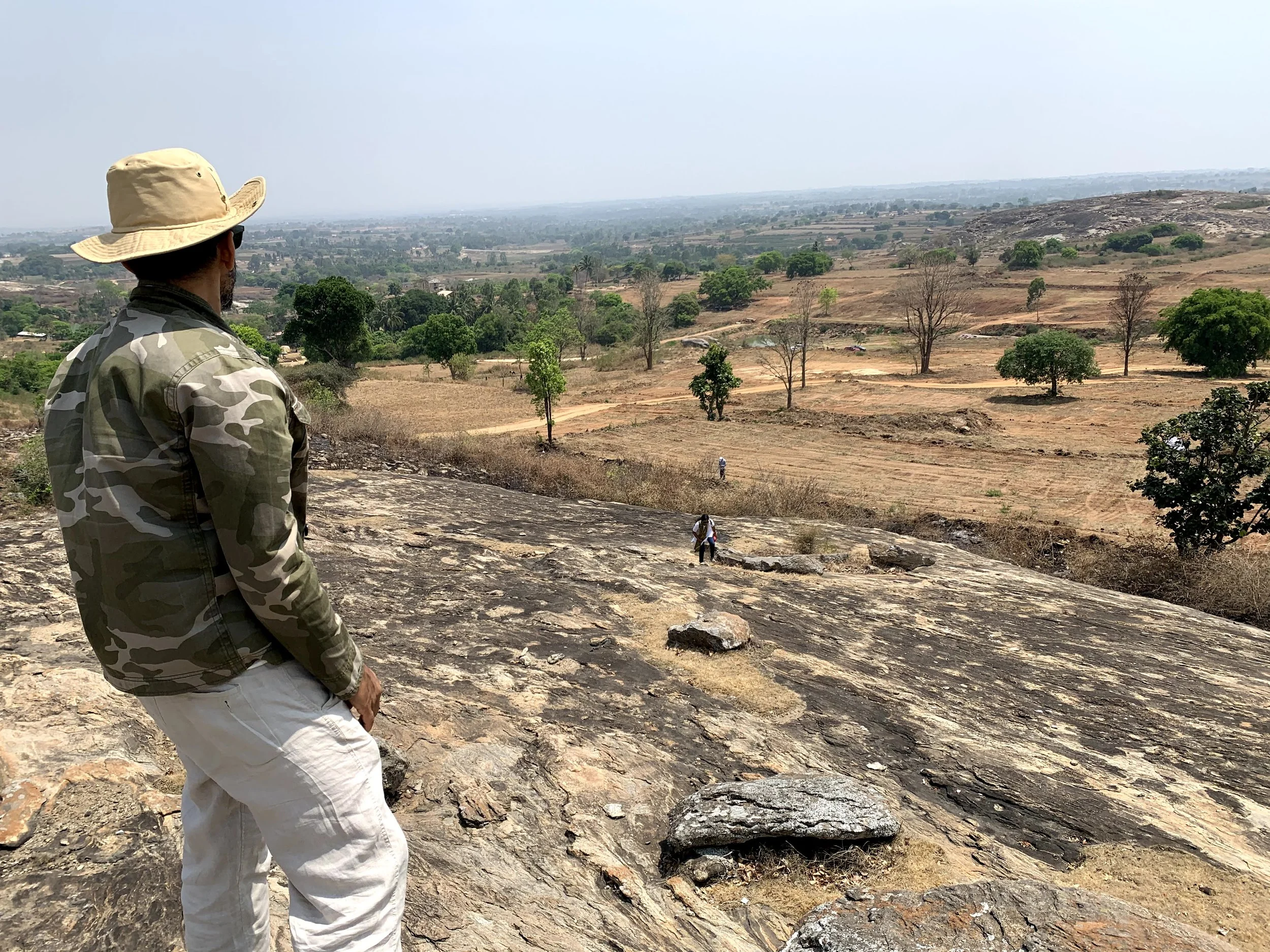
Site view from rock outcrop (Photo by client)
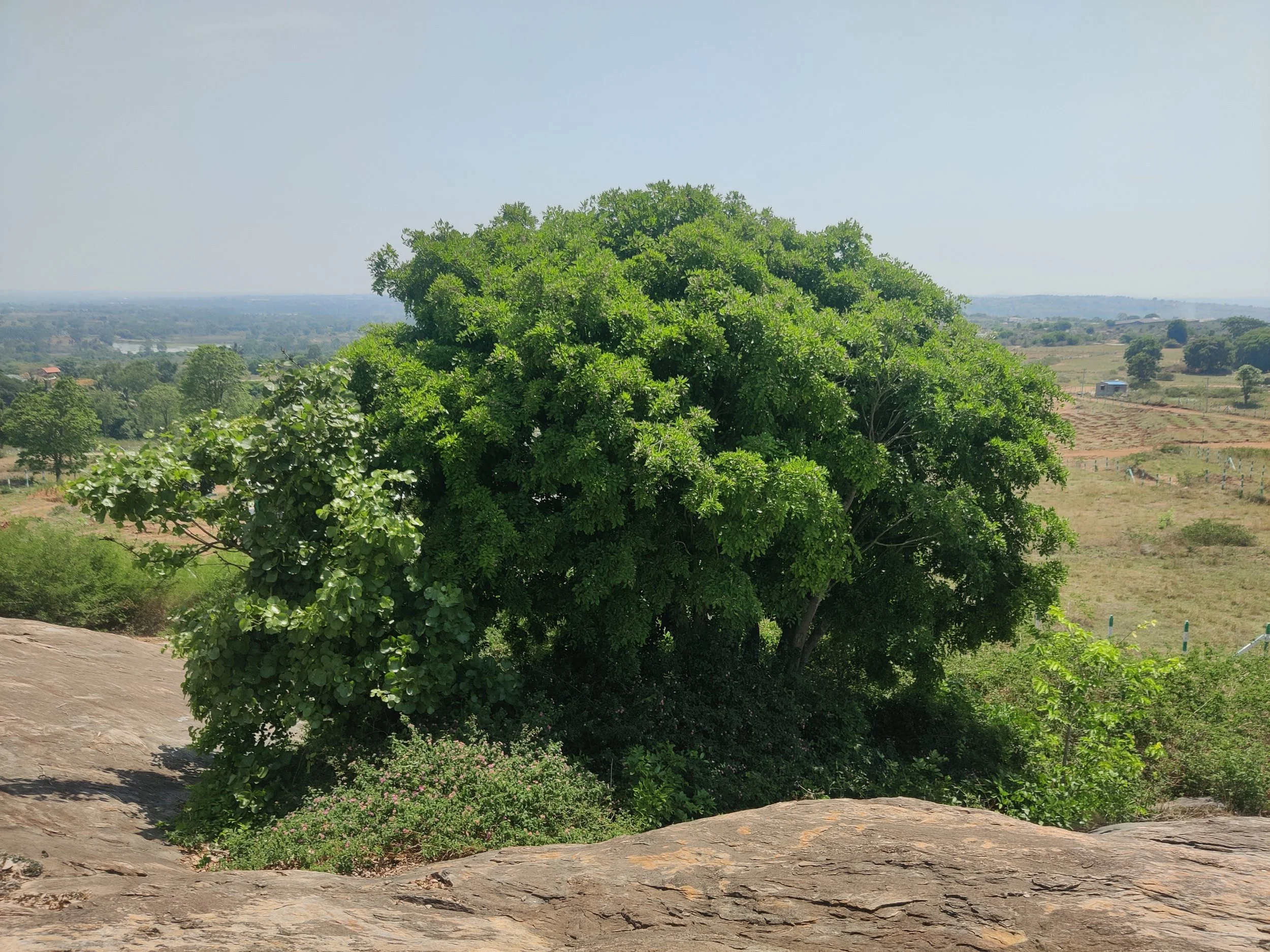
Dense grove on rock outcrop
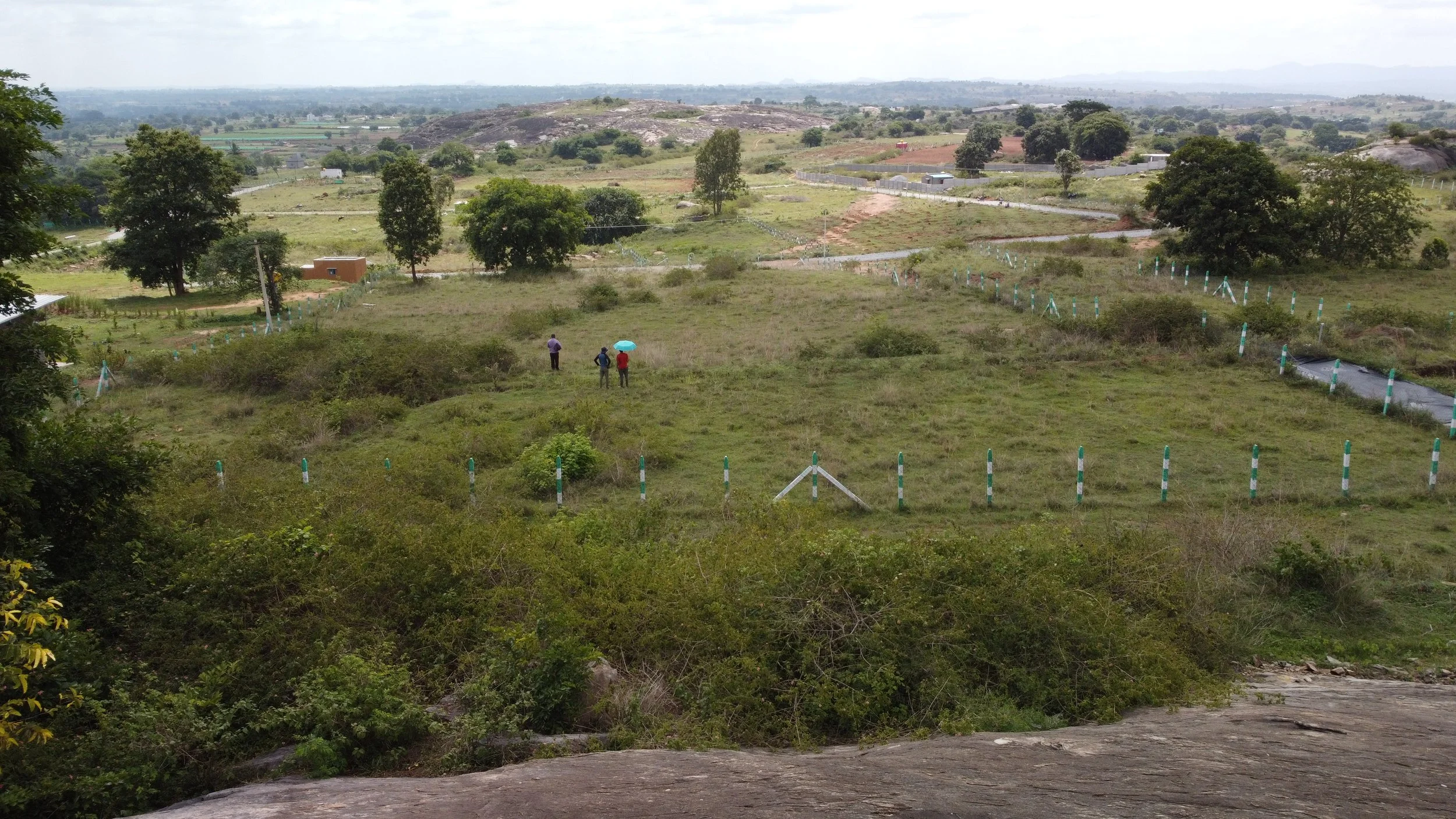
Drone shot
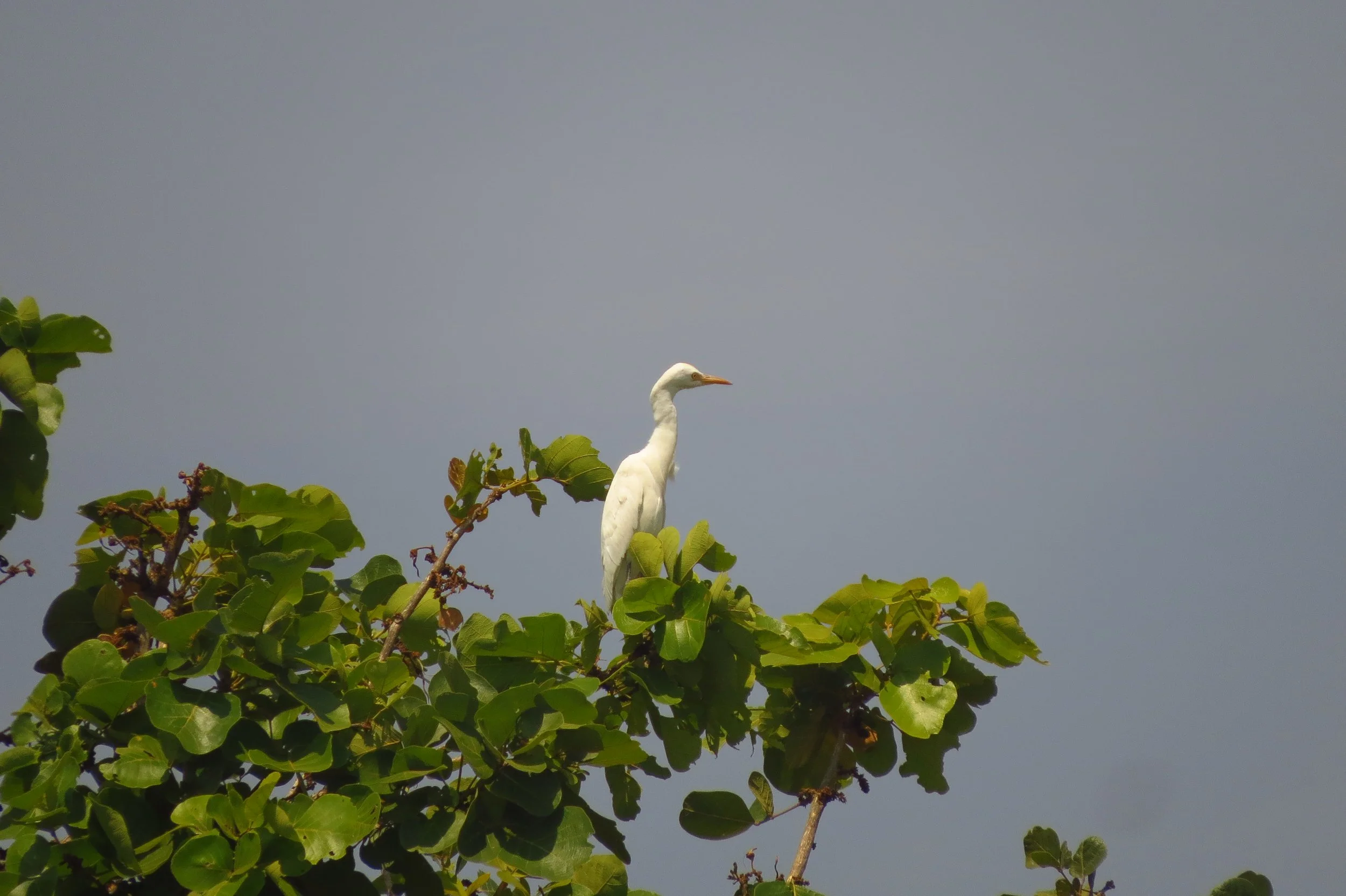
Cattle Egret
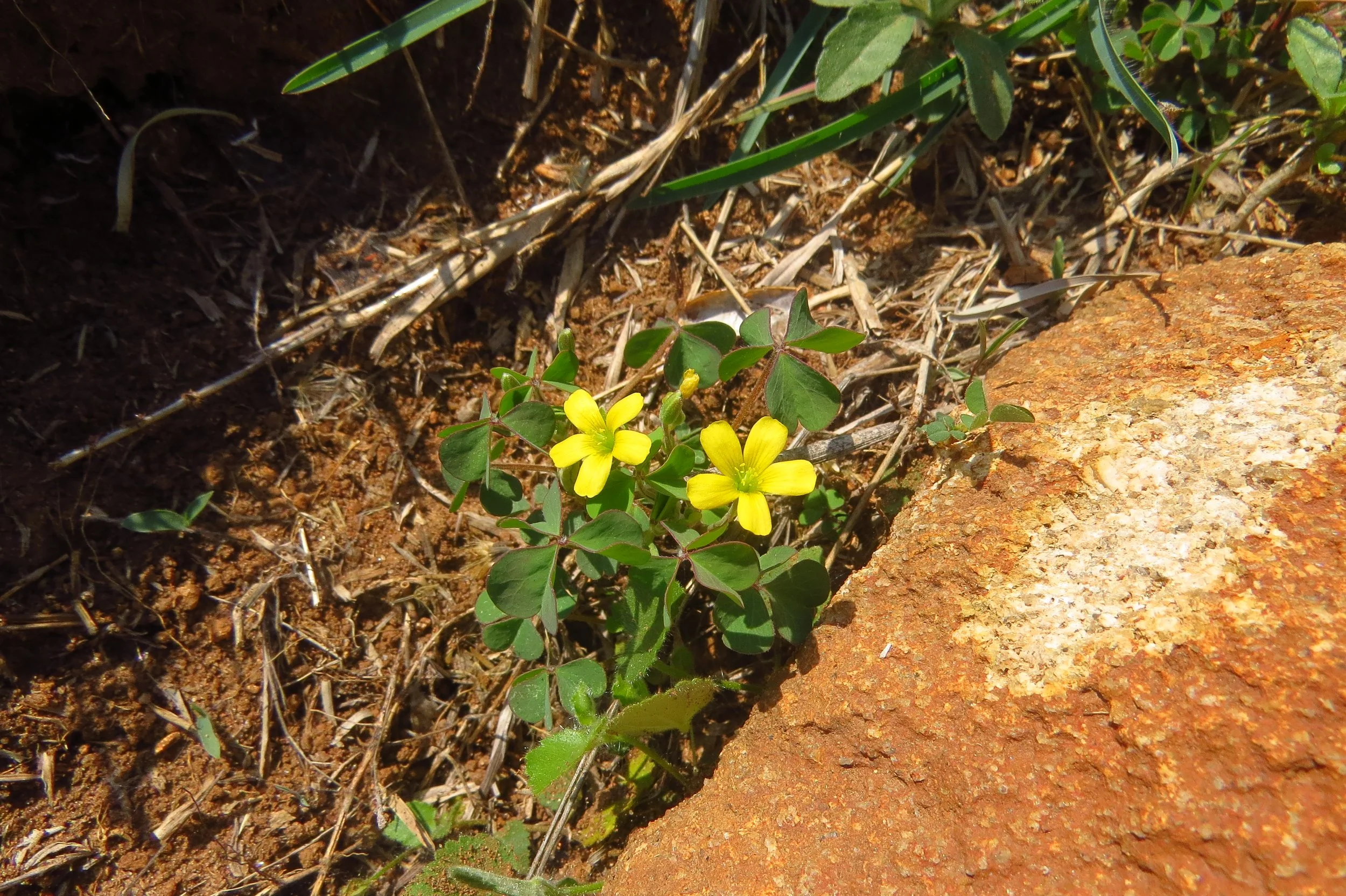
oxalis sp.
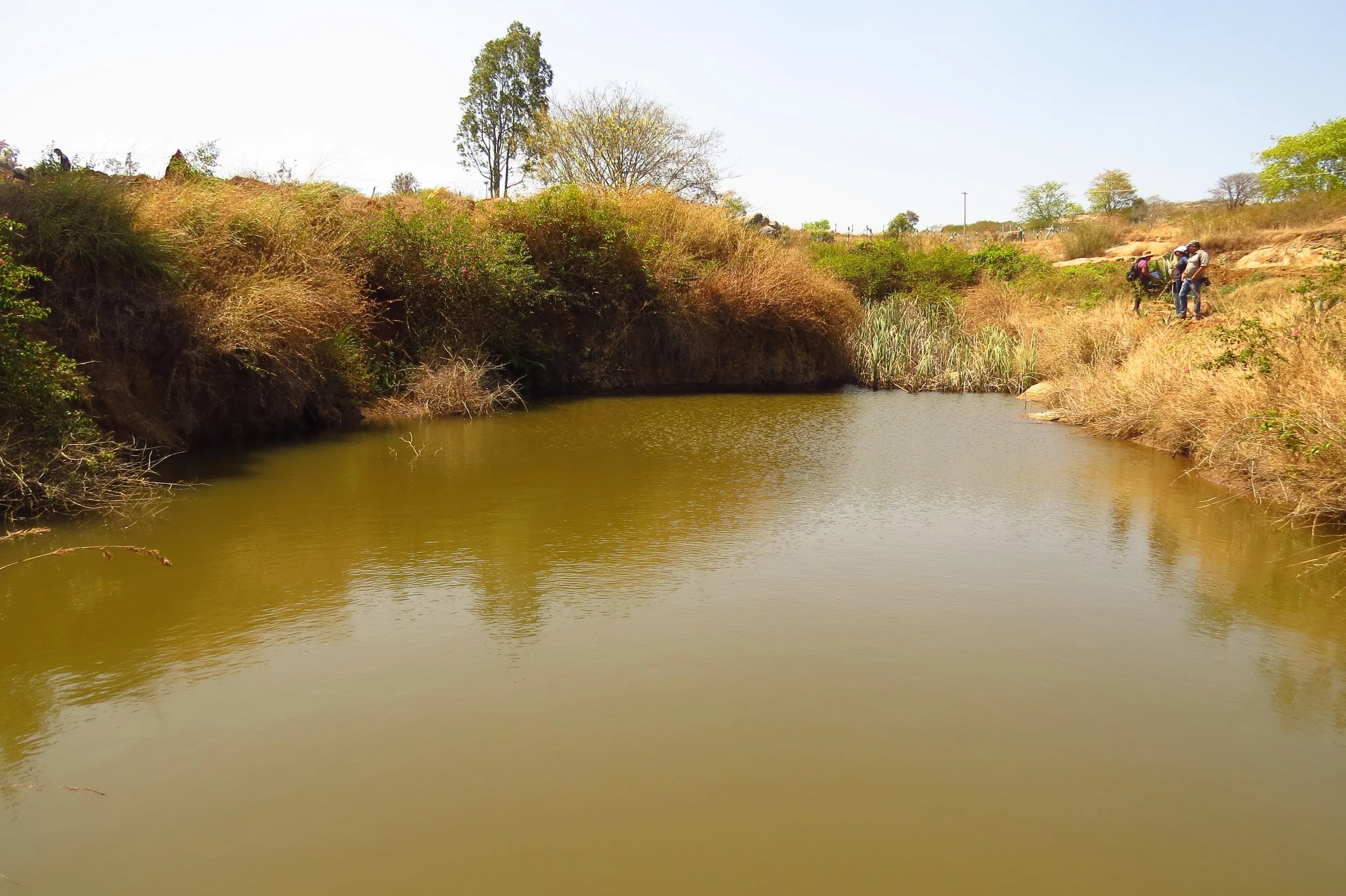
Neighbouring community Pond
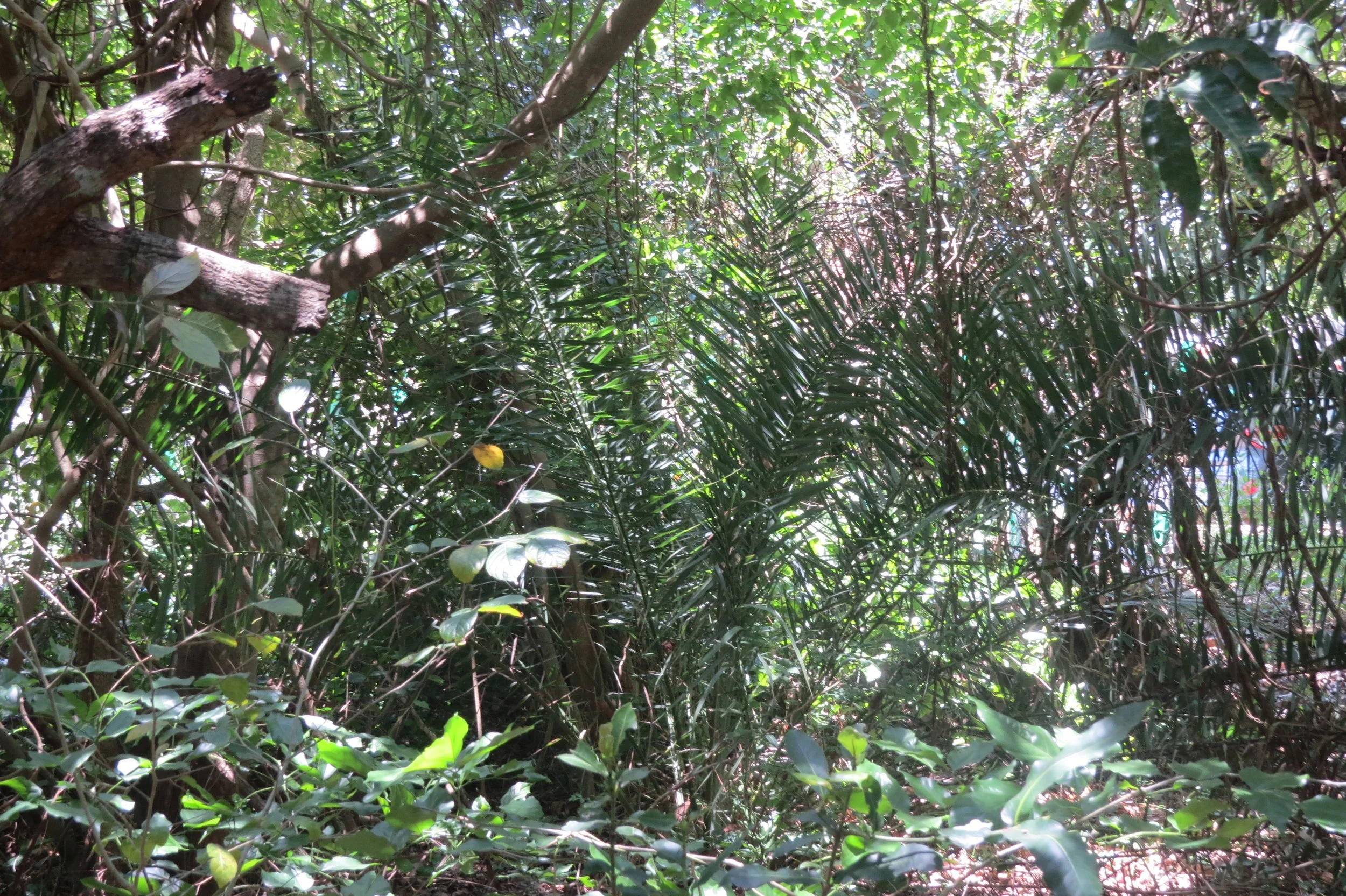
Reference ecosystem
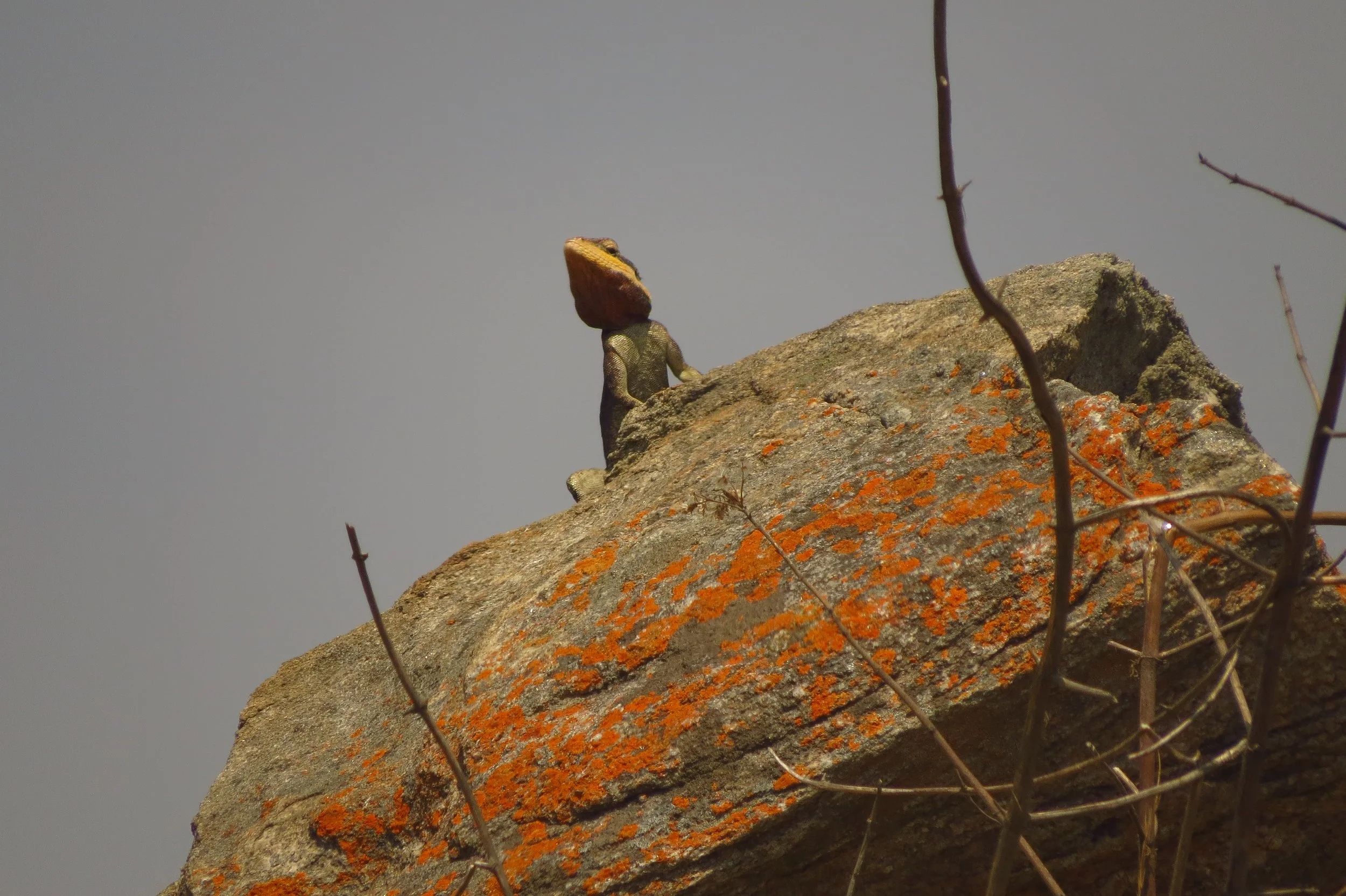
Rock Agama
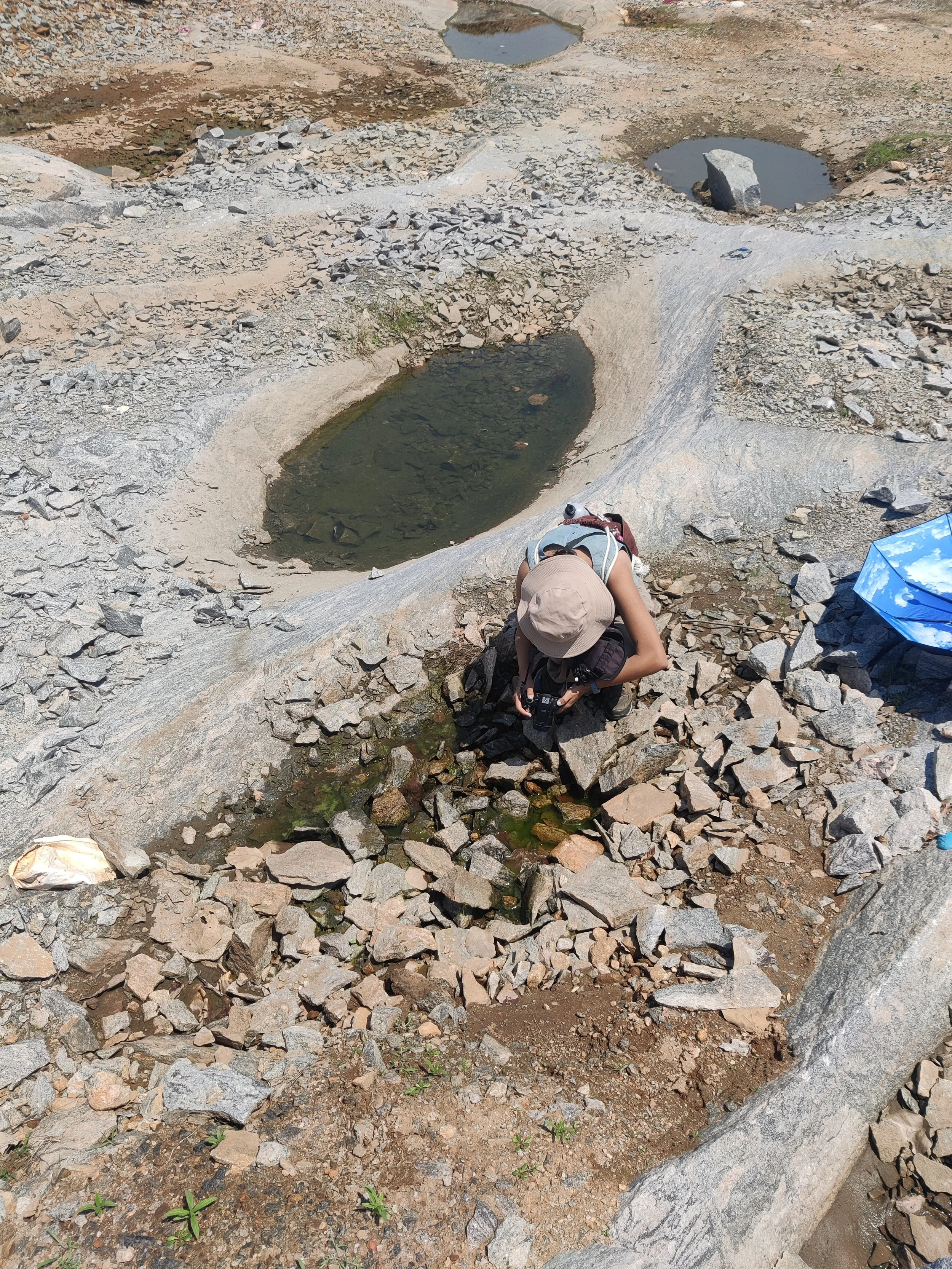
Neighbouring quarry
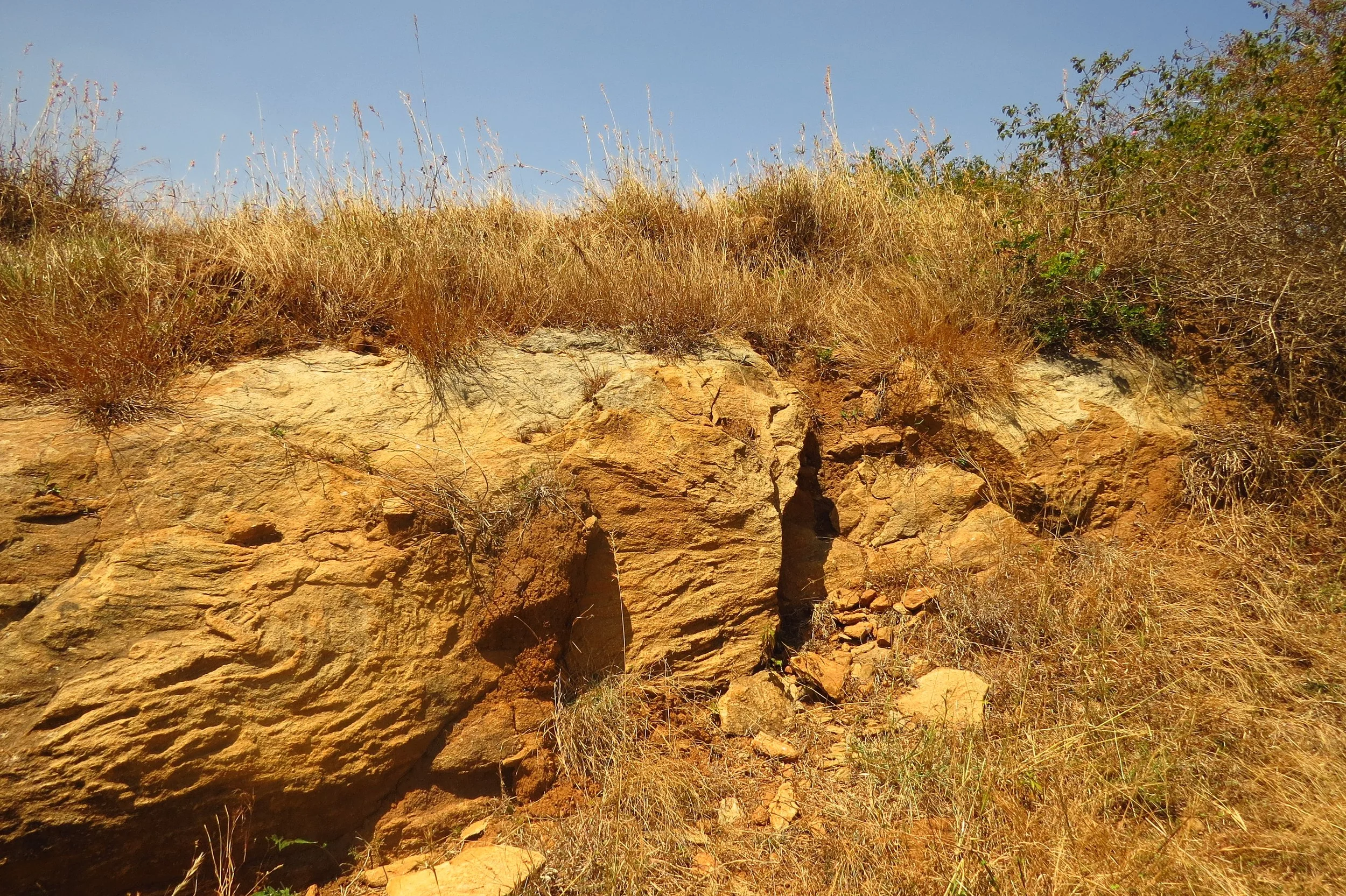
Soil profile
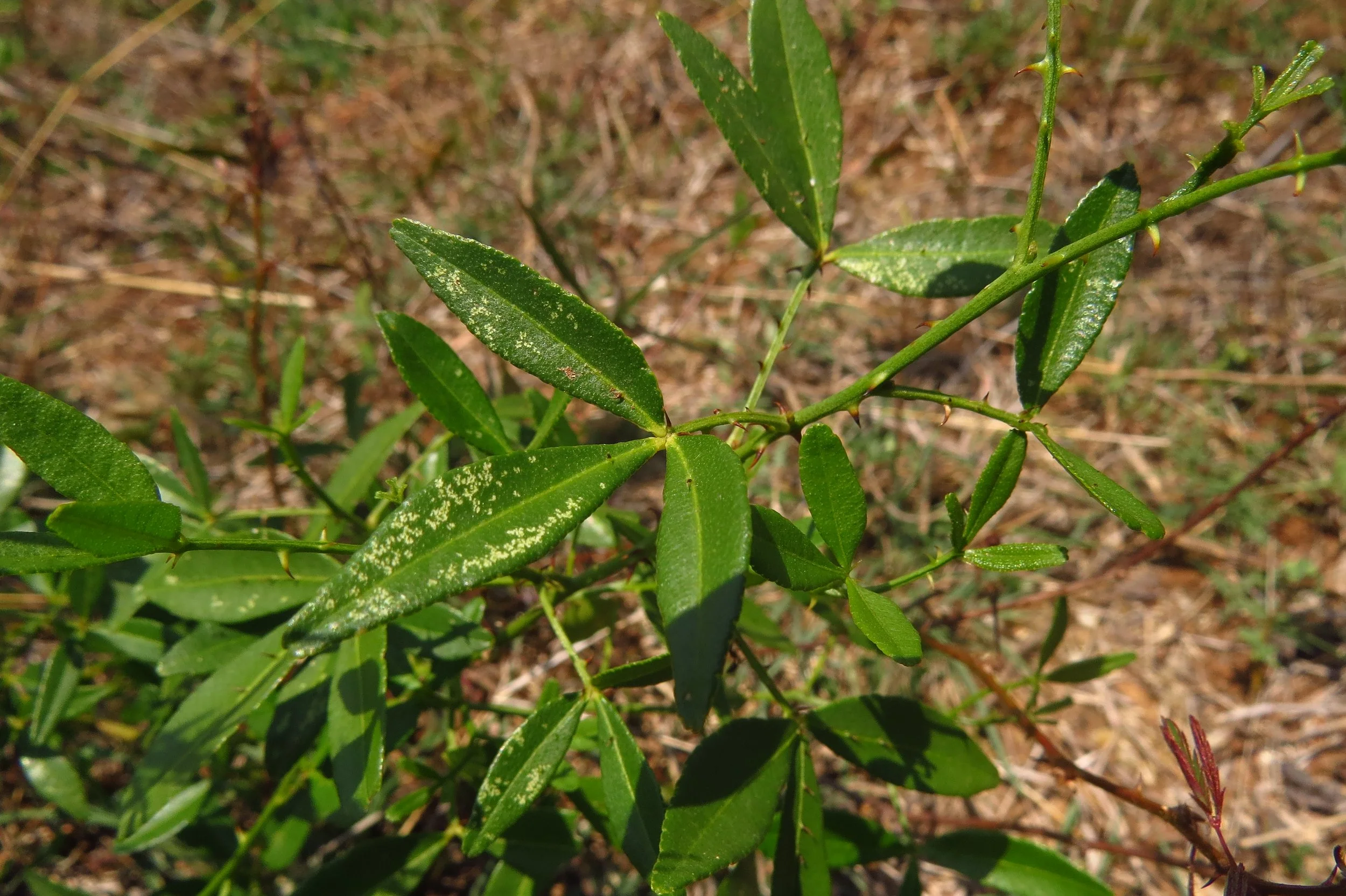
zanthoxylum asiaticum (orange climber)
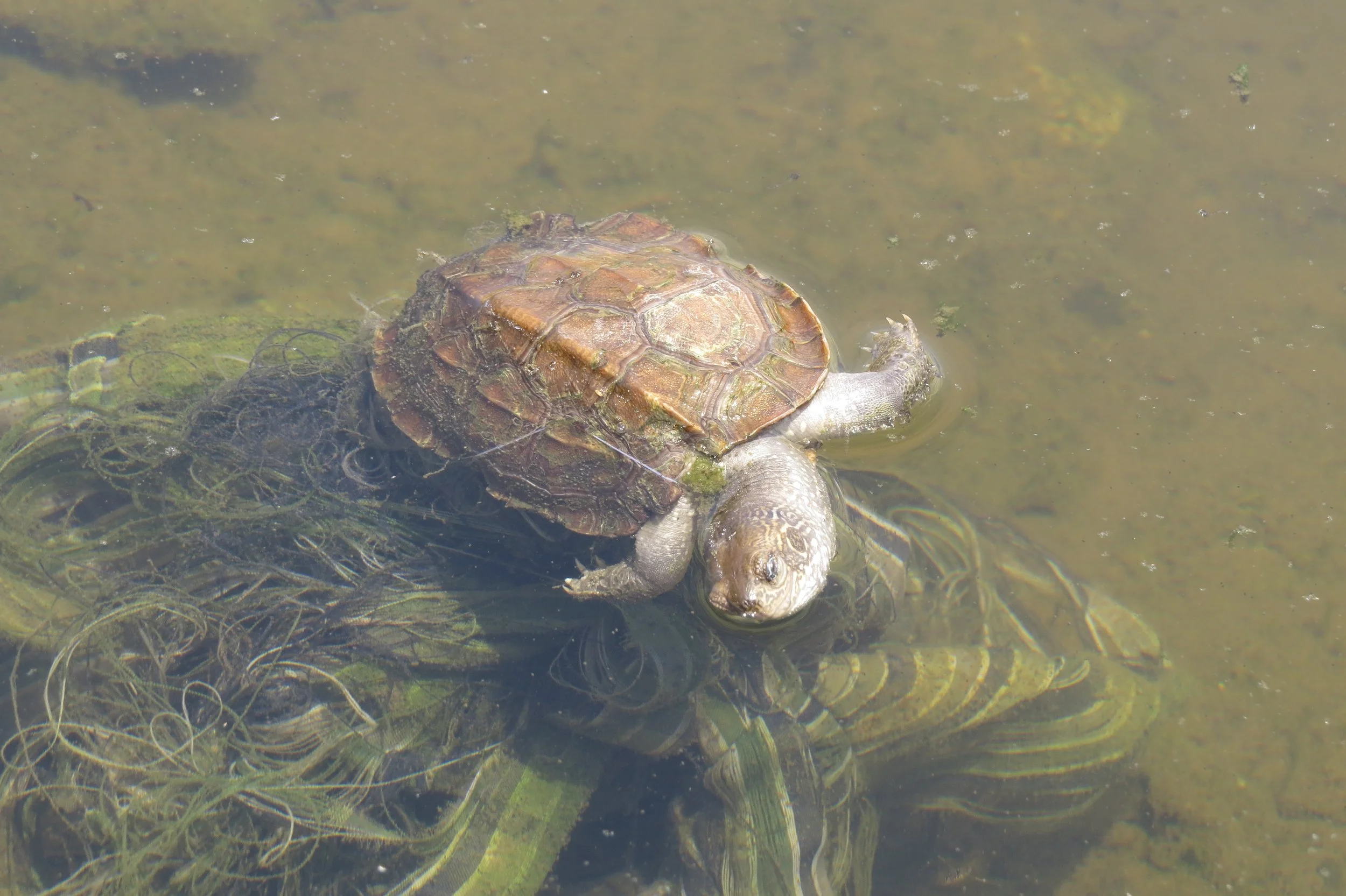
Turtle found tangled in cloth close to site
Implementation
To translate the design vision into reality, the team led the turnkey implementation of earthworks and planting across two site visits. The focus was mainly:
Implementing a network of earthworks that promotes rain water infiltration.
Active assistance of regeneration by introducing native and contextual tree species in the Wild zone.
Introducing biomass species for improvement in organic matter on site and for soil regeneration.
Implementation of food forest guilds to introduce a layered system of edible species.
Introducing new methodologies of maintenance on the land with the caretaker and client for the maintenance to be intuitive and responsive.
Strategic soil management of soil from earthworks by creating raised pathways, pollinator gardens and raised vegetable gardens.
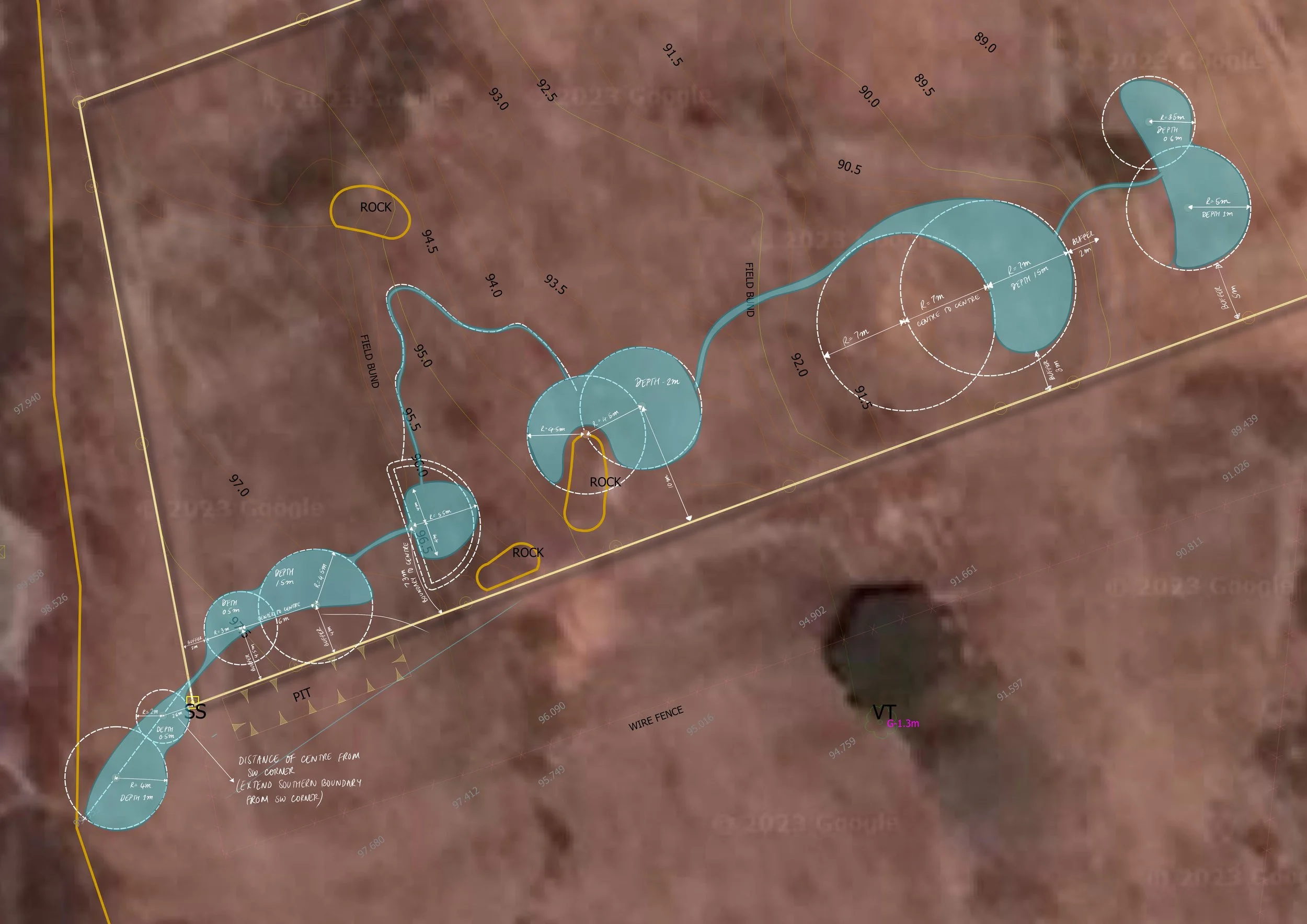
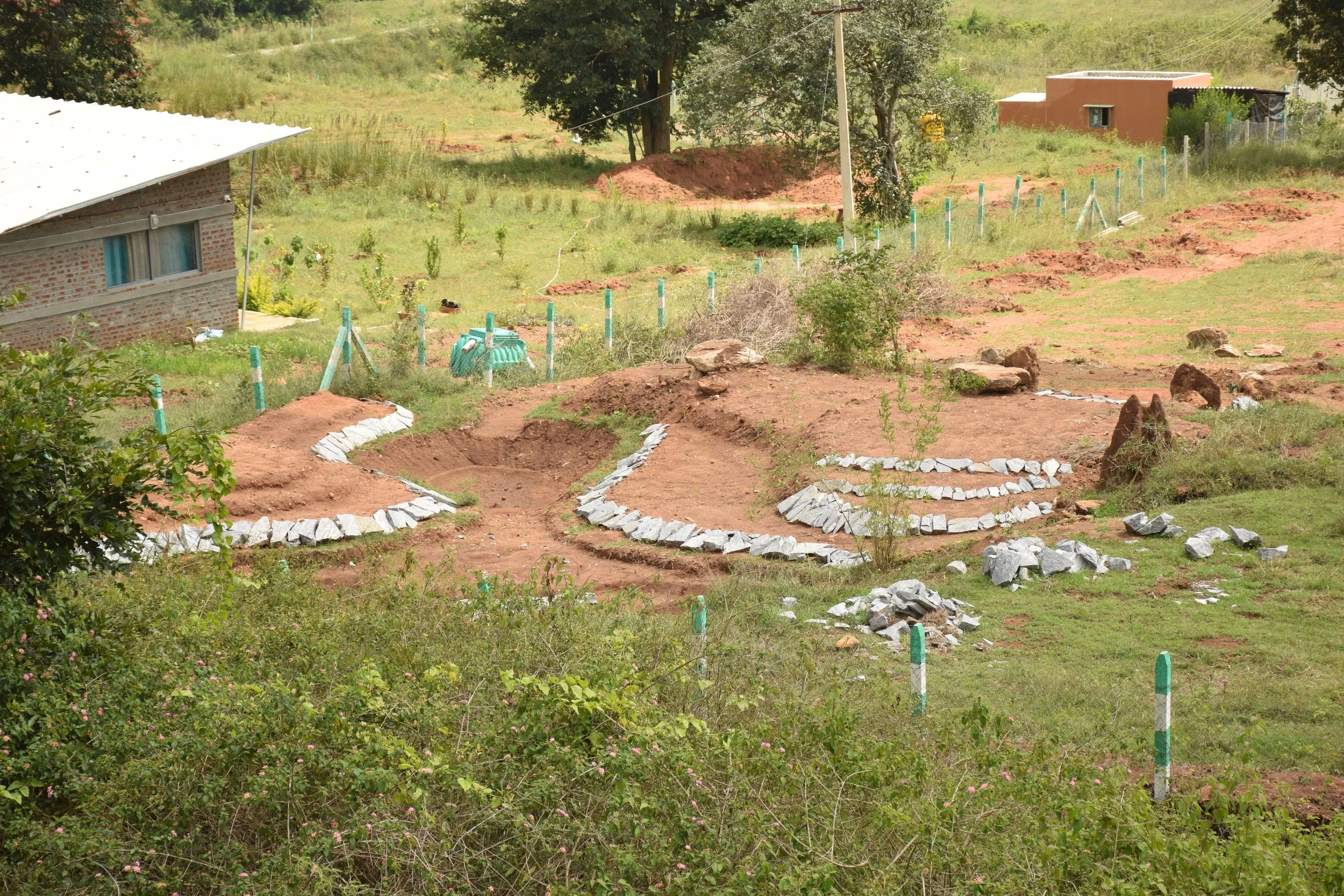
Detailed design and marking guides for earthworks
Implementation photos
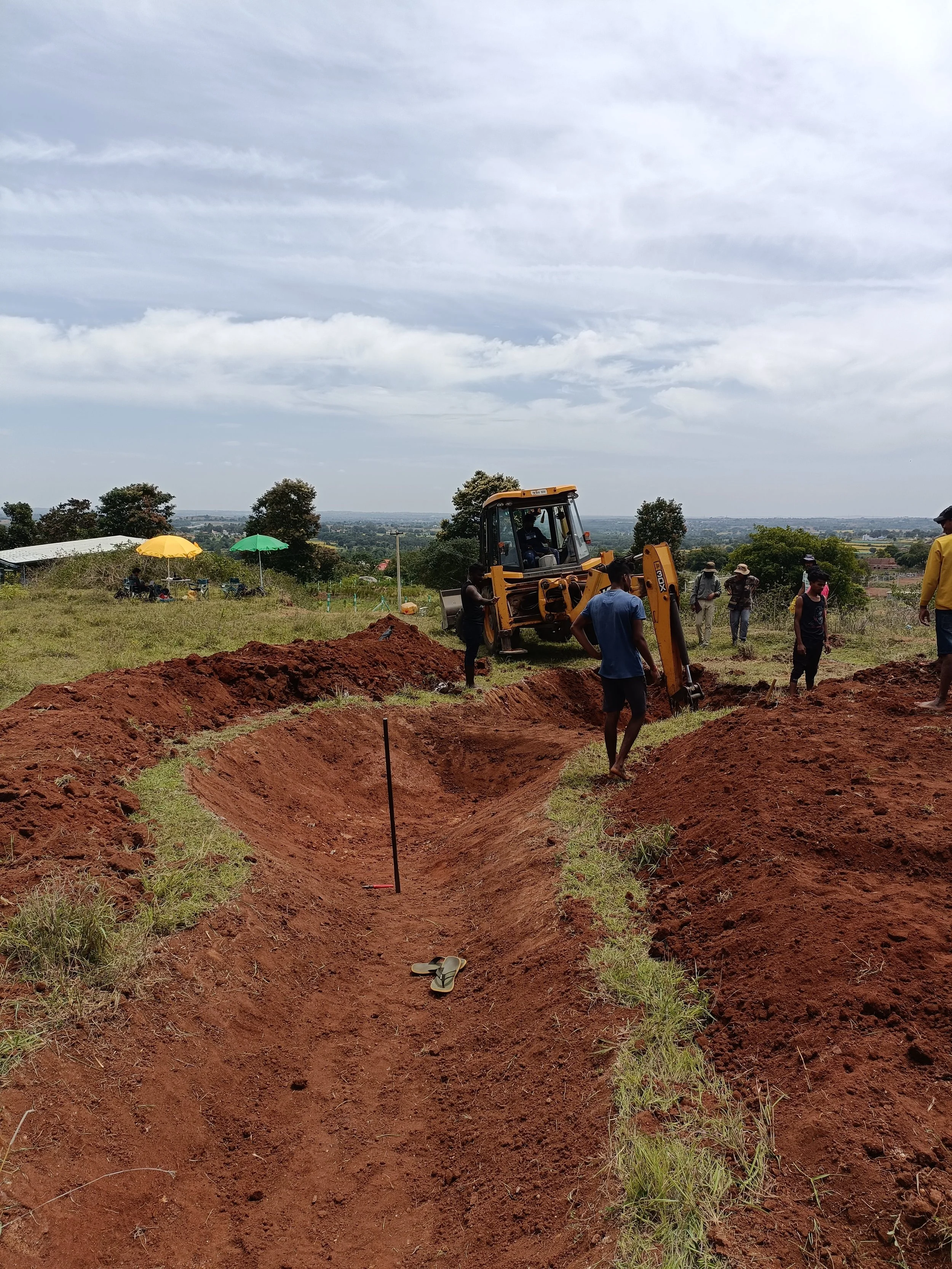
Pond digging and finishing
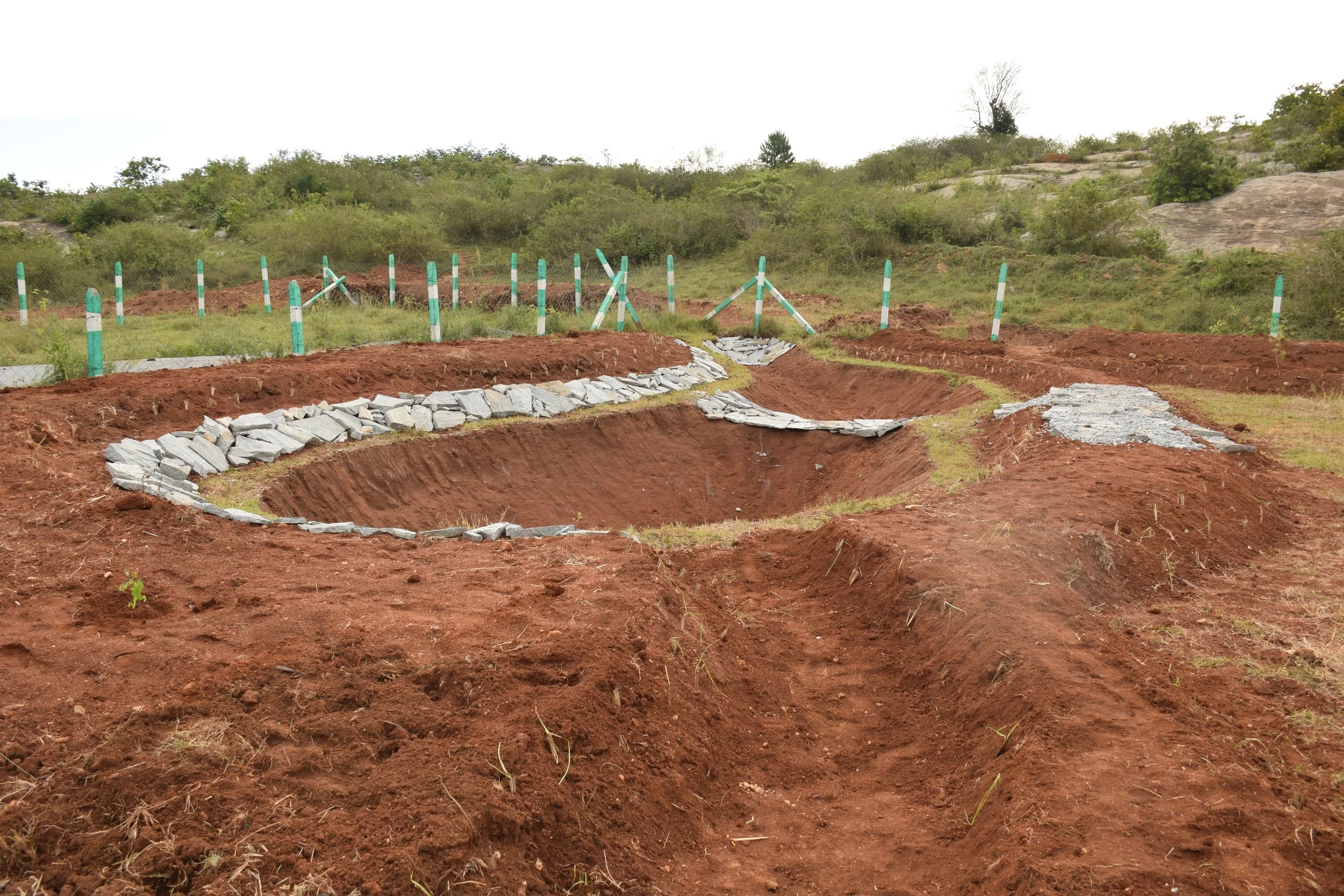
Finished pond
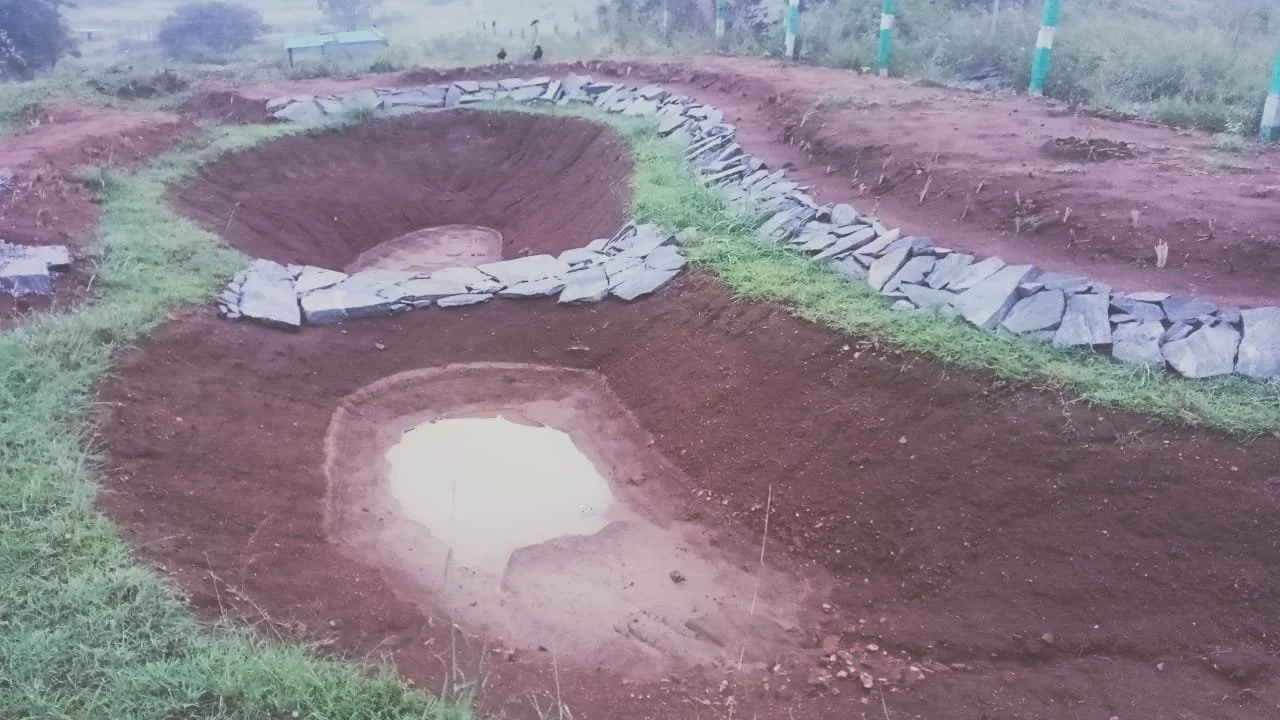
Pond during monsoons (PC credits caretaker)
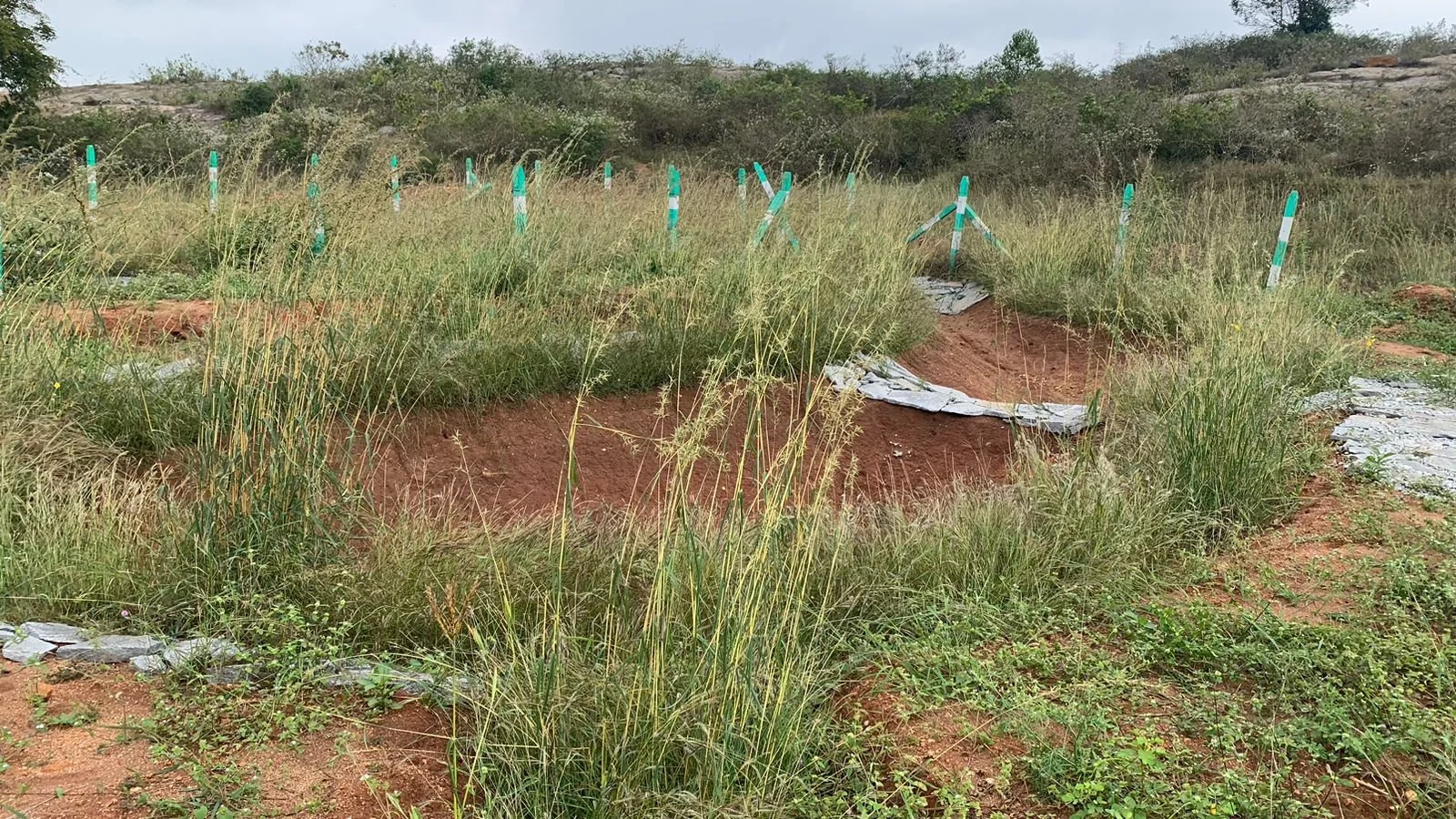
Pond during monsoon
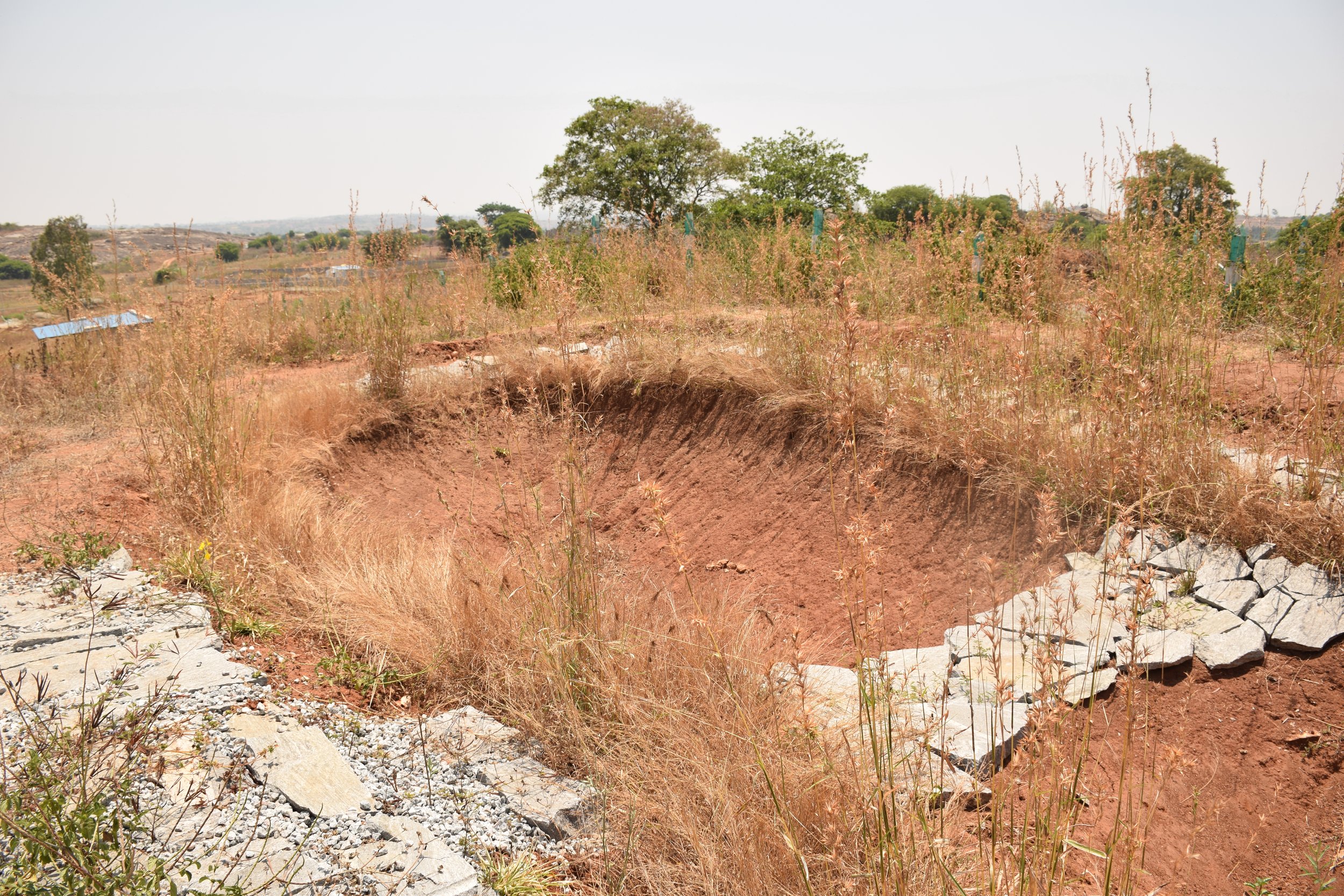
Pond during dry season
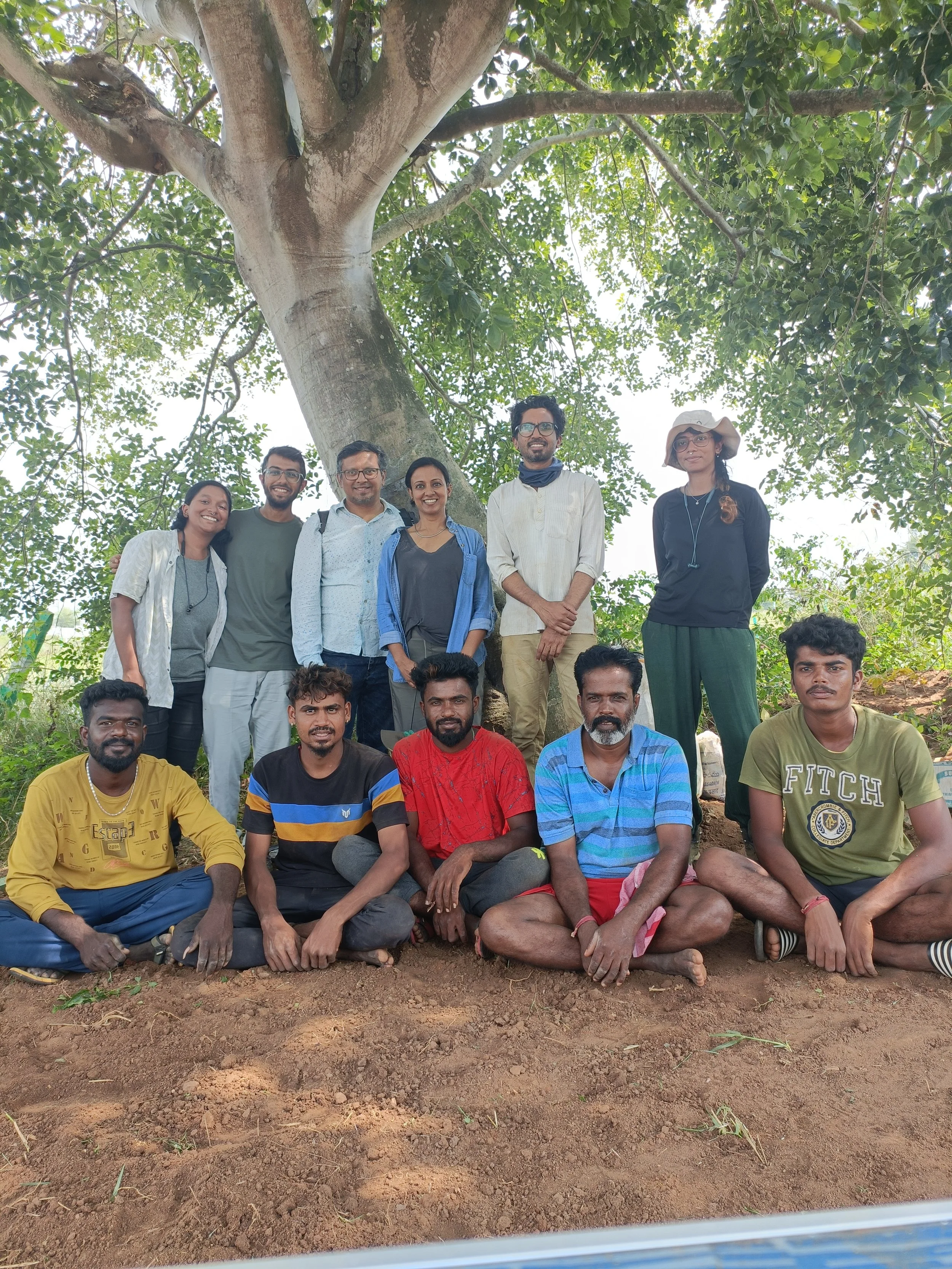
Kipepeo Team
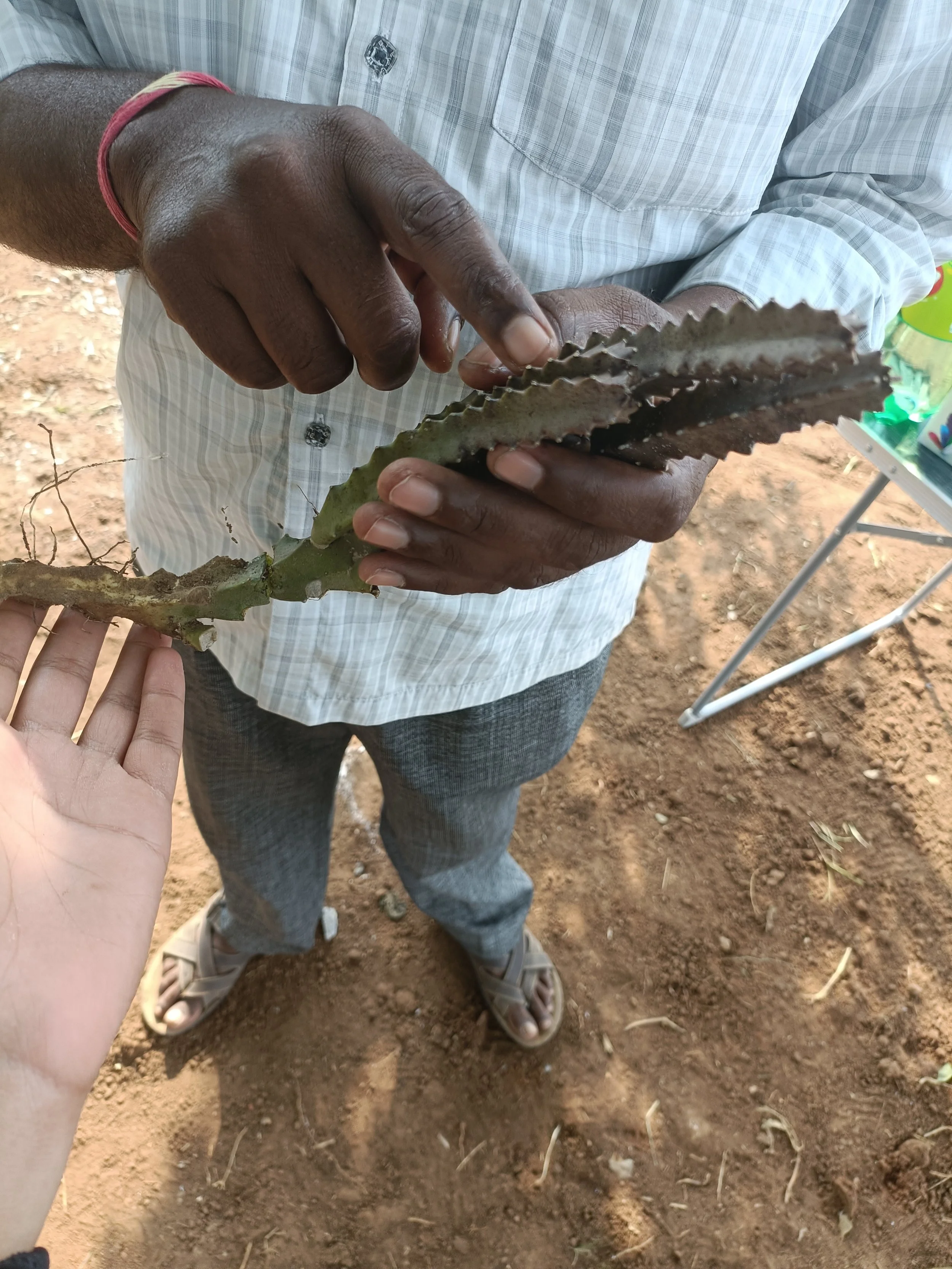
Learning about edibles from our workers and contractors

Saplings arriving on site
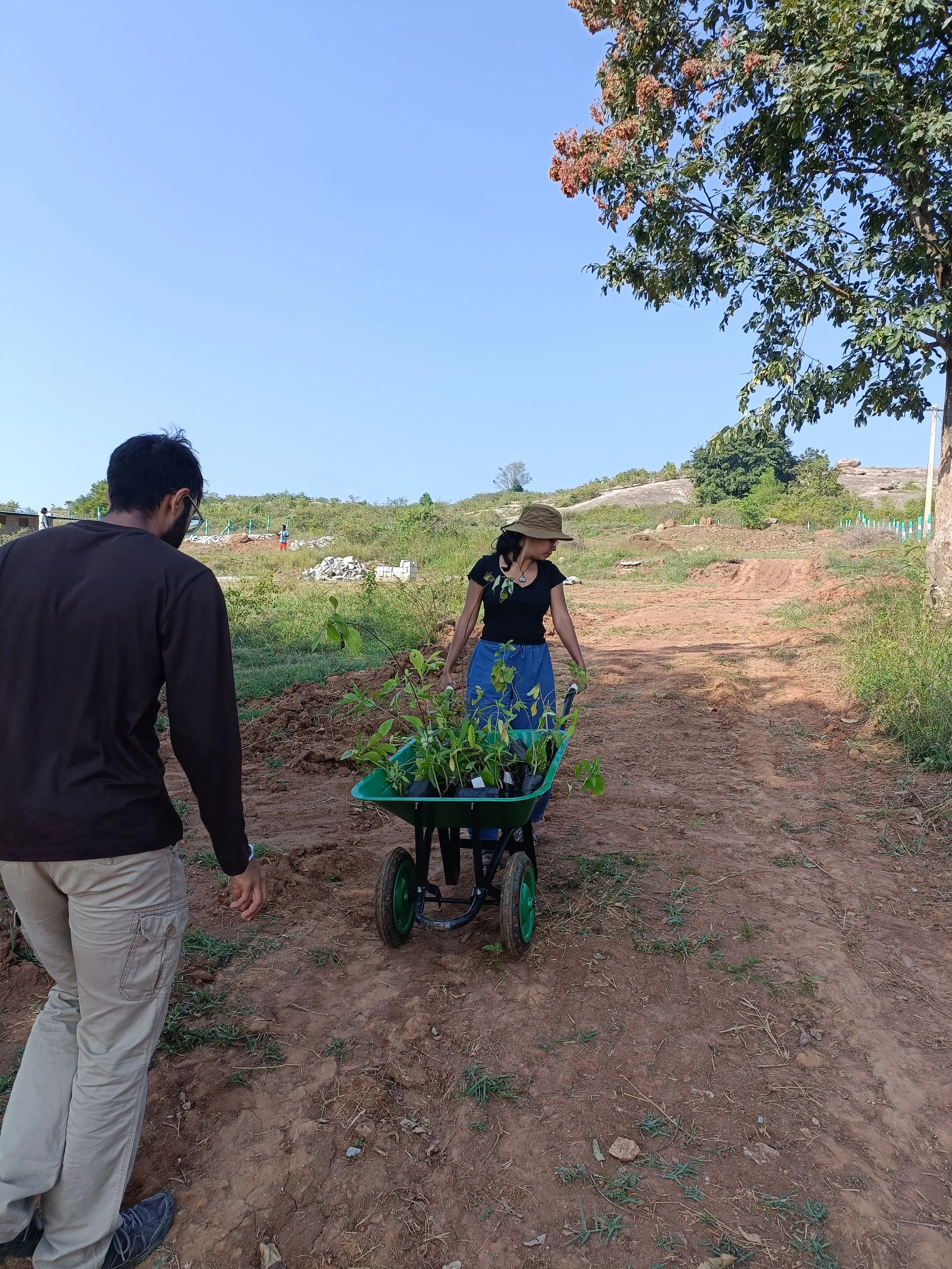
Staging saplings
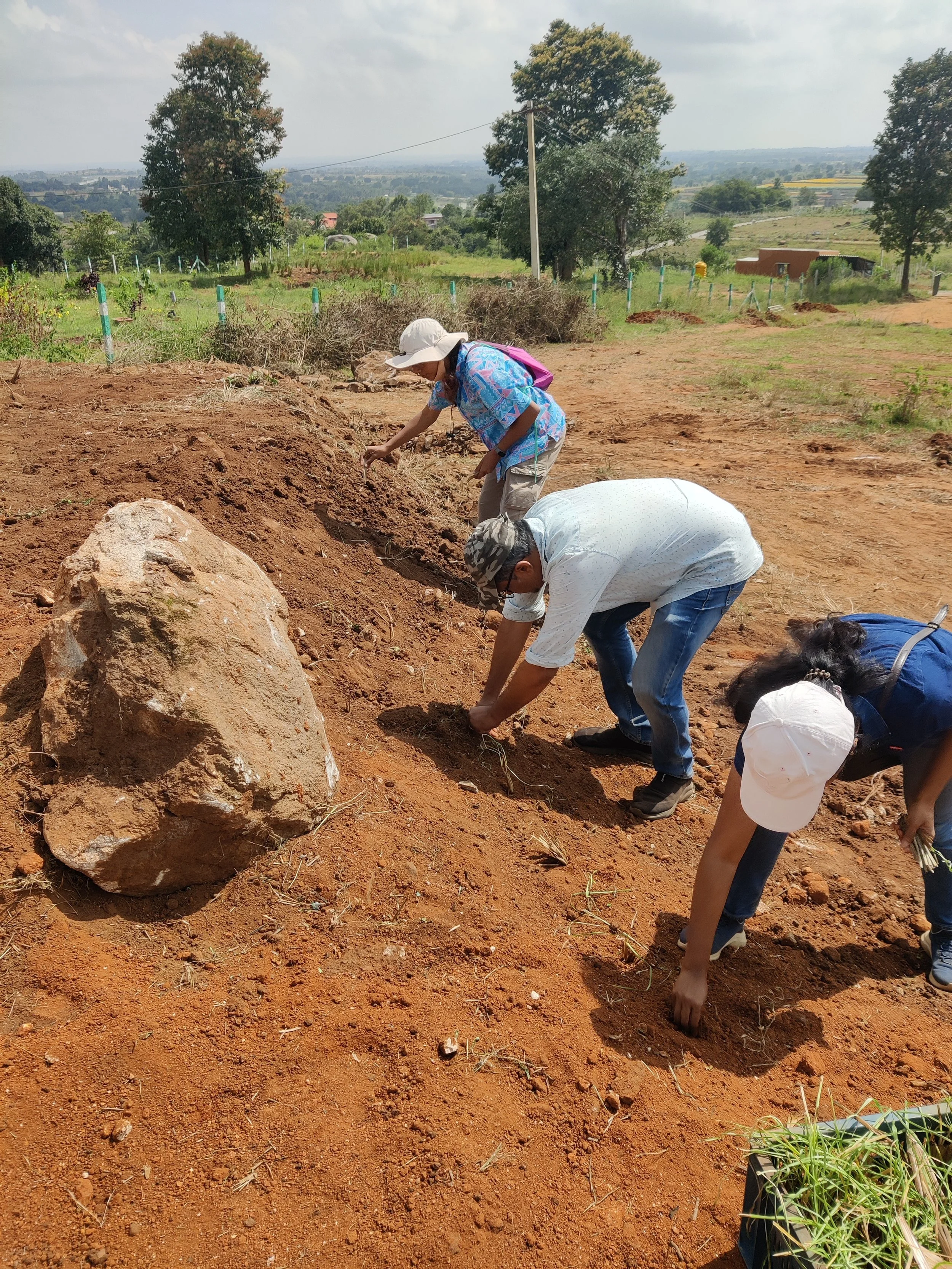
Clients and team planting slips of grasses
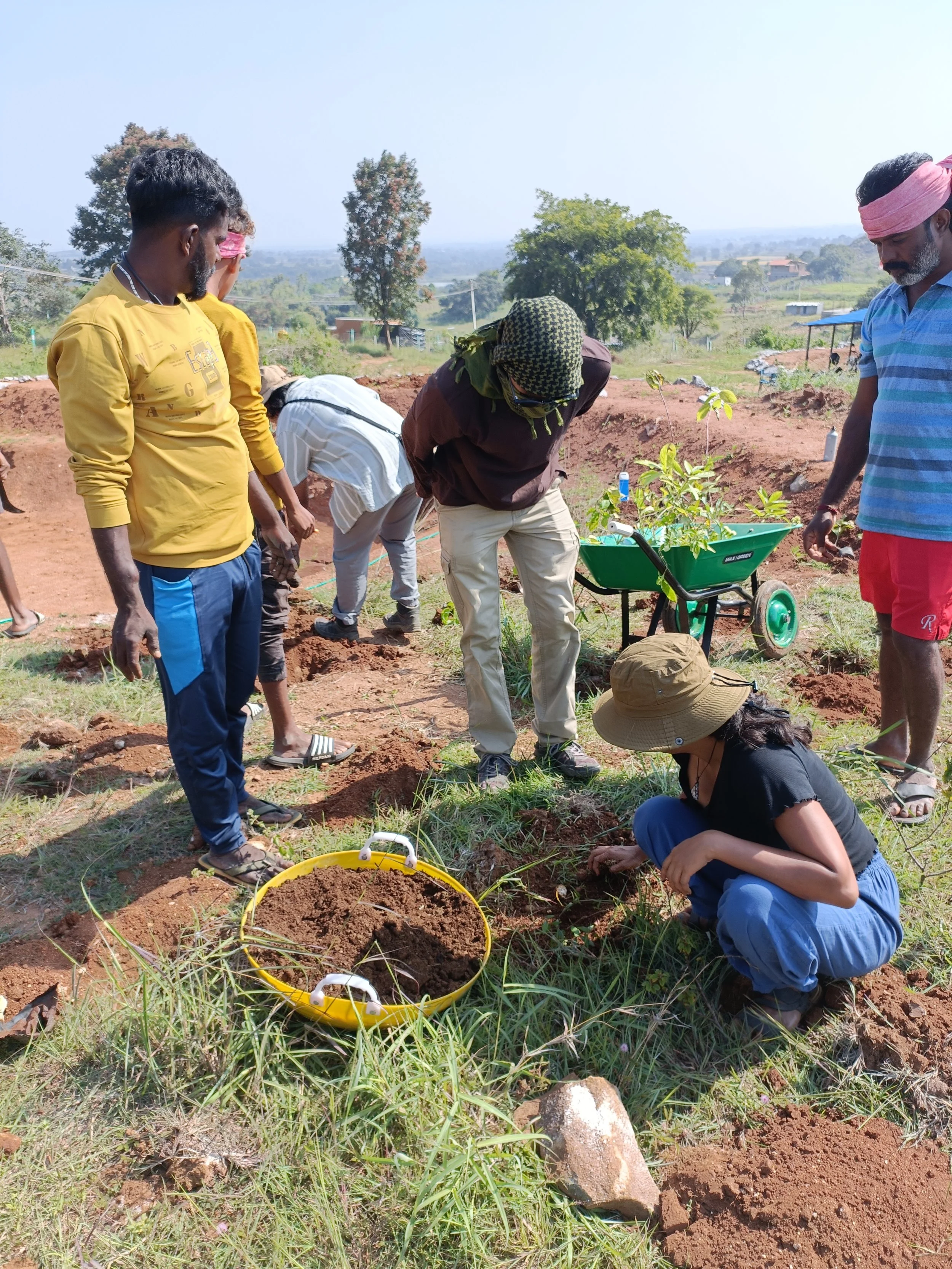
Planting process demonstration
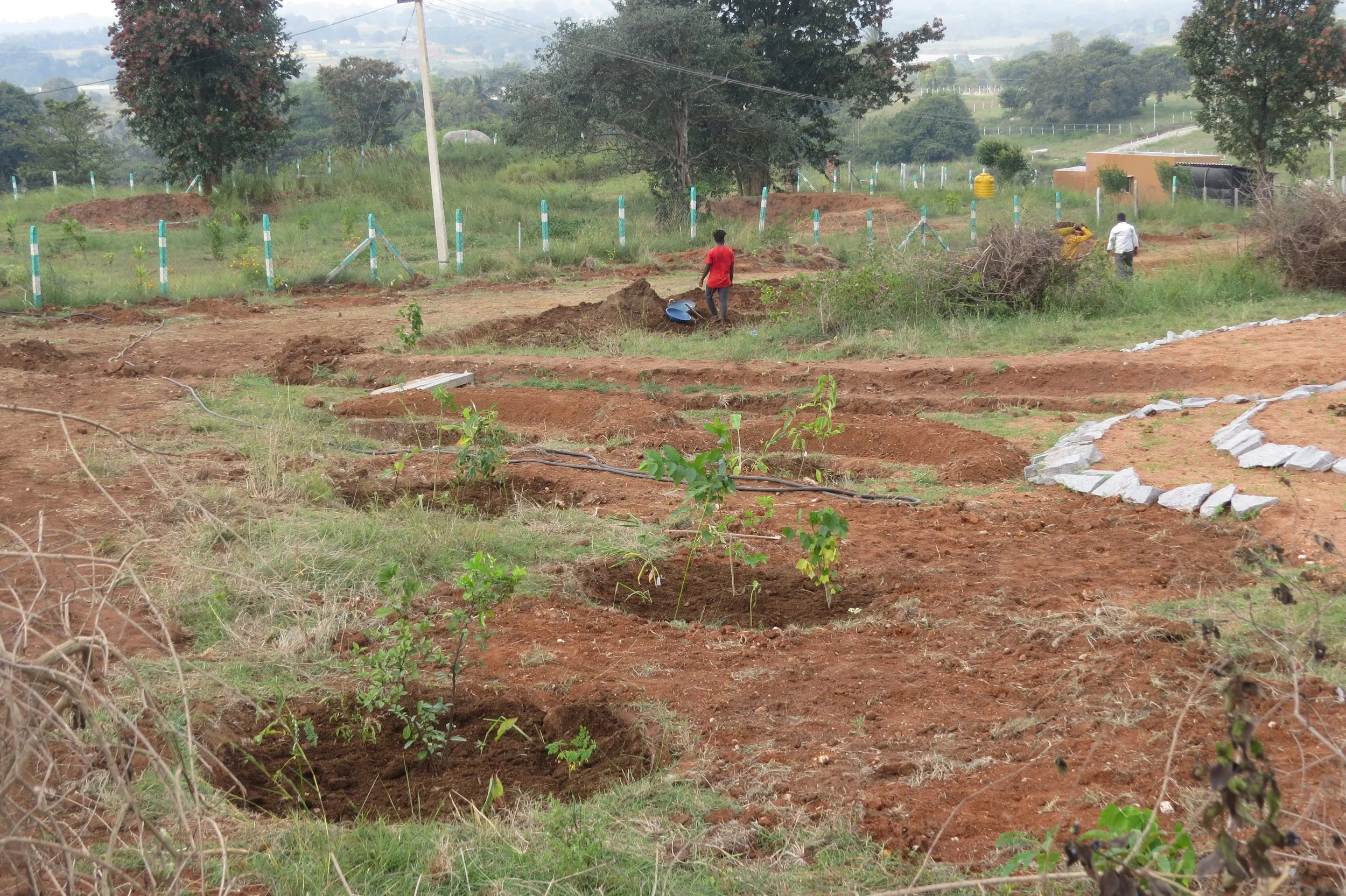
Food forest guilds
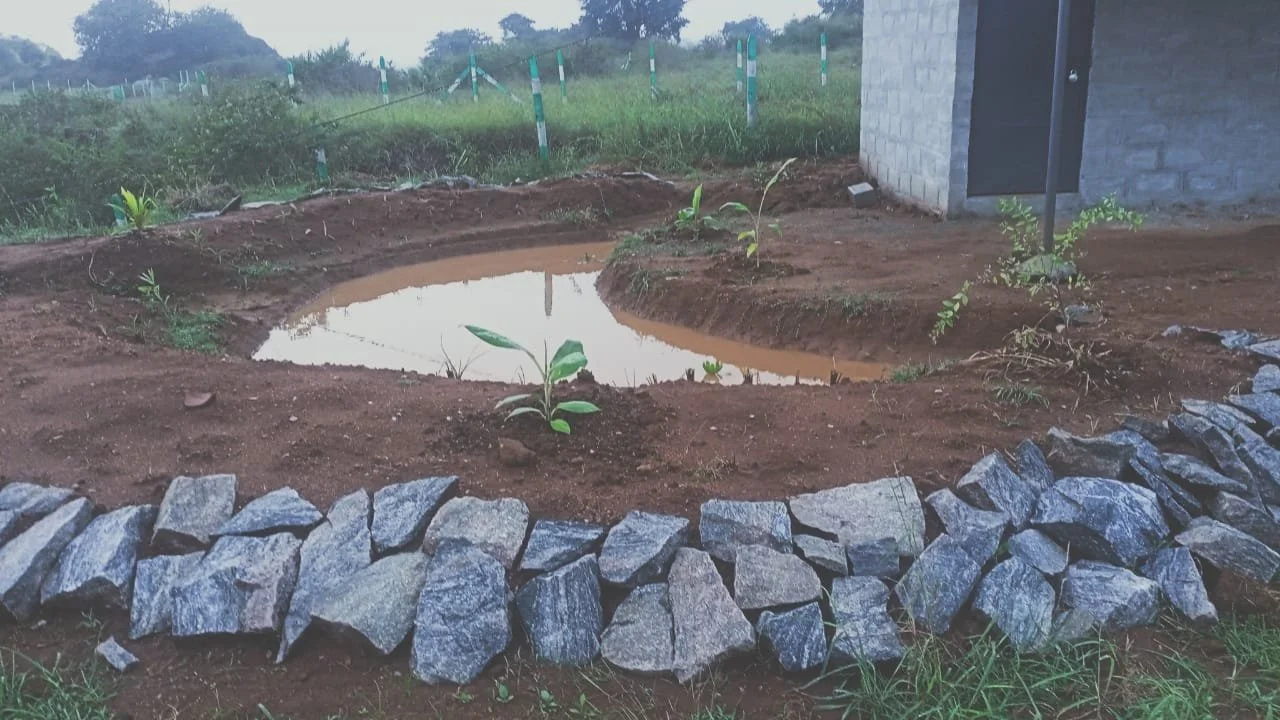
Pond during monsoon (PC credits caretaker)
Pond 2 completed
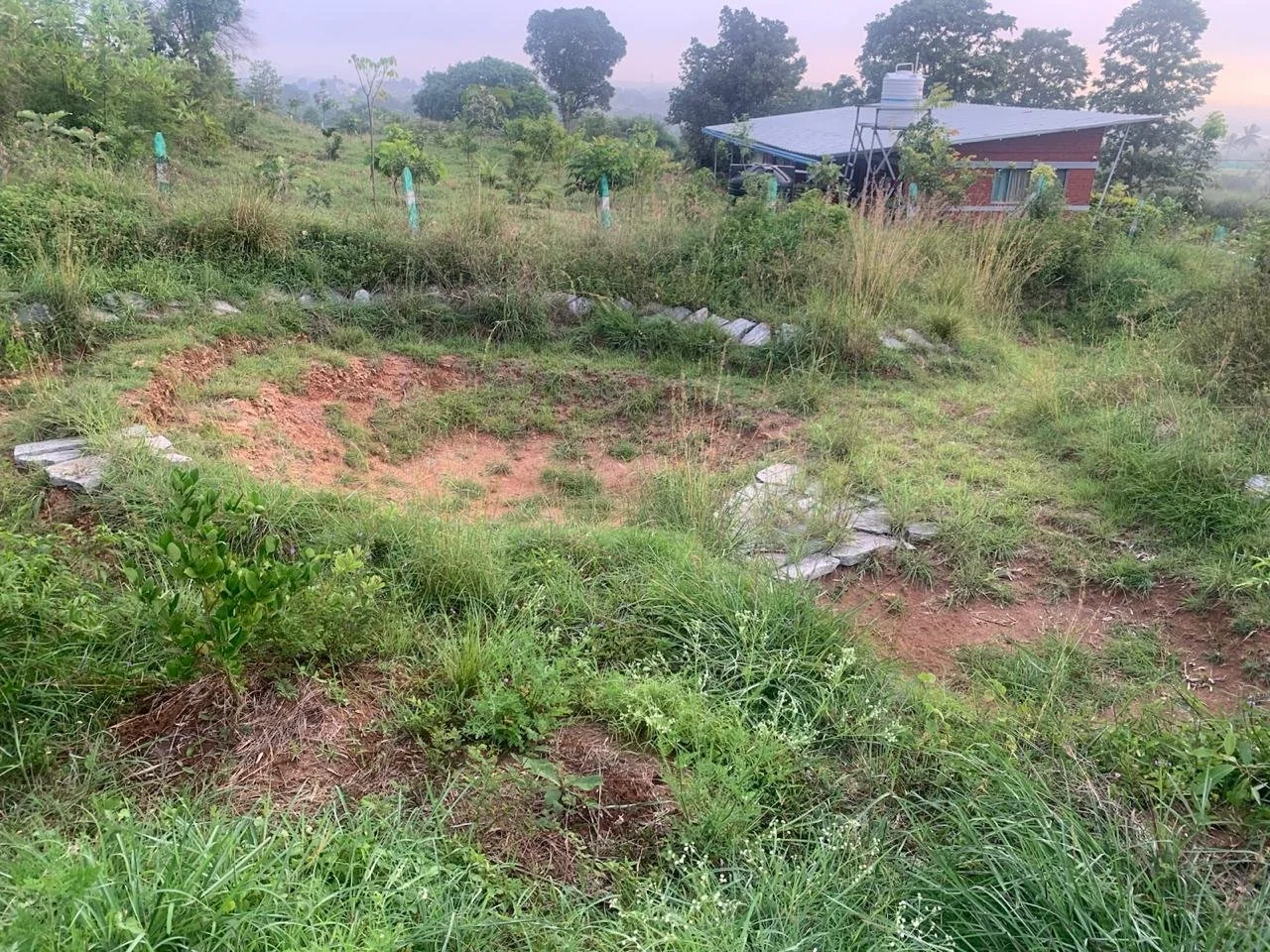
Pond 2 right after monsoons
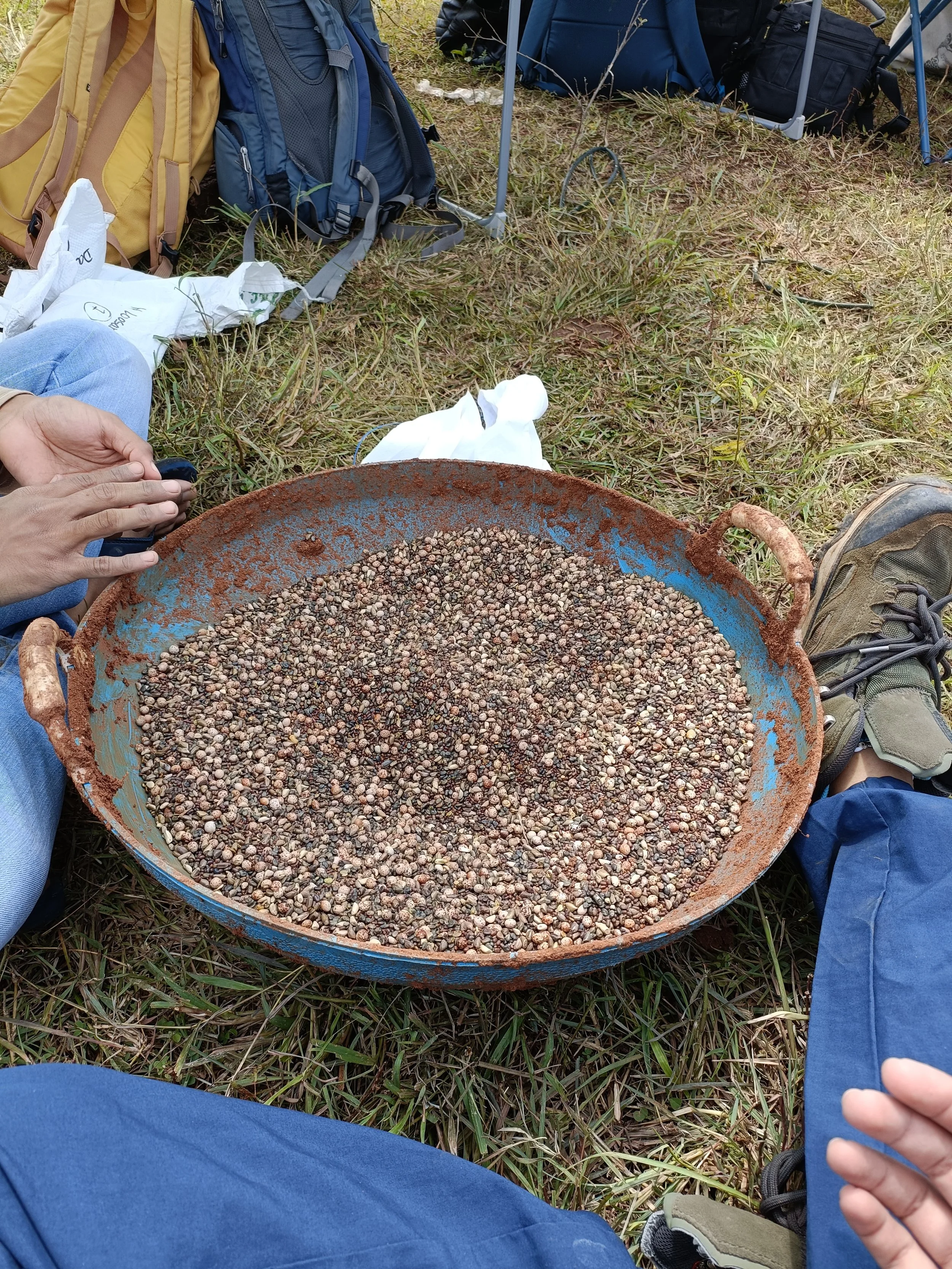
Biomass seed mix
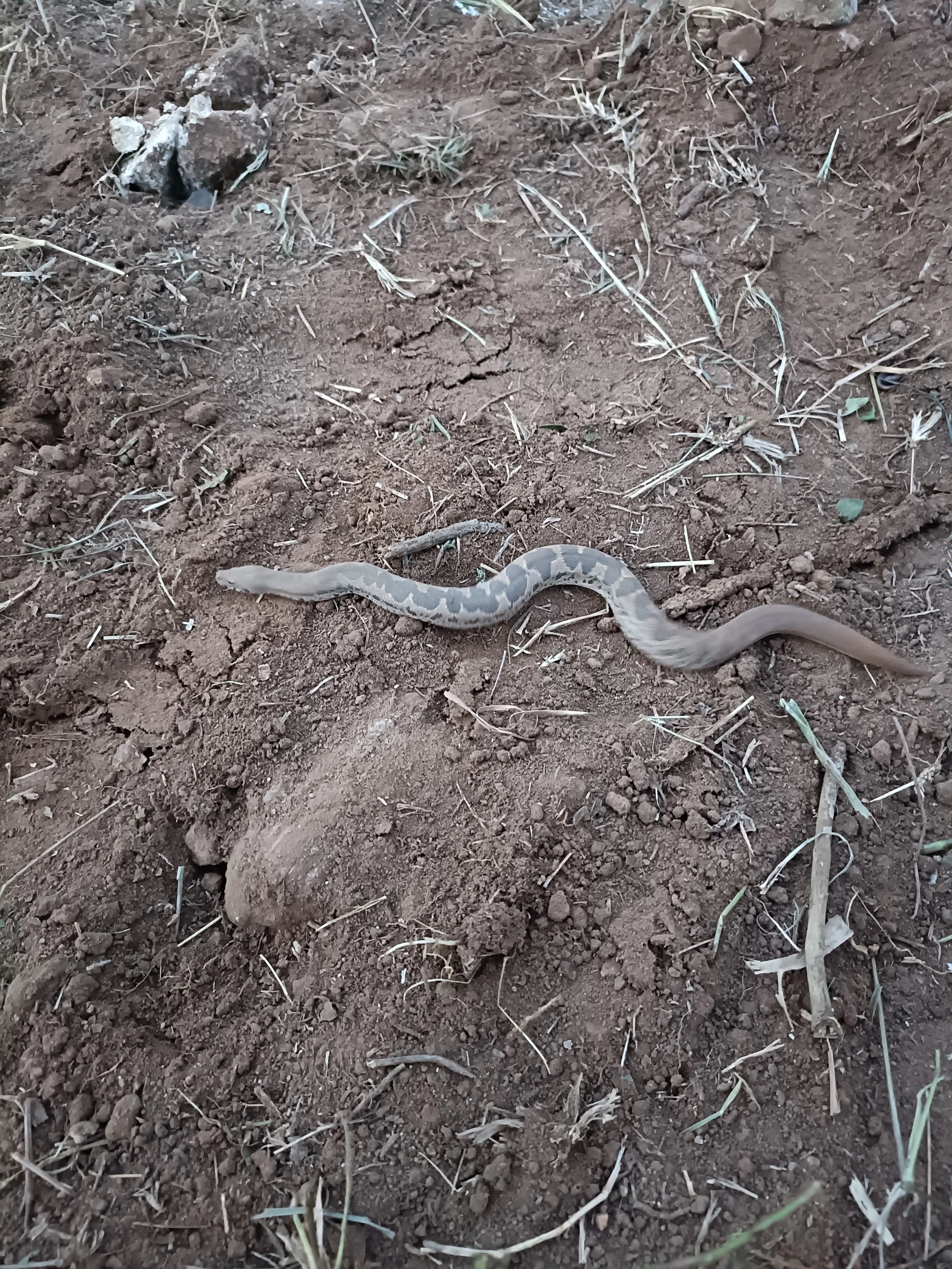
Sand boa observed on site during implementation

Night Sky close to site
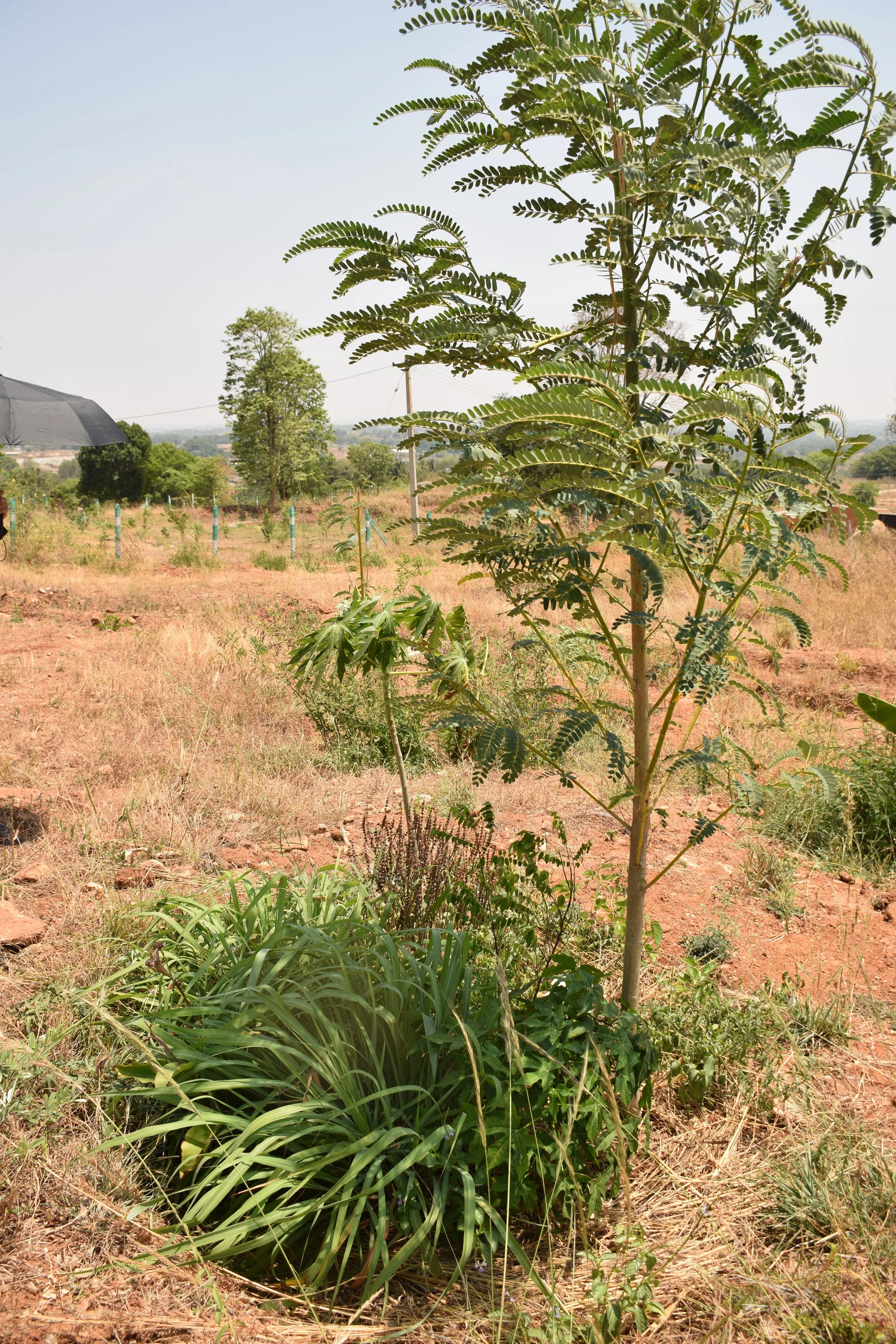
Guild basins after 1 year of planting
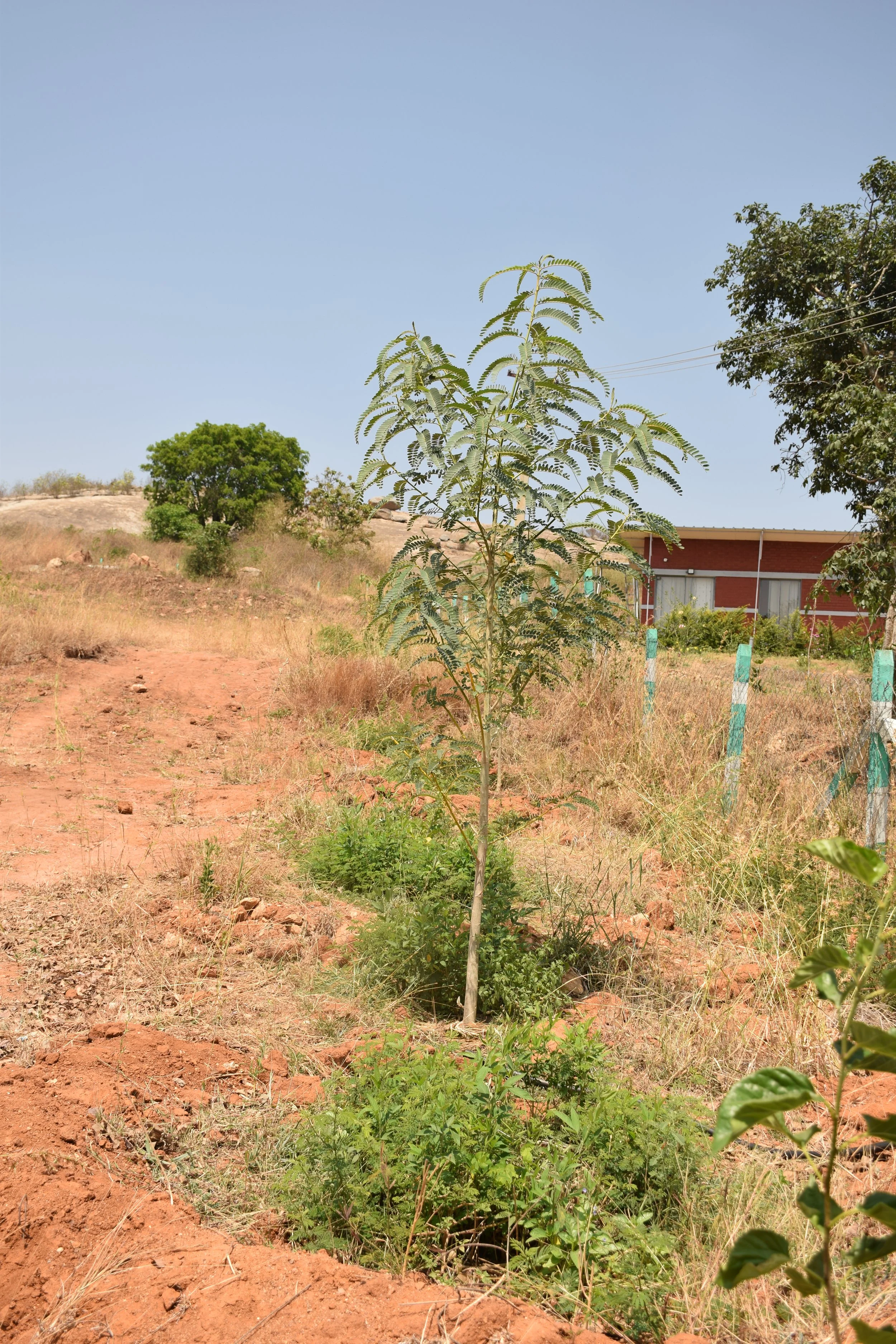
Guild basins after 1 year of planting
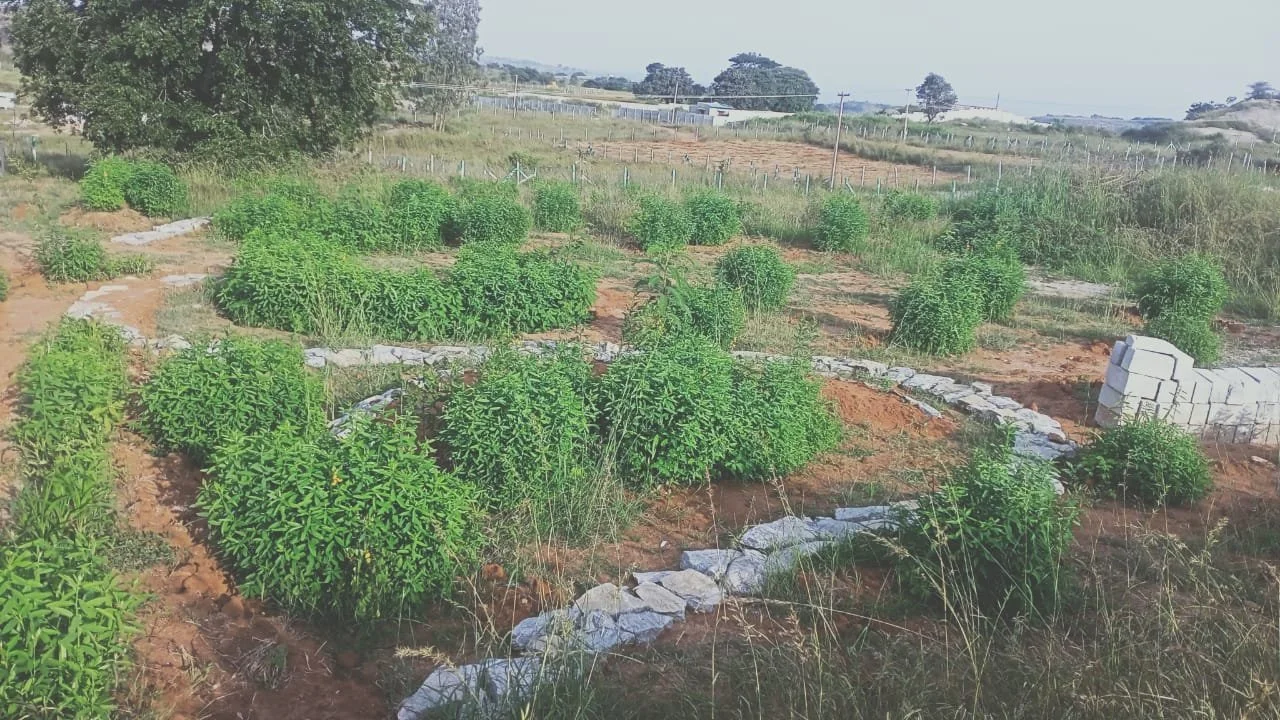
biomass species introduced (Pc credits caretaker)
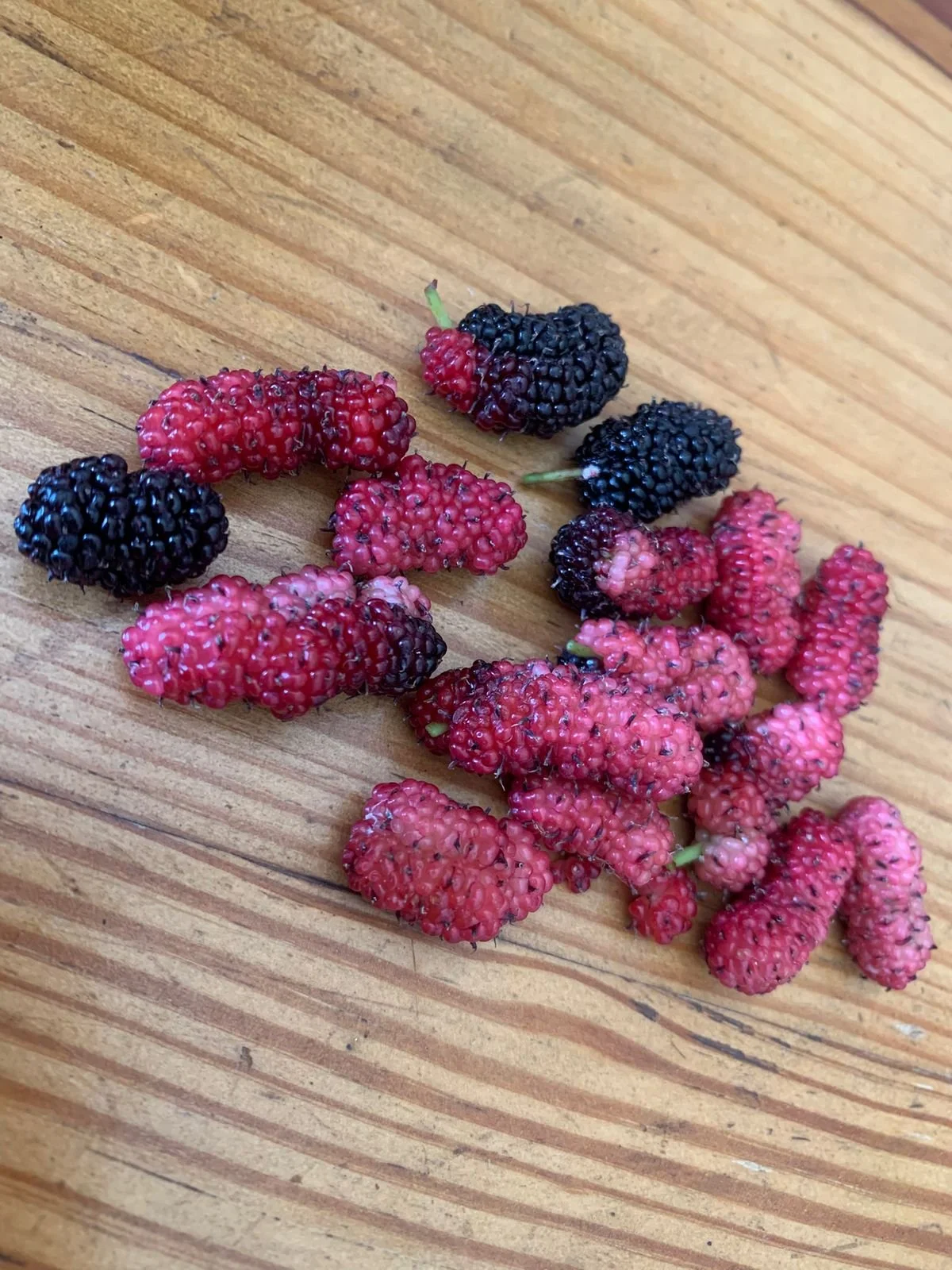
Mulberry harvested by client on site (PC credits Client)
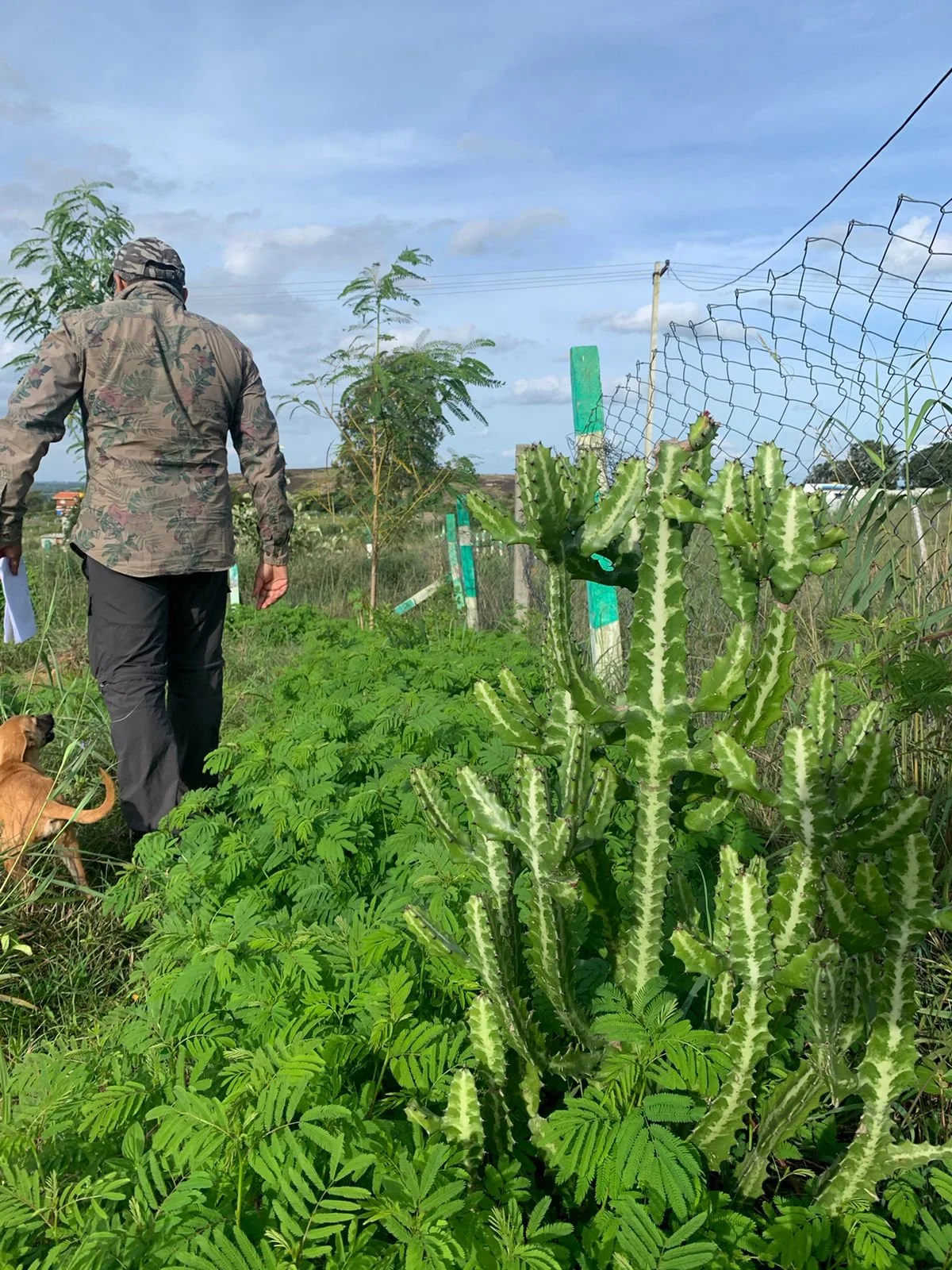
Living fence establishing (PC credits Client)
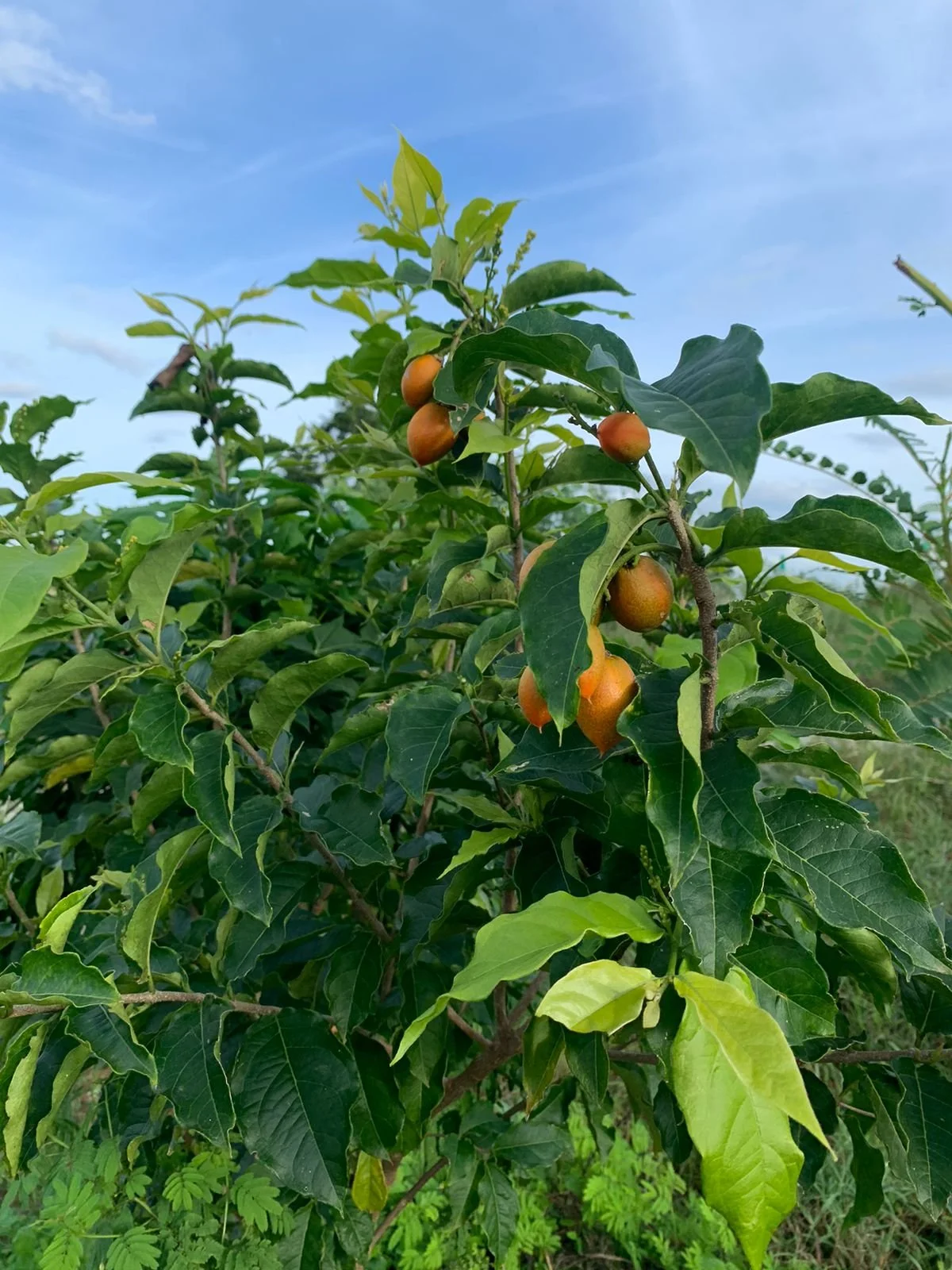
Fruiting observed on site (PC credits Client)
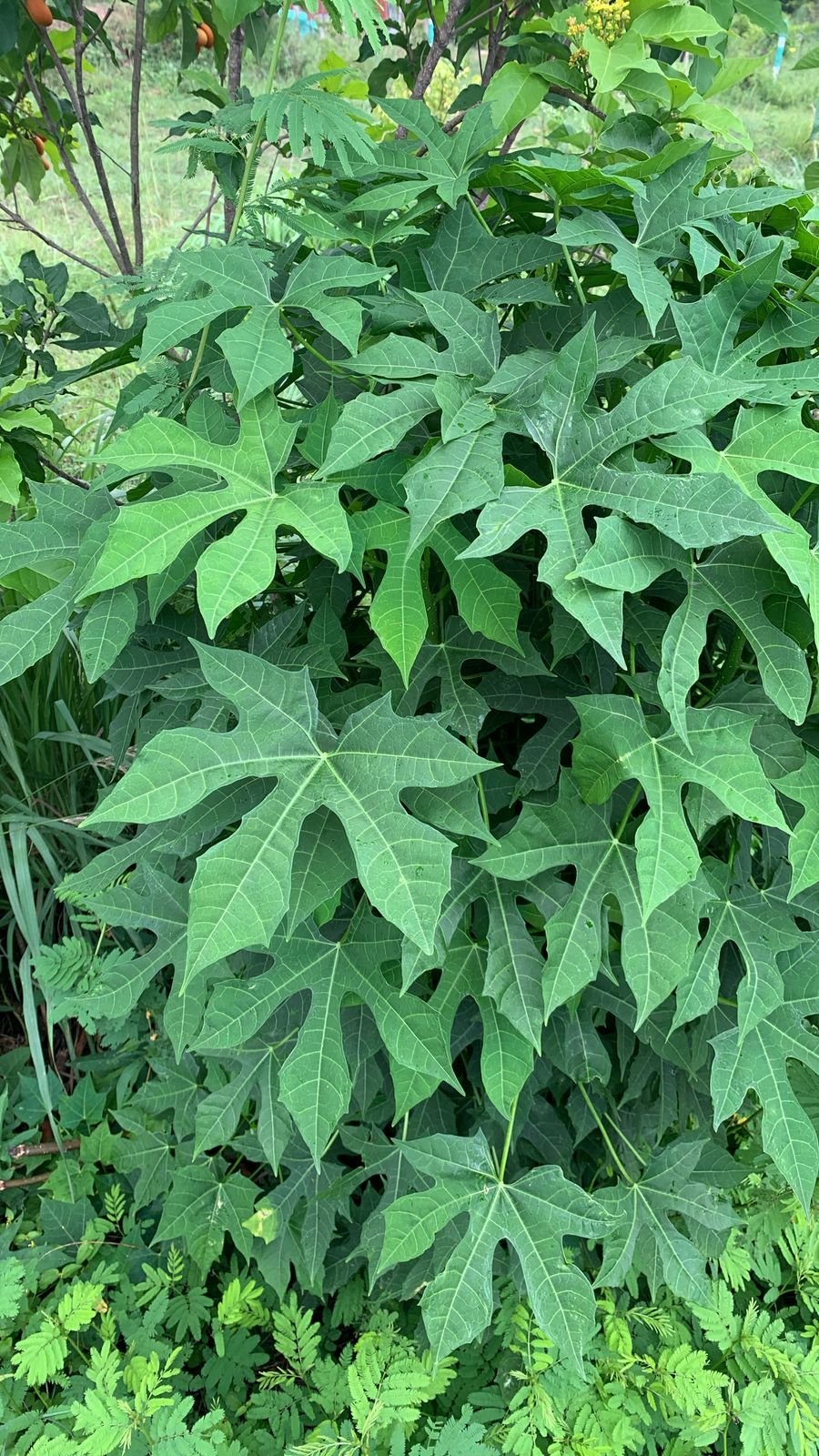
Chaya Tree, 1.5 years after planting
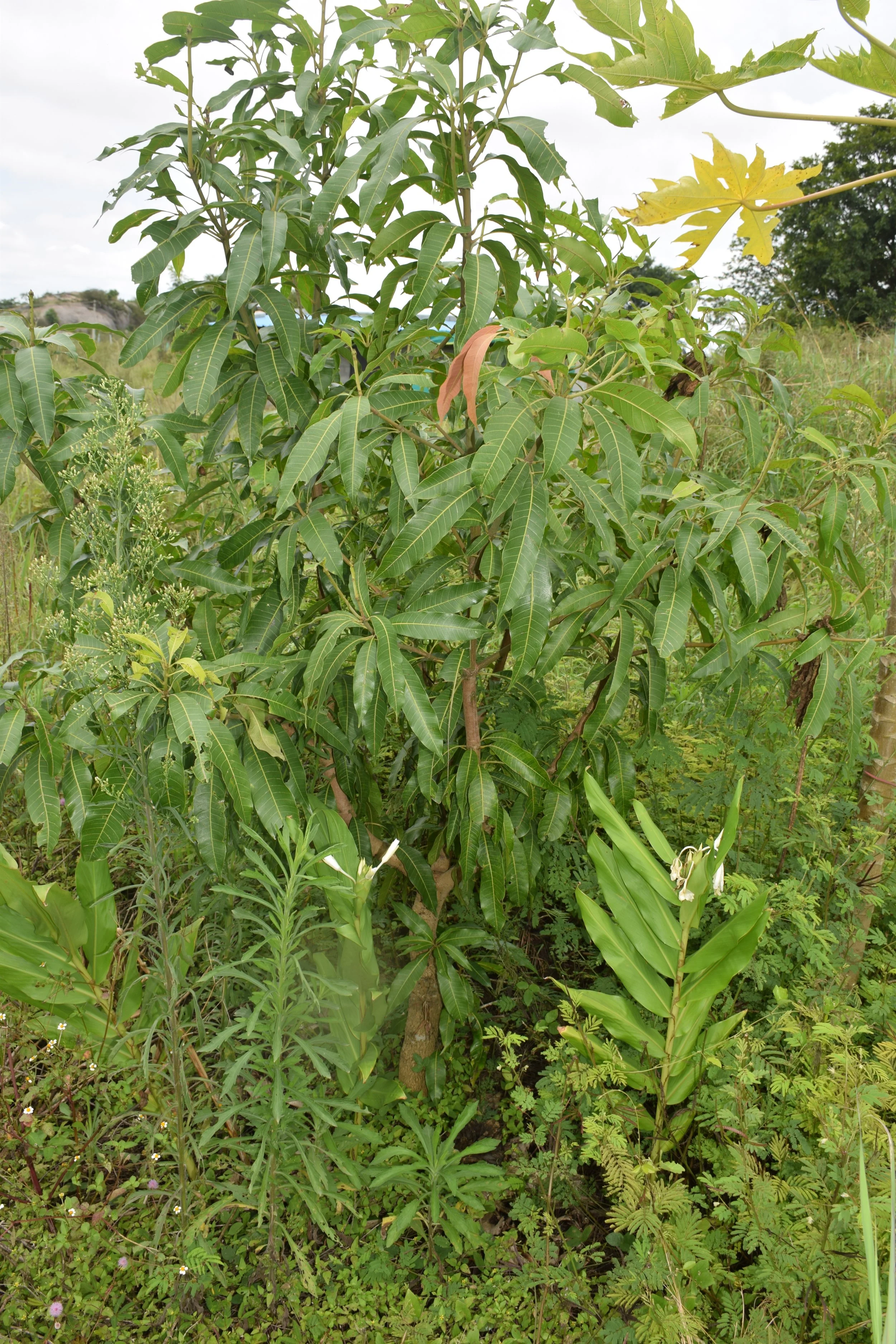
Guilds 2 years after implementation
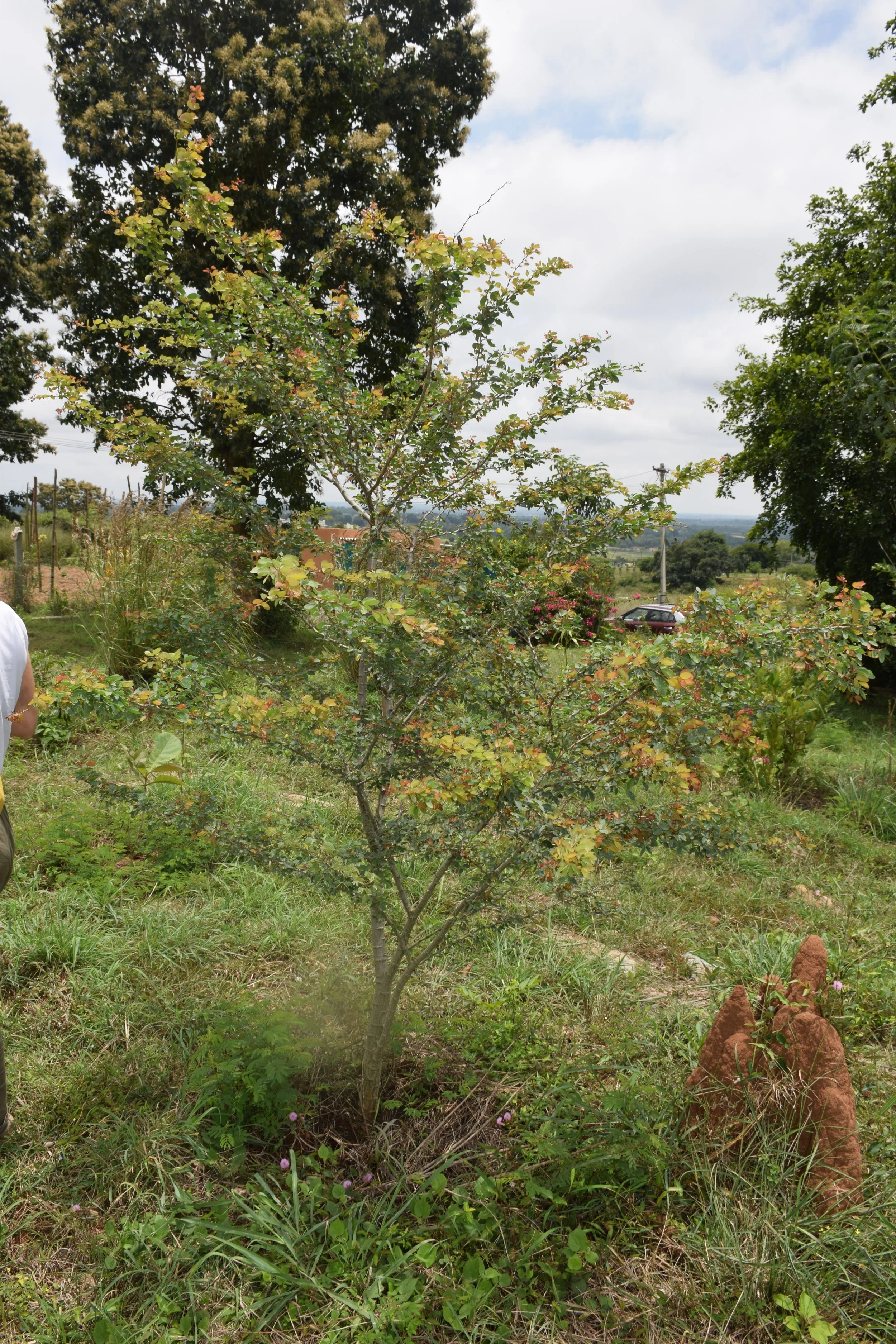
Wild zone 2 years after implementation
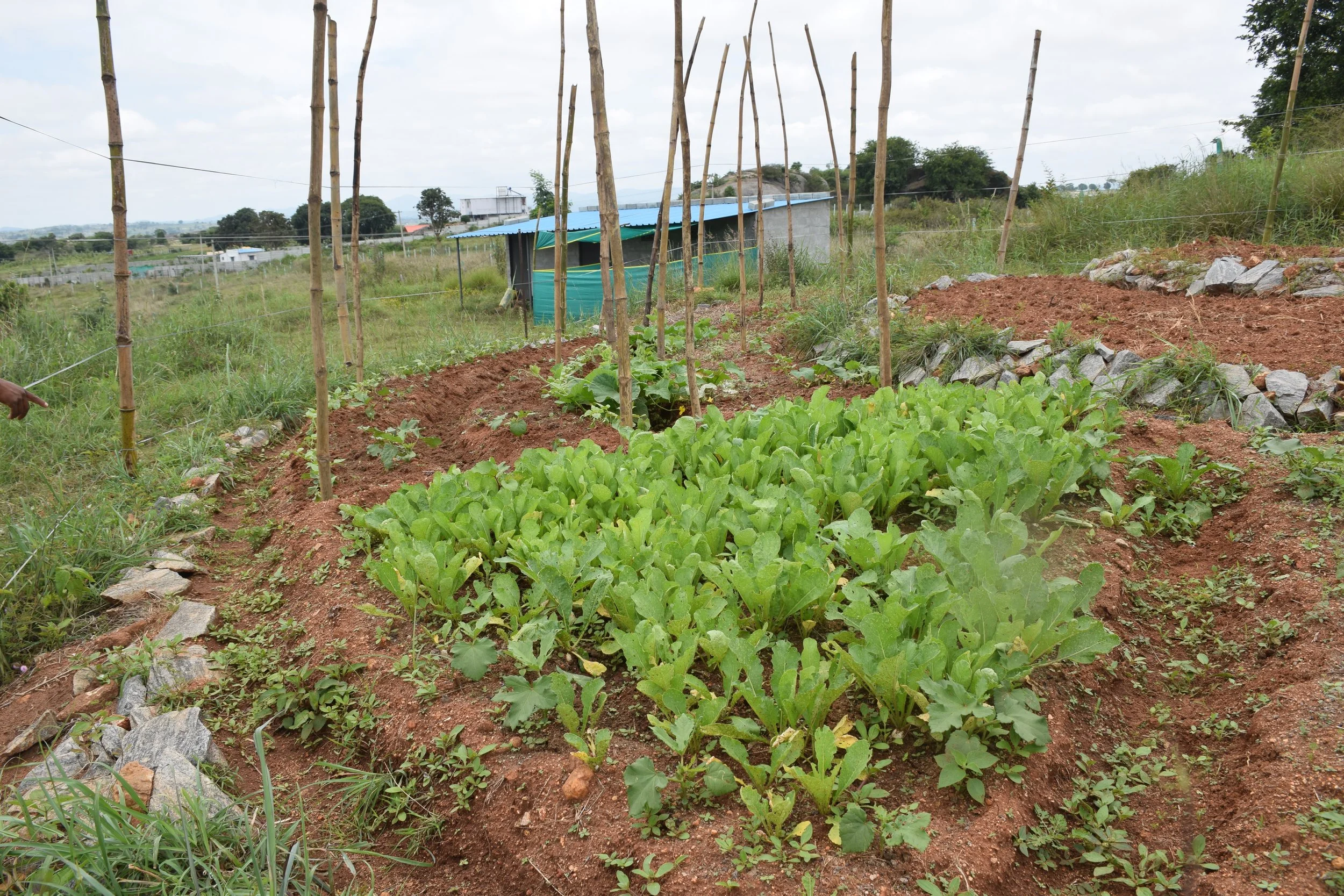
Raised vegetable beds introduced by caretaker and client
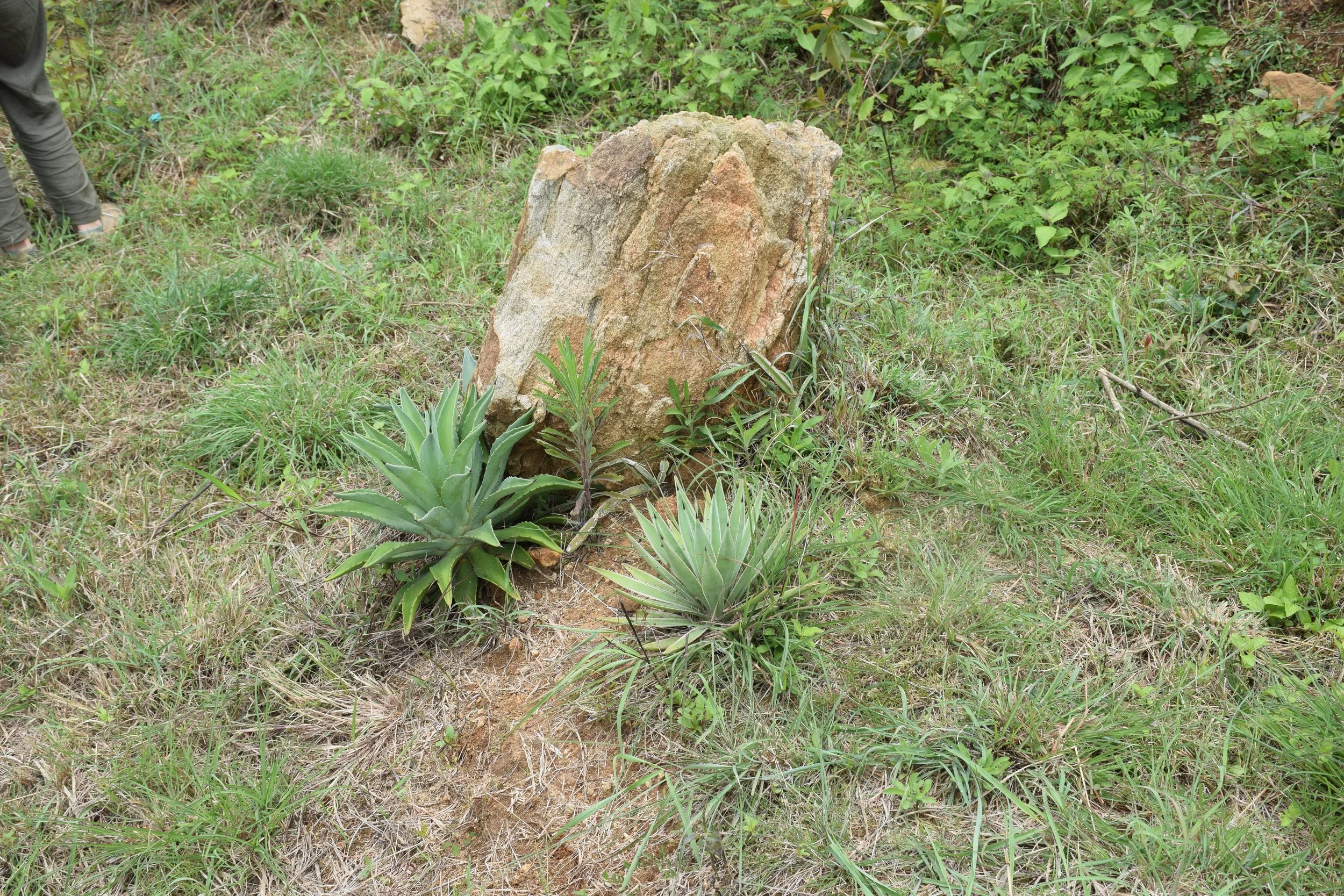
Planting around rocks and bunds
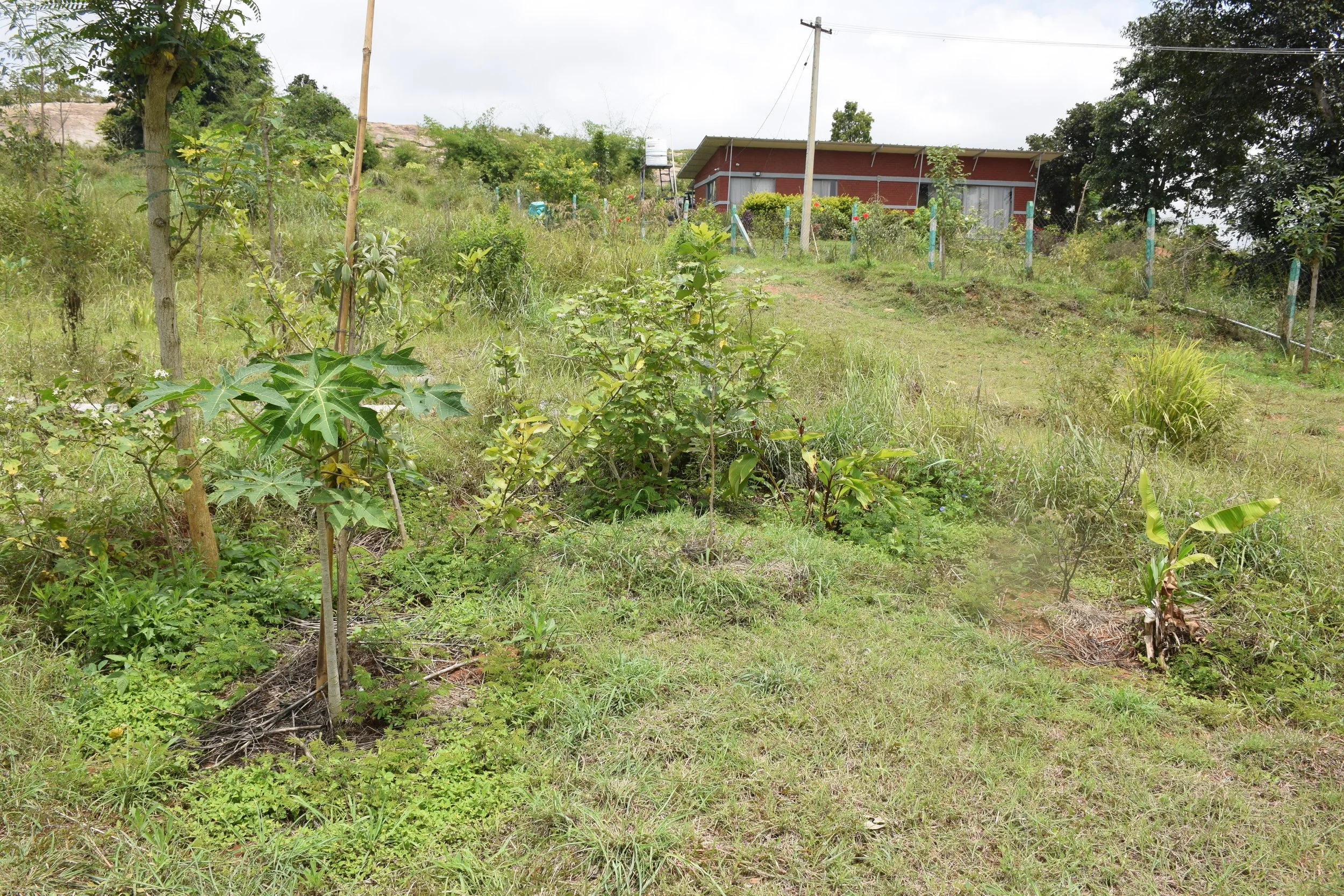
Guilds 2 years after implementing