Gundlupete Farm
Project size: 3.5 acres
September-October 2026
Key design features: Earthworks masterplan, syntropic agroforestry, food forest, ponds, whole systems design
Project team: Sanjana Radhakrishnan (Project lead); Ajay Vallabhaneni
Elevation: 842 metres above sea level
Annual rainfall: 1150mm / 45.2 inches
Climate: Tropical savanna
Bioregion: South Deccan Plateau Dry Deciduous Forest
Soil type: Loam / silt loam / silt / sandy loam
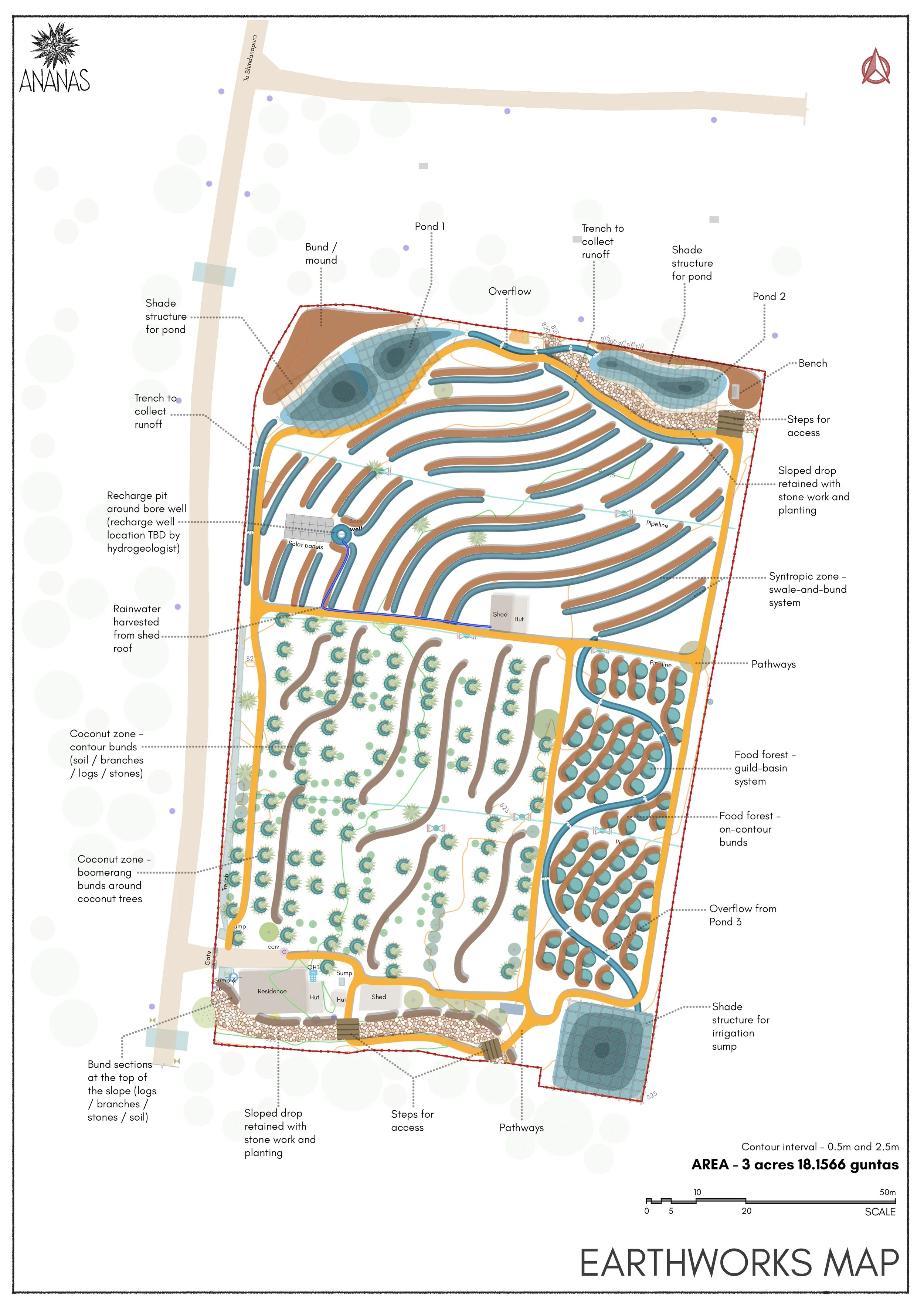
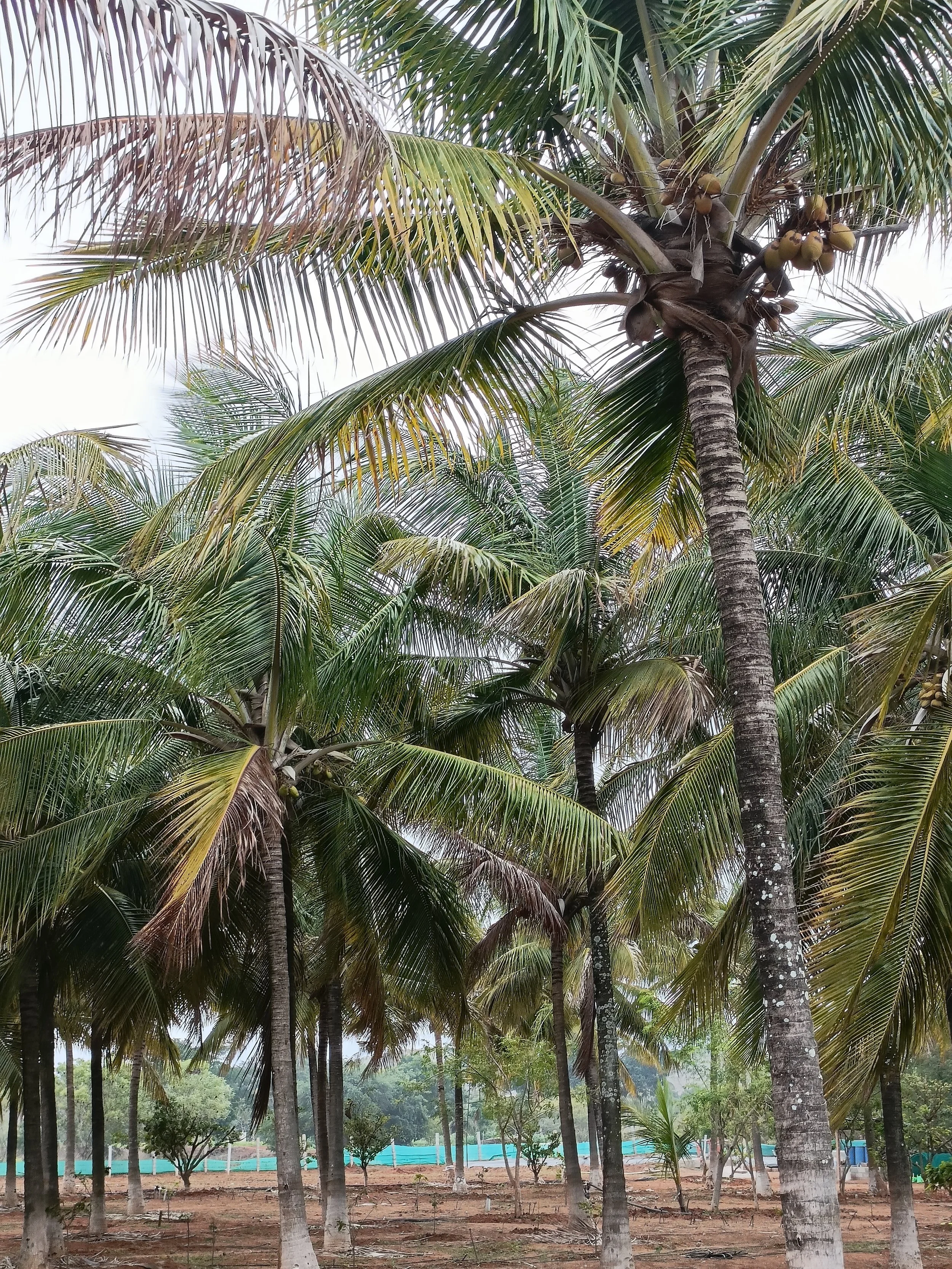
The project aimed to retrofit an existing, functional organic coconut farm in a rain-shadow region with an earthworks system to improve groundwater recharge, slow down and capture runoff during high-rainfall events, and passively irrigate planted zones. This was accompanied by a comprehensive plan of action to recharge a defunct borewell and improve the yield of a functional one. Strategies focused on working with existing systems, rather than starting with a blank canvas.
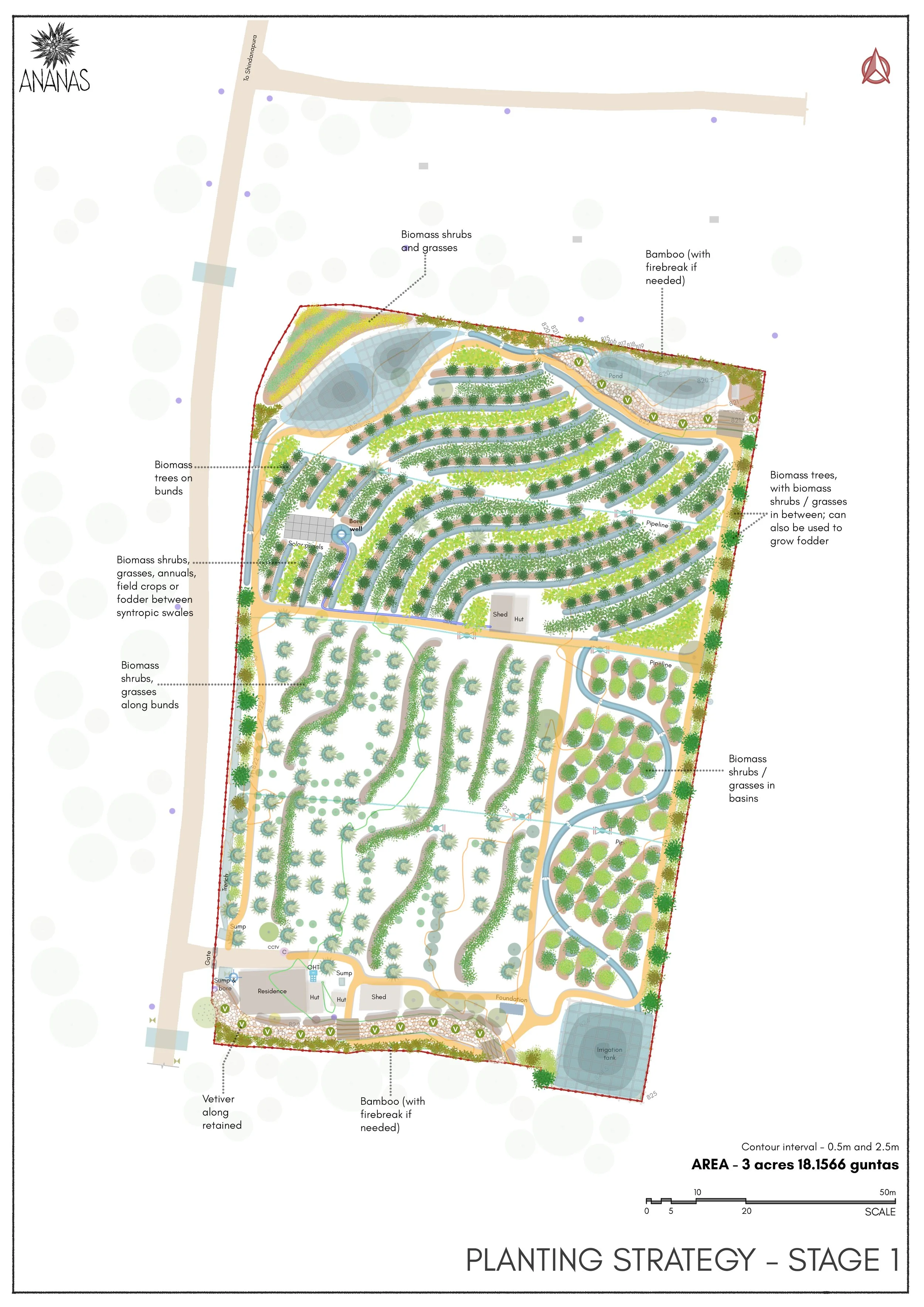
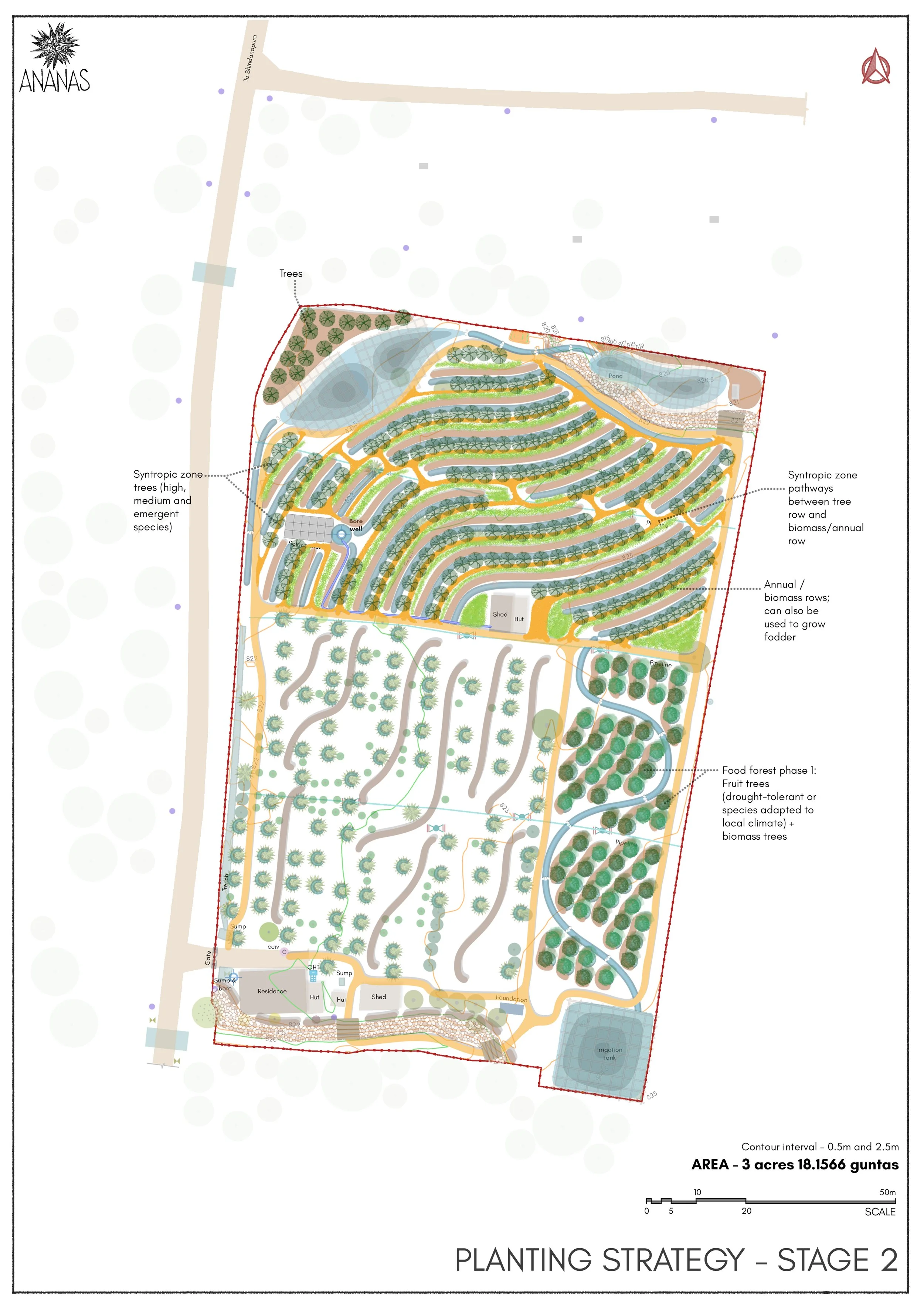
The earthworks masterplan was supported by a two-phase planting layout with simple strategies to improve nutrient levels in the soil, stop evaporative losses, and slowly develop self-sustaining food forests in two formats - syntropic agroforestry and guilds.
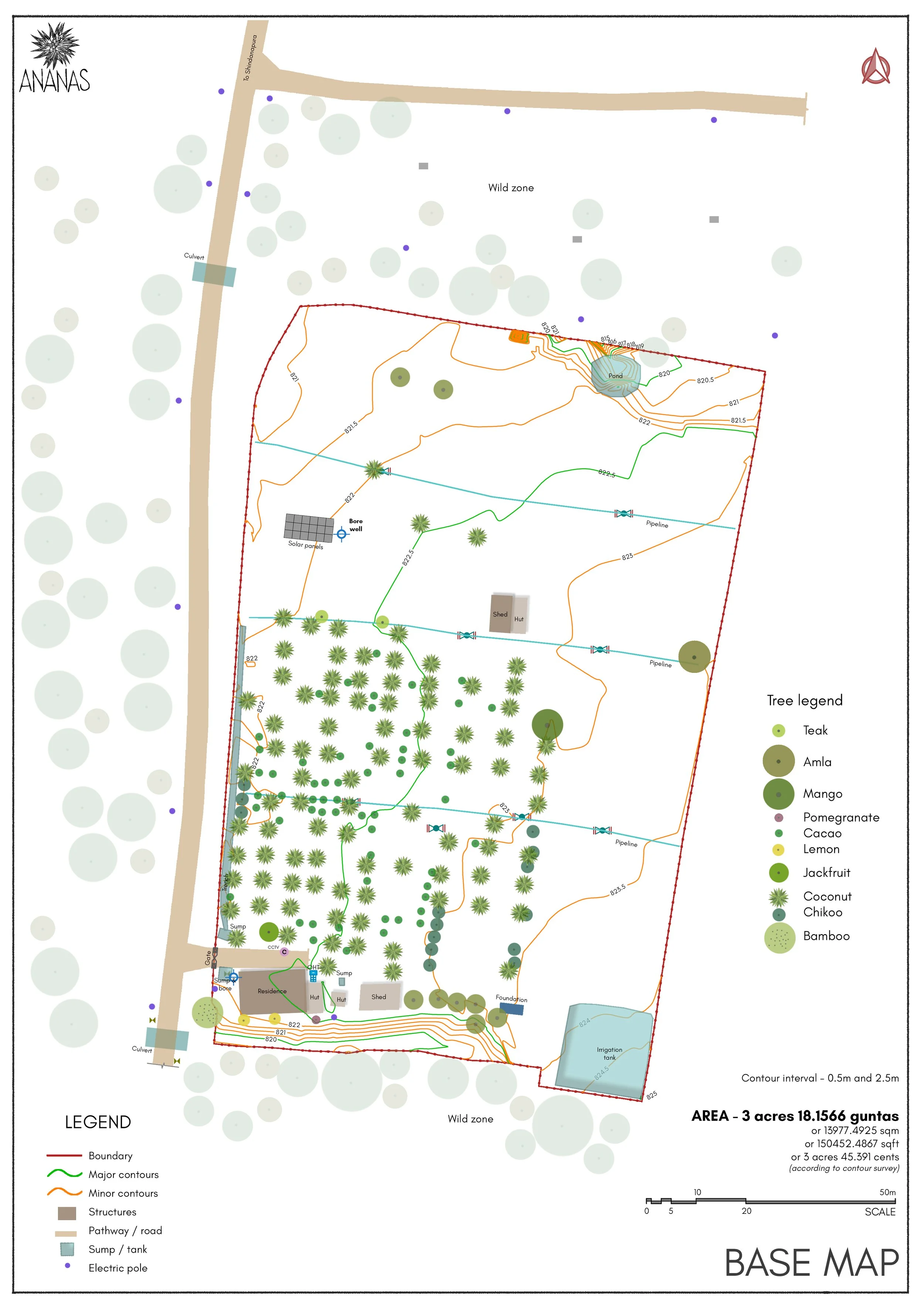
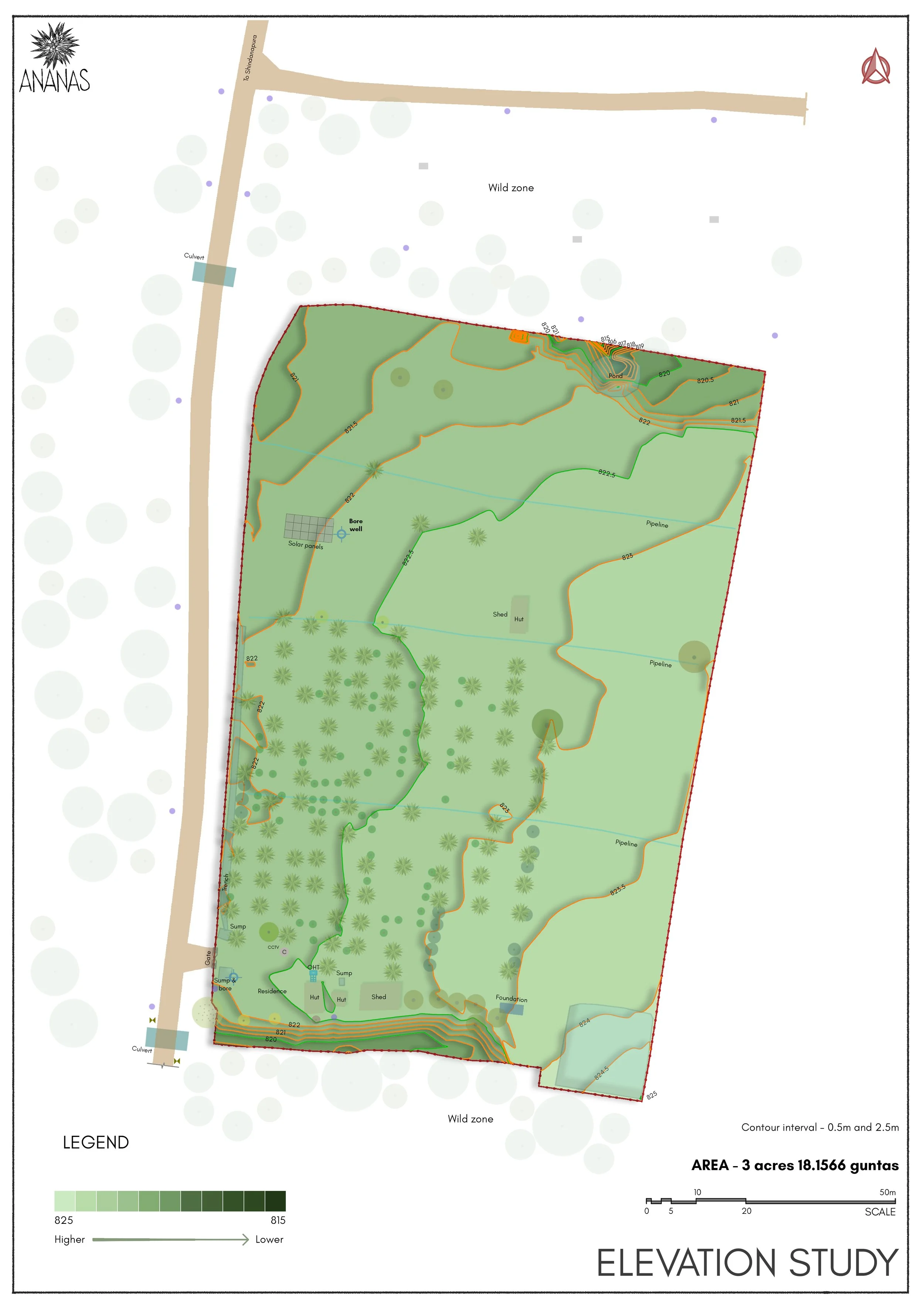
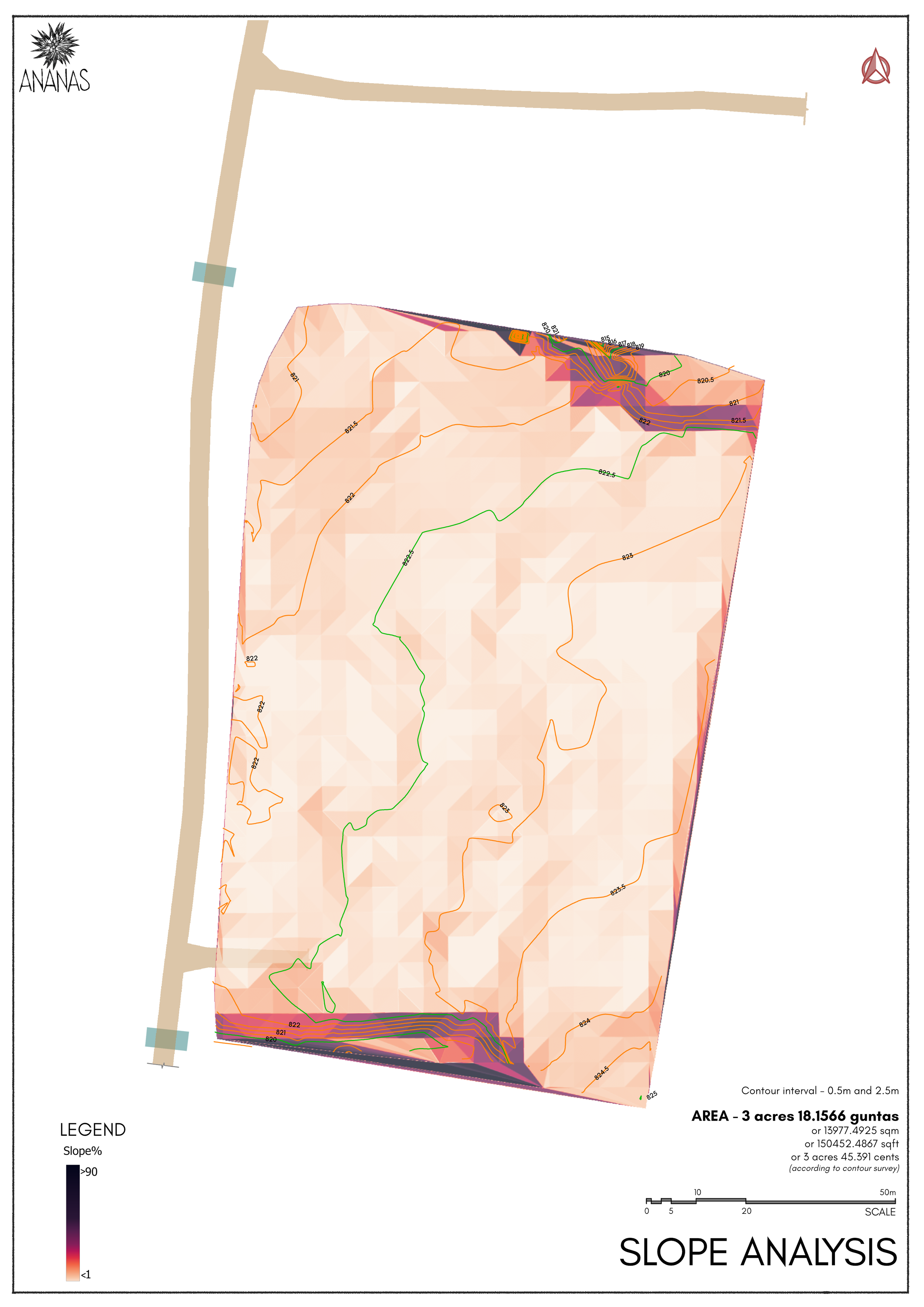
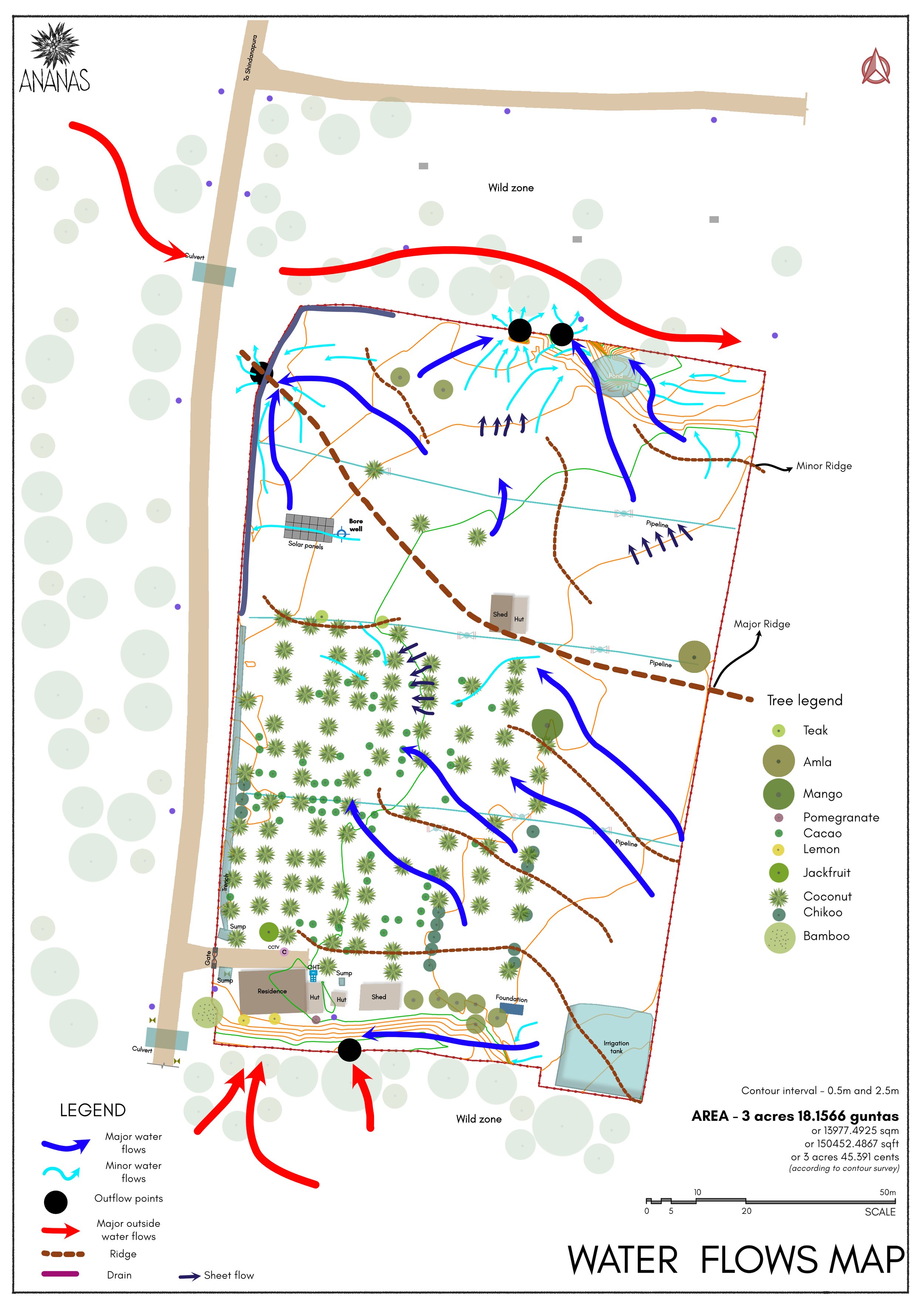
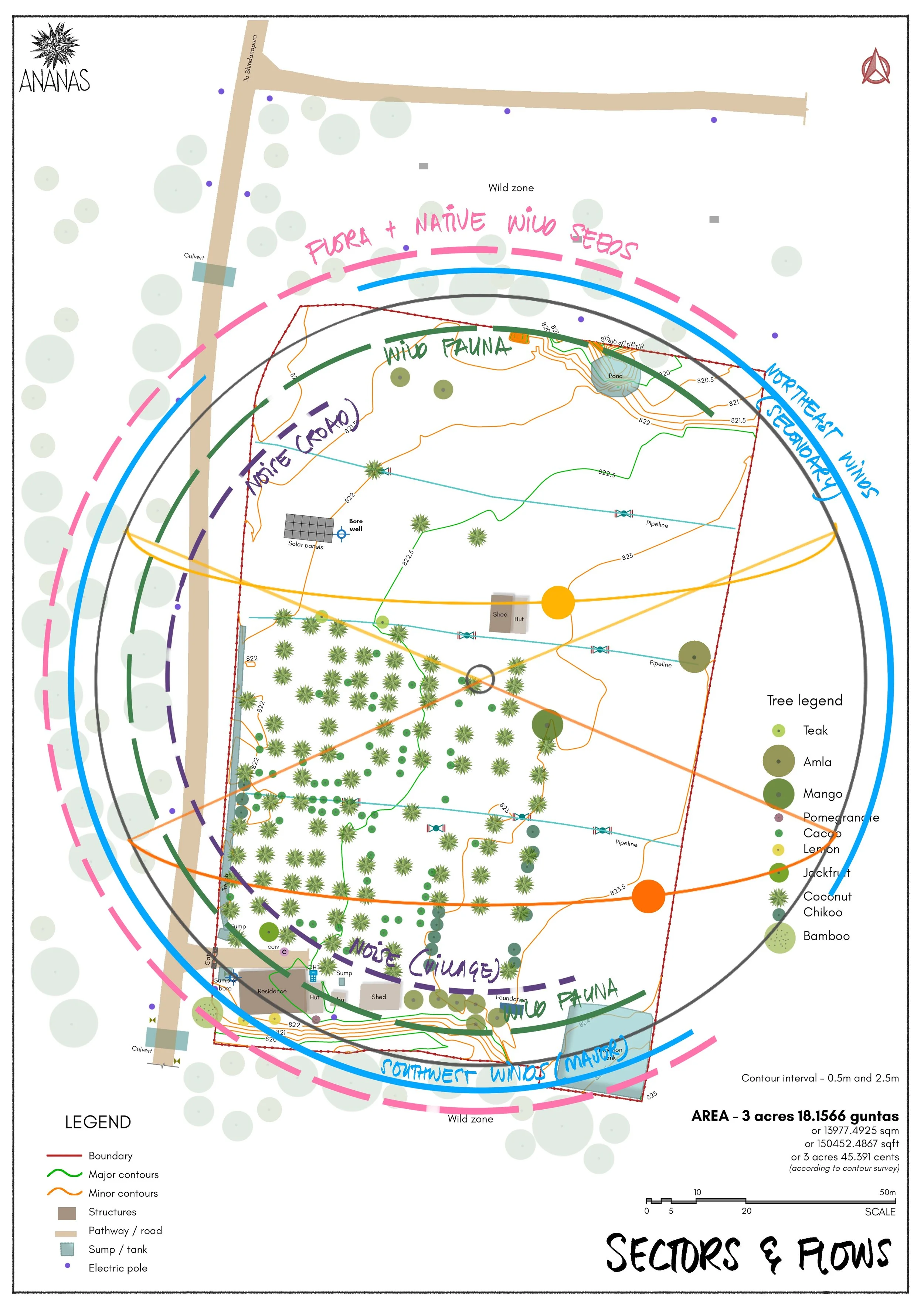
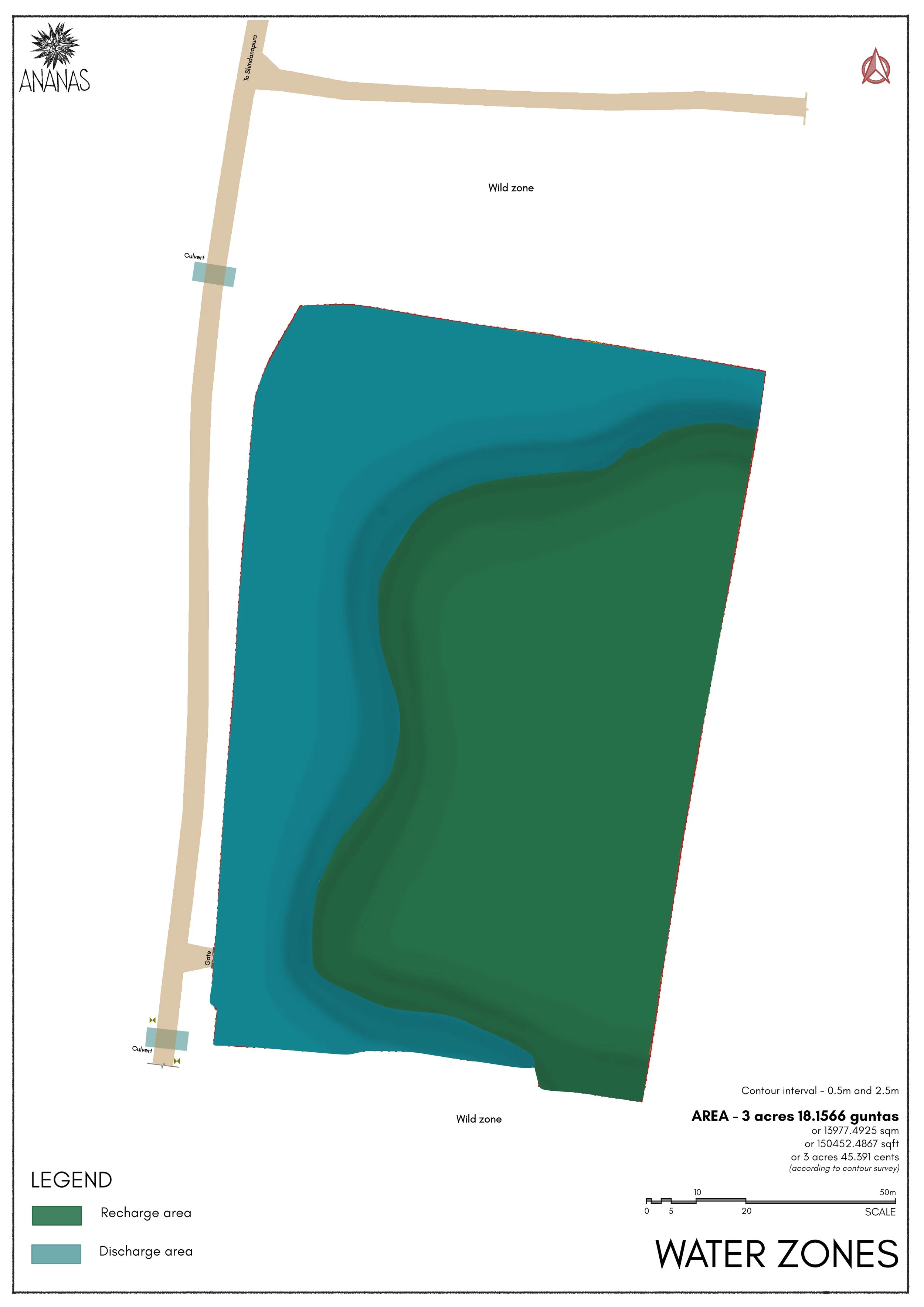
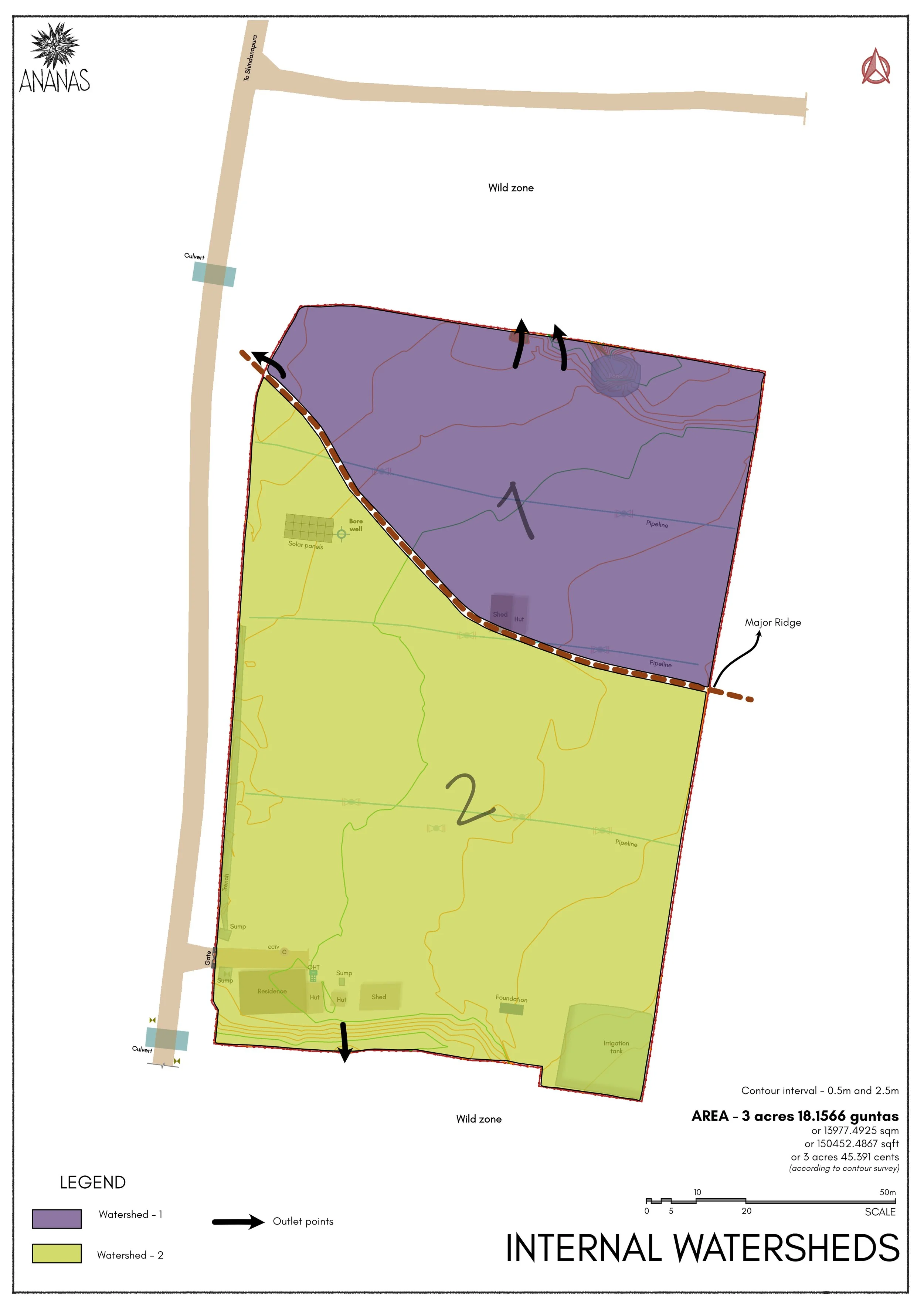
The design began with mapping water flows and identifying rainwater harvesting potential within the land’s catchment, along with a thorough study of the area’s geology and soil.
Syntropic agroforestry taps into natural succession through dense planting, structured pruning, and grouping species by lifespan to create long term waves of harvest. Plant guilds were set within basins, with phased planting that transitions from sun loving pioneer species to shade tolerant understory and groundcover as the system matures.
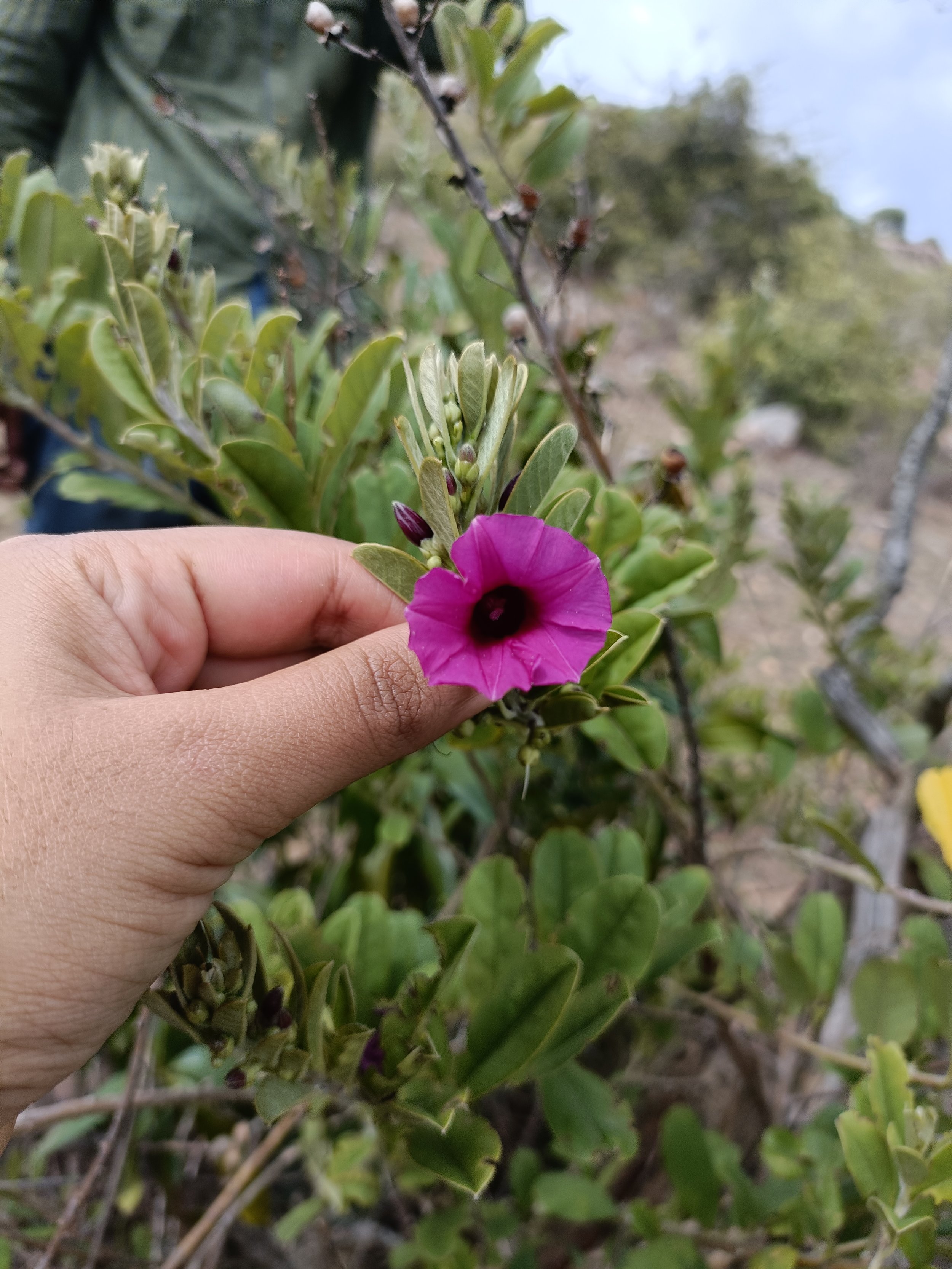
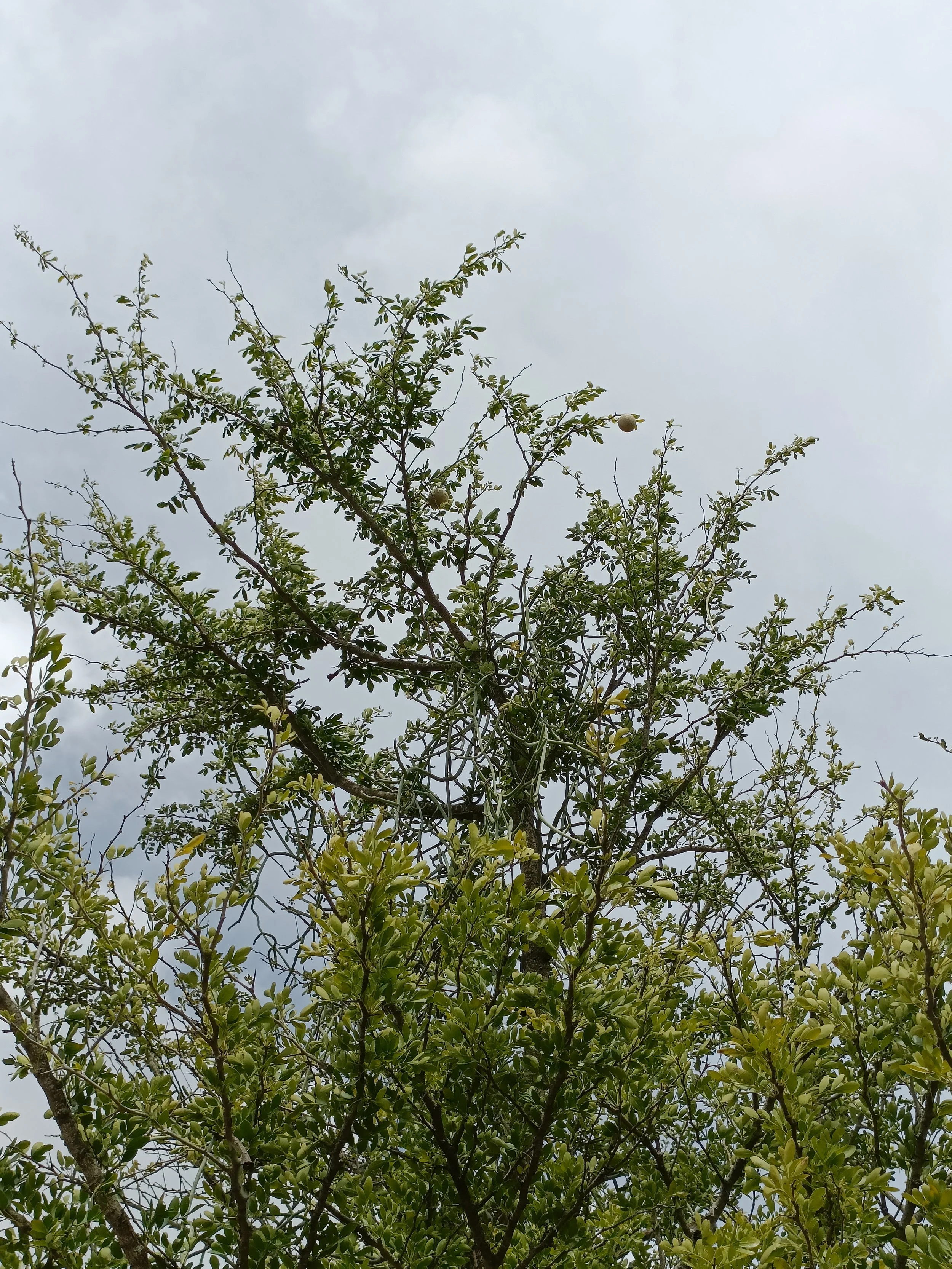
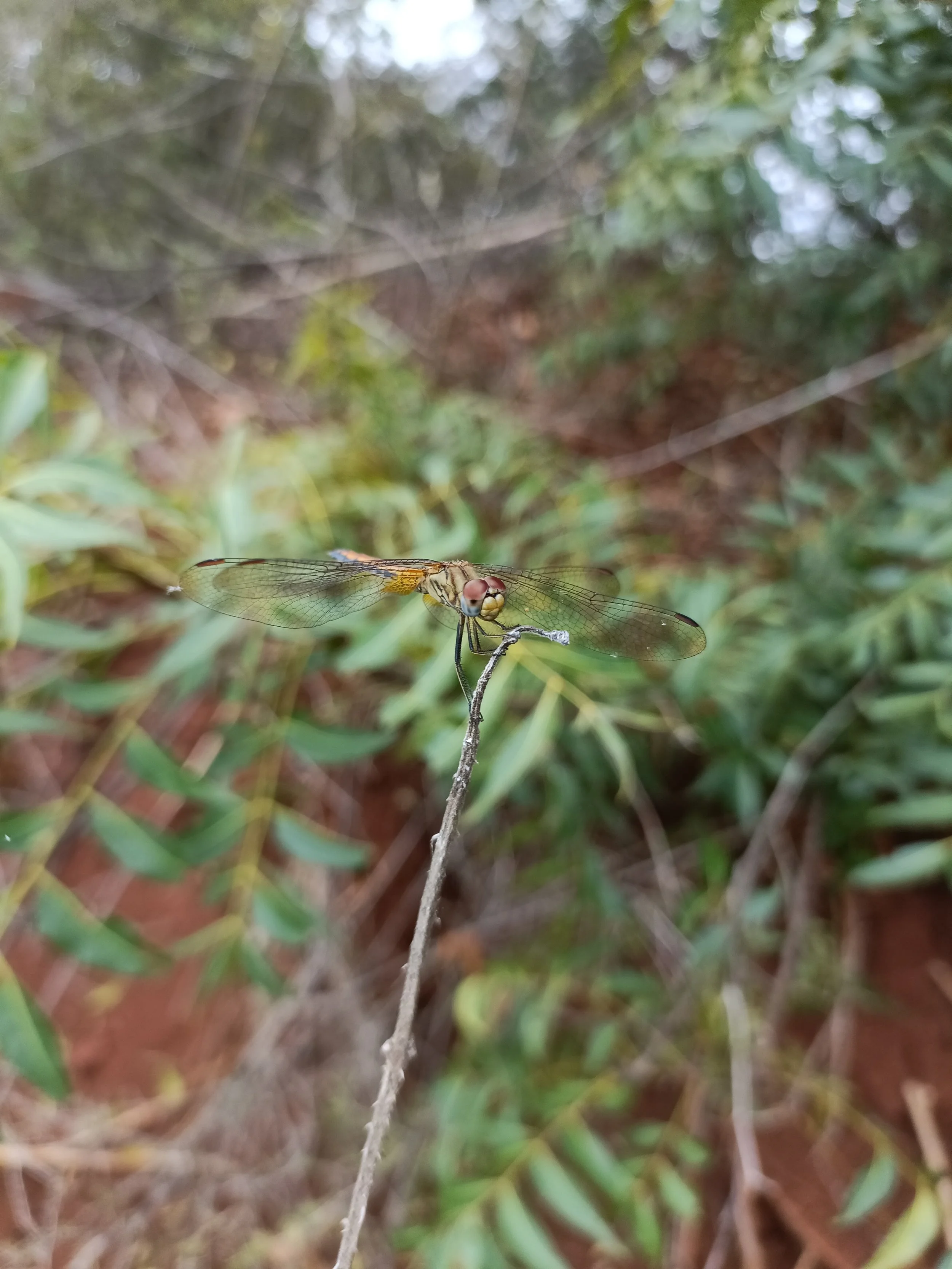
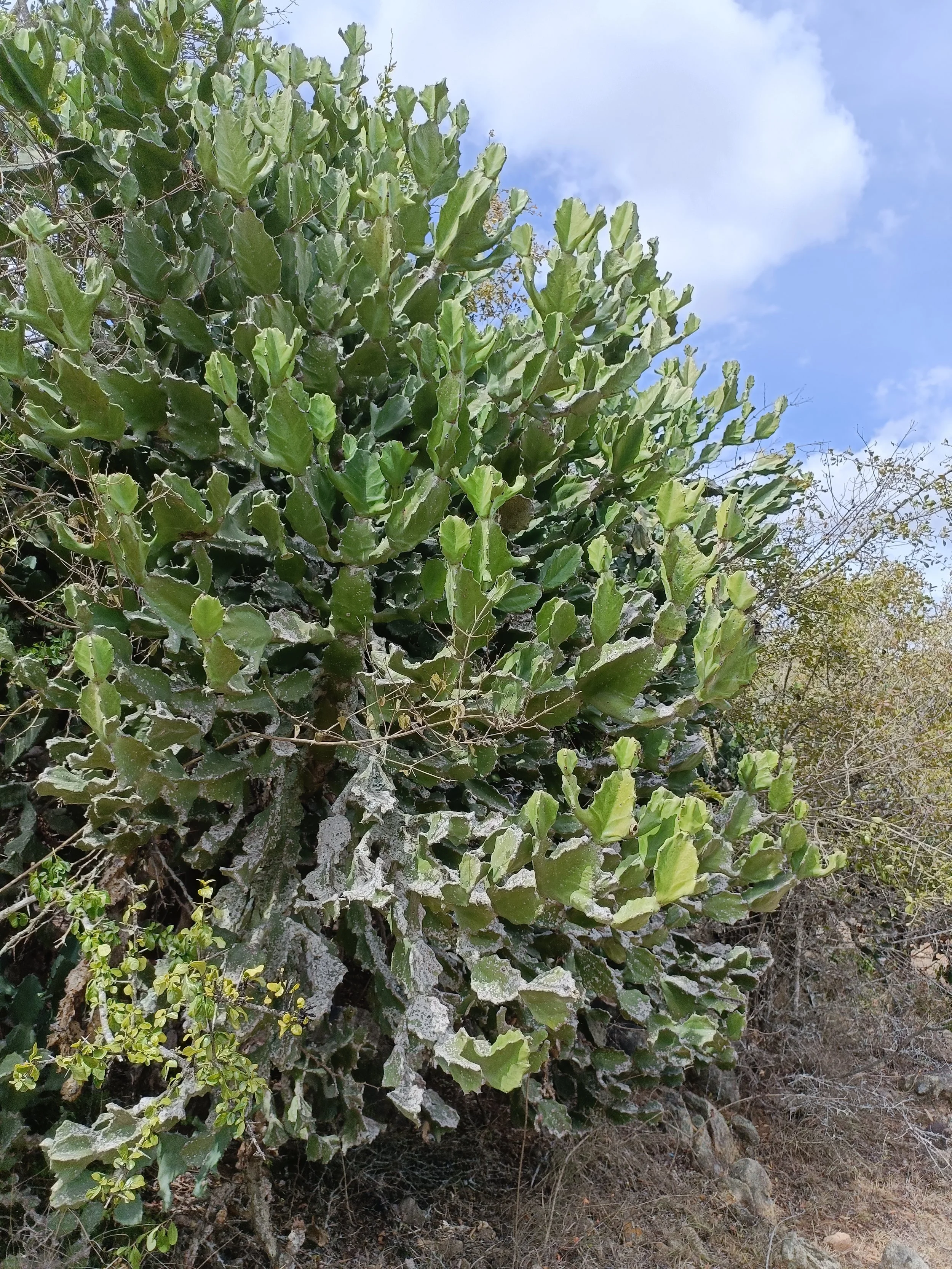
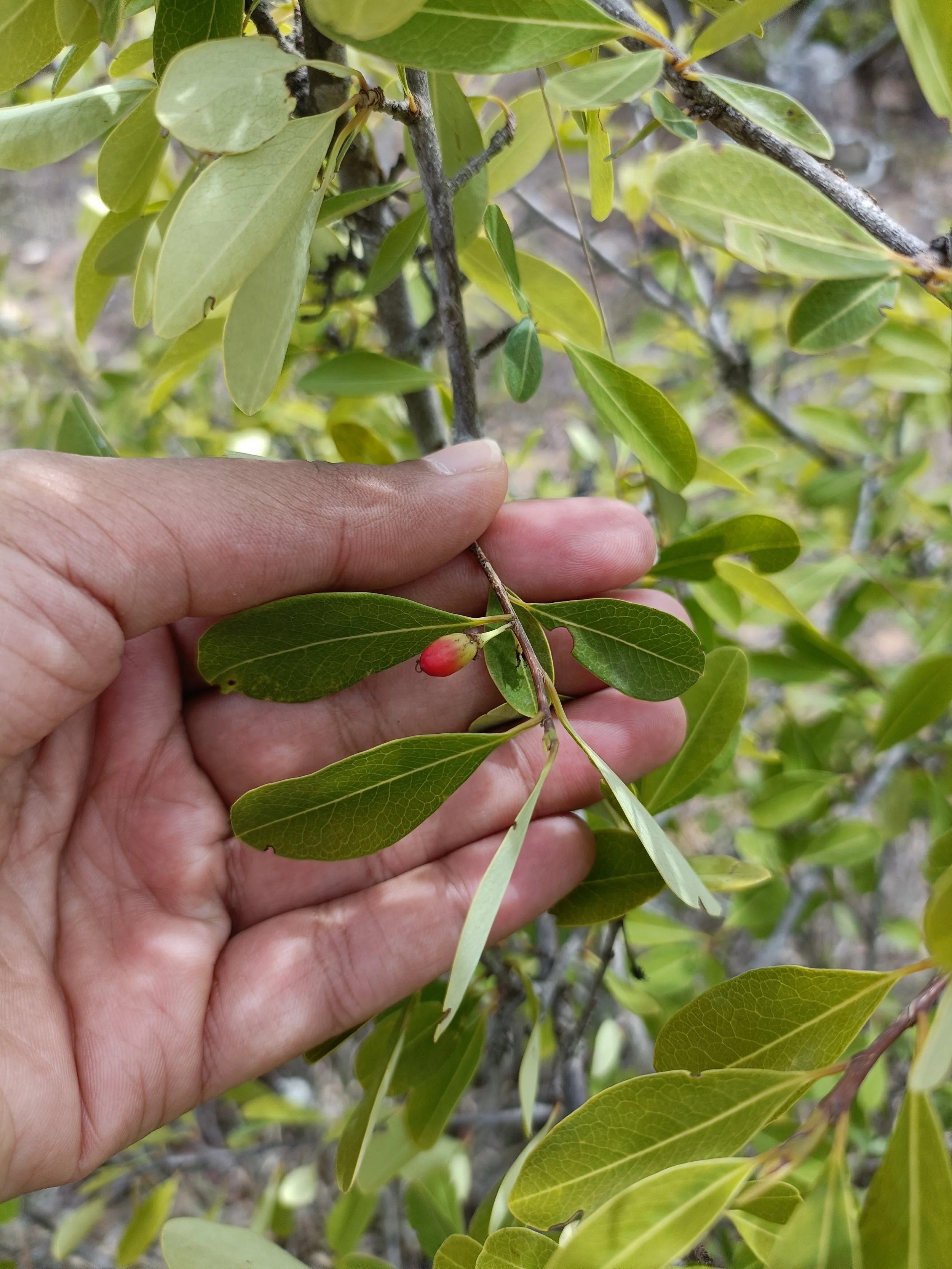
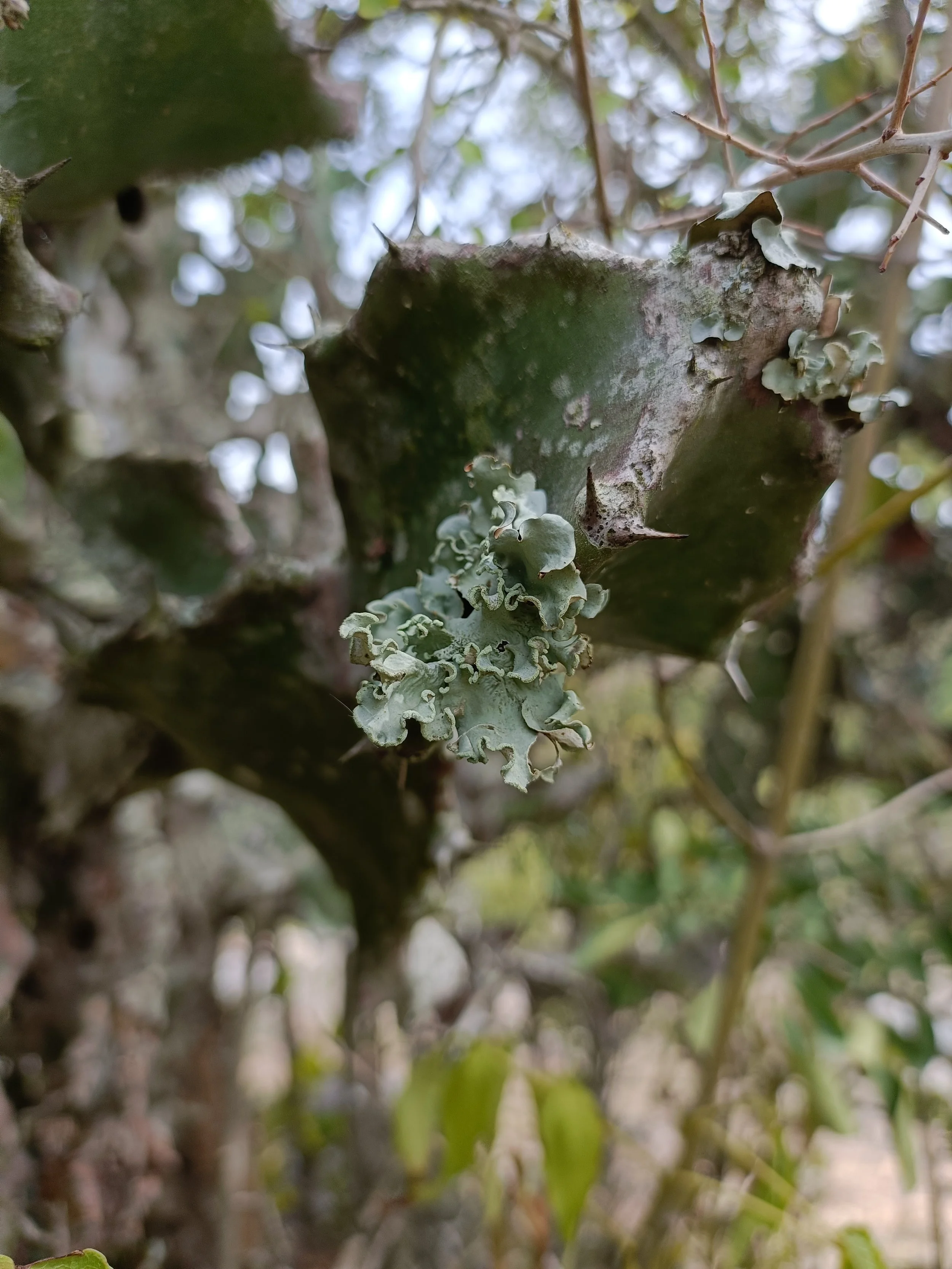
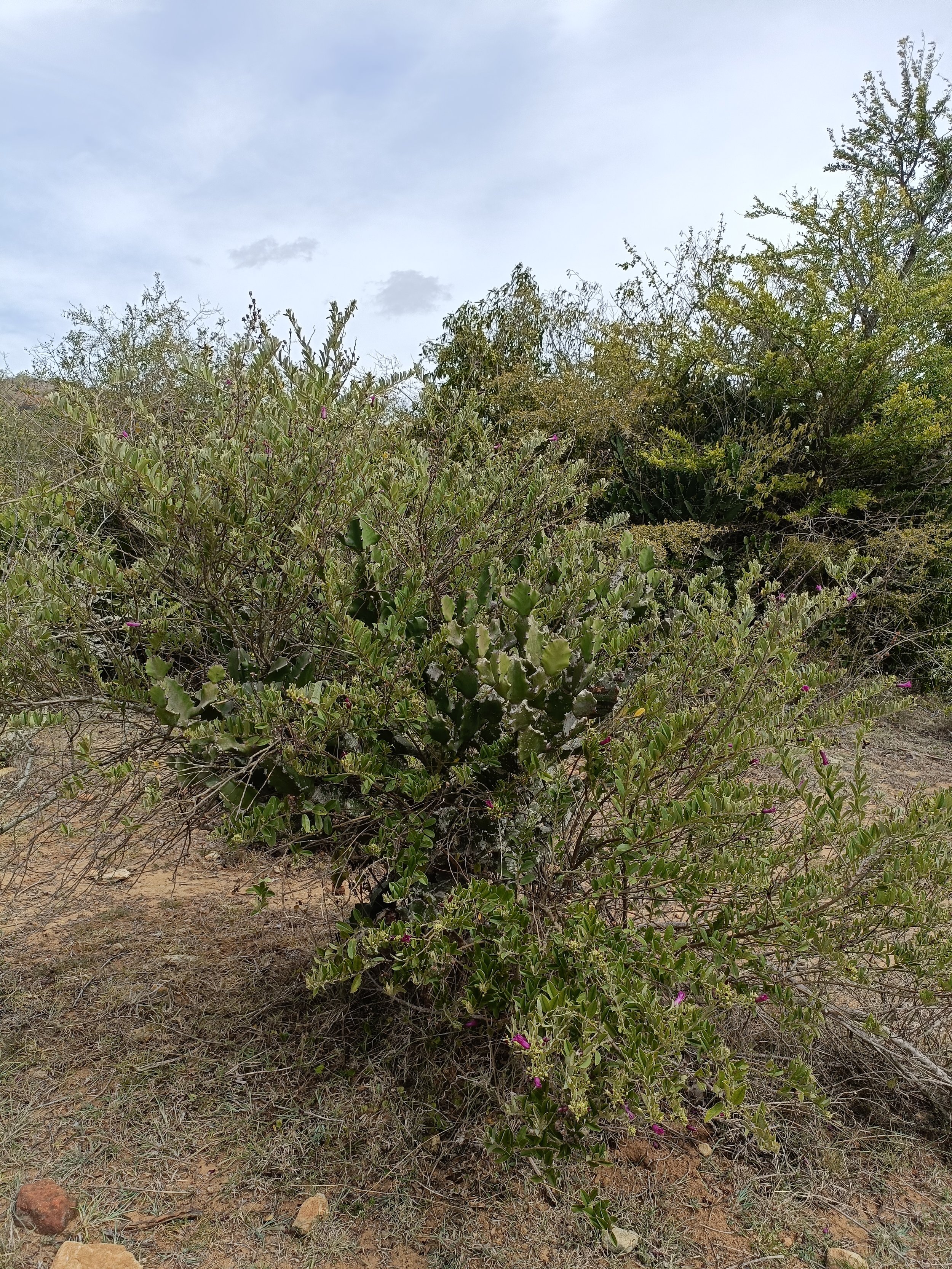
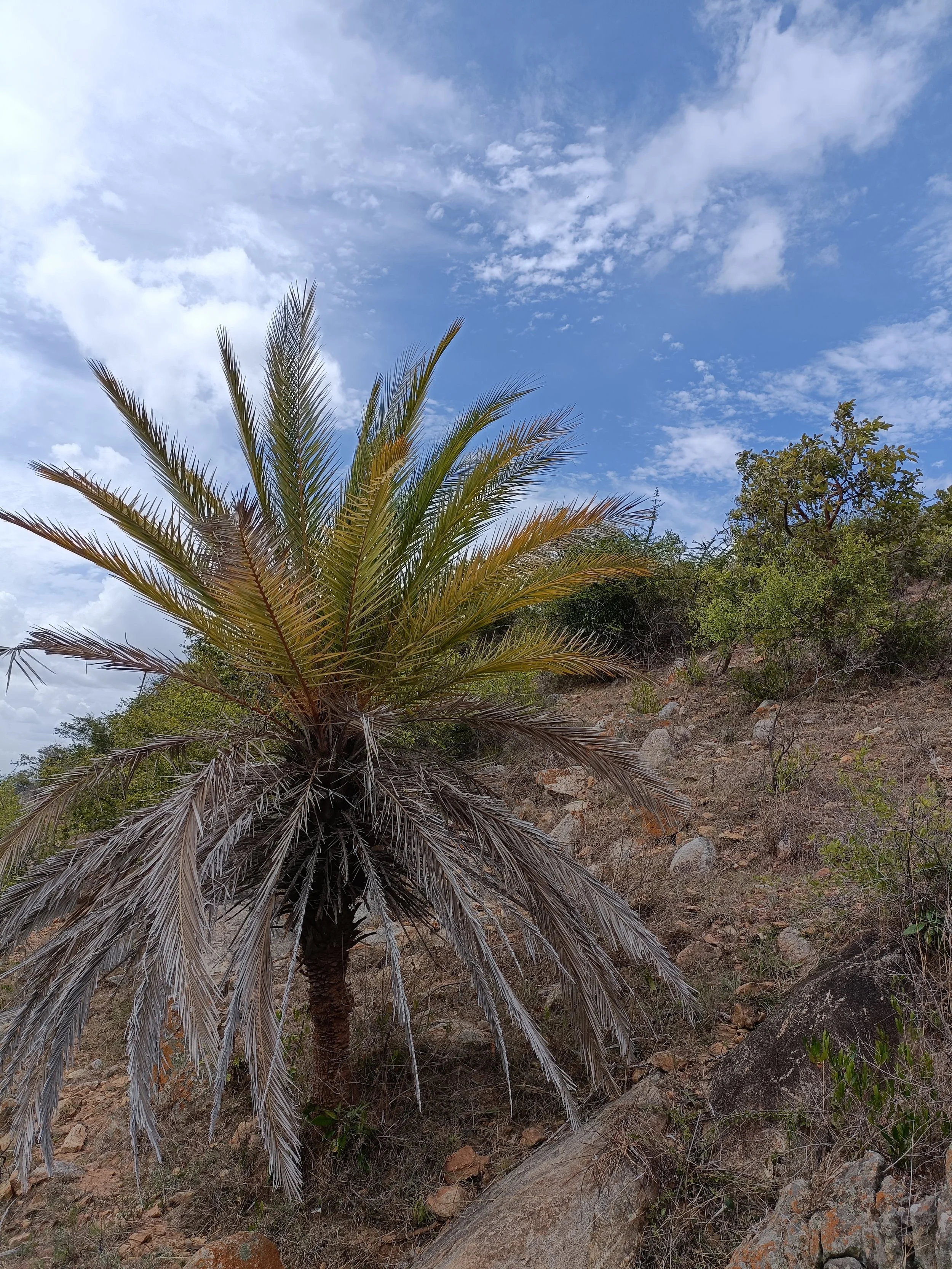
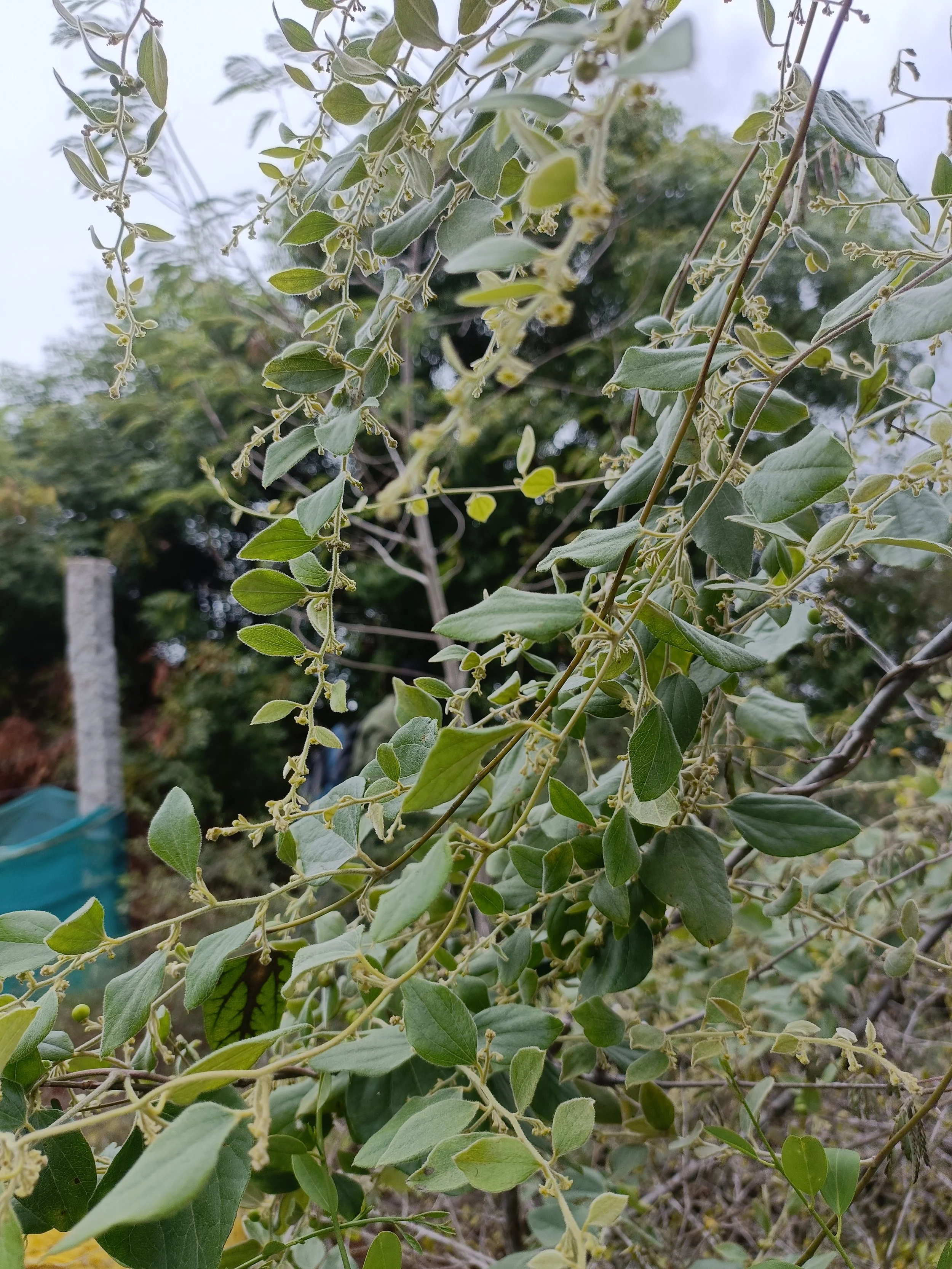
A neighbouring wild zone was studied to assess the types of species that thrive naturally in this region, and under what conditions.
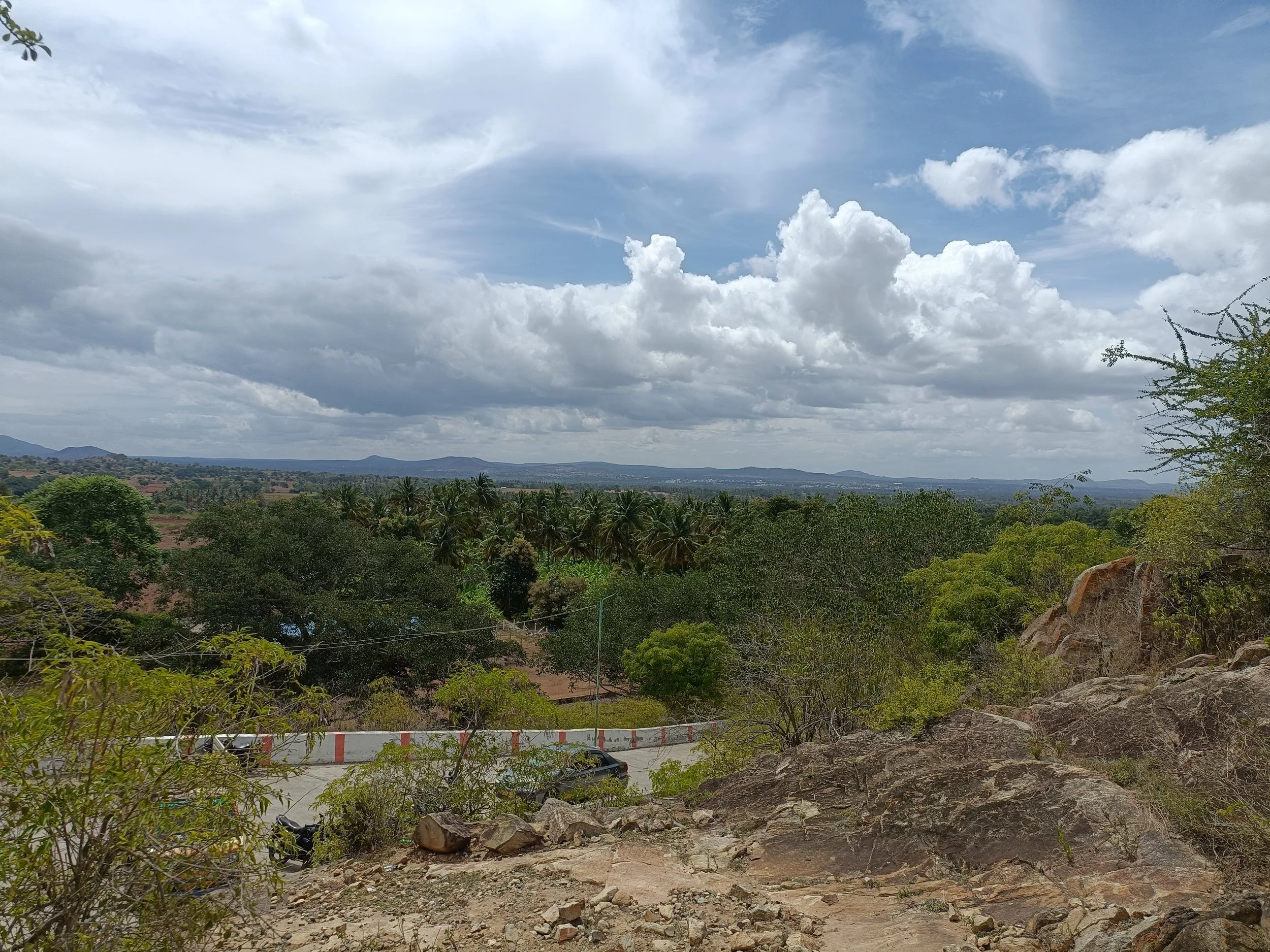
Photos from the land and a neighbouring wild zone - to assess the types of species that grow naturally in this rain-shadow region