

Cities get a wake up call during high-profile climate summits and start funding weaselly projects that claim to retrofit biocentric landscapes into our anthropocentric concrete jungles.
But the incessant pressure of urban development to accommodate all the working individuals of this country into a handful of cities has already usurped and obliterated all of nature in the city or any memories of it.
We’re eager to revolt and take climate action against this.
And we impulsively want to plant a damn tree.
Sure, trees are keystone ecosystems that make a place liveable and desirable for humans (both fundamentally and mentally). The Three rules principle 3+30+300 mandate proves how deeply our psyche is inherited by the green spaces around us. Afforestation projects are being implemented across hundreds of cities globally and have successfully created many urban parks to enhance the lives of city dwellers. There is no doubt that increasing the green cover is the umbrella Nature-based solution to most of our problems, but why are Indian farmers, gardeners and ecologists conflicted about ‘mass tree plantations drives’ and ‘miyawaki forests’? And why are non-scientific methodologies gaining more popularity when it comes to urban greening plans in India?
We’ve been responsibly and passionately planting saplings for over a decade now and have come across many different styles of landscaping a given piece of land. We’ve witnessed re-wilding projects that rely on slow regeneration of native ecology with minimal intervention, to commercial regenerative farms that need high maintenance to yield in abundance. There is one common principle that sets each of these successful project apart. The PLANNING before PLANTING.
Planting a tree sapling to the ground is a fairly simple task which takes all of 60 seconds. If reversing our ecological destruction was this effortless, we would have volunteer sanctuaries compensating for our daily dump of carbon into the atmosphere. There would be no real need for conservation studies and policies to protect native biodiversity from going extinct.
Unfortunately, these are still very far-fetched goals. We cannot create nor regenerate the complexity of intact wilderness. Climate change is inexorable and is coming at us with a vengeance we are not prepared for. We need green thumbs to gather faster than the greenwashers do. We need the accountability and expertise of ecologists, gardeners, farmers and enthusiasts - those who can care for a sapling after it is planted and nurture it to be a tree, an ecosystem, and finally a forest.
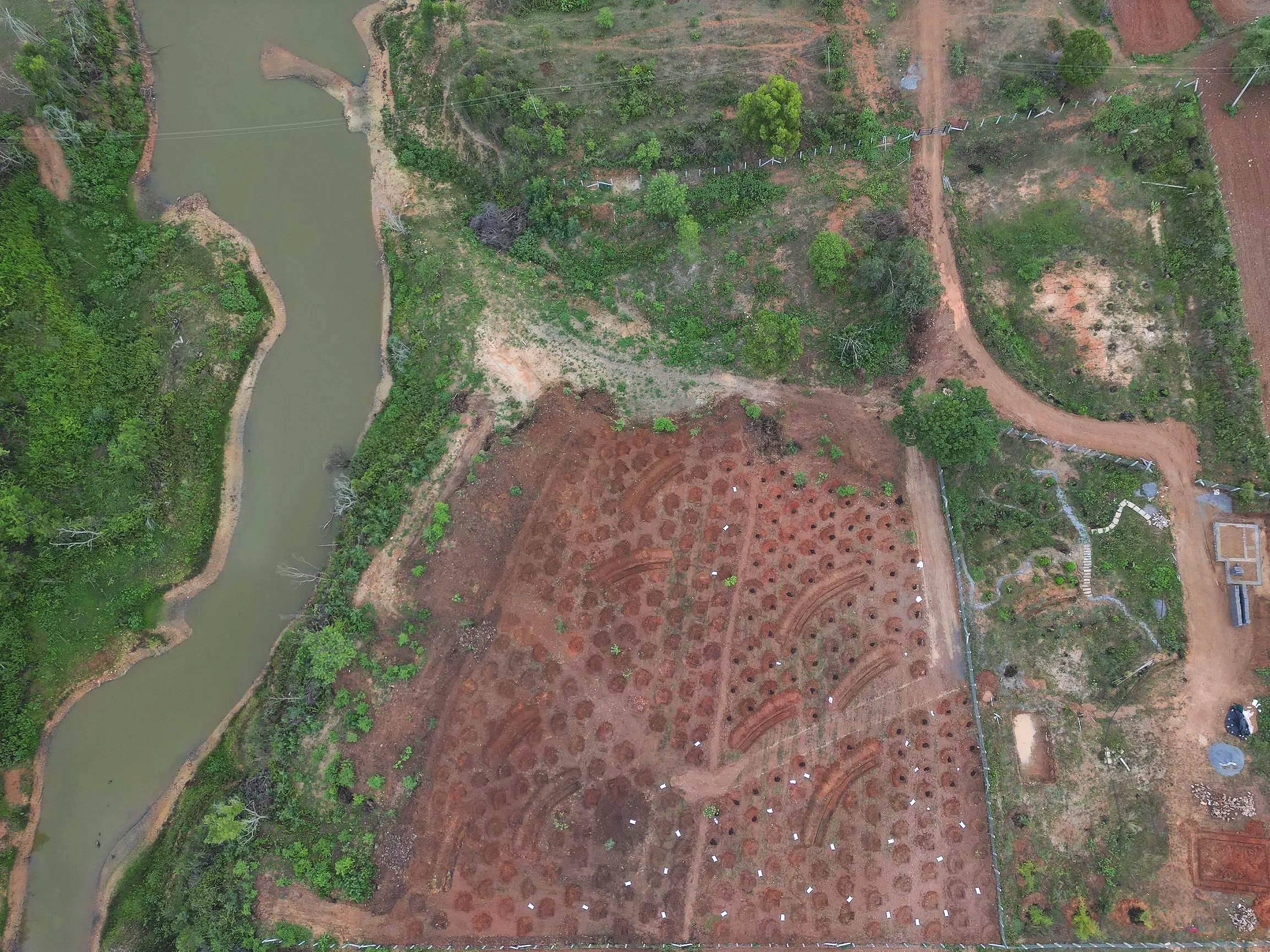
Here are some key takeaways from our collective experience to aim for 95% survival rate for the saplings planted :
THE PLANNING
STEP 1 - Why?
Prompts to ask yourself before you decide to plant trees
Considering natural succession - Land left alone is always regenerating towards becoming a wild native forest. Often overlooked, grassy patches of land will most likely have some already existing volunteer tree saplings hidden amongst the shrubbery, regenerating from mother trees close by. In which case, the tree has already been appropriately planted by a bird or a mammal and protecting these with a tree guard and frequent watering will help already established root systems to become native trees.
Bringing the machinery - Clearing land with all its existing flora only to plant more is paradoxical. You will be inviting more invasive plants from this disturbance. Having an inventory of existing flora and carefully only removing invasives becomes imperative to the health of this landscape. Additionally, appropriate tree species can be added to an existing ecosystem instead of clearing and imposing a new style of plantation over it.
Do you have the water? - Water is the currency of climate change. Is it the right time to plant saplings based on predicted upcoming monsoon? What are your current water table conditions and other social issues surrounding water? A native tree sapling typically needs at least 2 litres of water every alternate day during the dry months of the year. Calculating irrigation needs and phasing out the planting to avoid stressing your borewell is a smart way to approach climate resilient plantations.
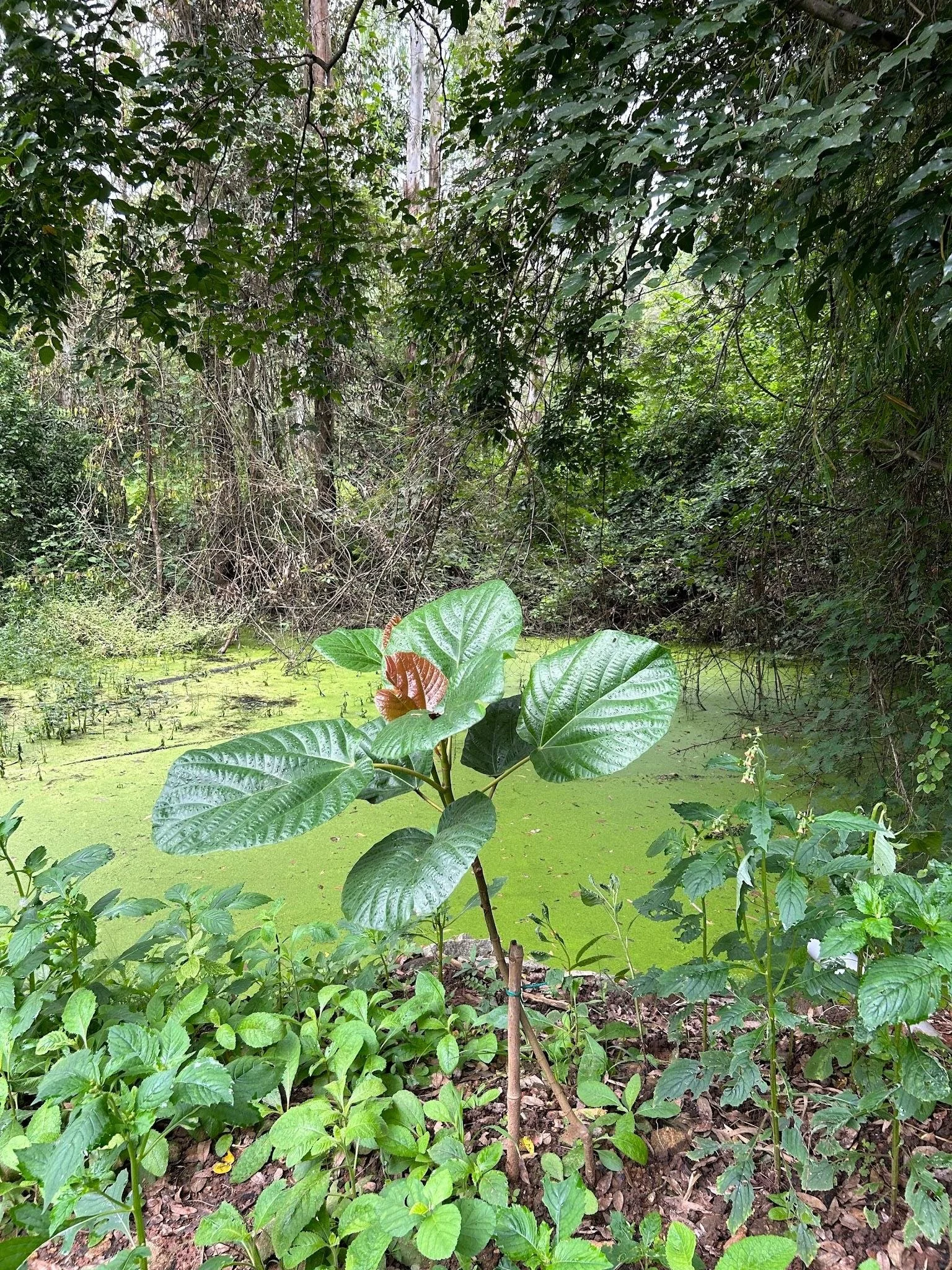
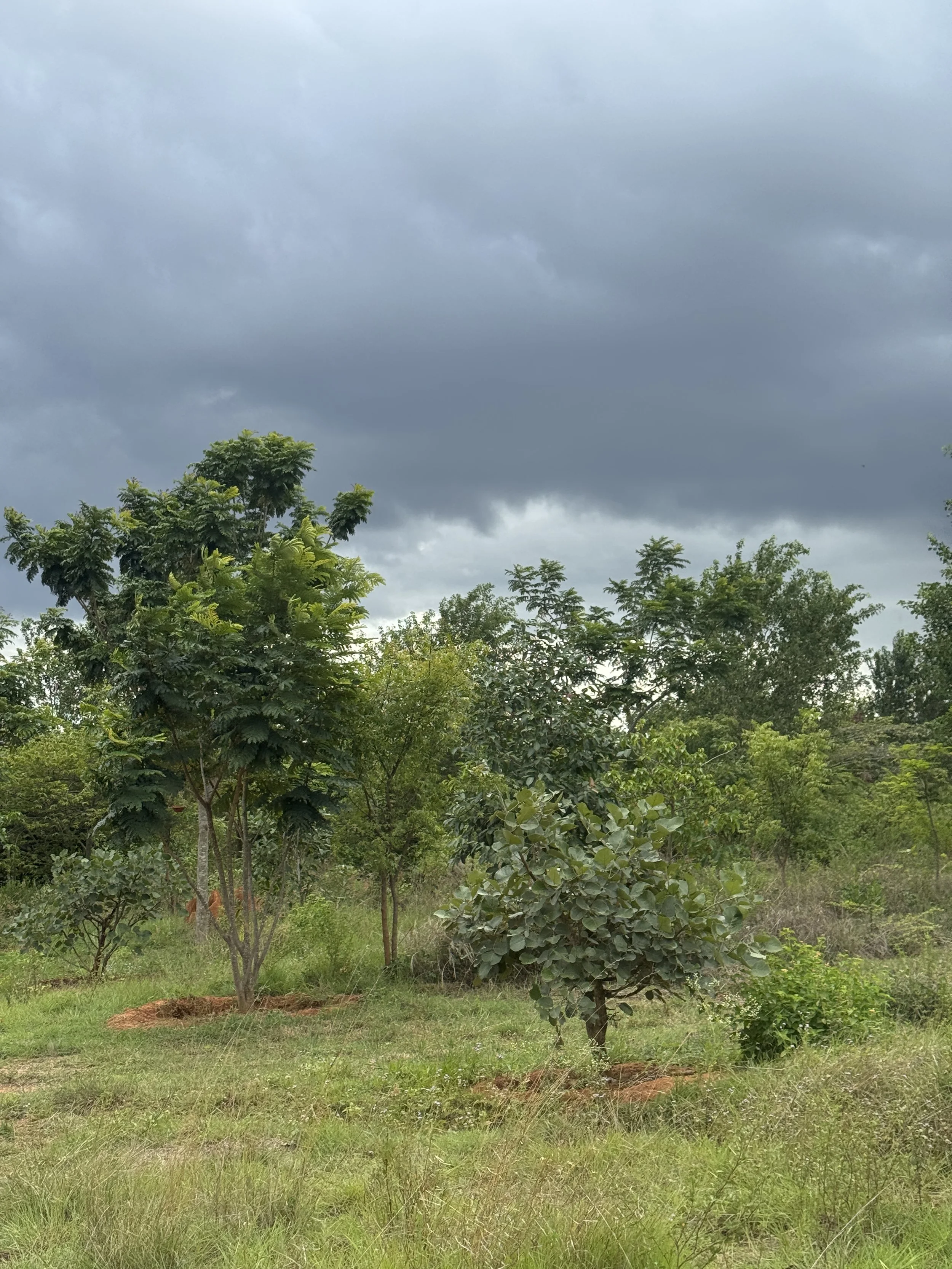
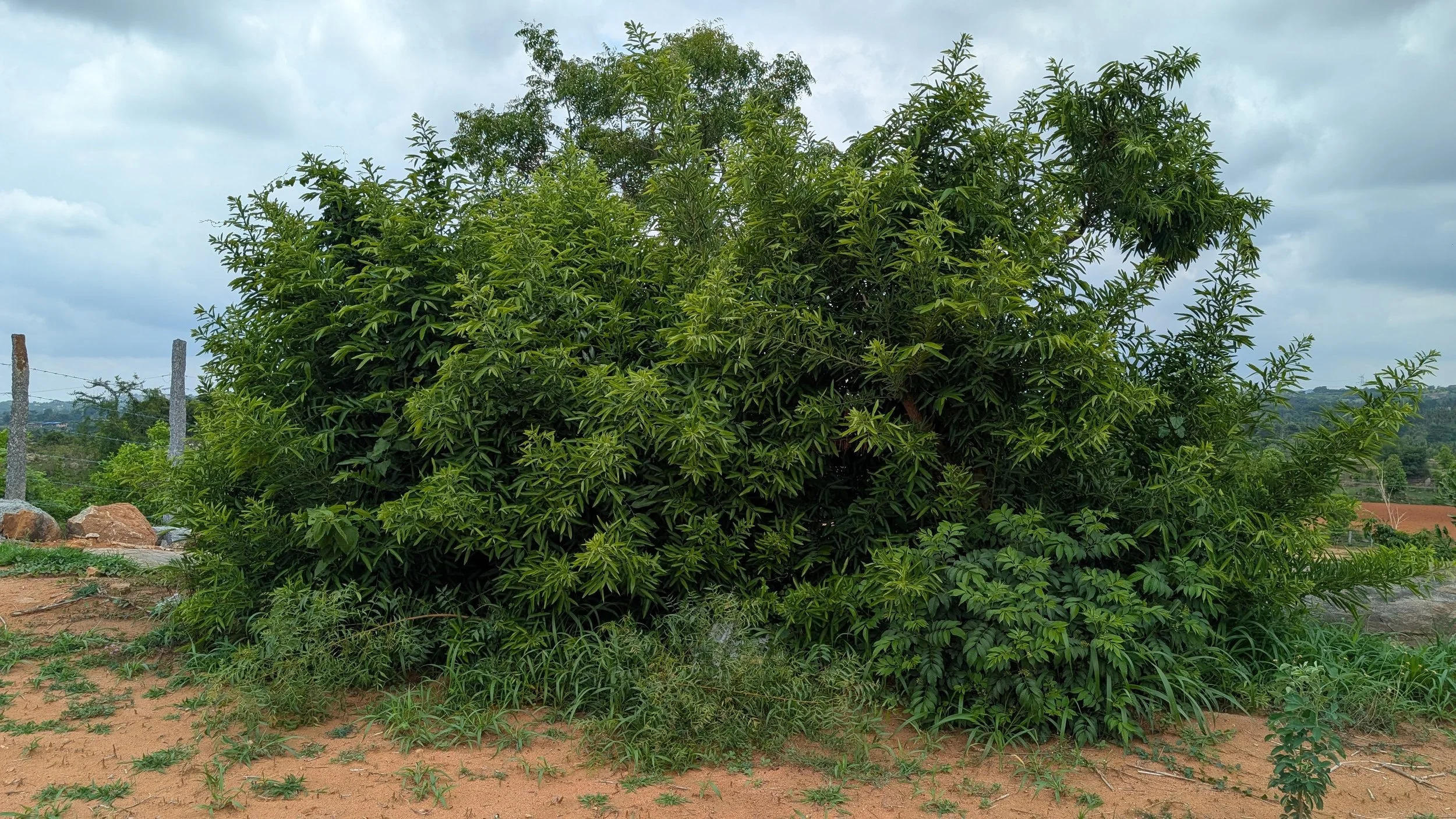
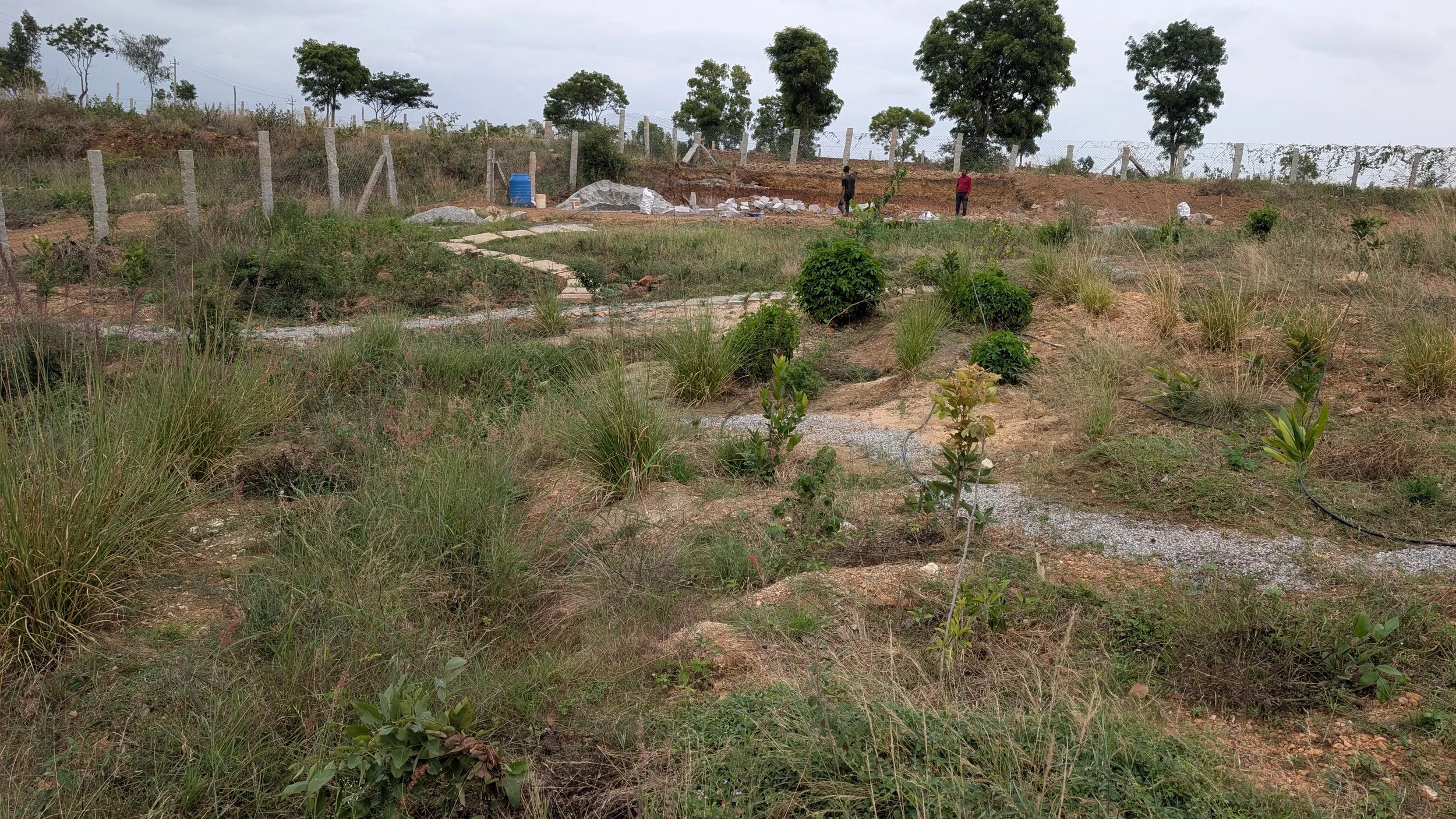
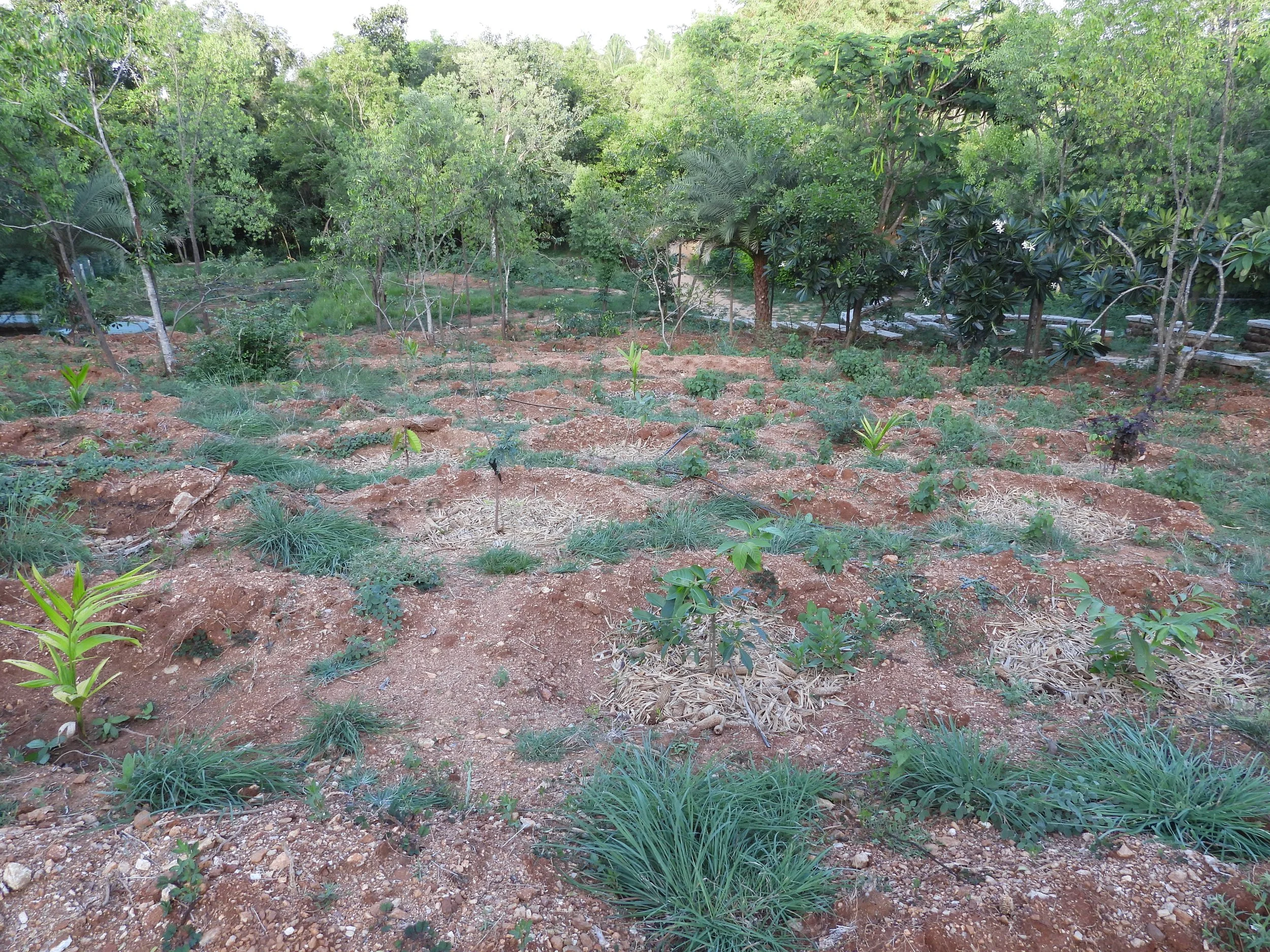
Photos of tree saplings integrated into existing wild landscapes without clearing site
STEP 2 - Who is it for?
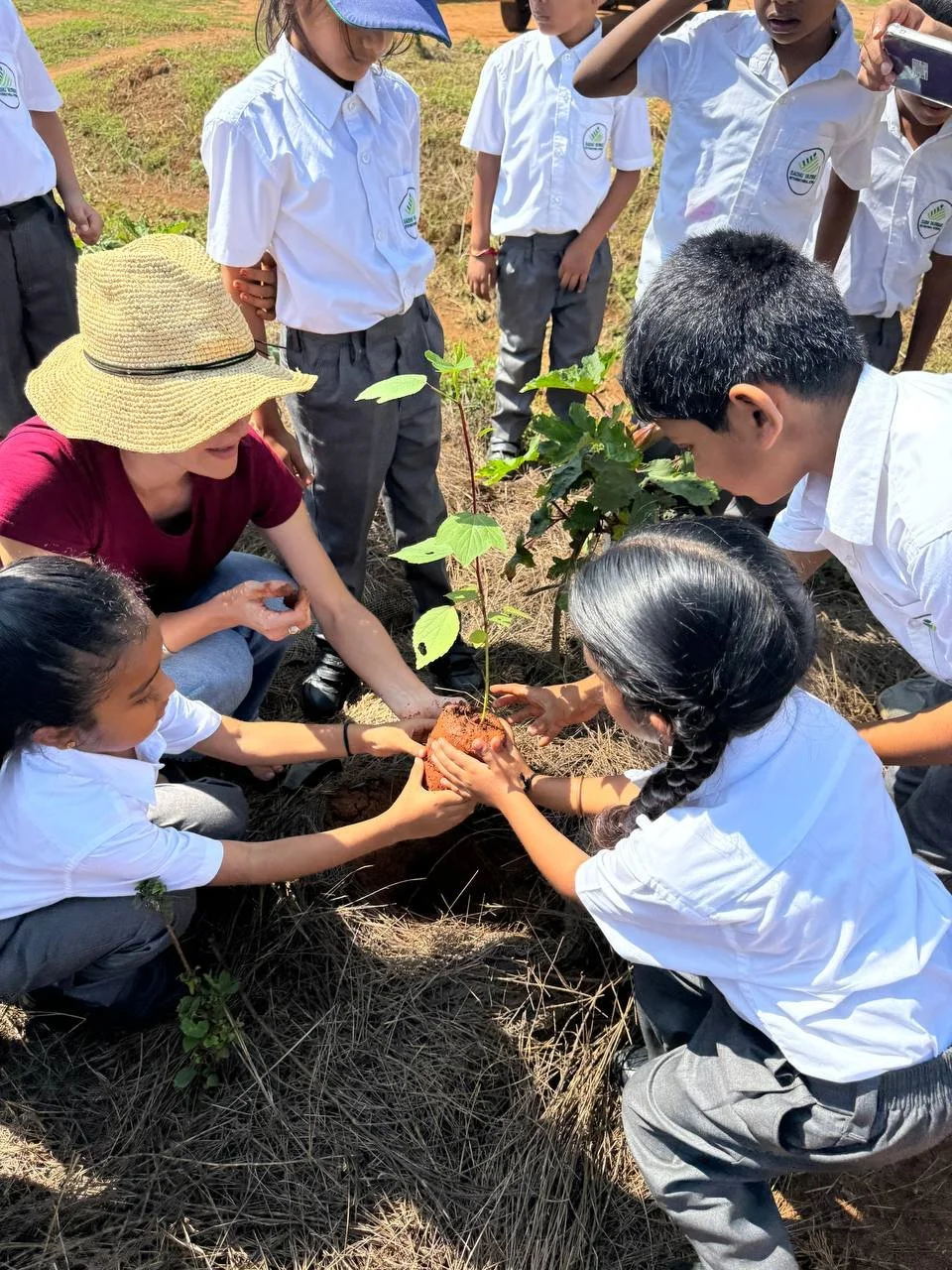
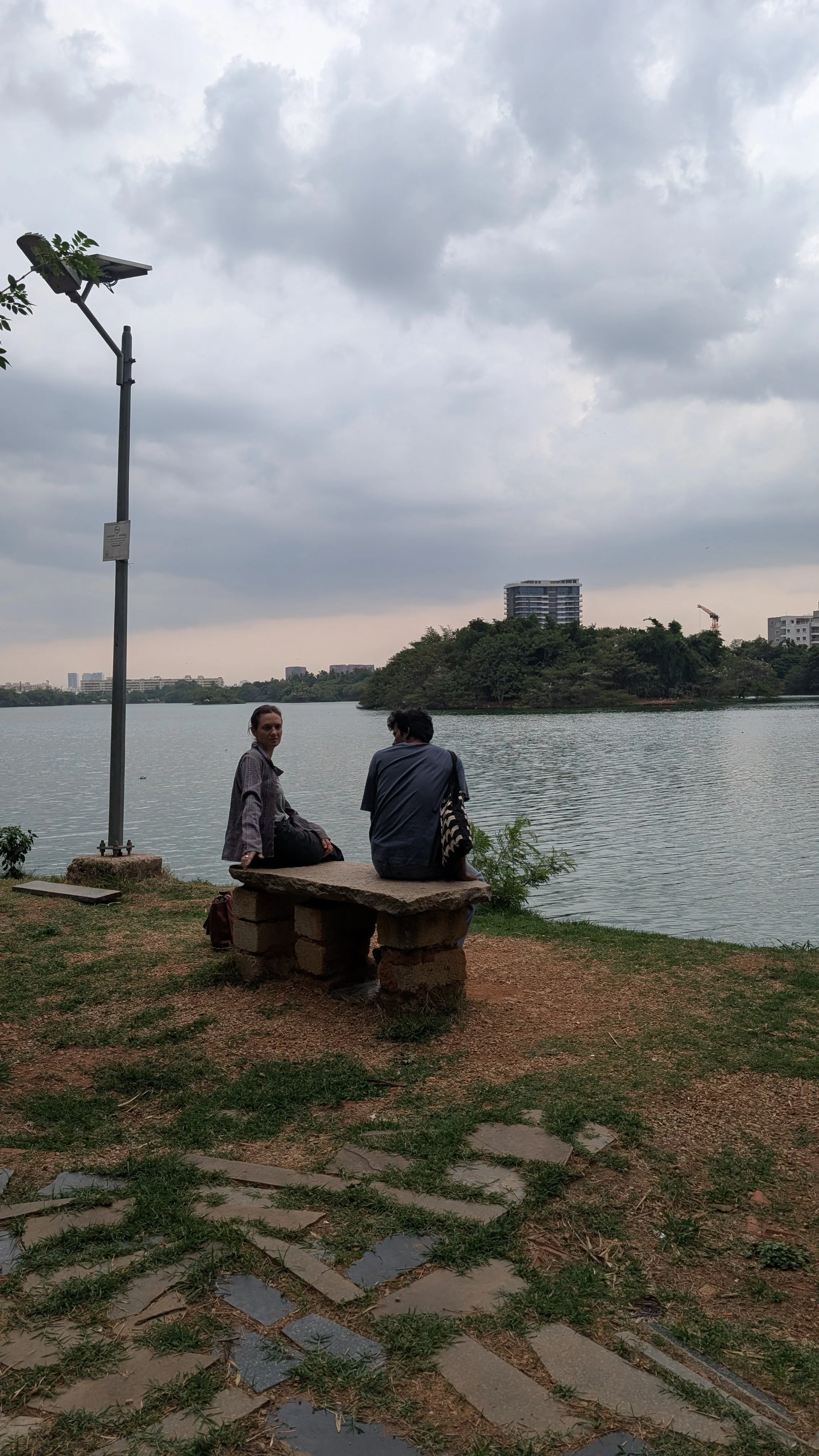
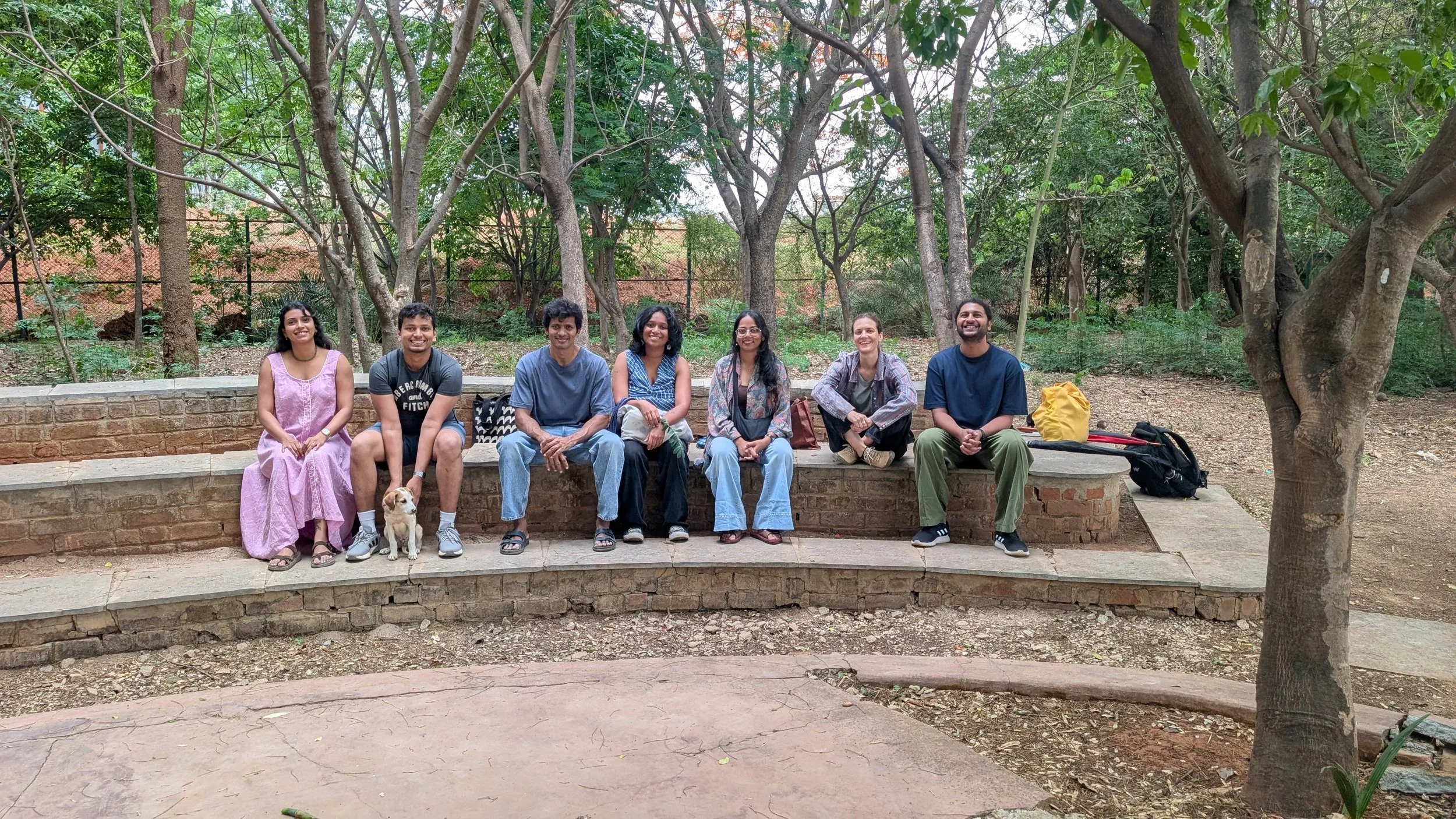
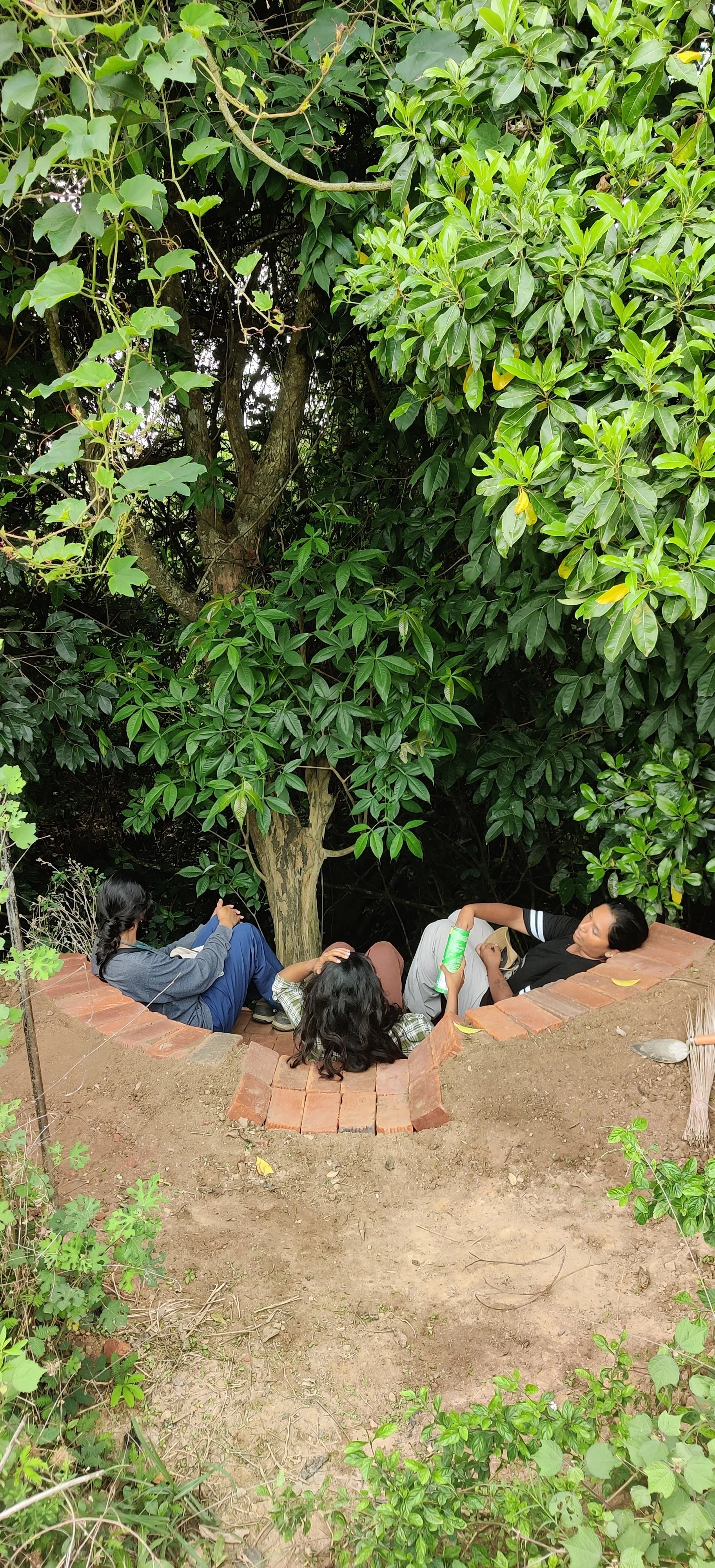
For humans - Can one sit under this tree and appreciate its beauty? Are there pathways and benches to interact with this space? Are tools available for adding mulch/manure and for pruning/harvesting? Can you eat the fruit, or is it medicinal? Can the fallen branches be accessed as firewood and leaves as fodder by the marginalised communities around? Labelling the saplings can be educative and interactive. Planting with volunteers, both adult and children will make the project deeply meaningful to it’s custodians.
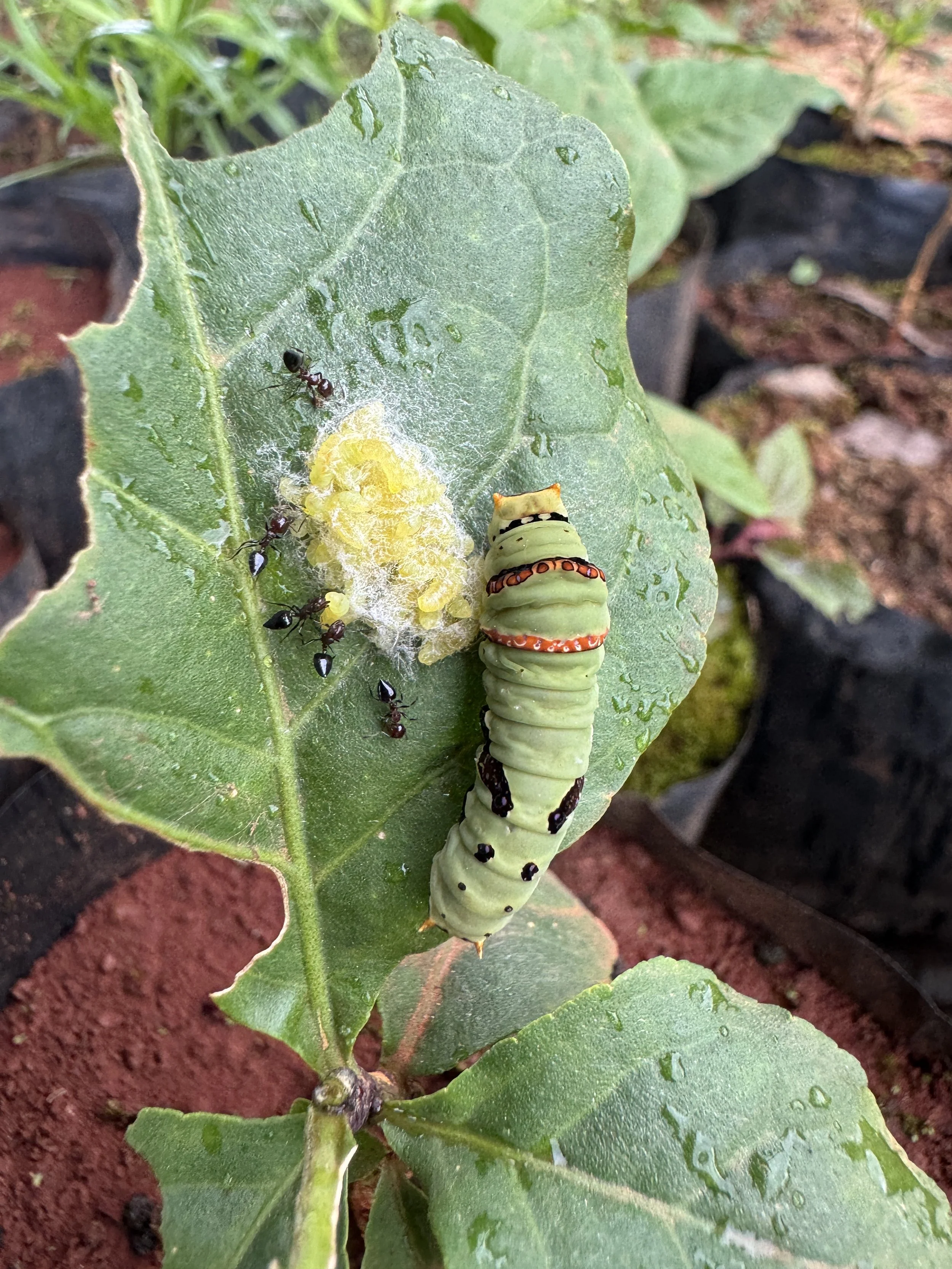
For pollinators - Do bees like to build a hive on it? Consider if it’s native or at least naturalised, because fauna like butterflies, bees, beetles, moths only associate with flora that is familiar to them through geological time. Unlike us humans who like to travel the world and try new cuisines, nativity is paramount to the natural world.
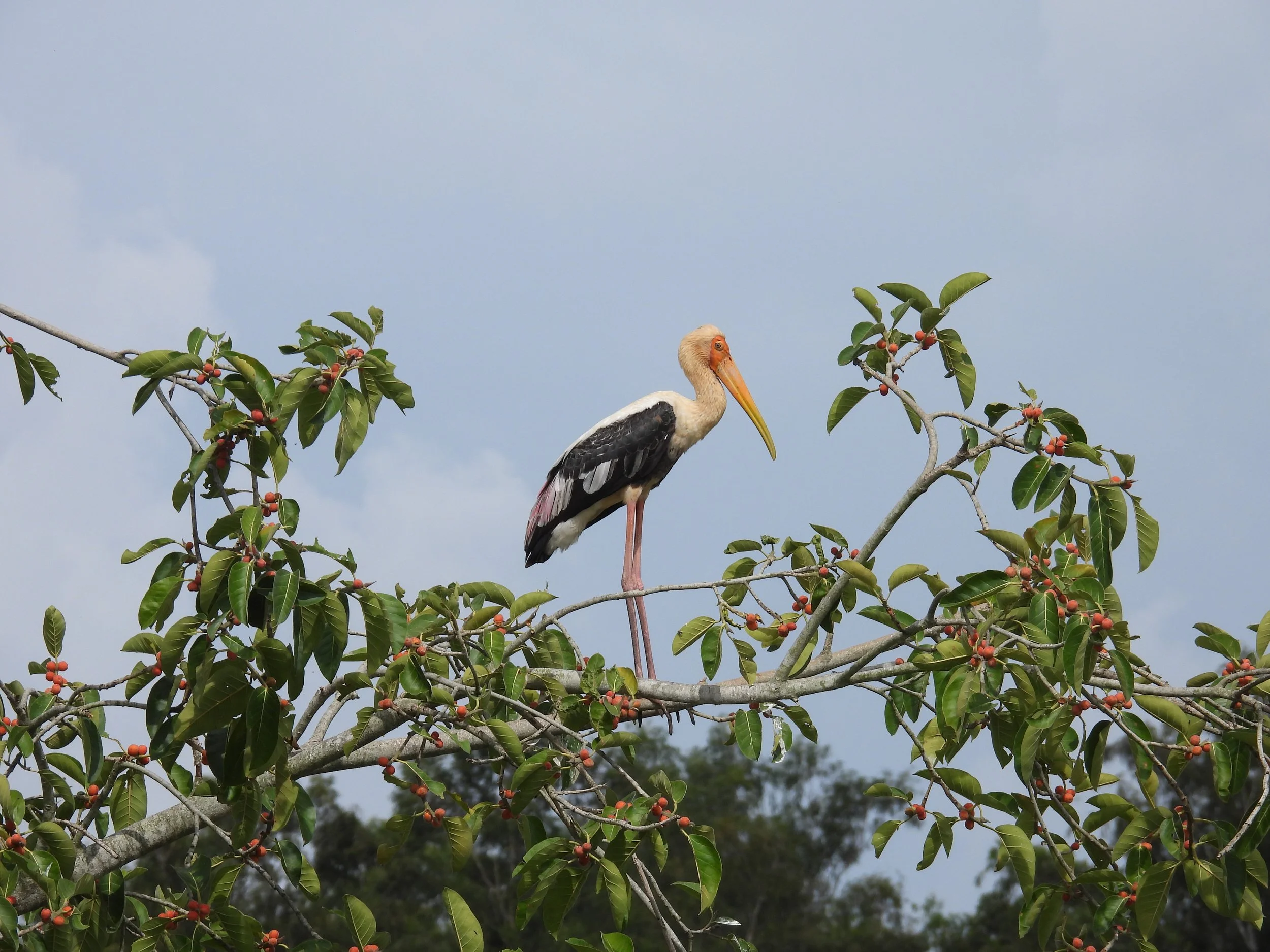
For birds - This needs on-ground bird survey to study the type of birds and understand what habitats they prefer. Grassland birds feed on wild grass seeds, berries, and insects. This means you cannot remove natural “weeds” that already support them. Forest dwelling birds, even migratory birds prefer dense undergrowth because they feed on soil life, fruit and fauna. Fruits/flowers to attract these birds have to be specifically studied. Raptors prefer the edges of different ecotones,large open areas to forage and large canopy or emergent trees for nesting. This is a very extensive approach with a long term vision.
For biodiversity - It needs to nondiscriminately be safe for reptiles, frogs, critters and other unusual indicators of non-intrusive rewilding strategies. Scientific or not, rewilding flora is directly associated with fauna and is the best proof of your success.
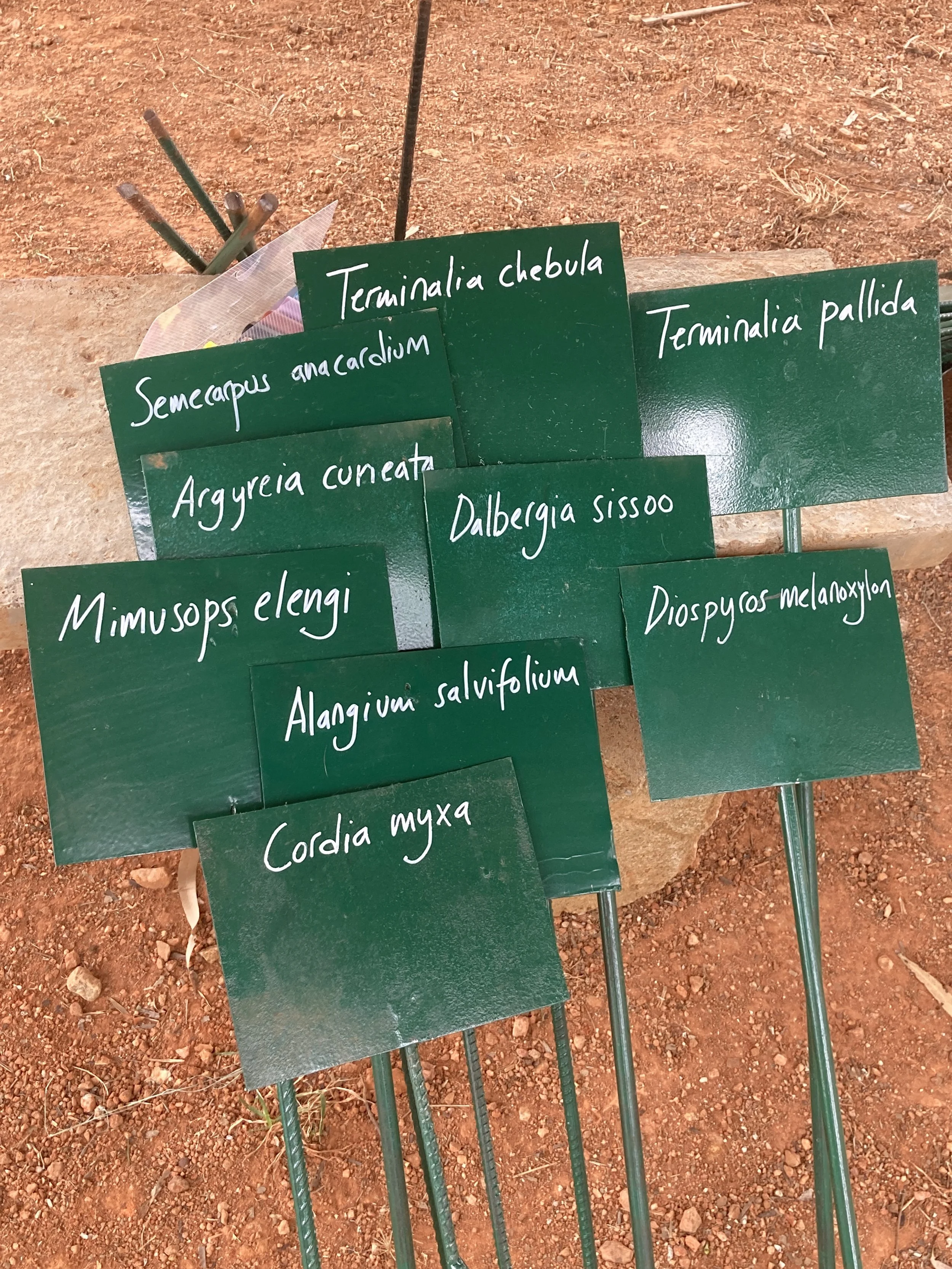
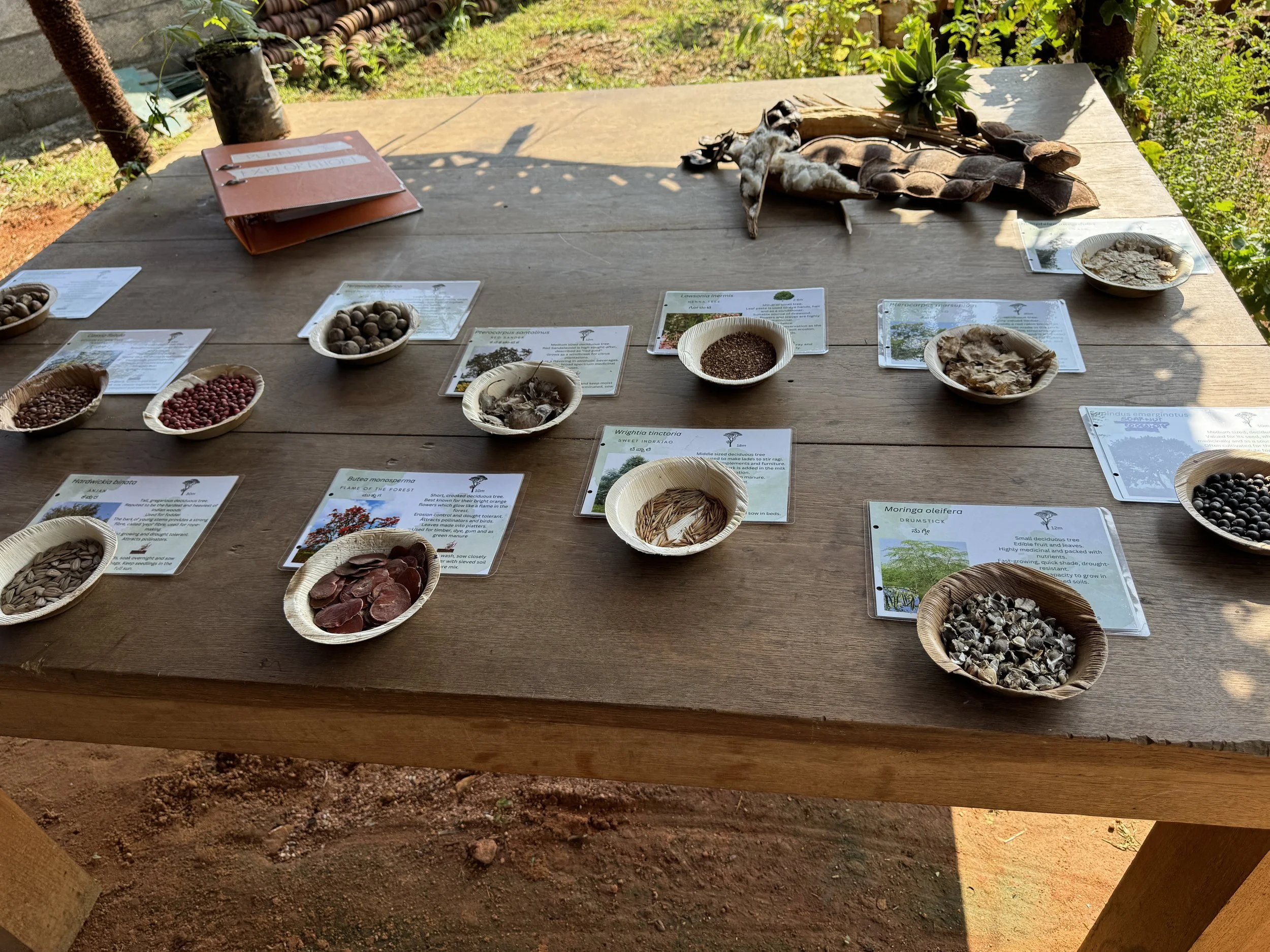
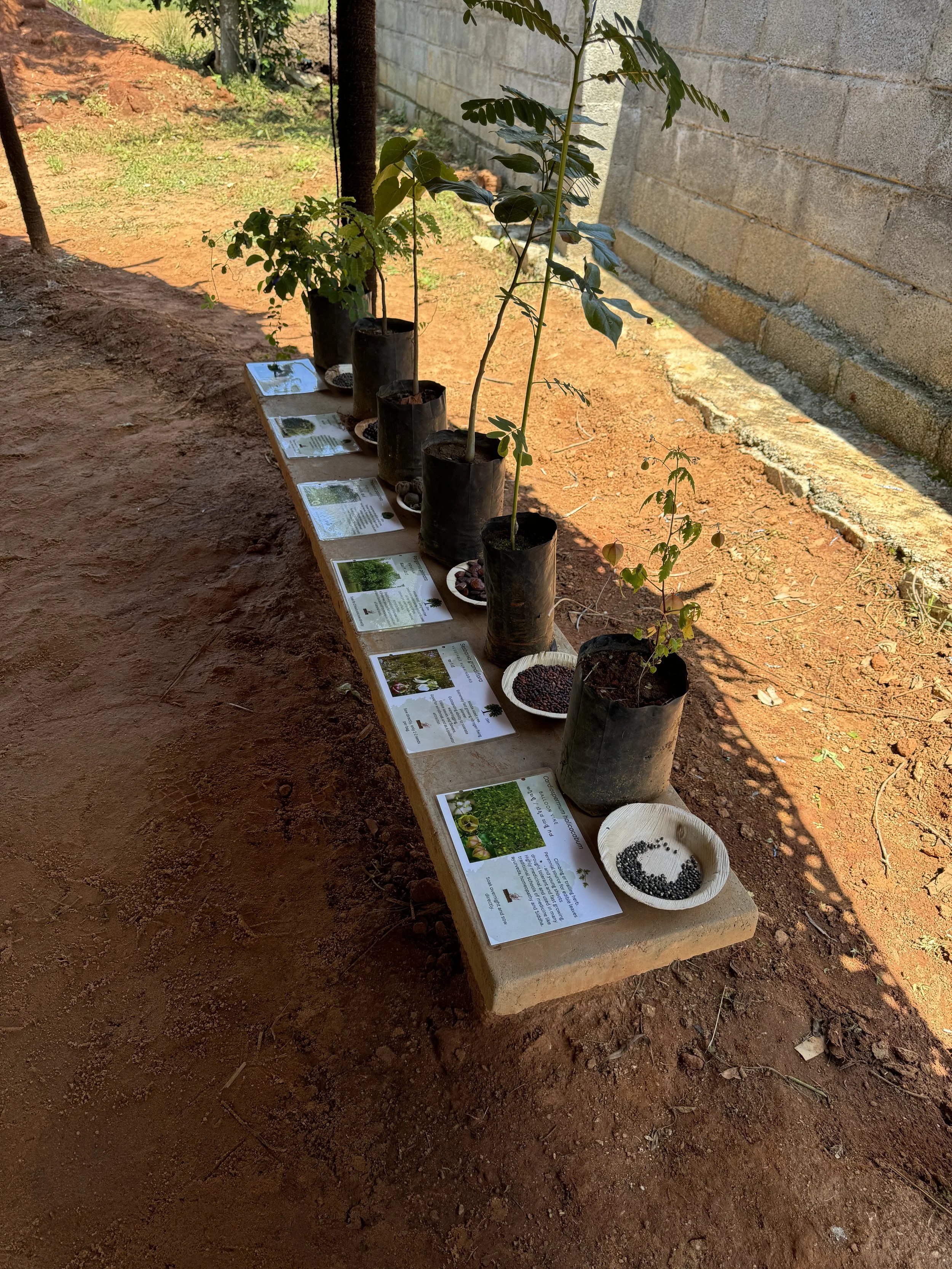
STEP 3 - Planting plan
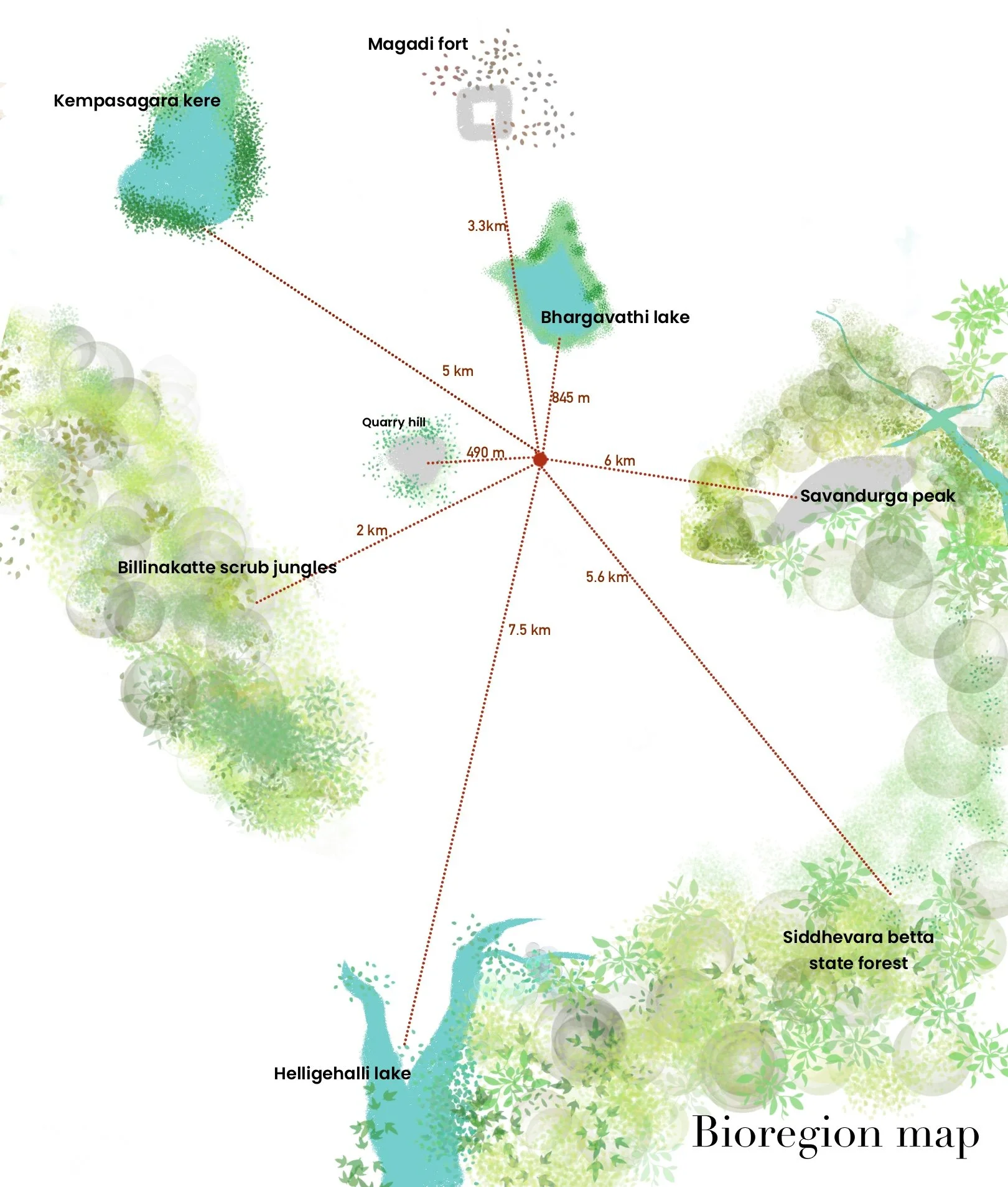
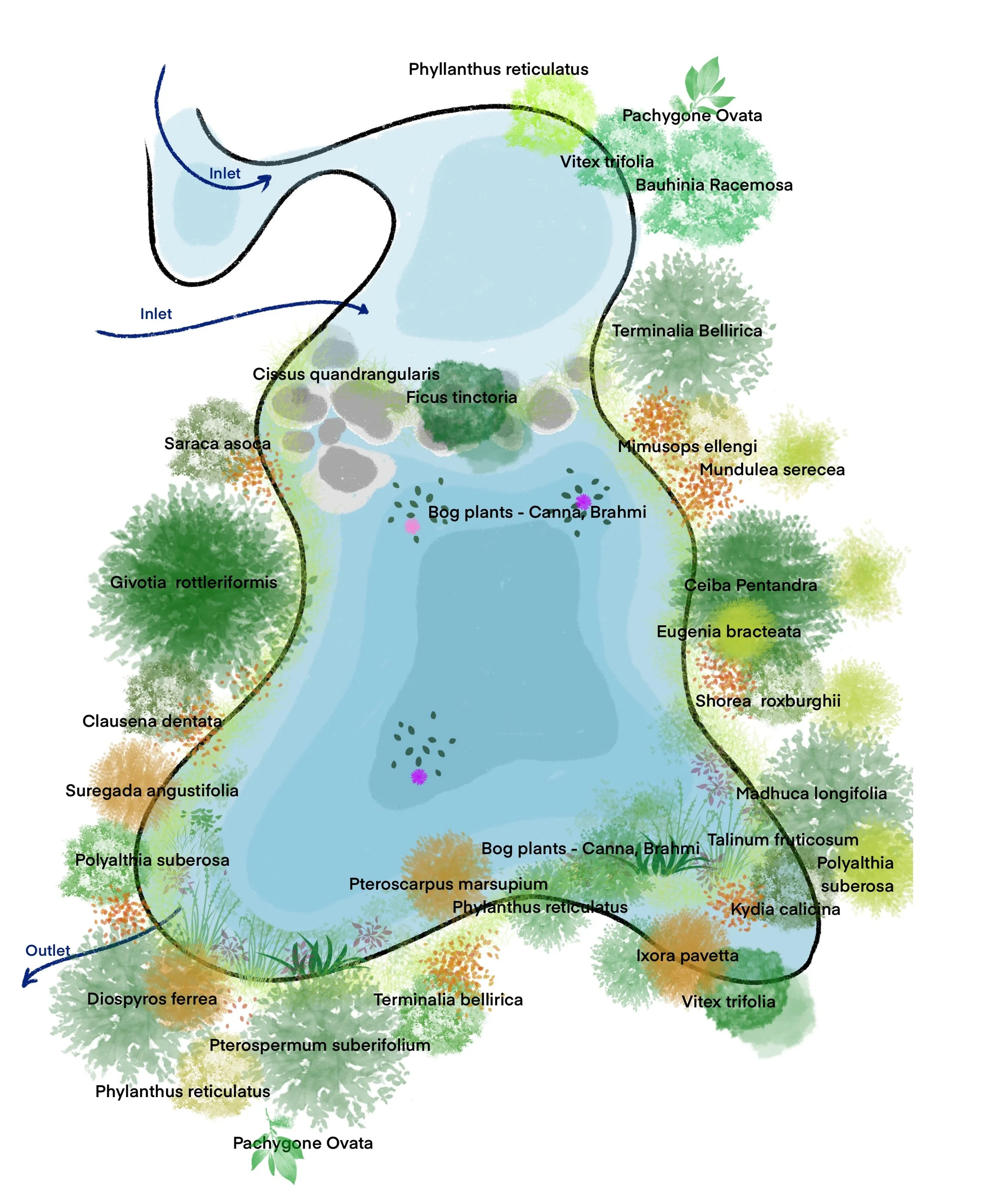
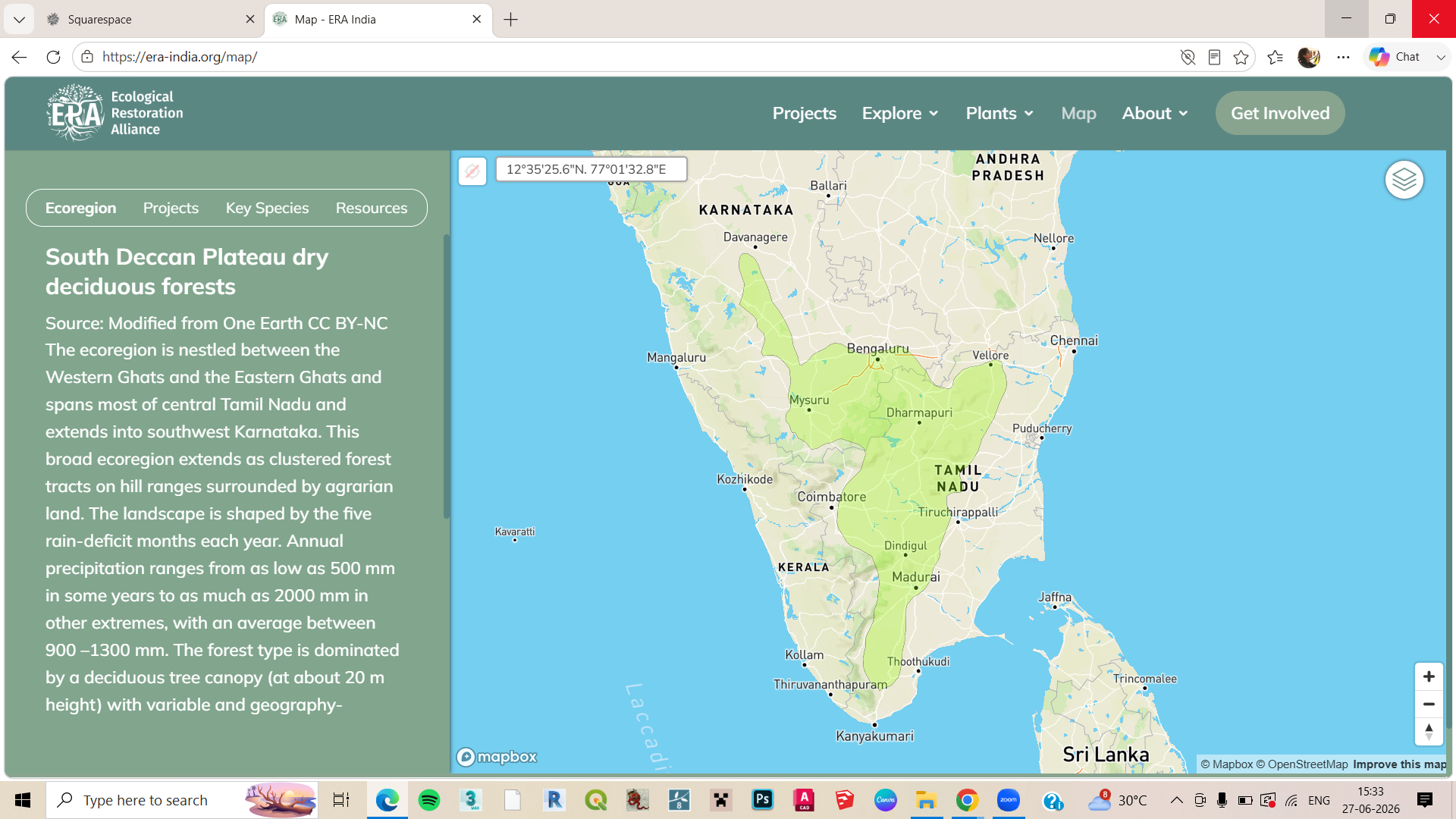
Reference ecoregion - It is most important to determine the native species of your bioregion and specifically your ecotone. You might fall in a South Deccan Dry Deciduous Forest zone but at a zoomed-in level, your site might look more like a wetland, or riparian, or rocky, or very degraded. It is important to find a reference wild zone very close to site with the same topography and climate, to do a line transect or a rapid inventory of the flora composition to come up with a species list to source. Here’s a guide to begin with https://era-india.org/map/
Design - There is intelligence beyond human comprehension when it comes to the form of a tree. The beams and planks bend with gravity and celestial harmony, and choose to flower/fruit based on the upcoming monsoons. All this intelligence is destroyed by tight spacing. Competitive spacing to only encourage vertical growth will constrain all other ecological functions of a tree, and you’re back to colonial monoculture plantation conditioning. Similar to the “wrong” interpretation of the Miyawaki forest method which focuses on glorification of fast-growing foliage over inter-species multi-dimensional interactions. A real attempt to afforest must mimic the spacing and composition of the layers of its reference forest.
Sapling or seeds - Seeds in the ground make more resilient saplings and are cheaper. Large tree saplings are not only a logistical nightmare that lead to transplant shock and death, they are merely empty platitudes spread by impatient real estate developers who can’t wait for six months to watch healthy roots establish into the ground. A plantation is a very feeble notion of a forest. Forests are not merely crammed leaves, they are very complex interconnected ecosystems that slow down the entropy on this planet.
Mapping bio-physical factors - Consider the types of soil on your land. What is their fertility, pH, moisture level, or even just texture? Do they hold water or drain quickly? In addition to this, consider the terrain, climatic conditions and biotic factors - grazers, parasites, pollinators and so on. Find your limiting factors - whether it’s a lack of rainfall, tendency for drought, floor, fire and so on. When these are understood, a pattern emerges and often brings clarity on the best placement on site for certain species.
STEP 3 - In preparation for planting
Monsoons - The best time to plant is during the pre-monsoon showers (May for south India), so that the project can be planned to be executed through the rainy season when the soil is soft and the trees can go into their foliar growth stage.
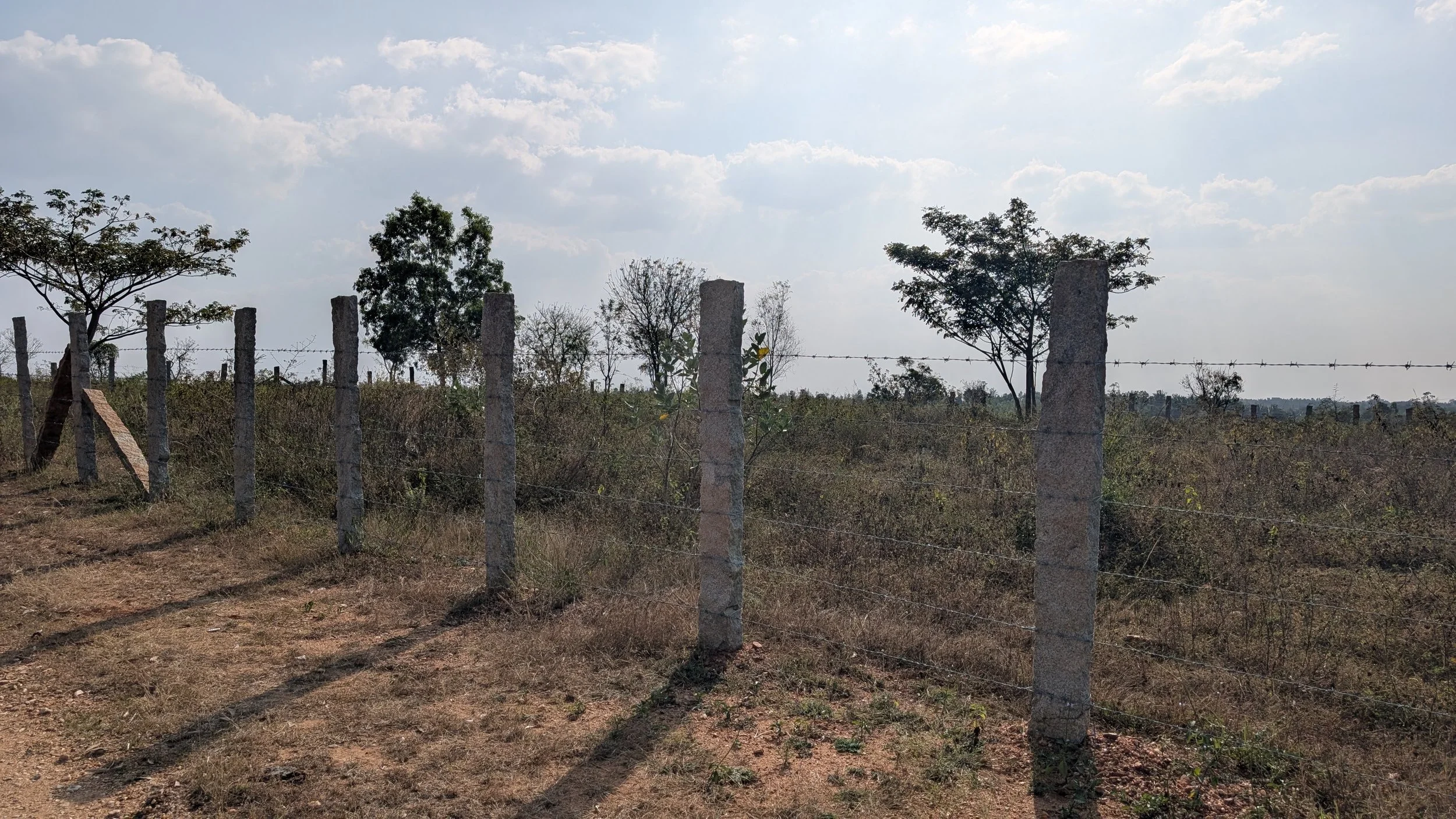
Fencing - The project site, even temporarily might need soft fencing to prevent grazing for the first couple of years, is important to give the trees a good chance to gain height. After which they can handle grazing and even feed the animals a diverse source of fodder.
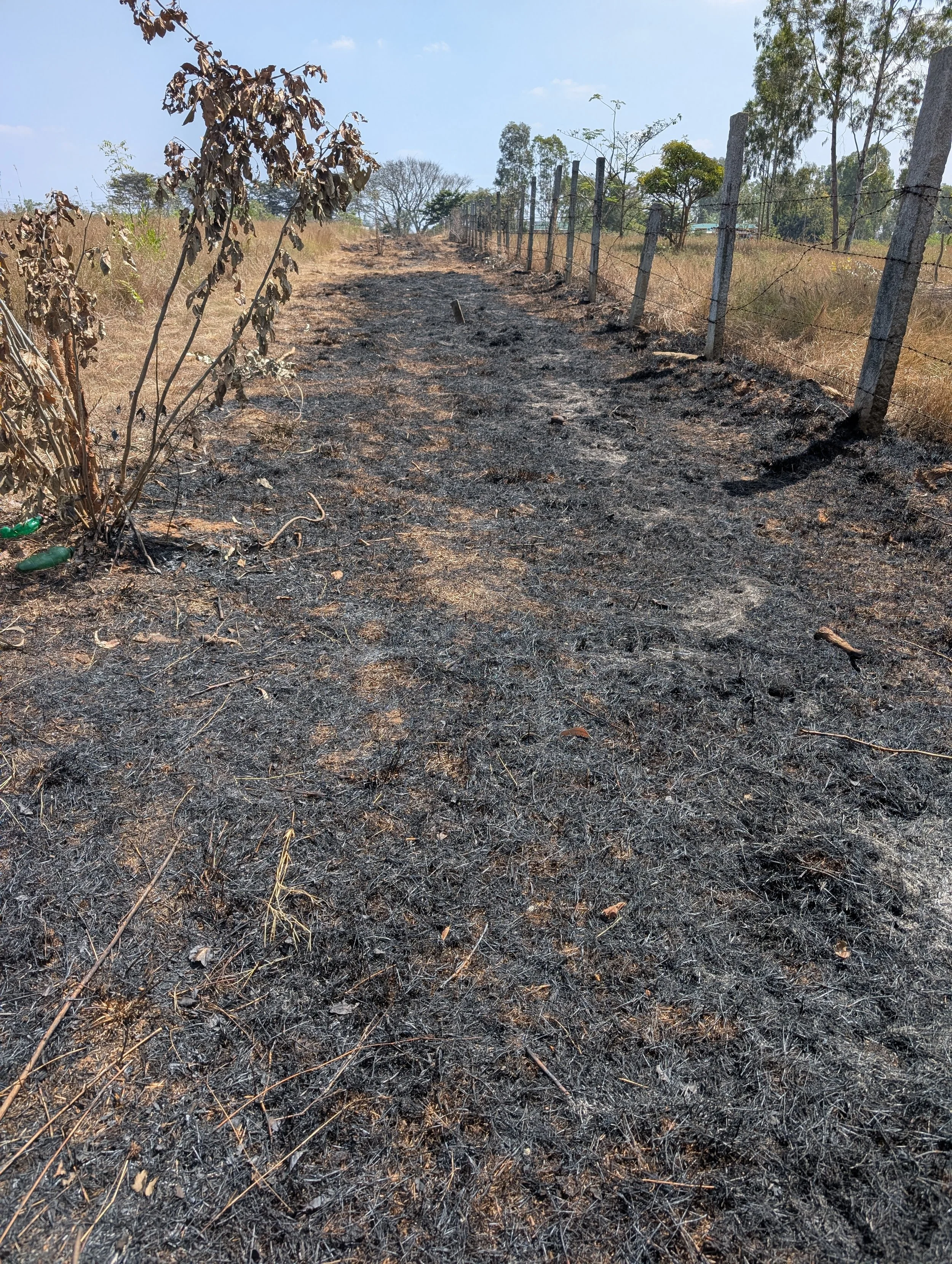
Fire break lines must be established and maintained every year along the boundaries where fire can possibly come from. They also serve as pathways.
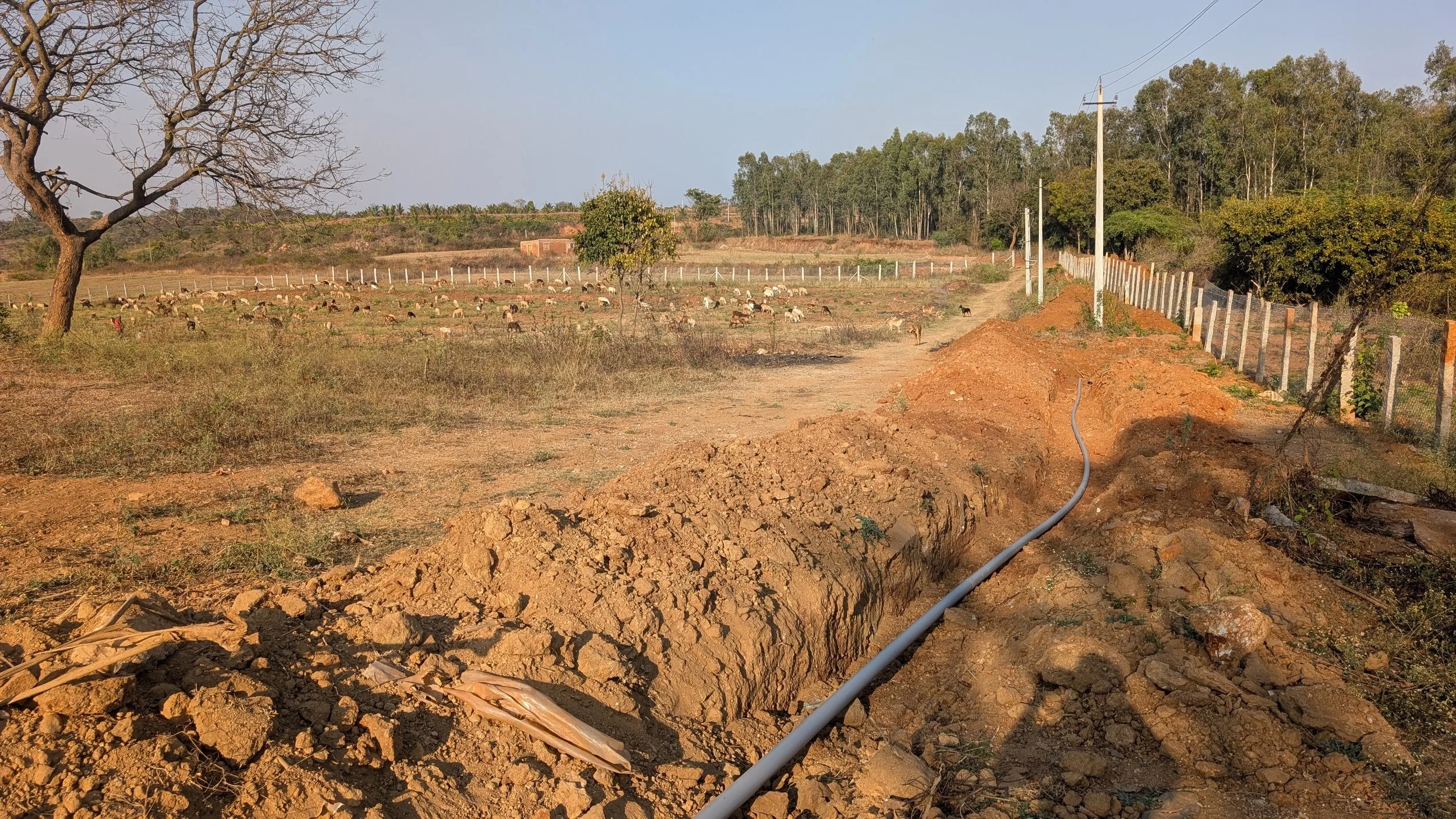
Irrigation lines - A source of water needs to be set up to irrigate this project. It can be a pond, an open well, a borewell or even tanker water. From here the main irrigation lines need to be set up, which can branch into drip irrigation or sprinklers based on water scarcity in the region. For restoration projects, one may also rely entirely on passive irrigation through earthworks for zones like zero-maintenance wild zones; however, the other factors (planting during the monsoon, protection from grazers, etc) become even more important.
A caretaker is a must, to have eyes on the land and maintain it as the planting establishes. They must live on the land or close to it.
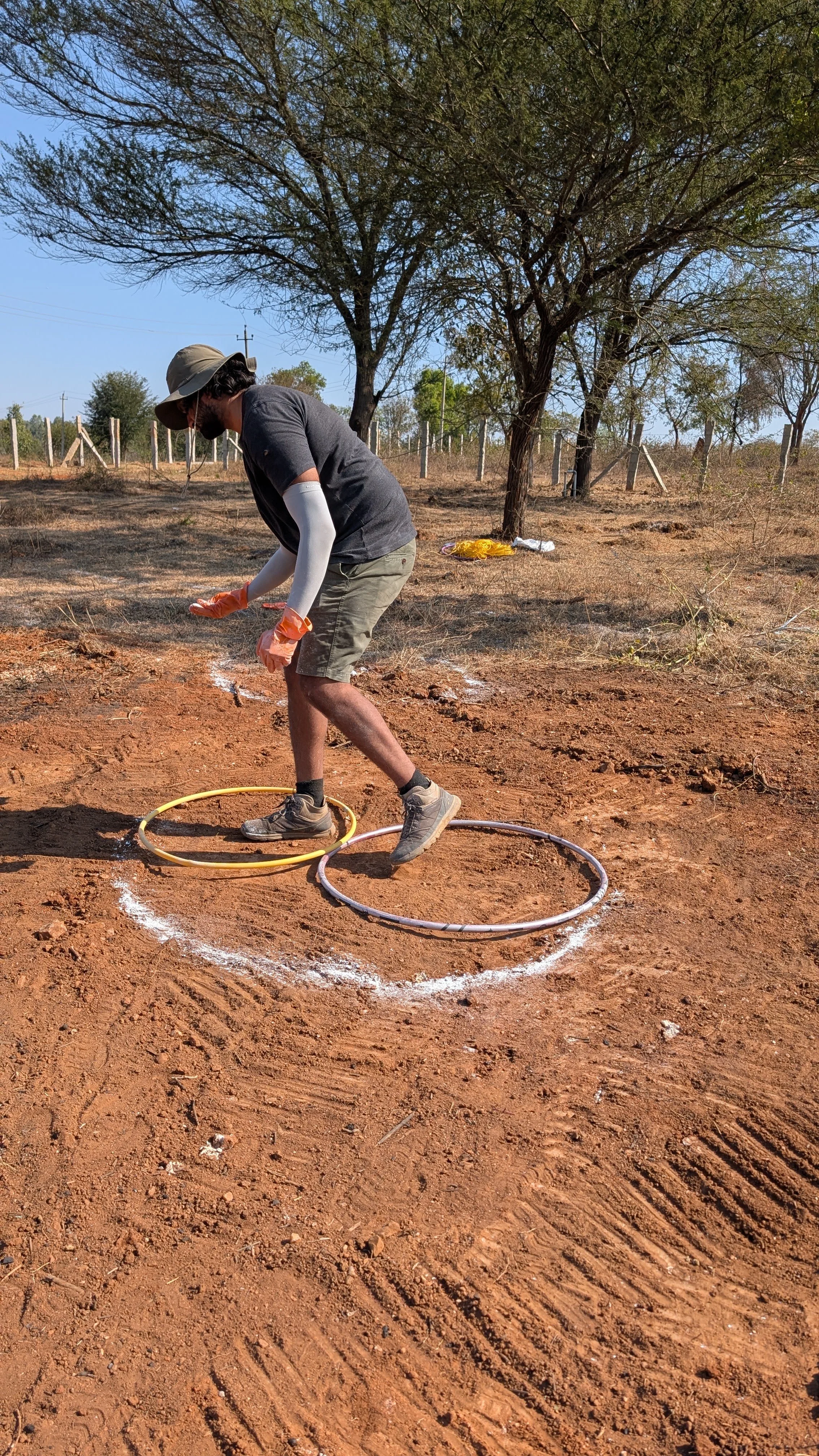
Marking on ground can be done based on the design. Bamboo stakes, rope and lime marking powder can be used to mark earthworks, pits, pathways etc.
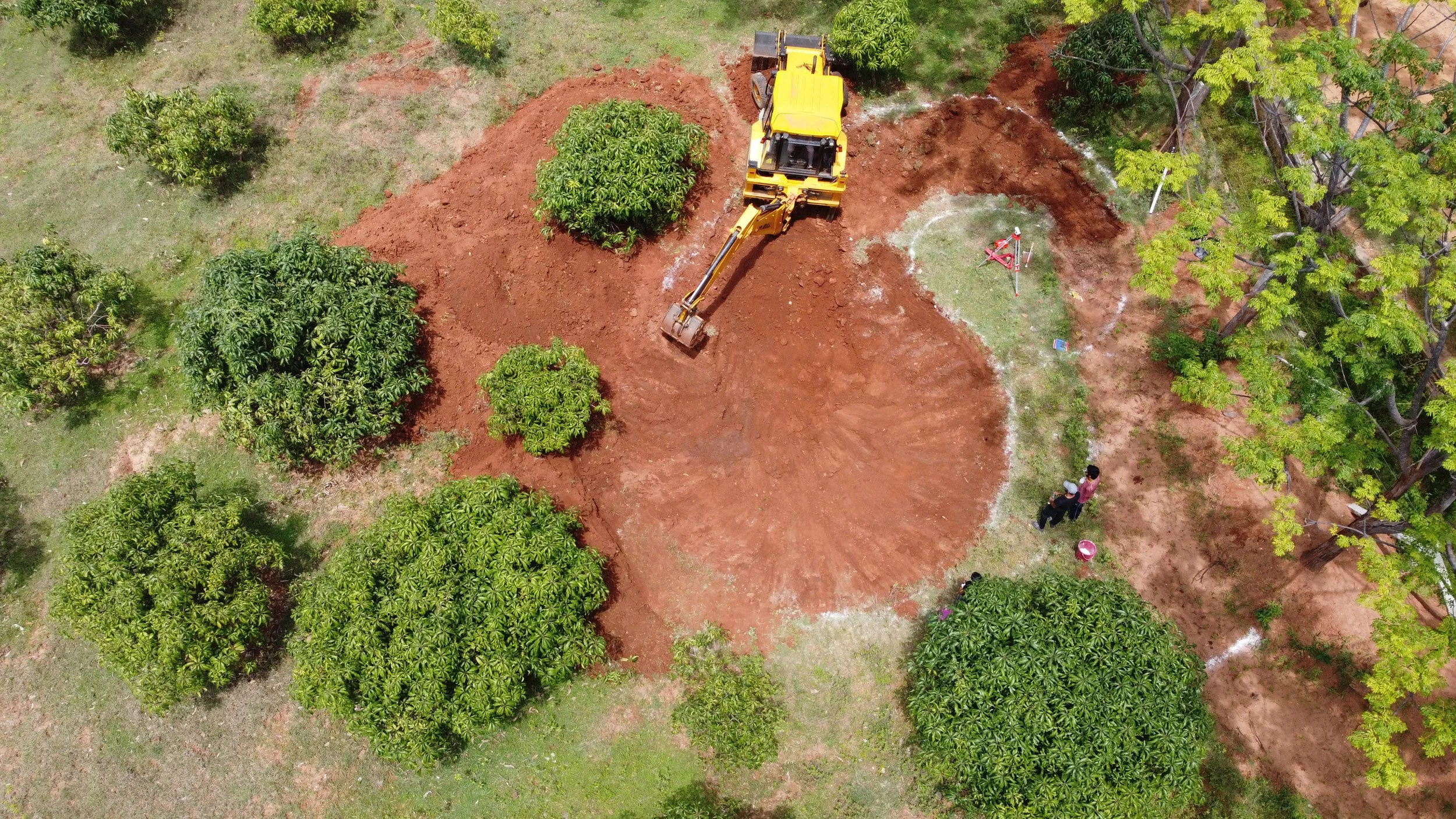
The excavation can be either done by hand or by machine, based on the soil conditions. If it is a machine then its accessway needs to be mapped out, to avoid disturbing the full extent of the land and leave some parts of the groundcover untouched.
STEP 4 - Planting day
Earthworks - All excavation must be finished first so the machines are out of the land. Earthworks for passive irrigation will immensely help in reducing the need for active irrigation by 20-50%. Trees or guilds can go in gentle basins, swales on-contour can be made every 20-30 m slope to capture run-off, boomerang bunds can be retrofitted to intercept water in already planted zones. Refer to this blog for more details on earthworks - https://ananas.design/journal/2019/4/23/how-to-prepare-your-land-before-the-monsoons
Soil building - Fill the dug out pits and basins with a mixture of mother soil, local farm yard manure, any additional bio-composter supplements like VAM, Biochar, Vermi-compost,Tricho etc. to improve soil nutrition and easily available can be used. Chemical fertilizers like DAP and Urea are quick-fixes that are easily available and sold as organic, they are not. These salts alter the soil PH levels and kill soil organisms, which are essential for long-term soil regeneration. Cow dung, goat manure and chicken manure from near the site will be your most valuable form of manure as they will contain a seedbank of local native weeds and microbial life of the native soil.
Placement - Once the pits are full, the designers must place the saplings according to the design so nothing is lost in translation.
Mulching - The final step after planting is done will be mulching with dry leaves/ crop residue available to minimise evaporation losses up to 80%. The soil under mulch can remain moist for 3-5 days after a single watering. Post mulching, all the saplings need to be watered as a welcome to their new home and your job of planting a tree is finally done.
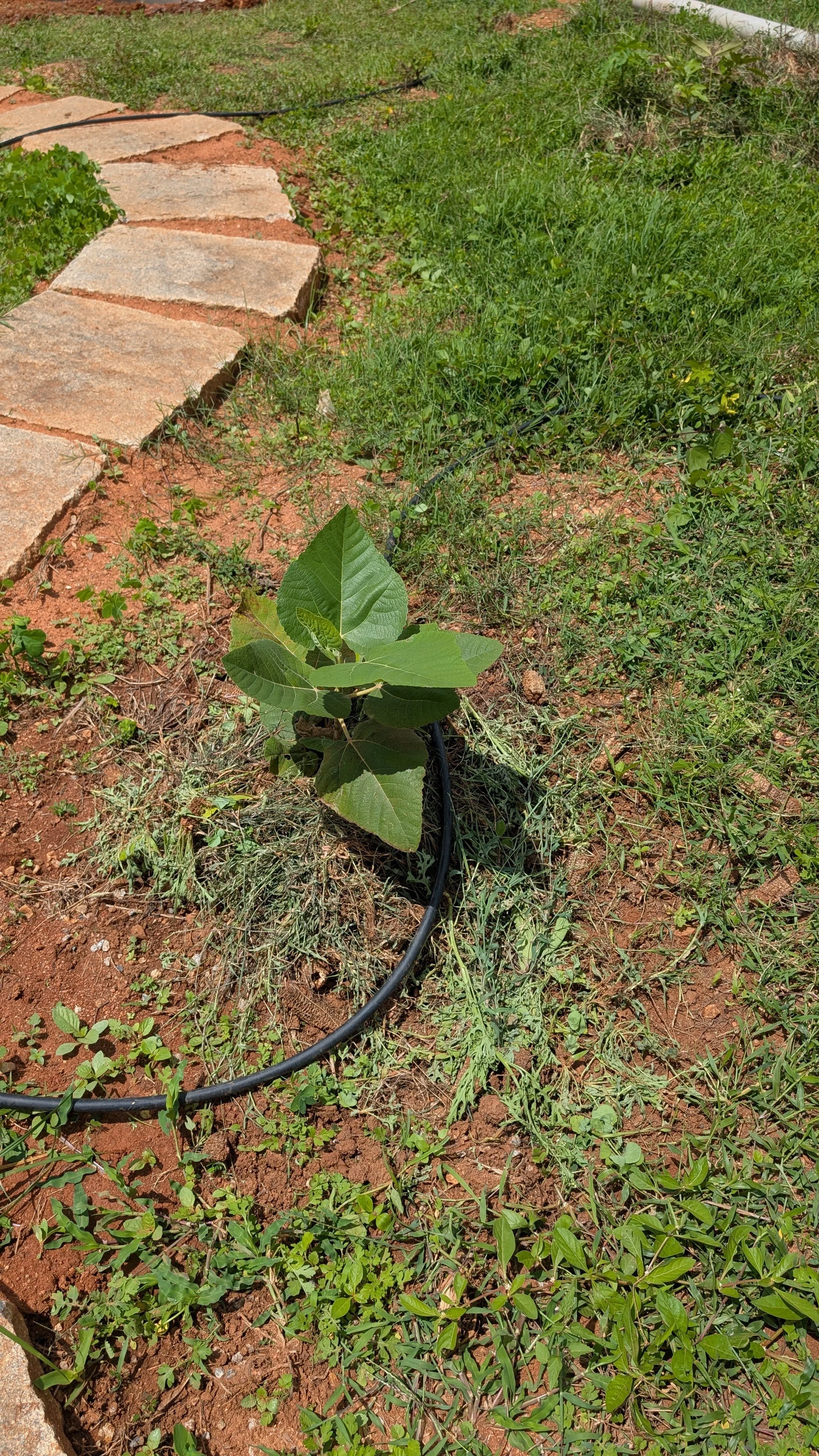
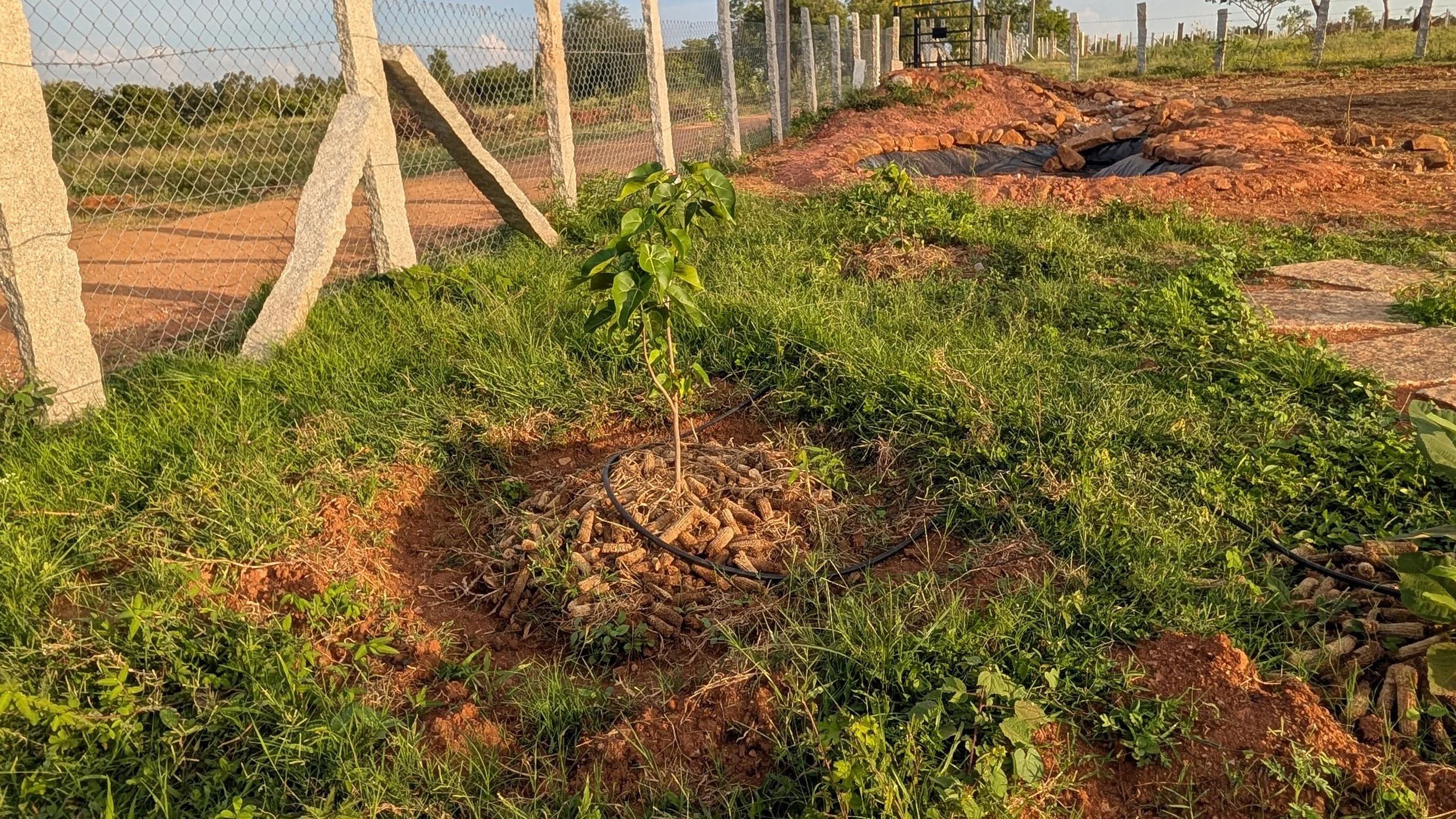
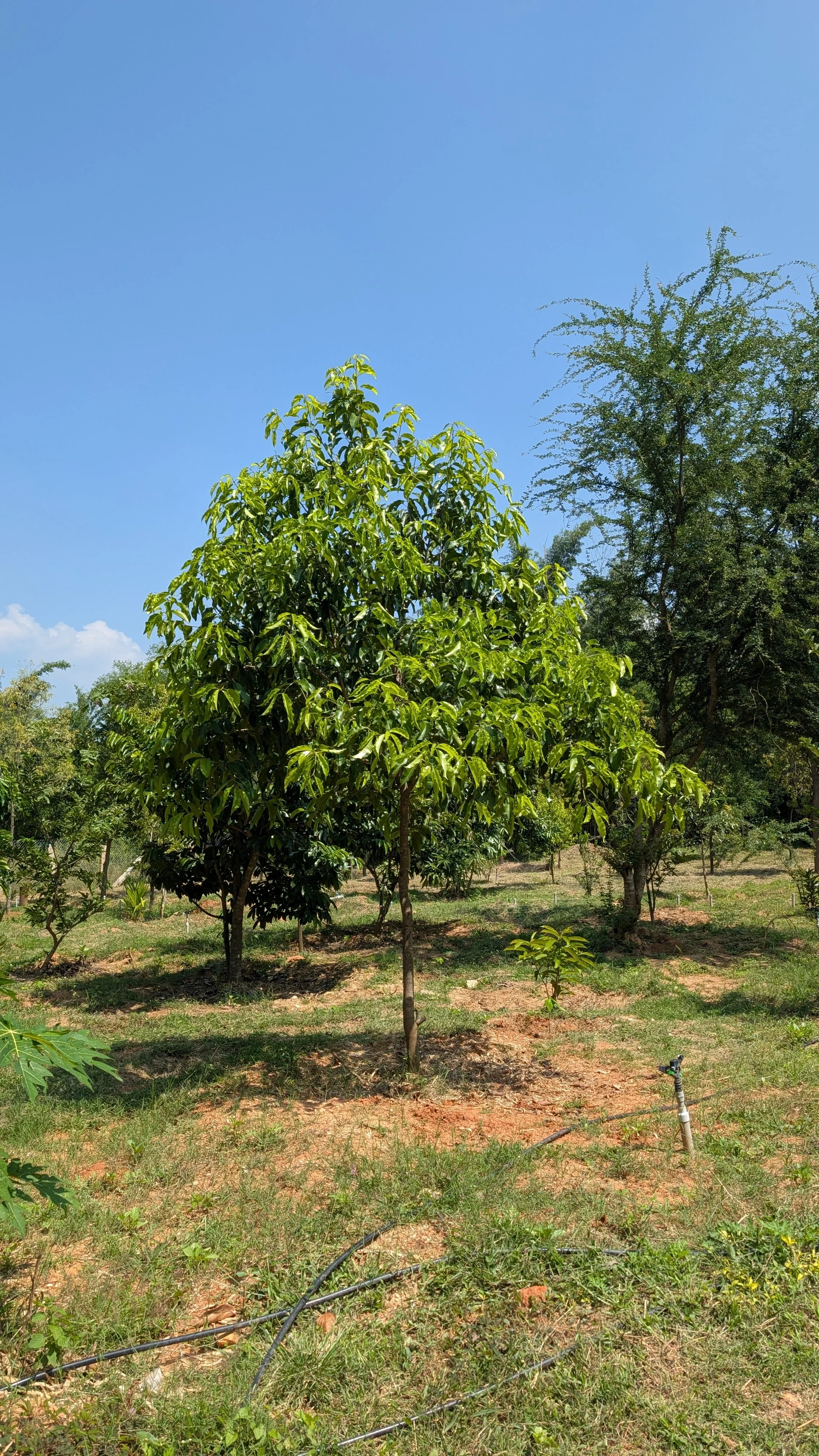
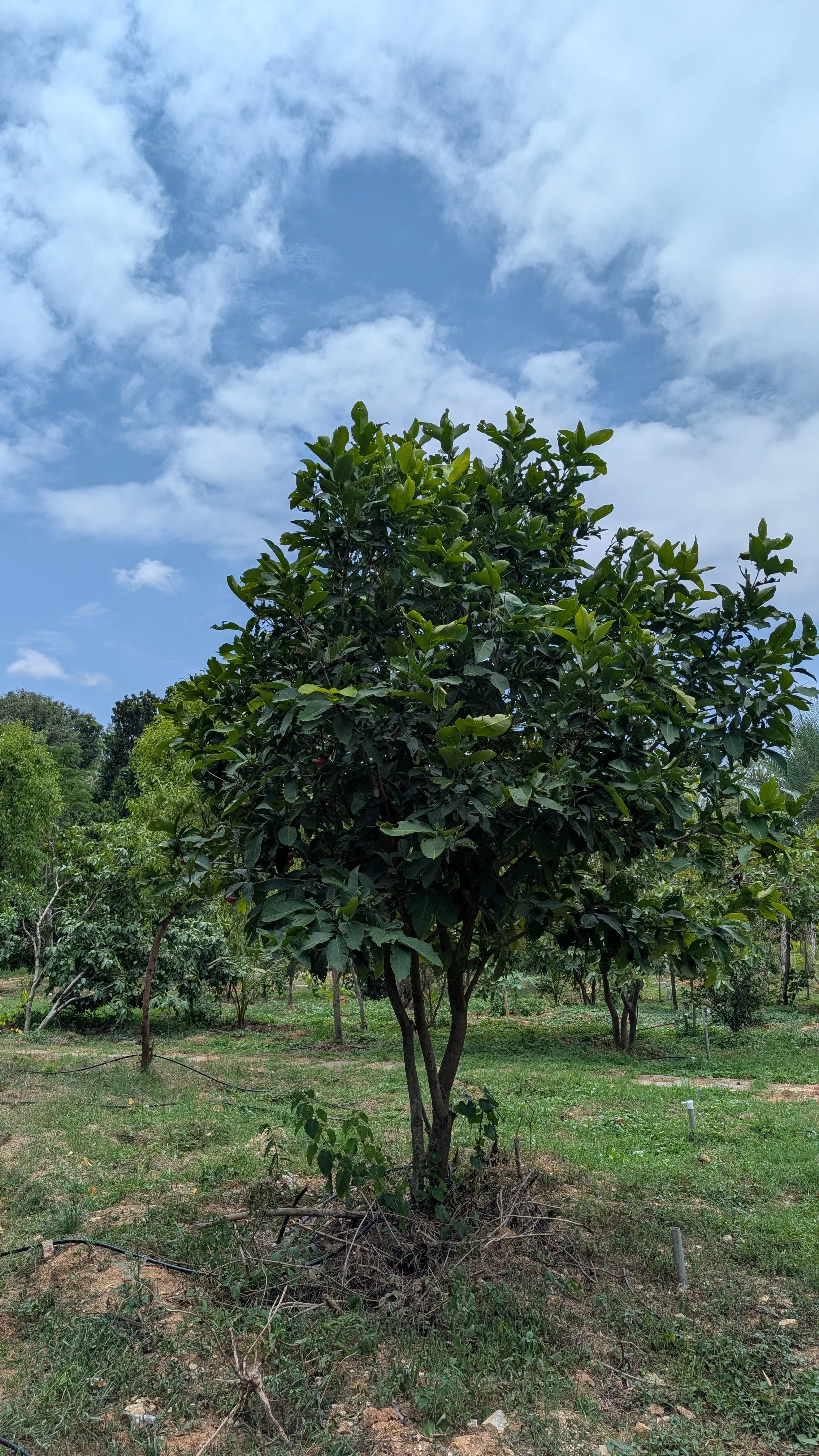
Native species are accustomed to our varying seasons and soil conditions, they are incredibly resilient and almost always survive very harsh weather conditions. They also show immense gratitude for the acquaintance and the effort for being planted back into their ecoregion by growing extremely fast for those who hold the space for them with patience. Write to us about your experience with native trees, and happy gardening!
