On hydro-diversity
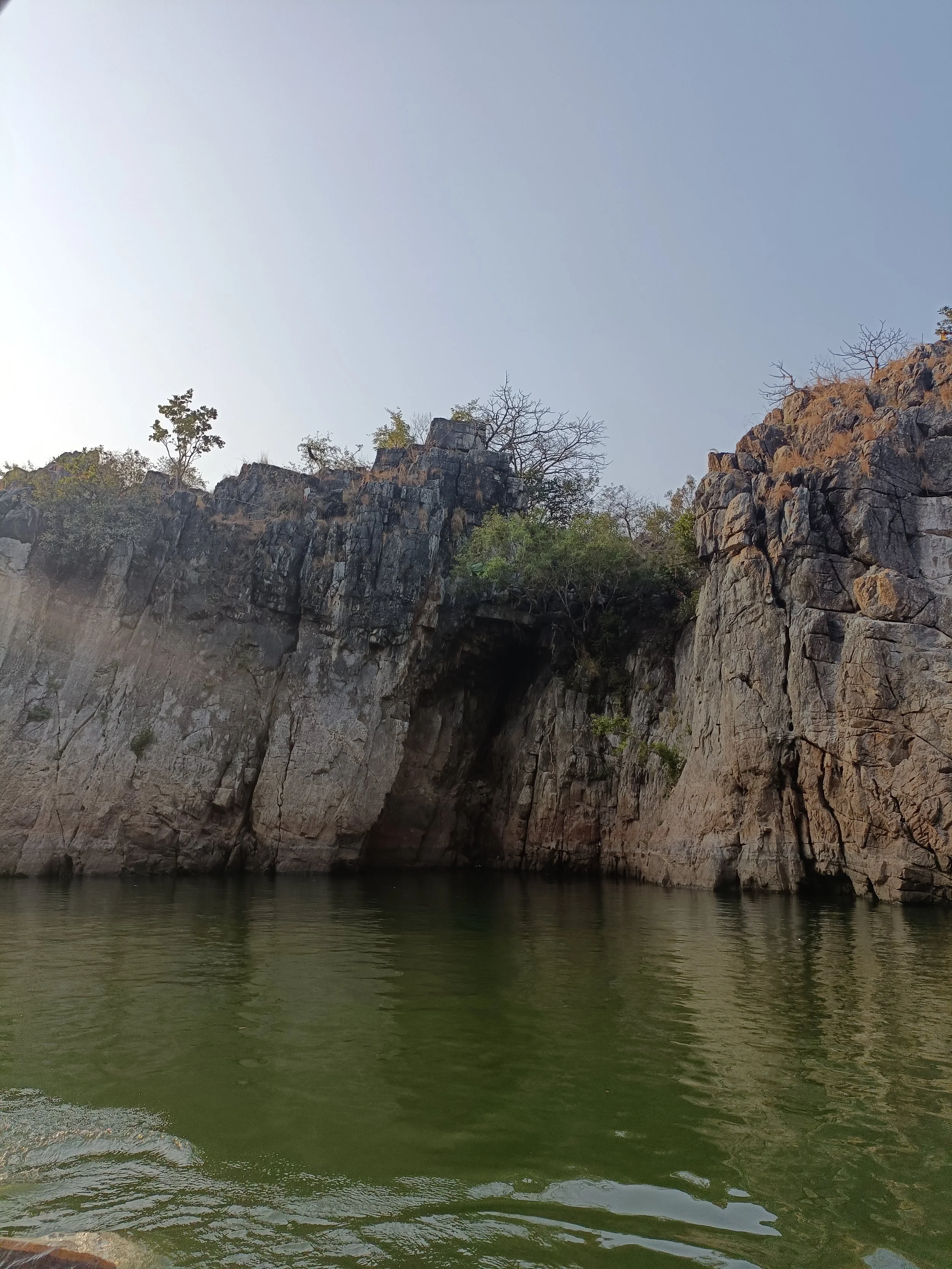
I’m endlessly fascinated by all the forms water takes in a landscape, each so unique that I sometimes imagine a taxonomy for them: Lacus clarum (clear pond), Fluvius fontanus (spring-fed stream), Lacus temporalis (ephemeral pool), Stagnum turbidus (muddy puddle). There’s dew, mist, open well trickle, subsurface ooze, still wetland, mango shower, monsoon thunderstorm--each with its own ecology and associations with flora, fauna and funga. Water is almost like a kingdom with its own species, not just an abiotic substance.
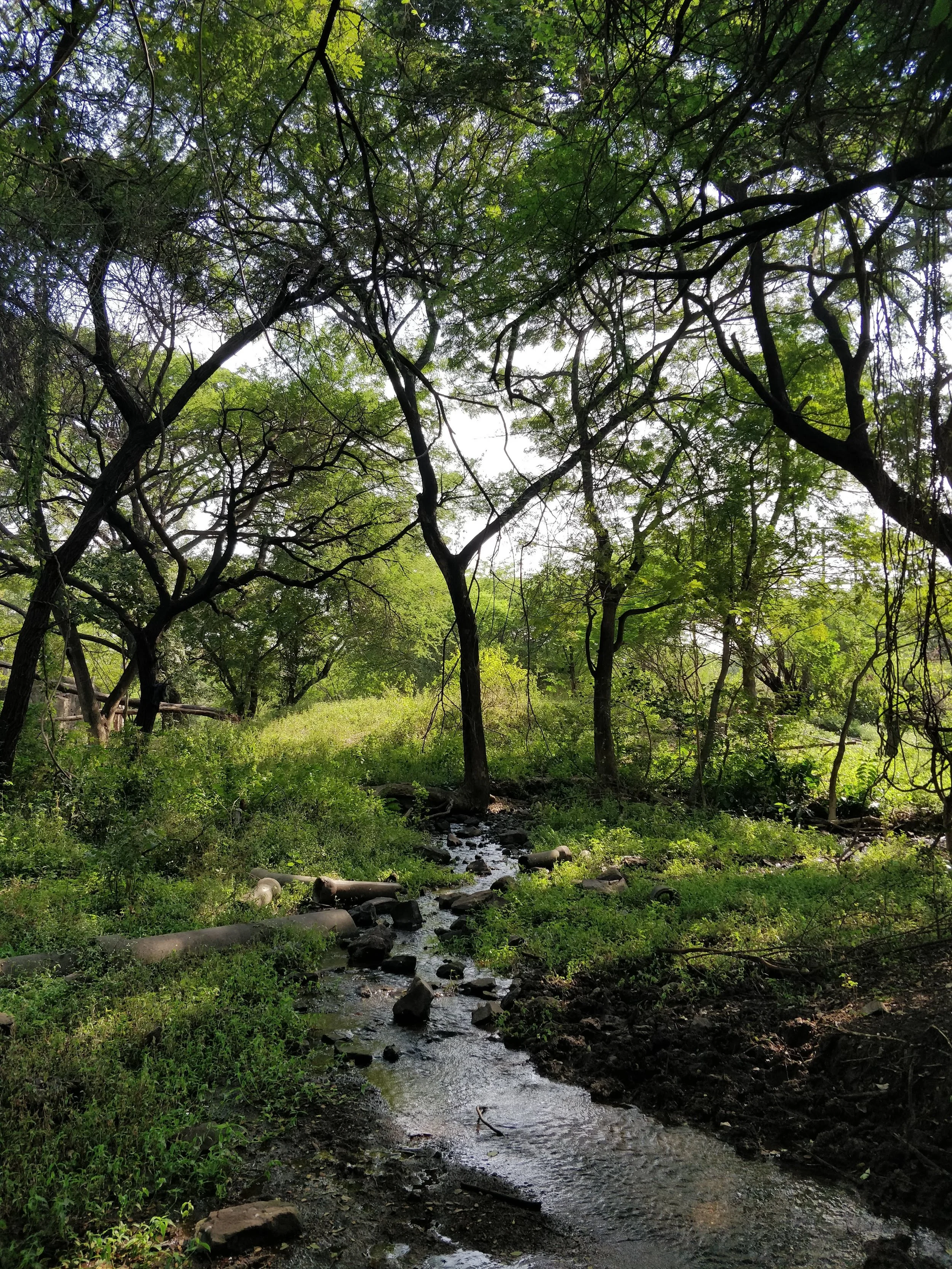
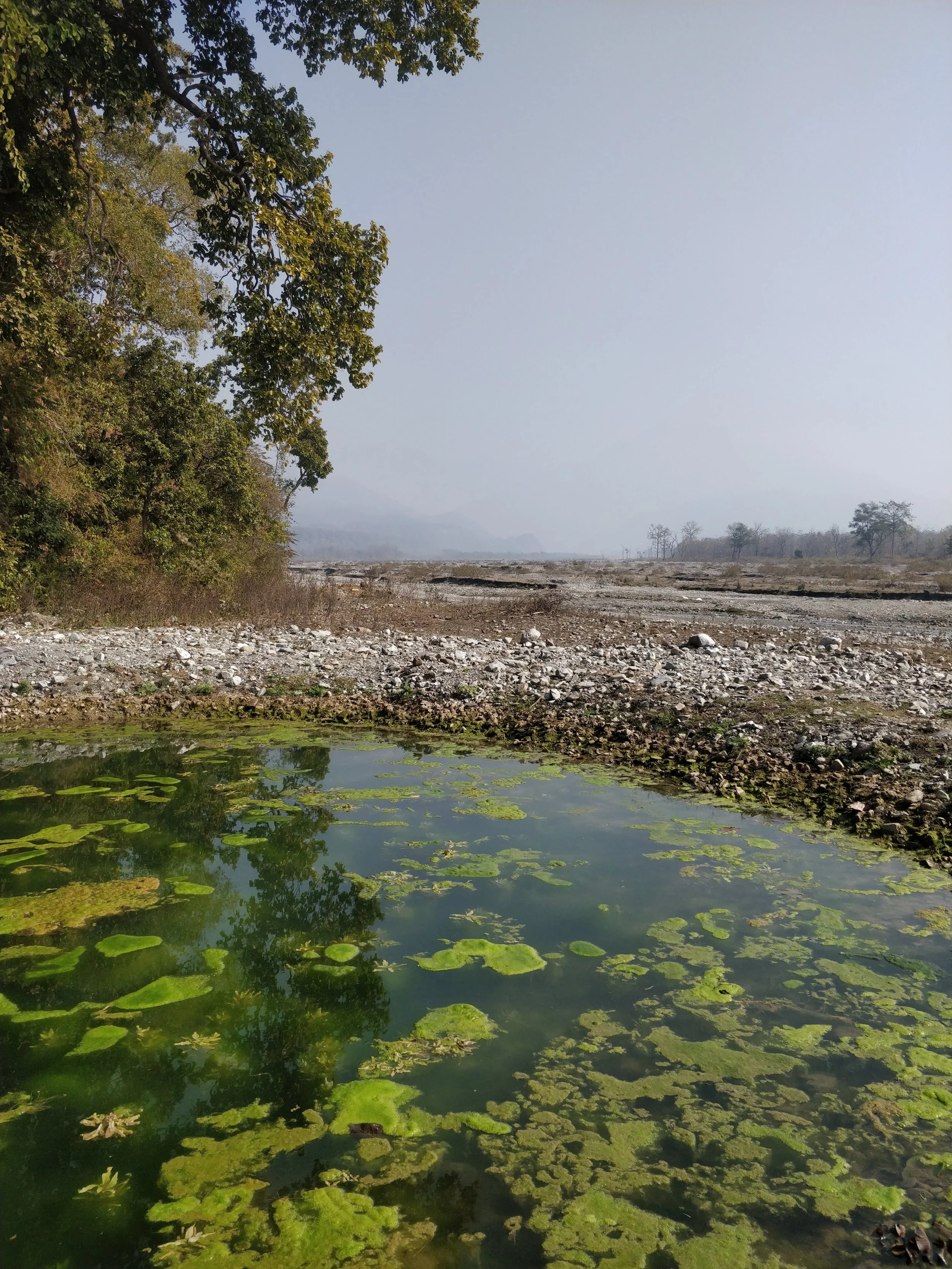
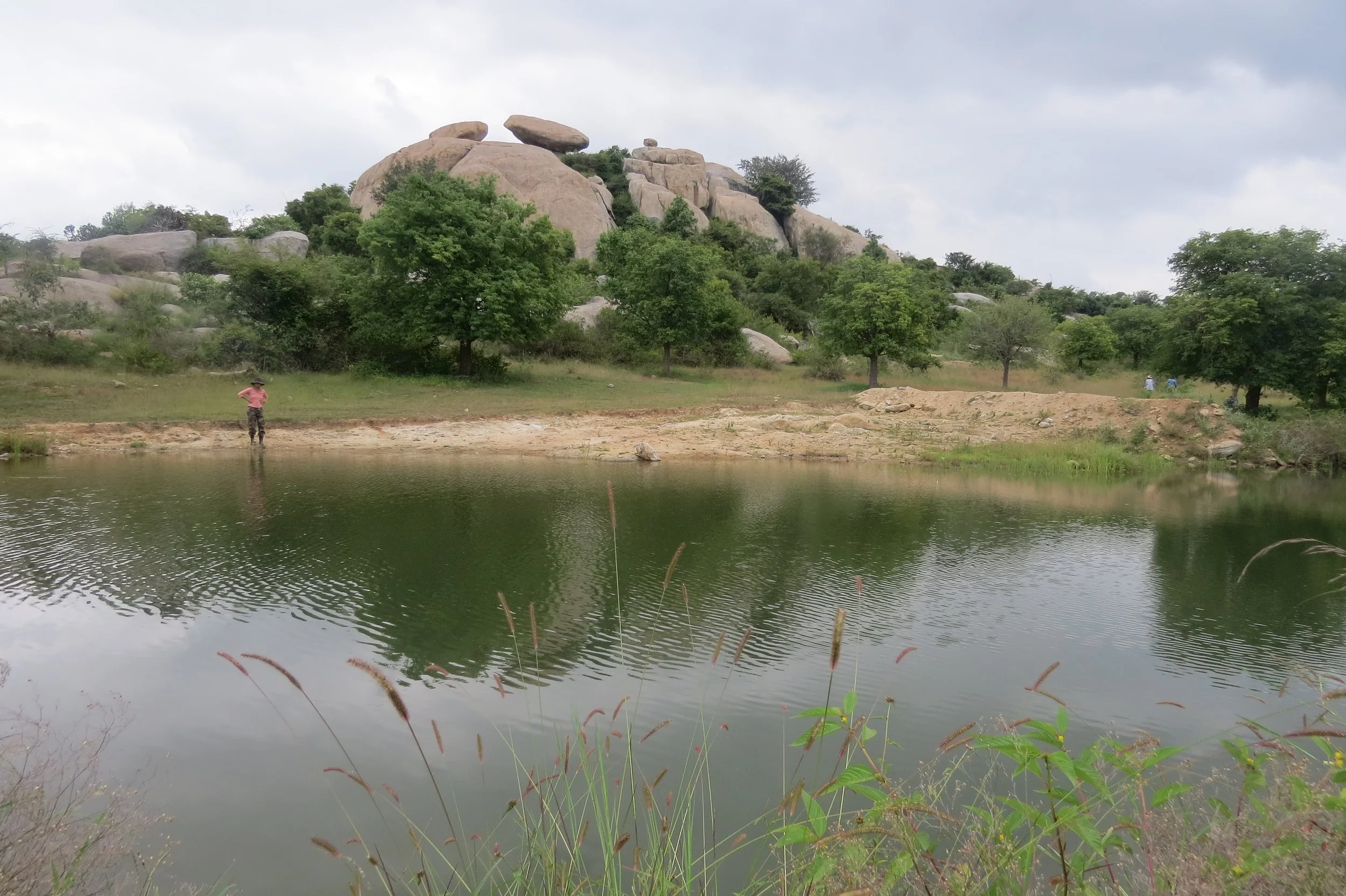
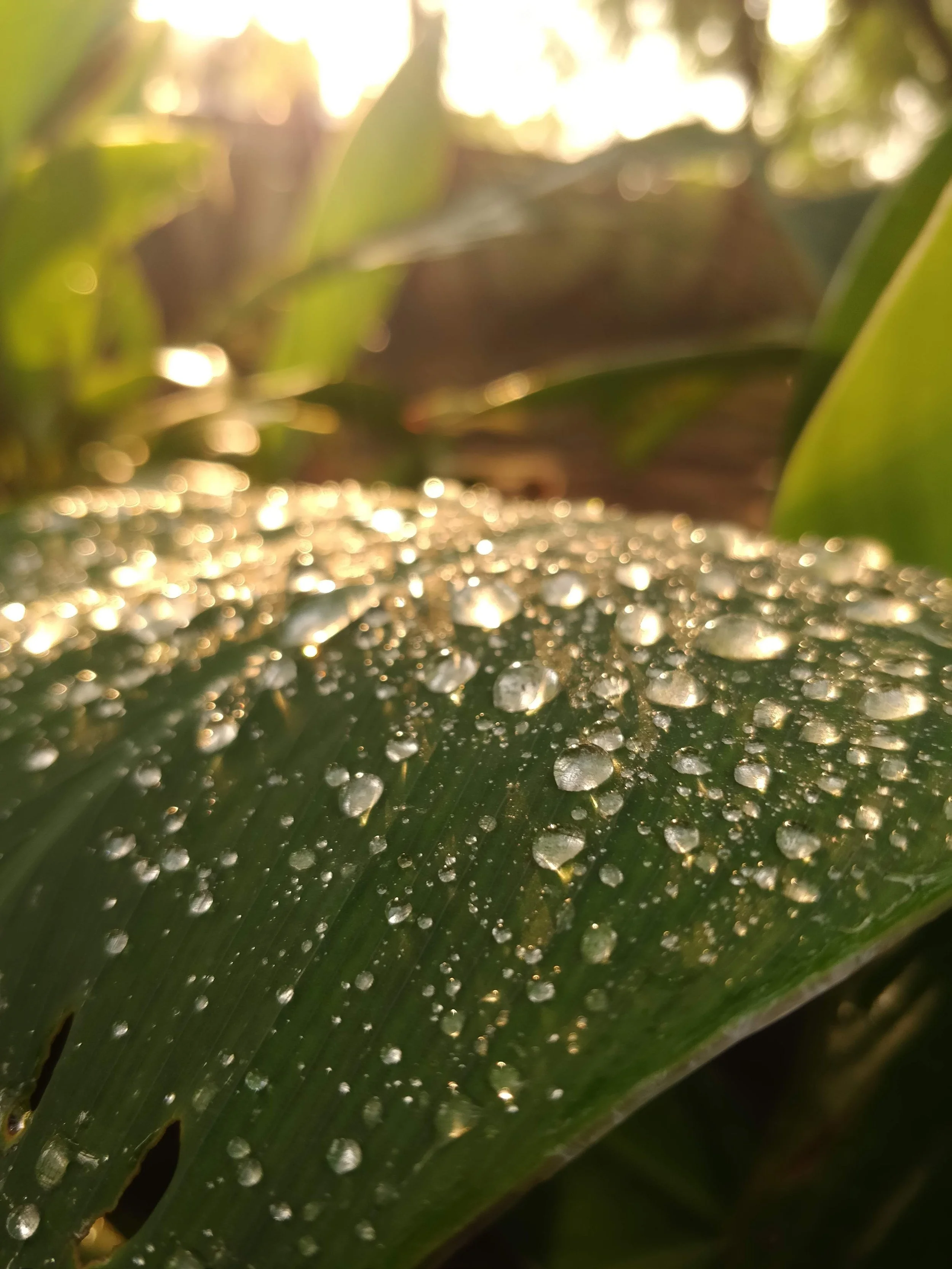
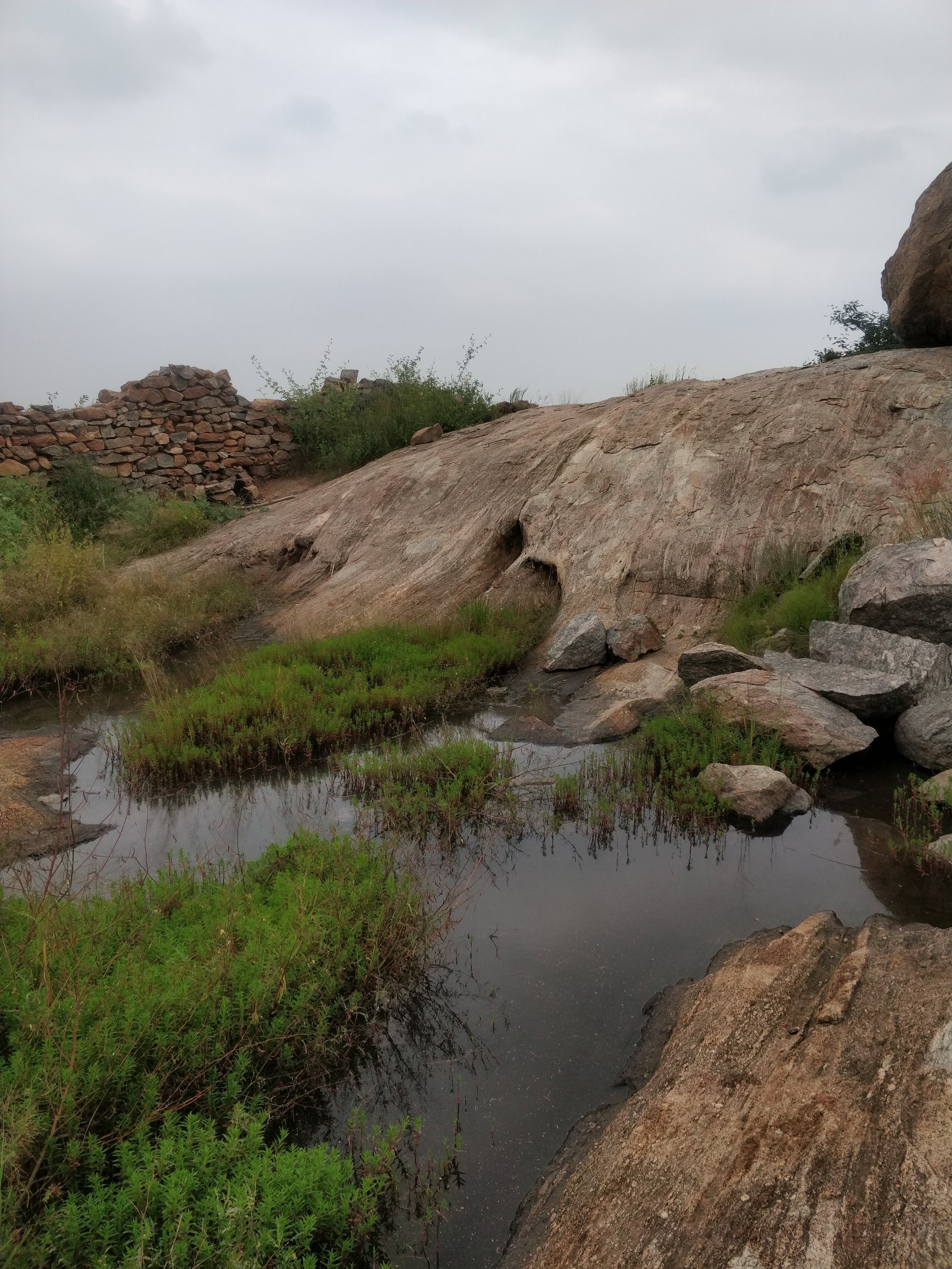

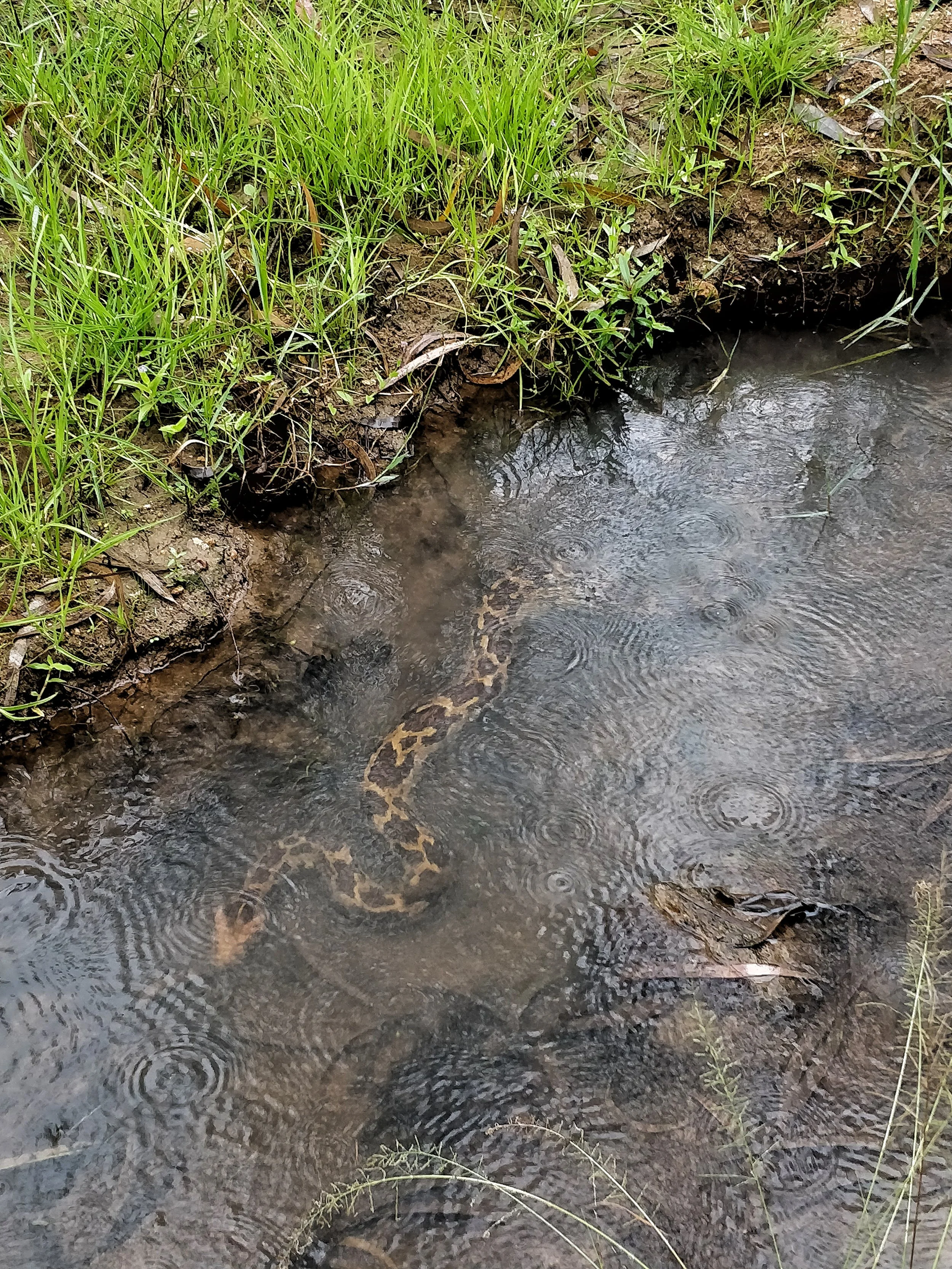
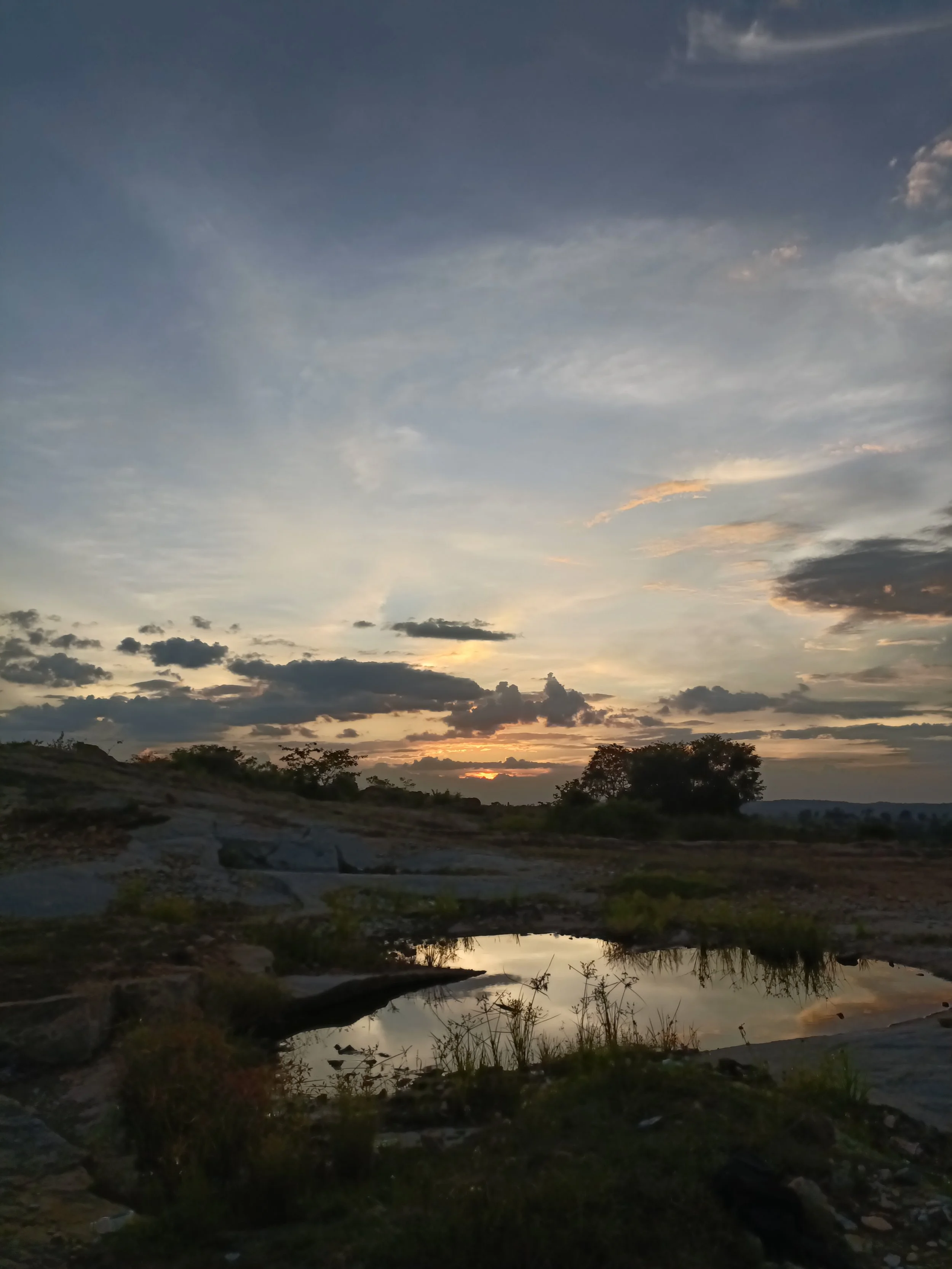
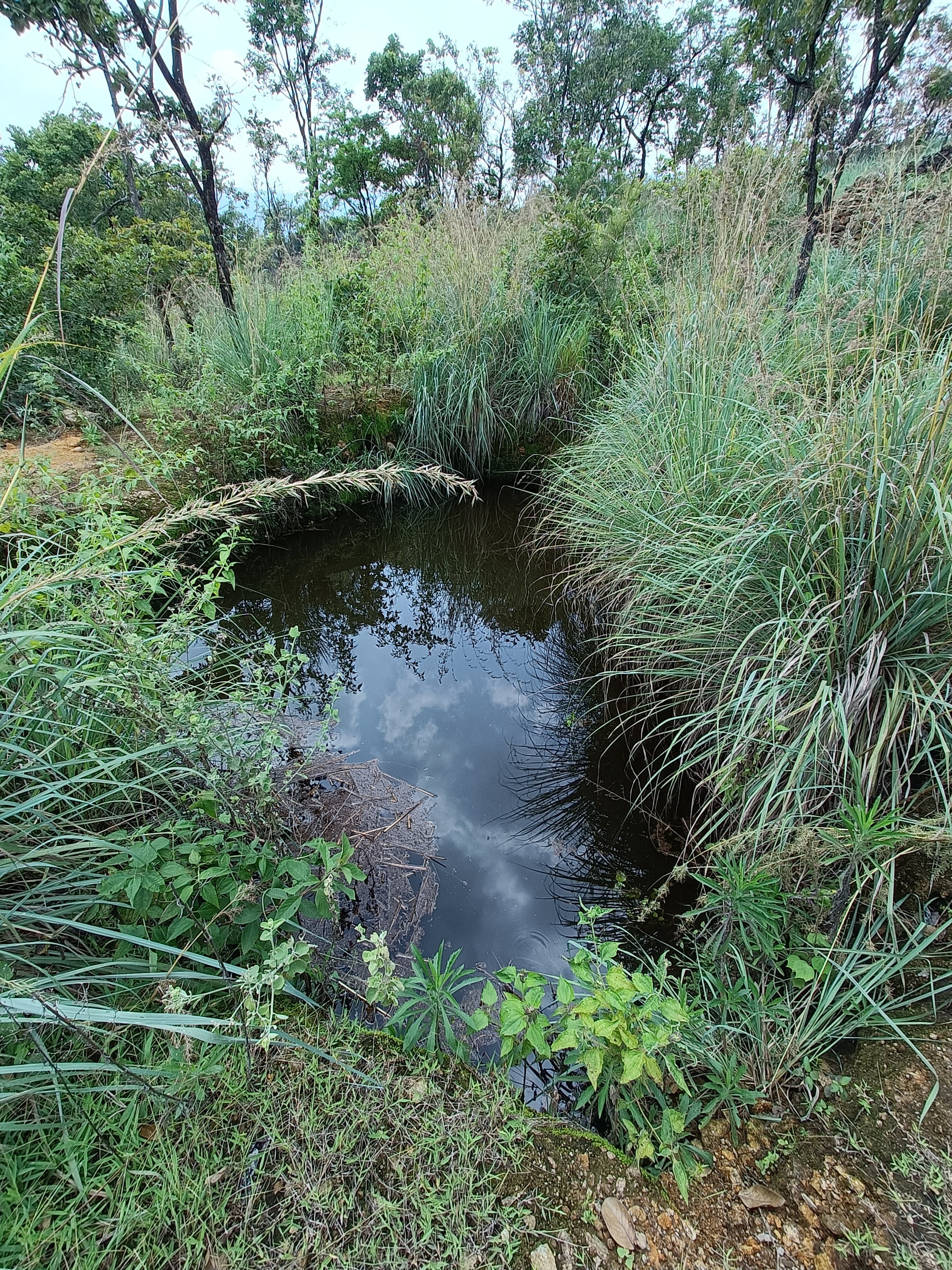
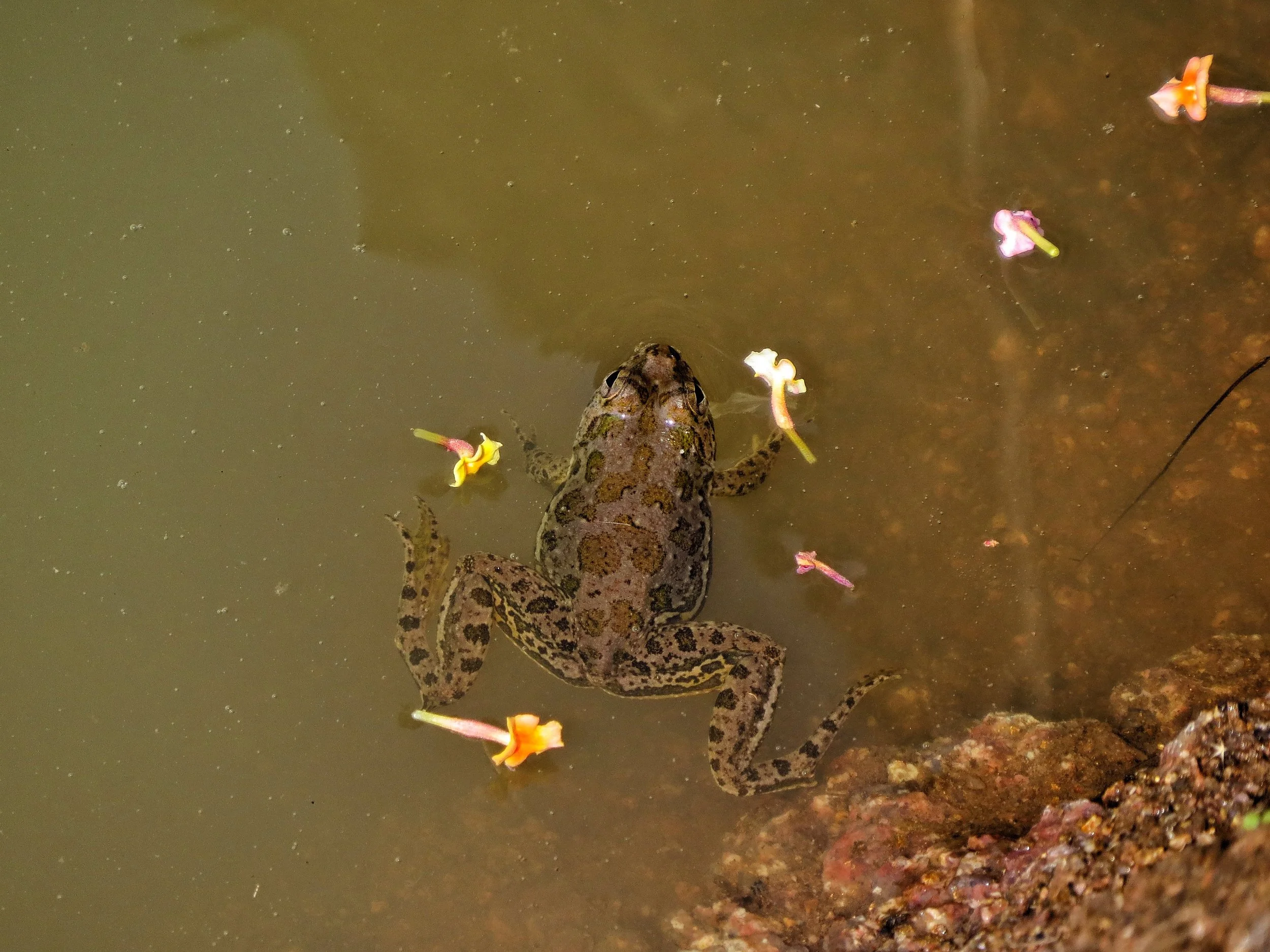
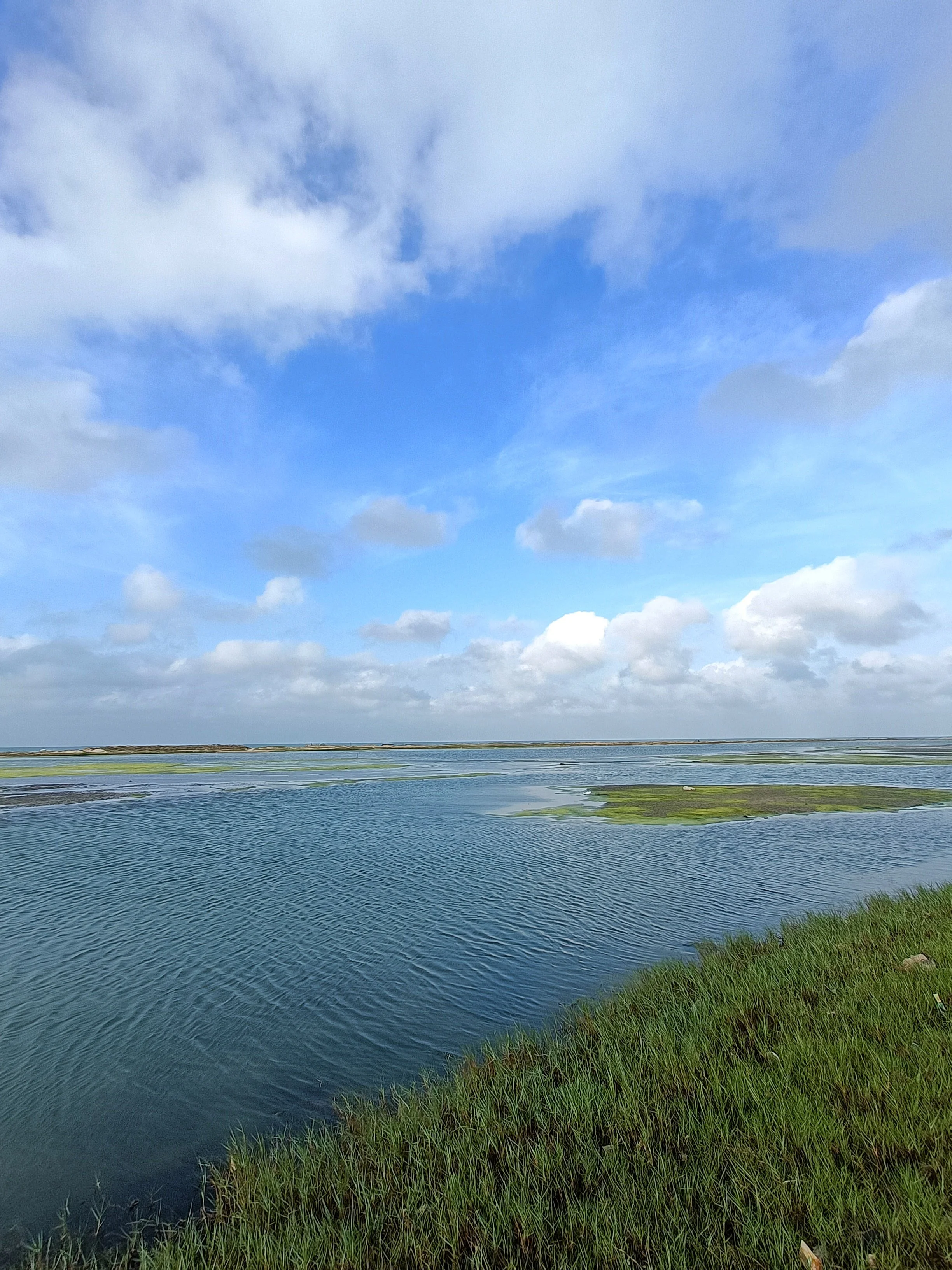
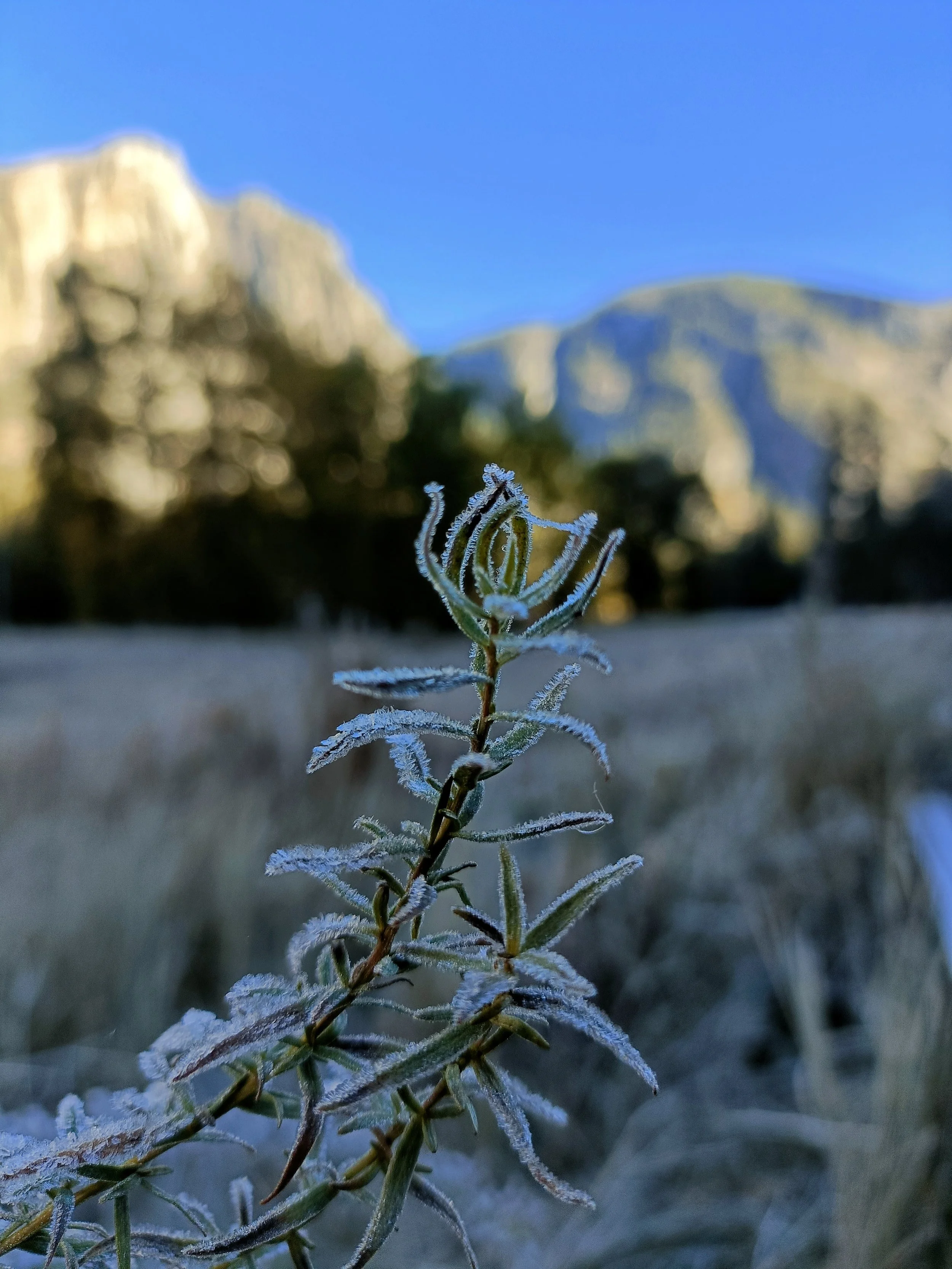
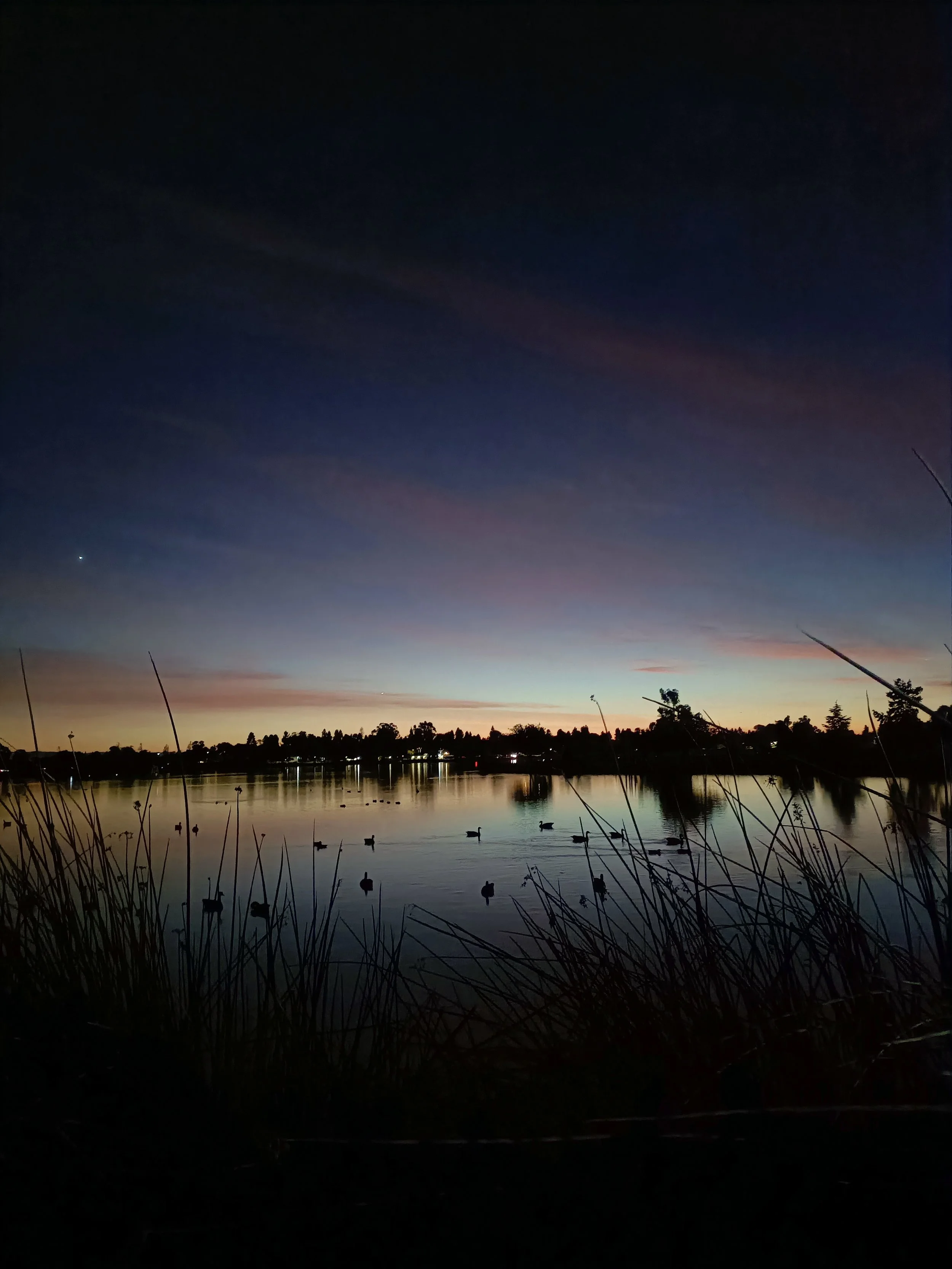
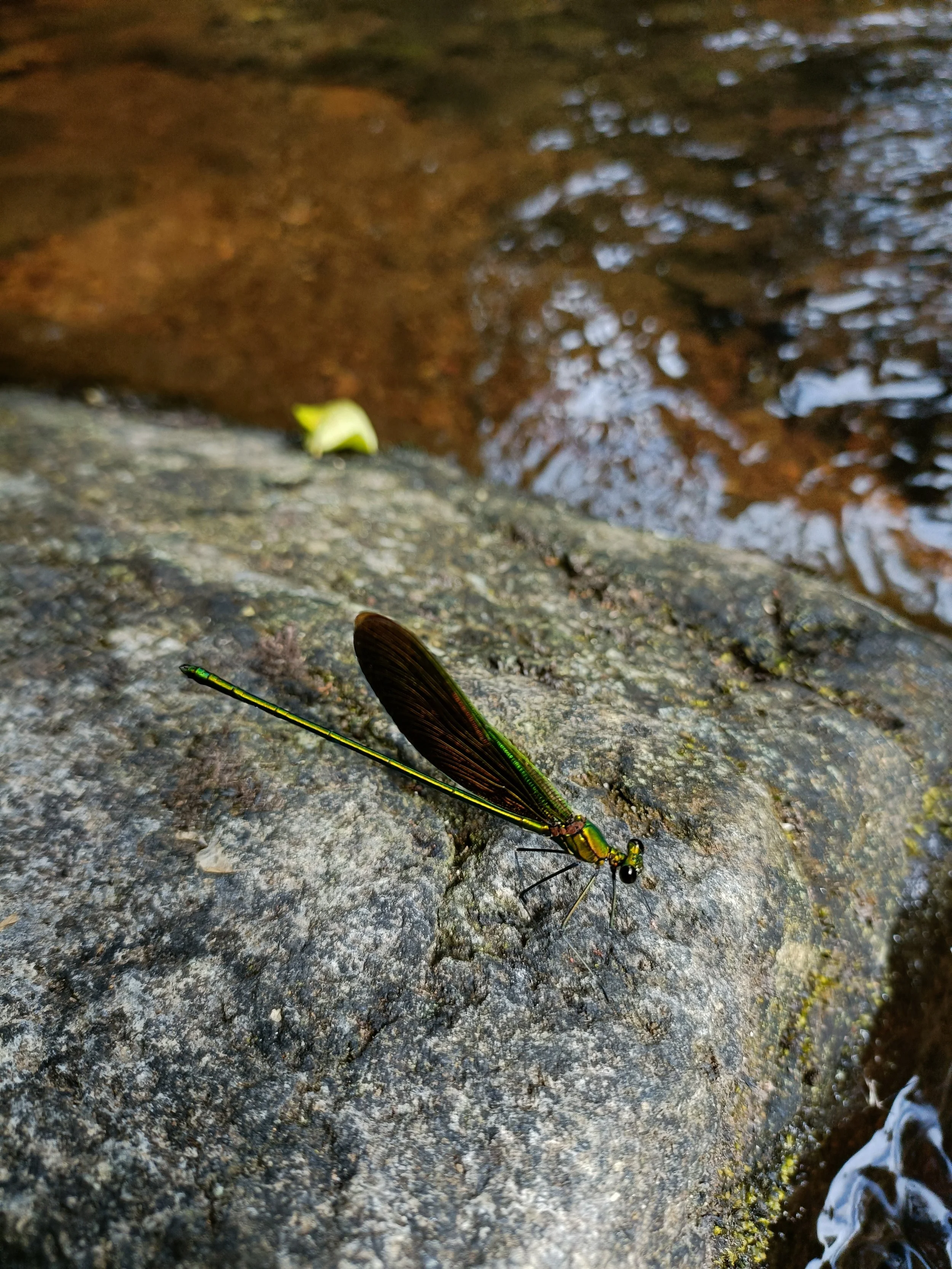
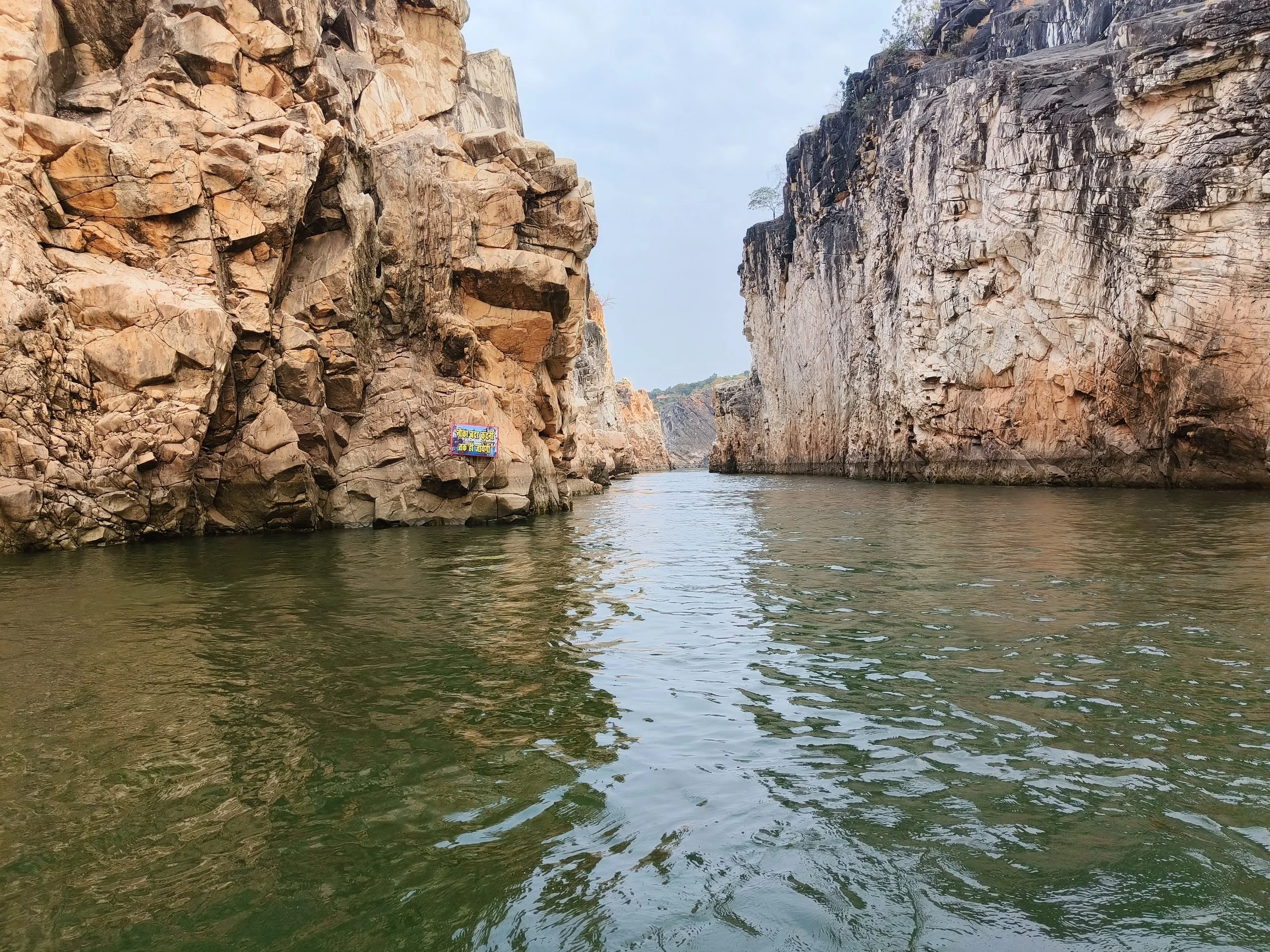
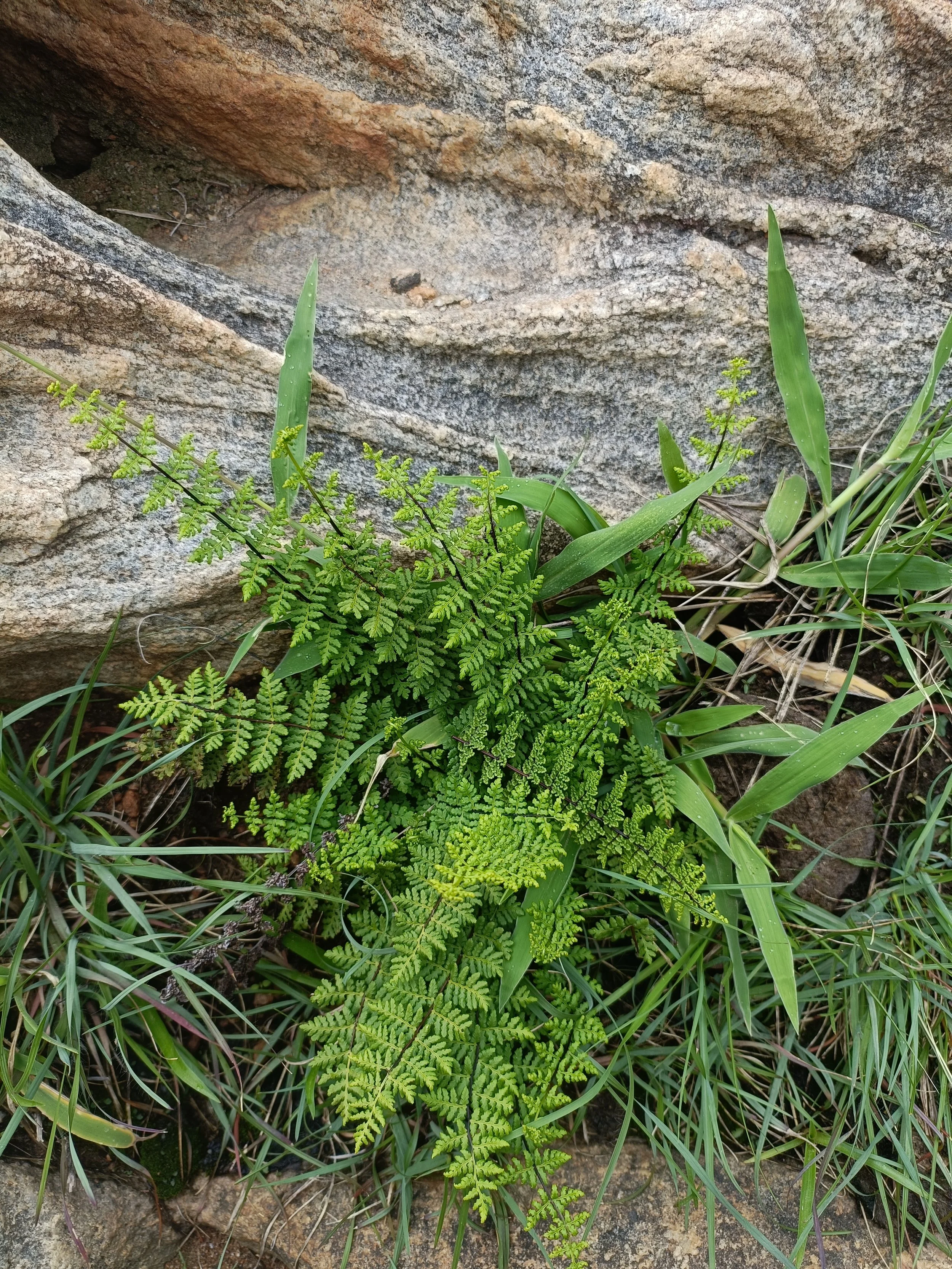
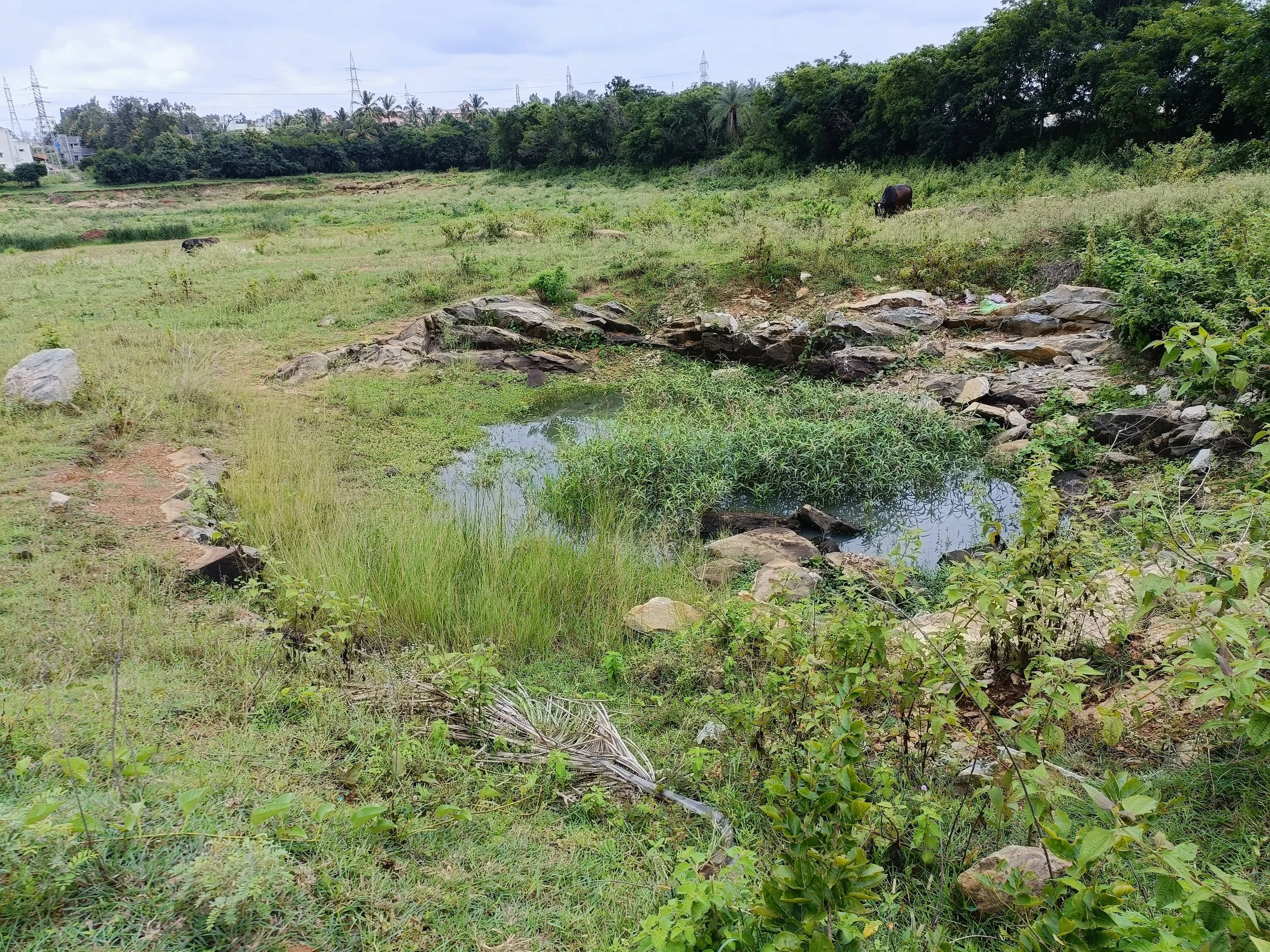
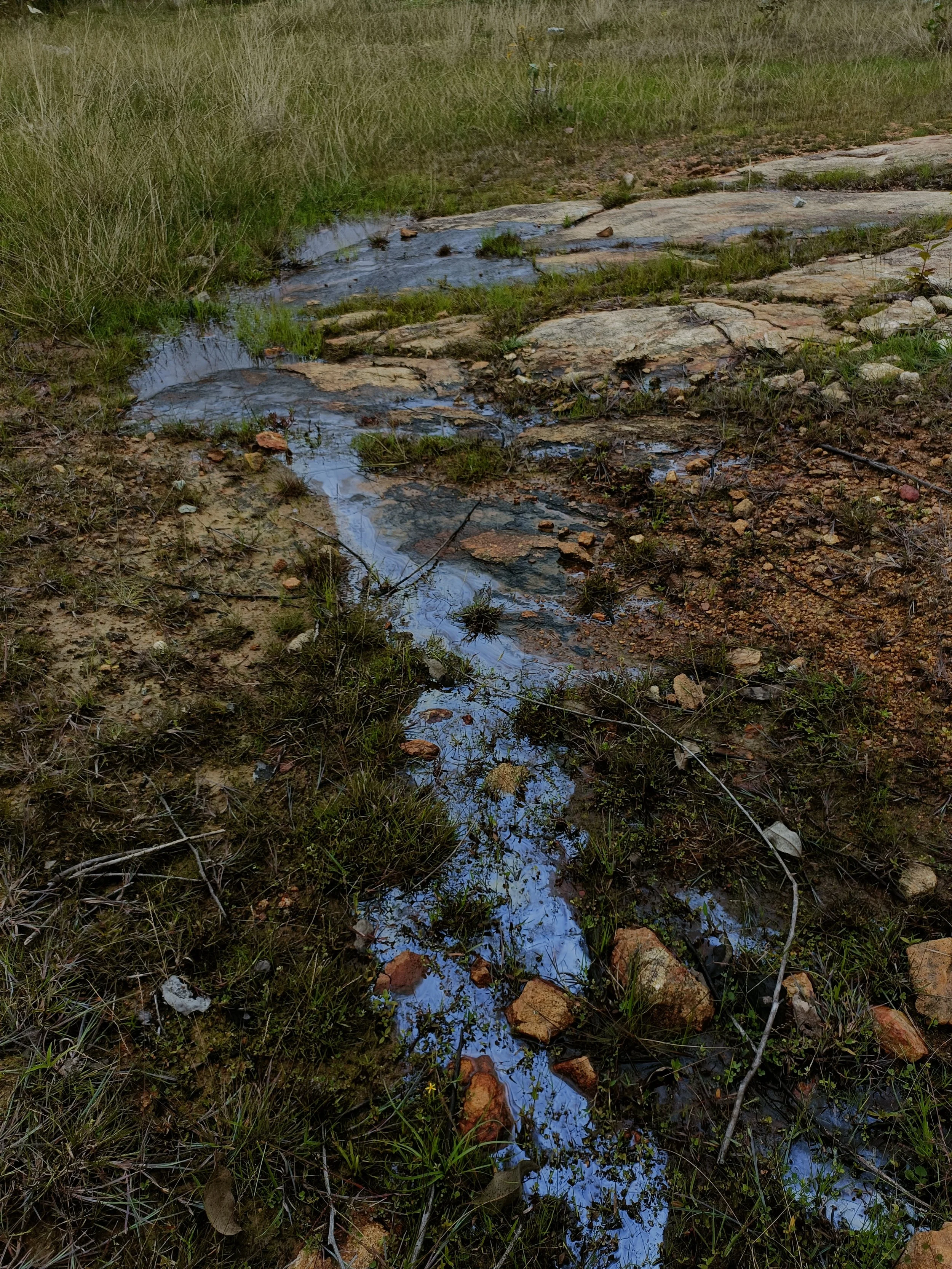
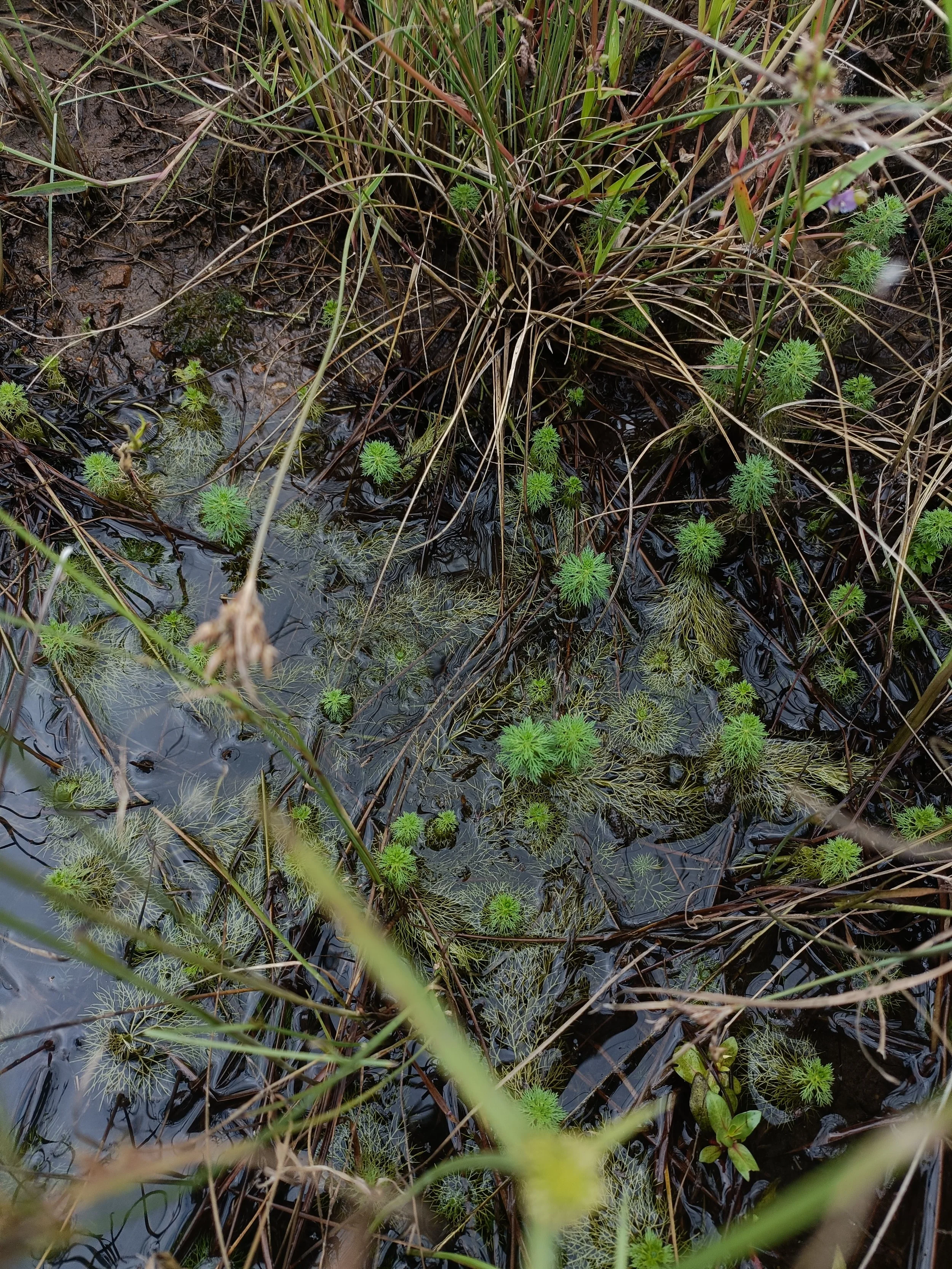
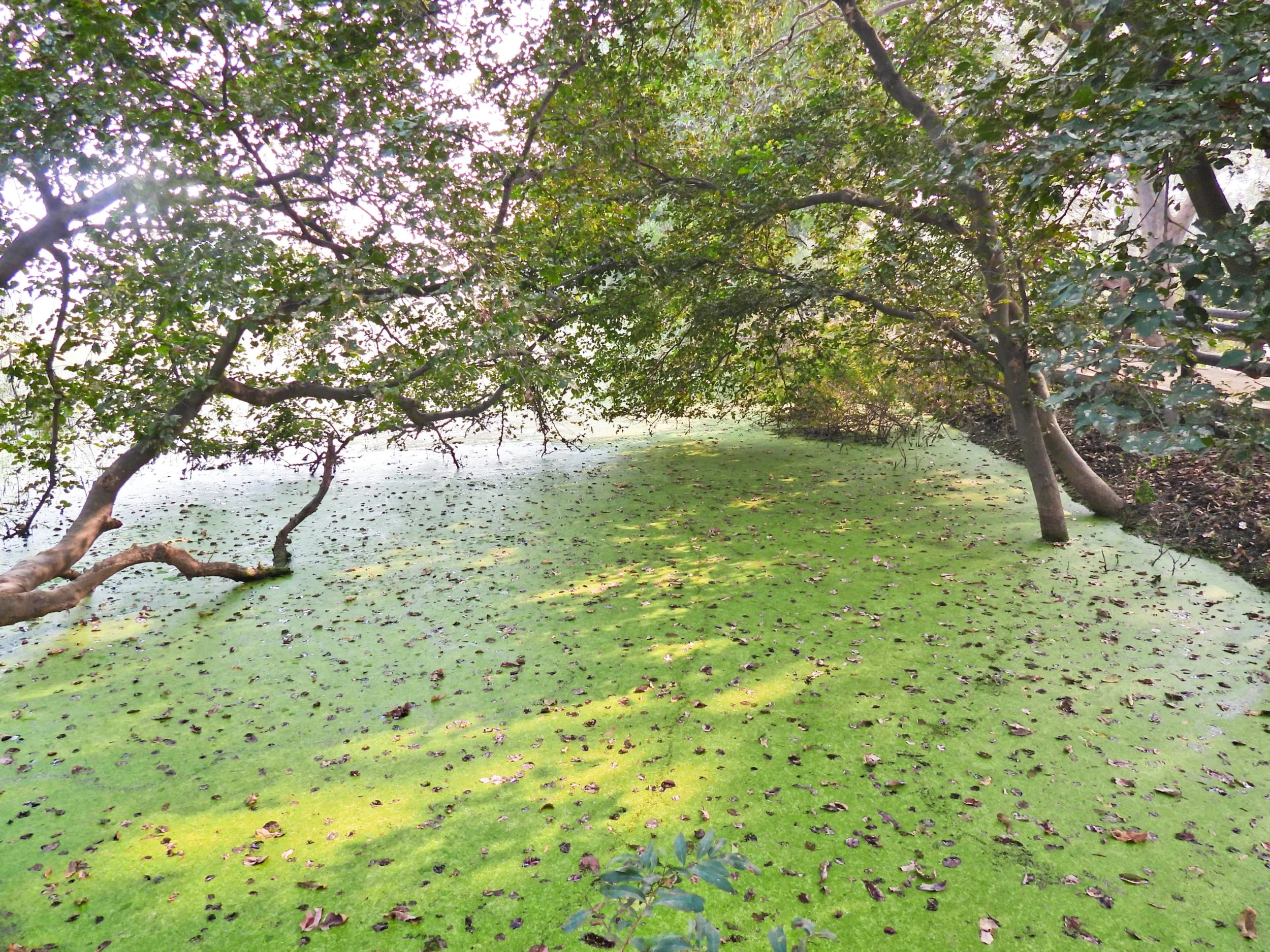
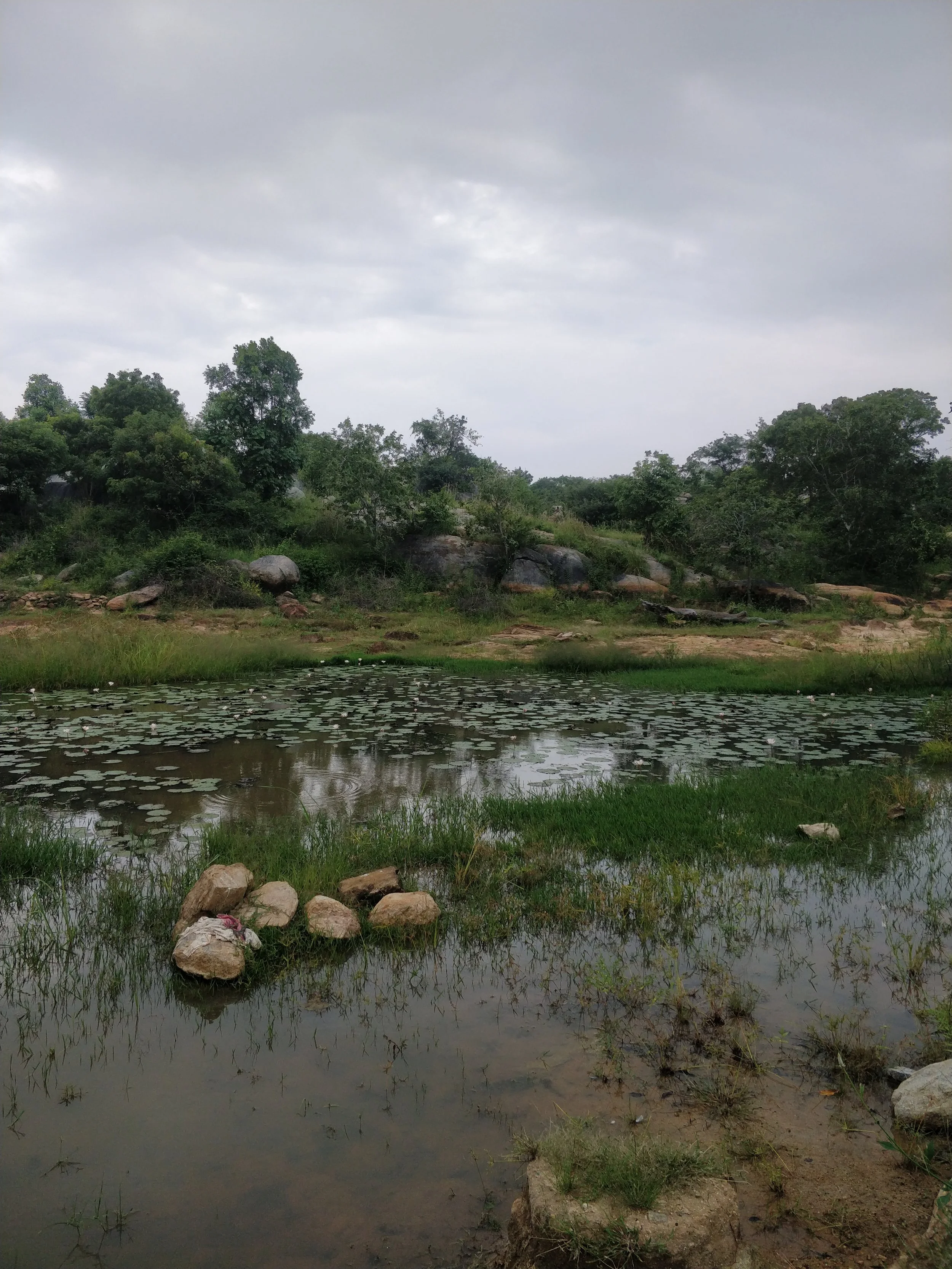
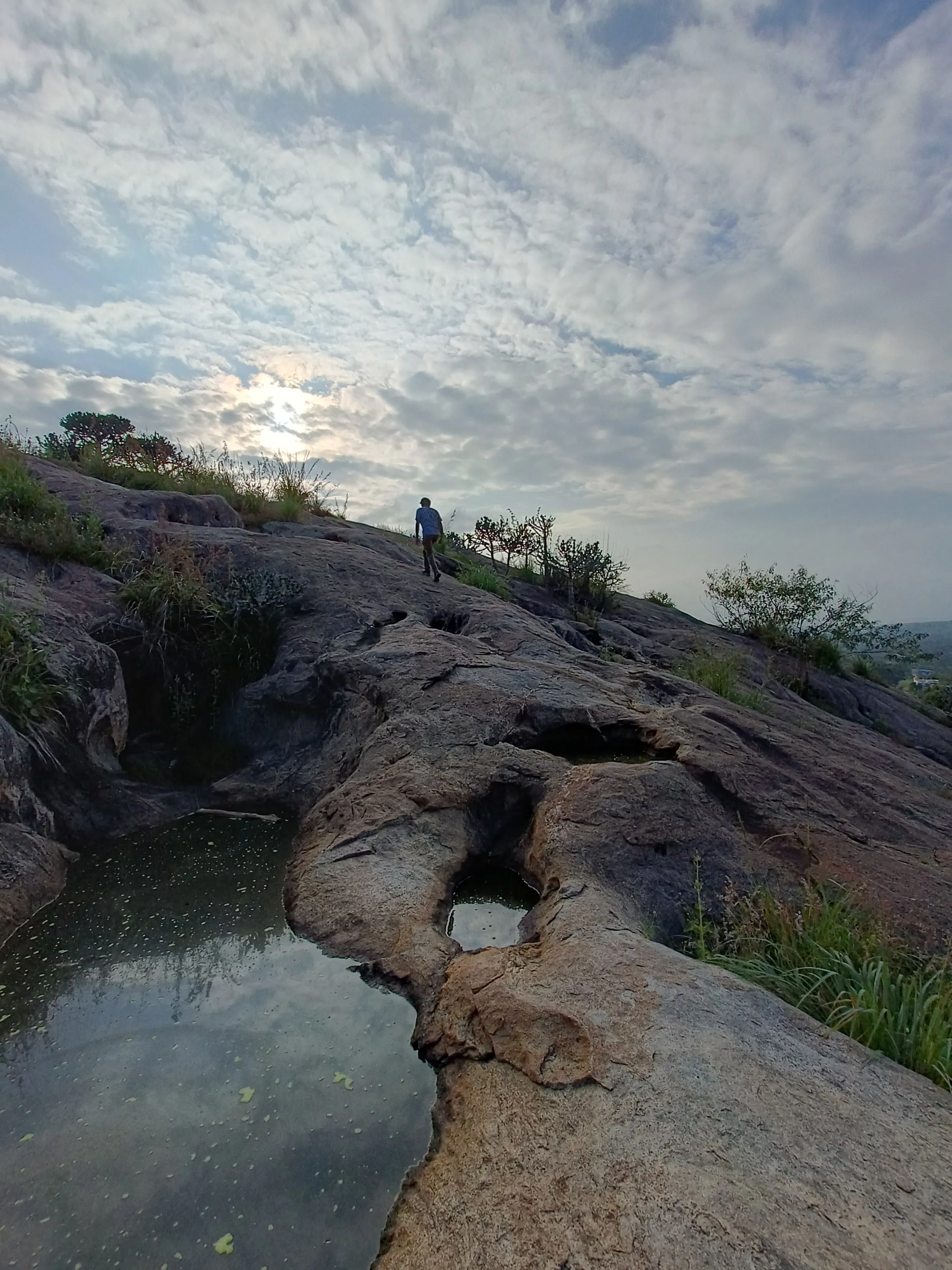
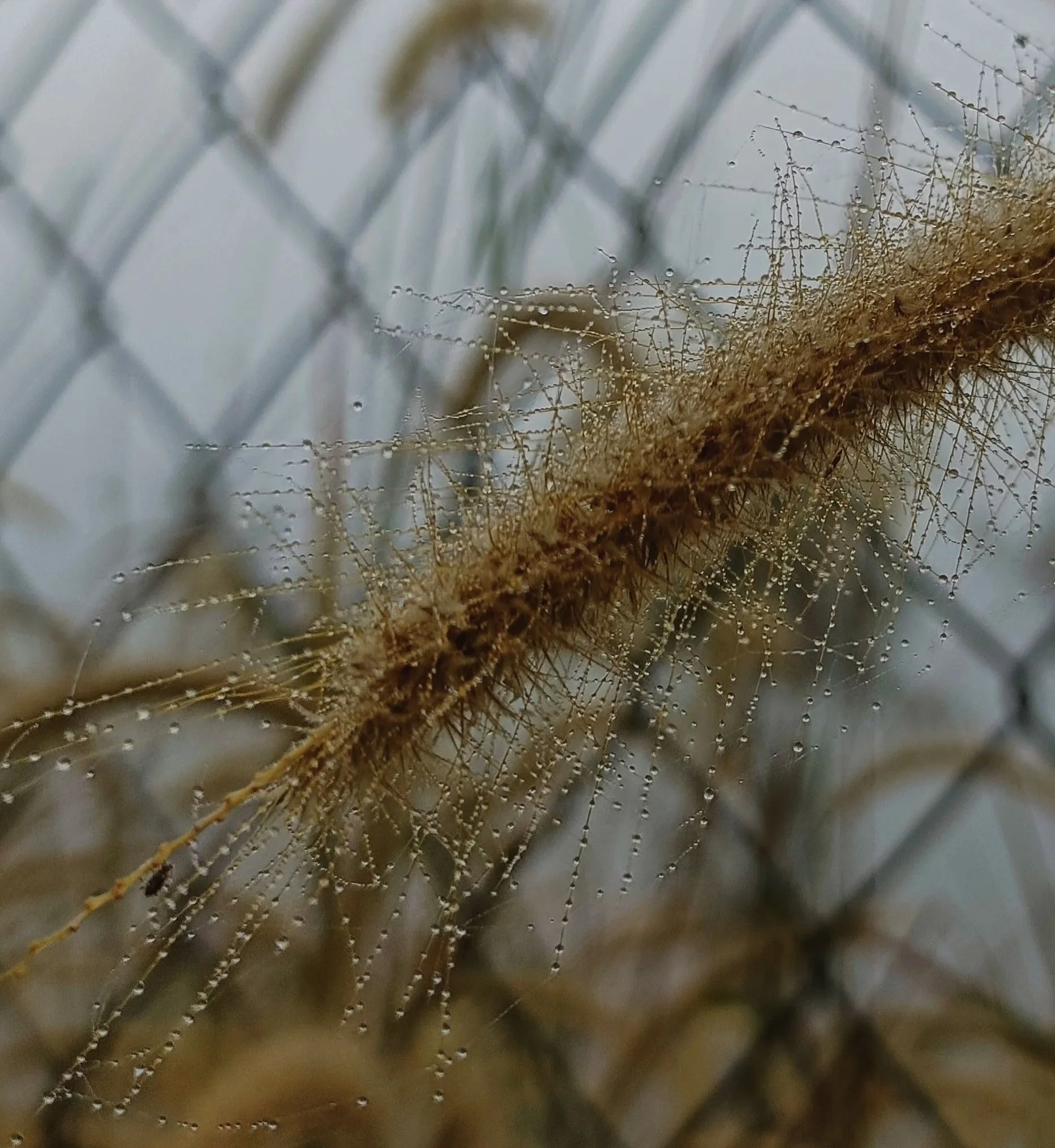
In recent years, climate change has not only brought erratic weather patterns and water deficit, but also an erasure of this hydro-diversity. In our rainfall data studies, the pendulum has started swinging between years with barely any rainfall to those with more storm events than ever observed before. On sites, ephemeral pools vanish in days, and spring-fed streams fade away before the summer, taking riparian biodiversity with them. Ponds evaporate, wells go dry and wetlands turn into cracked earth. Ferns, tadpoles and mushrooms that appeared annually, only inhabit the land every other year, then once in two, eventually dissolving into something of a myth.
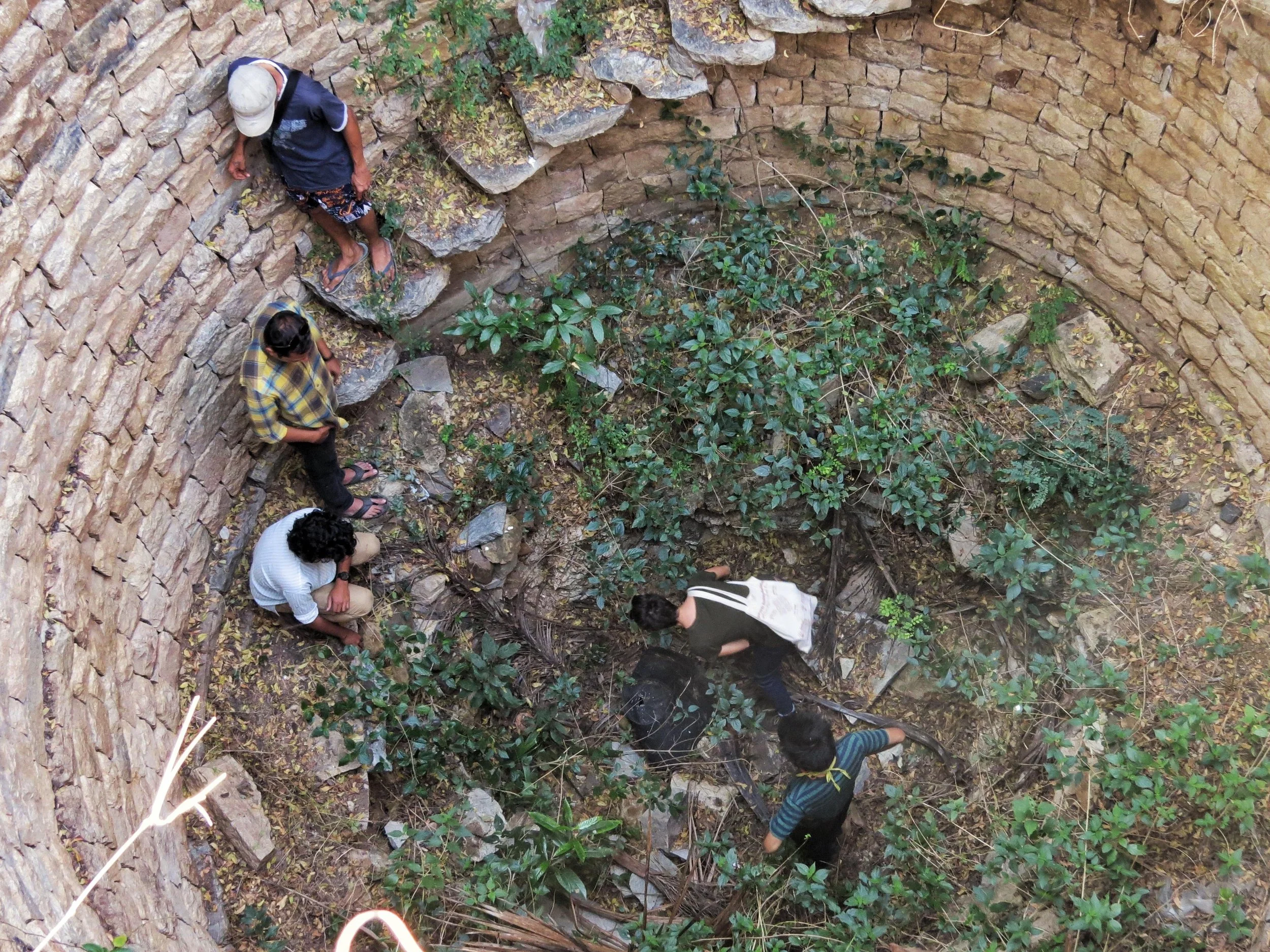
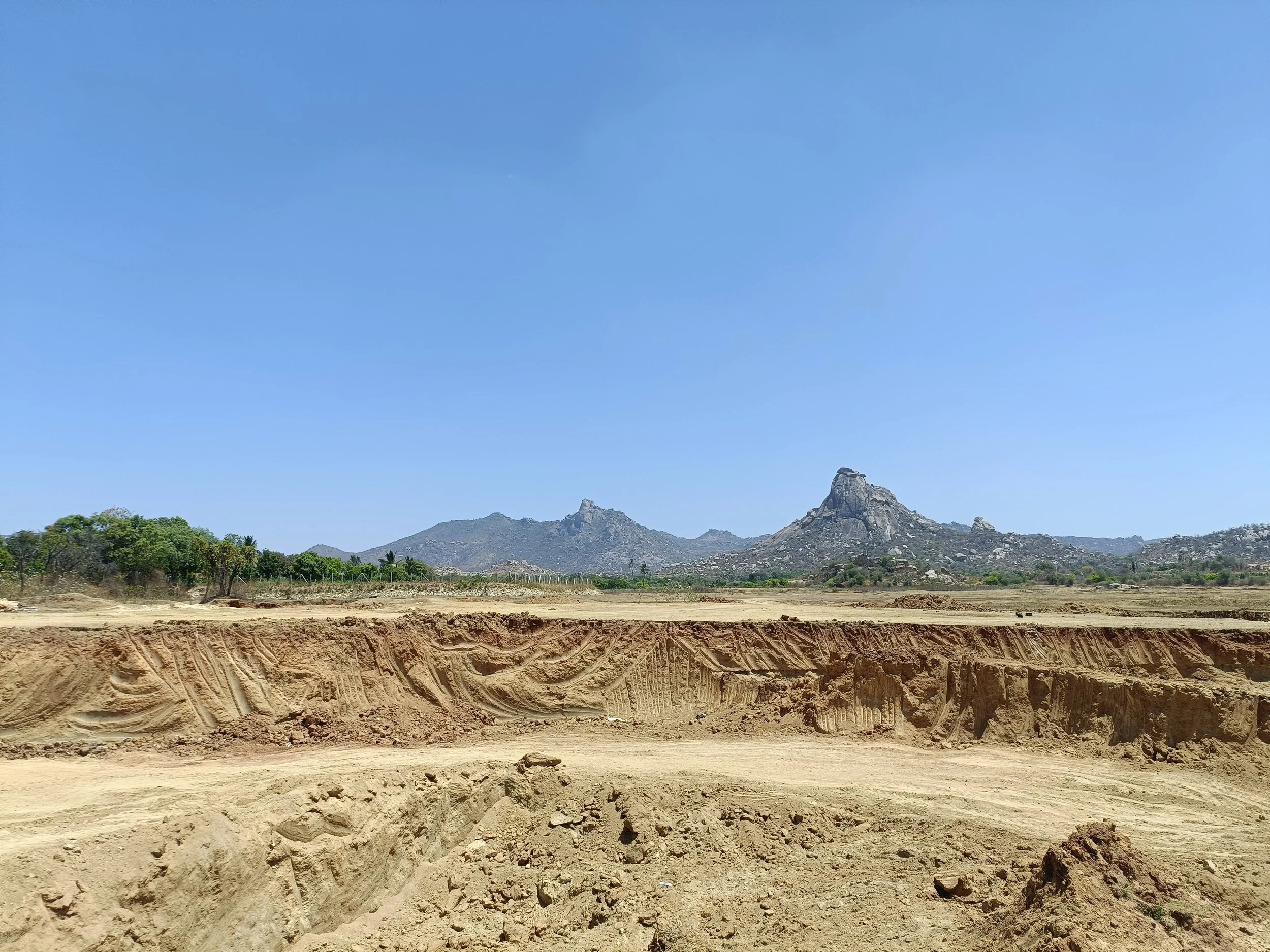
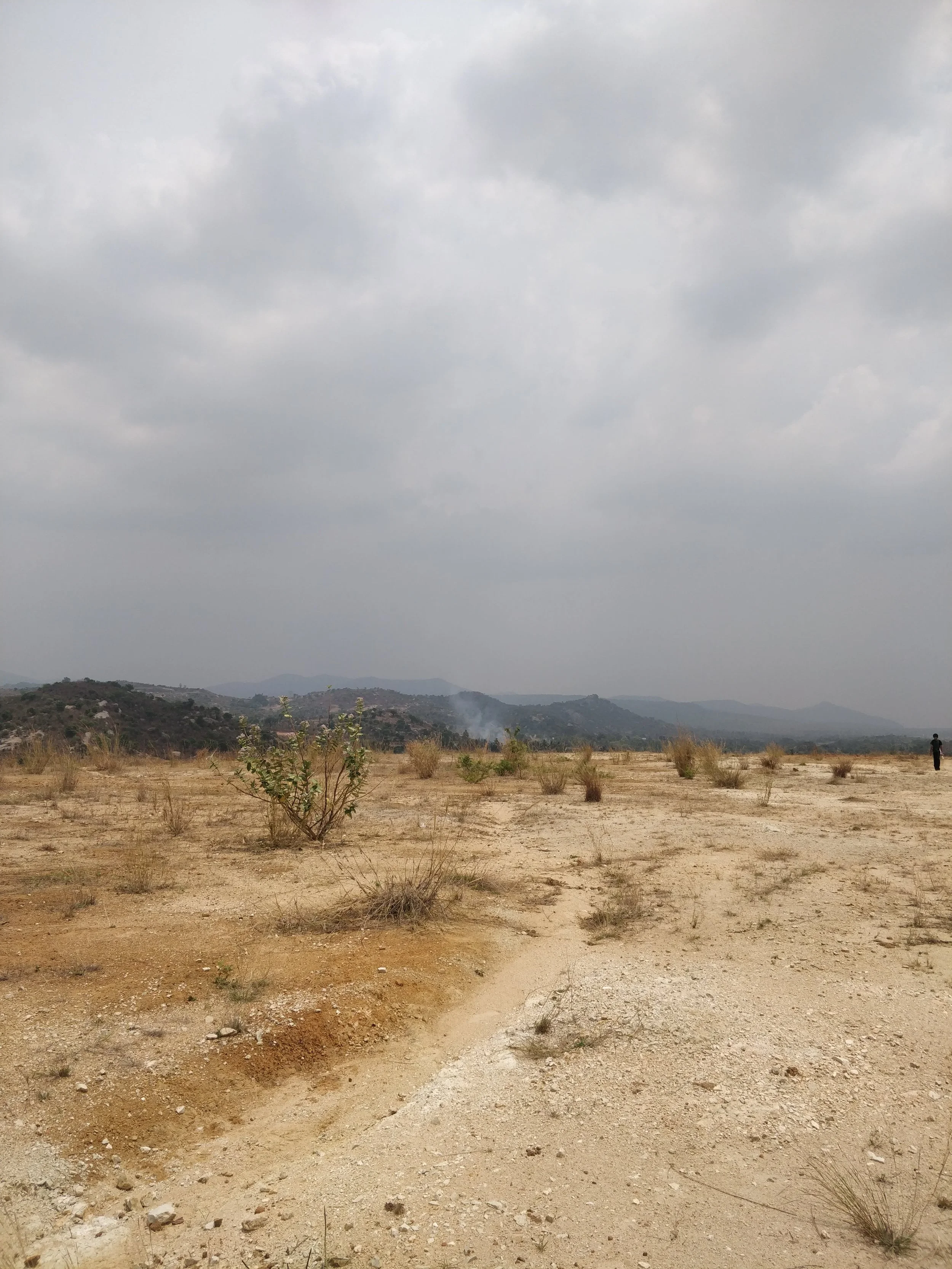
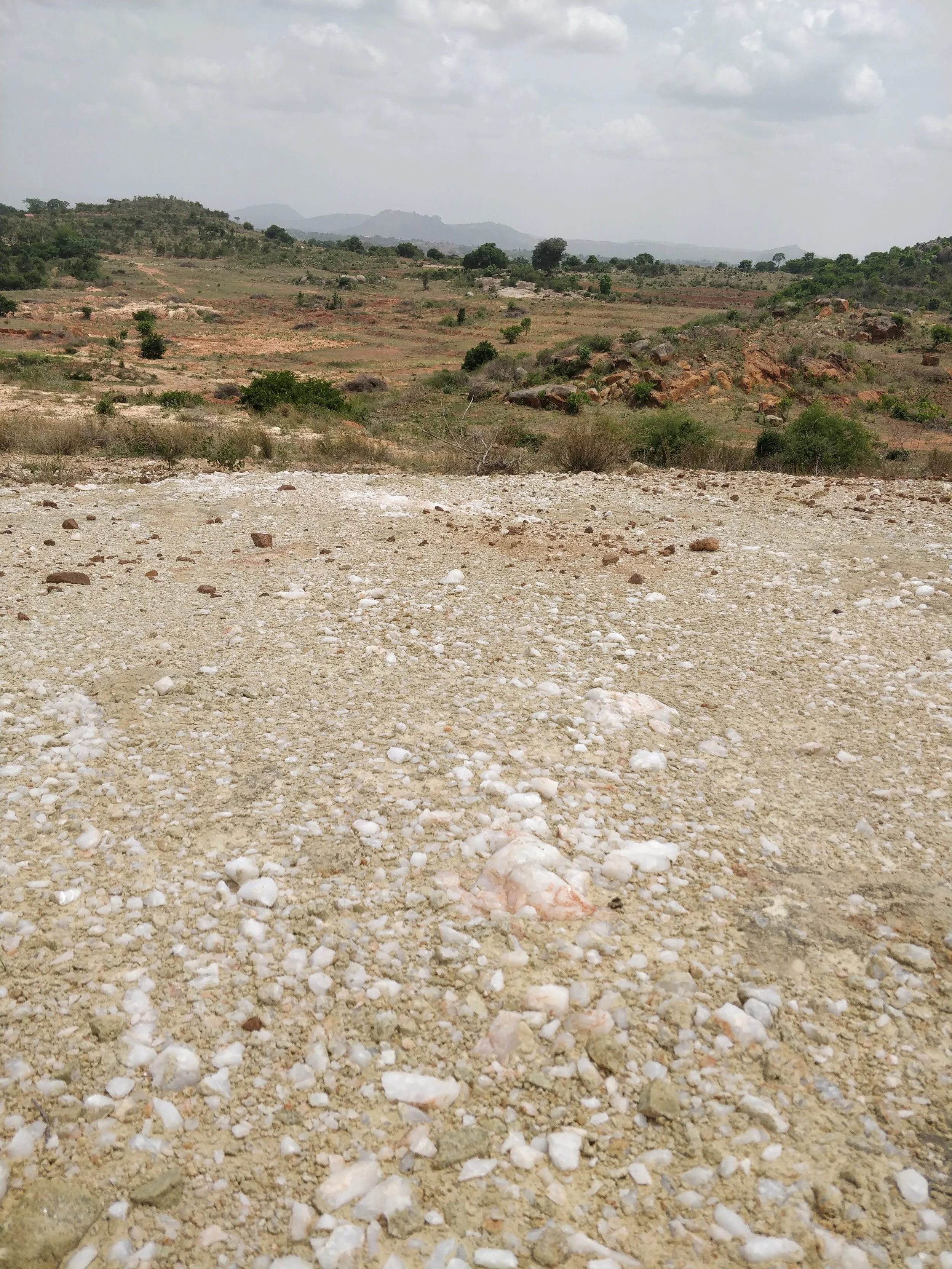
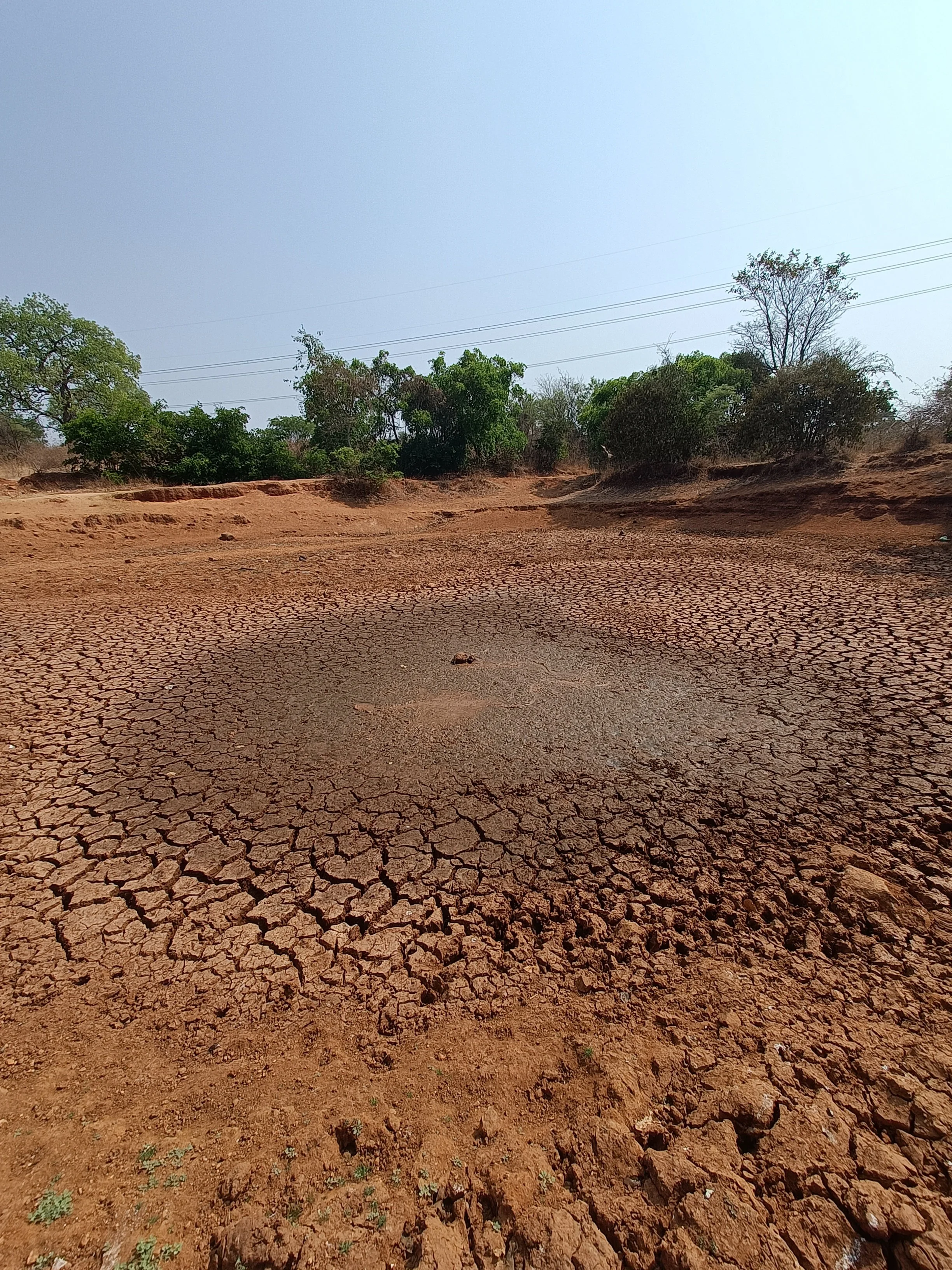
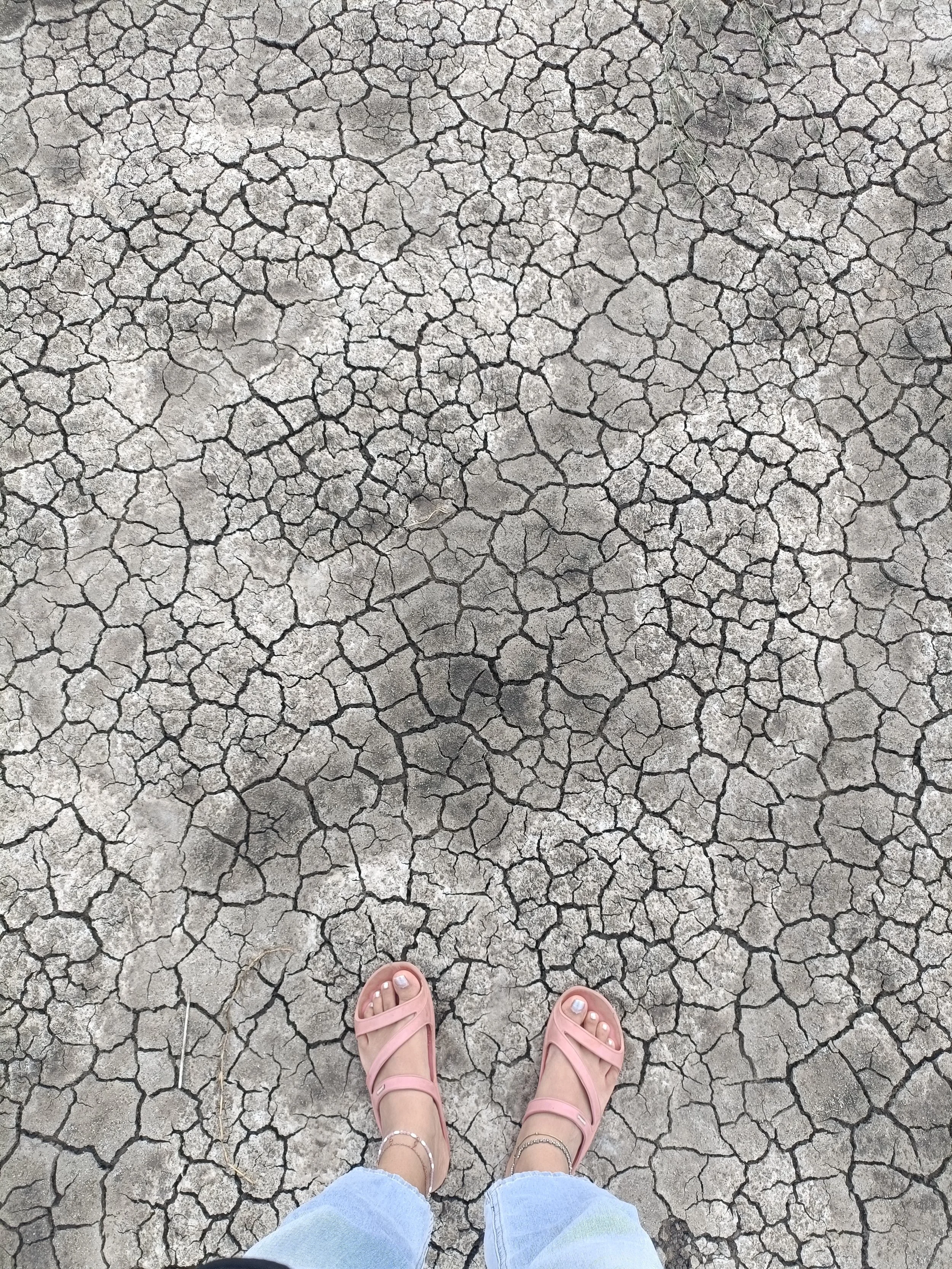
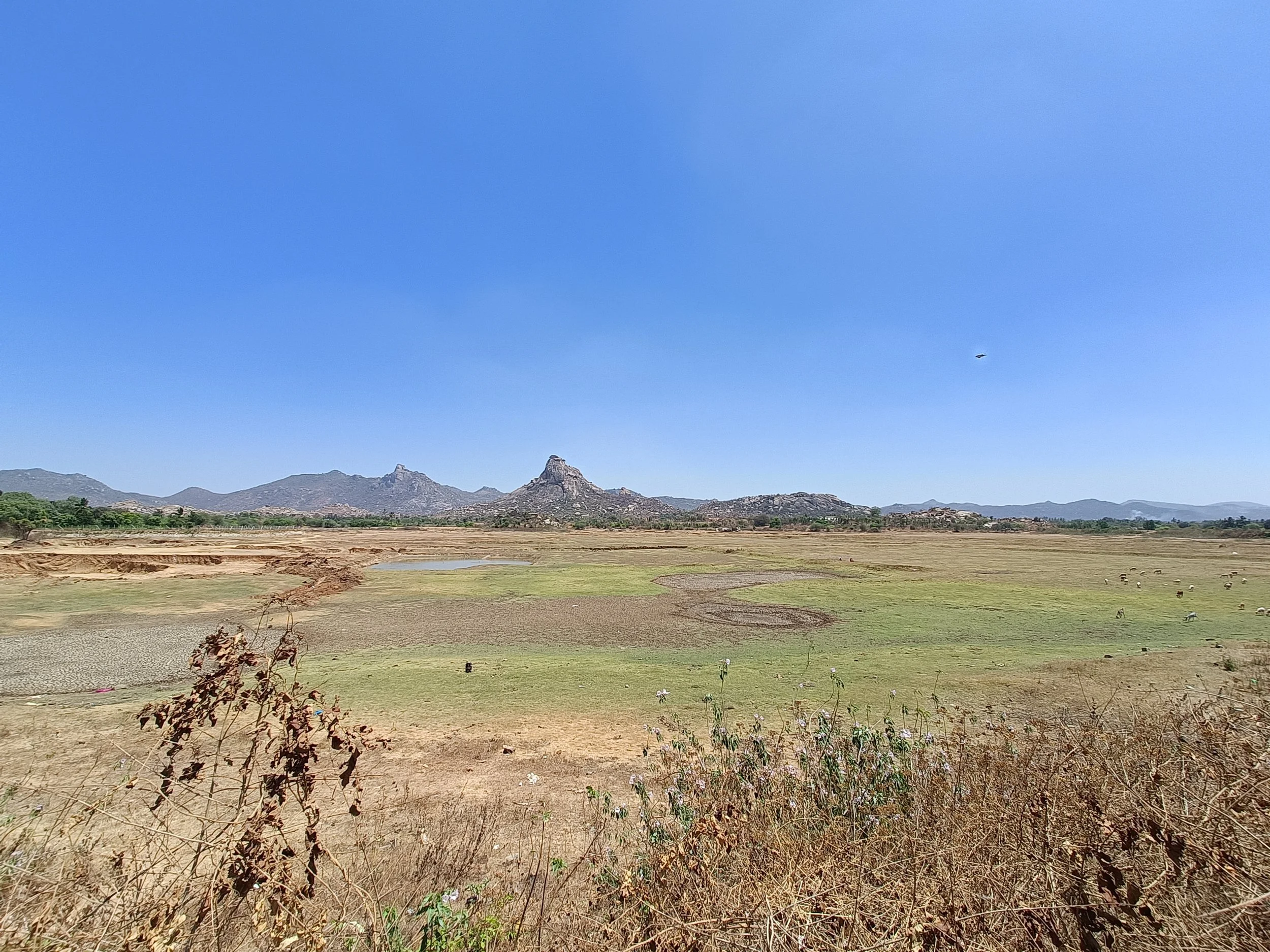
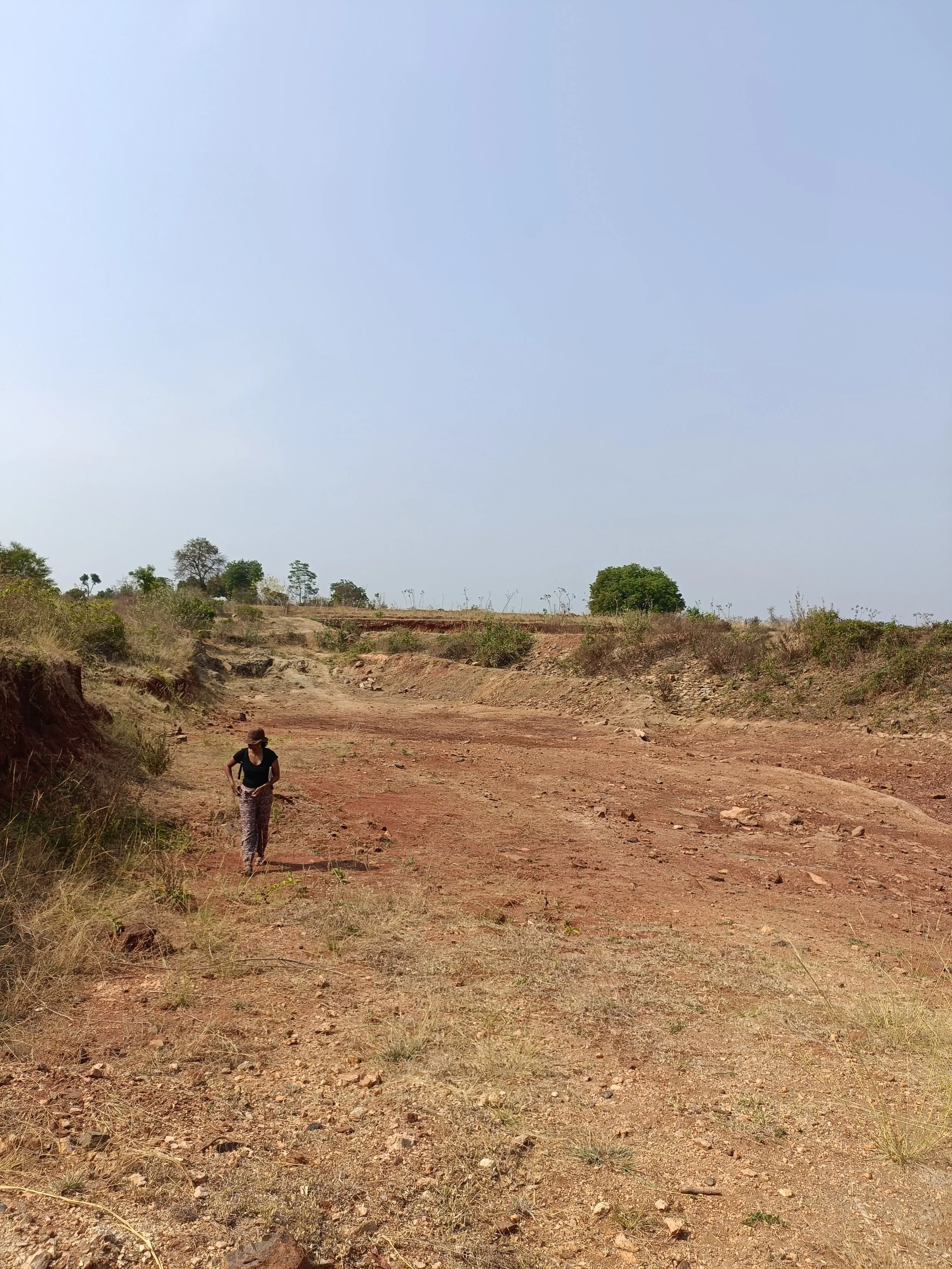
At the same time, there is an illusion of abundance. The lines between showers and monsoons blur into unpredictable storm events, bringing torrential rain and floods. Land reluctantly turns into reservoir, forcing distinct water-forms into homogeneity. We do this too, by building dams and submerging vast expanses of land previously dotted with innumerable smaller ponds, pools, streams and springs. This is not unlike the disappearance of species.
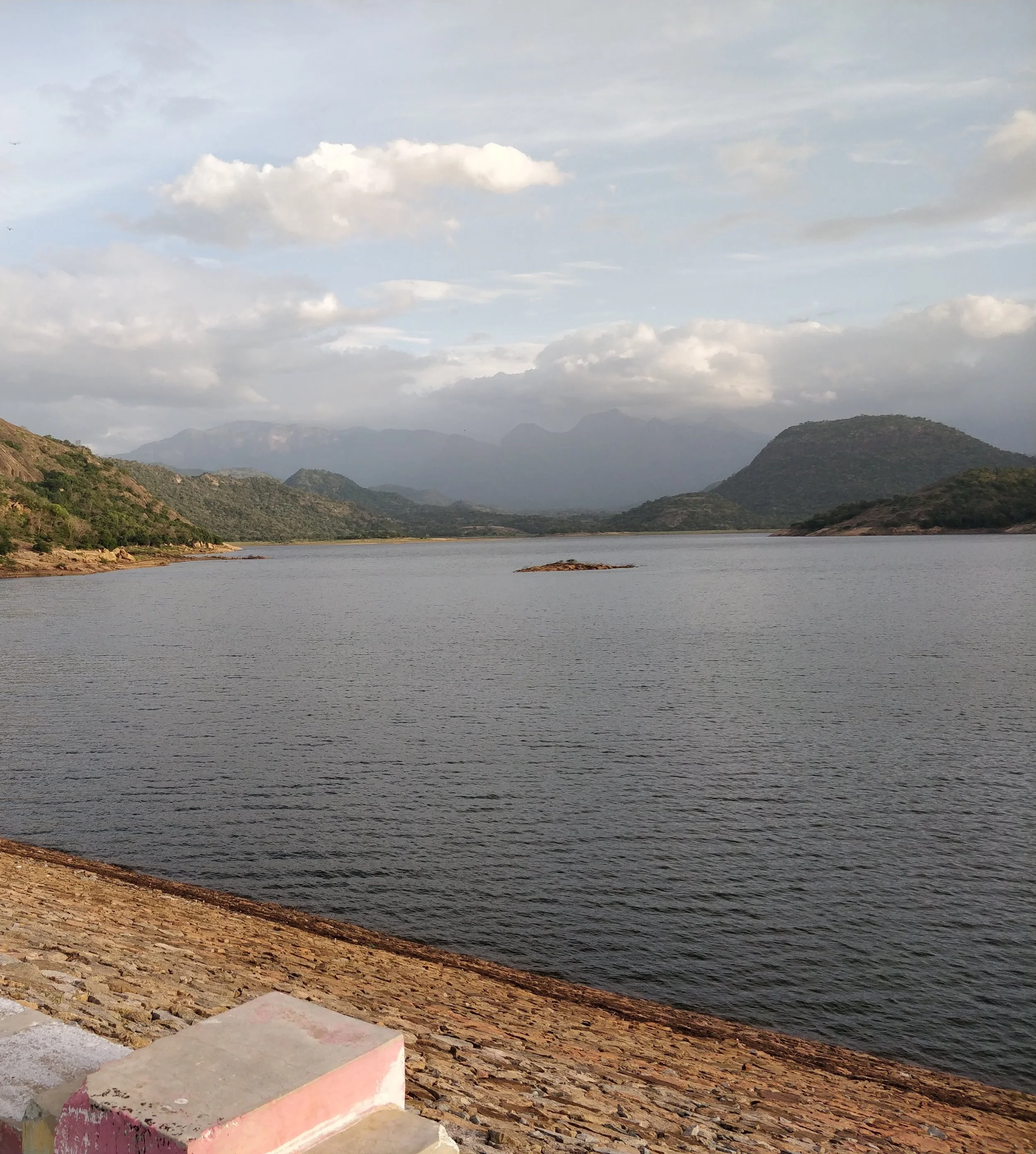
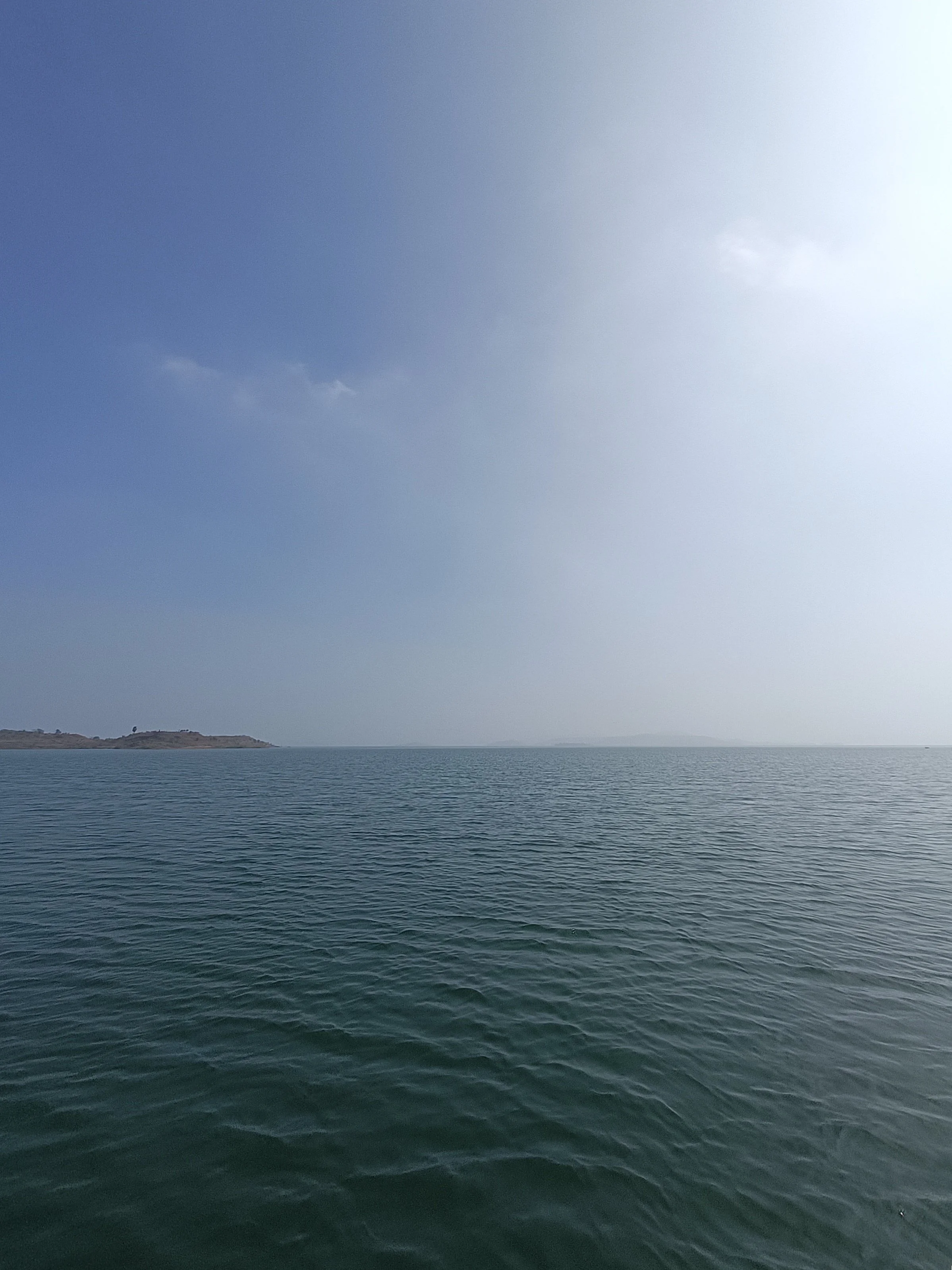
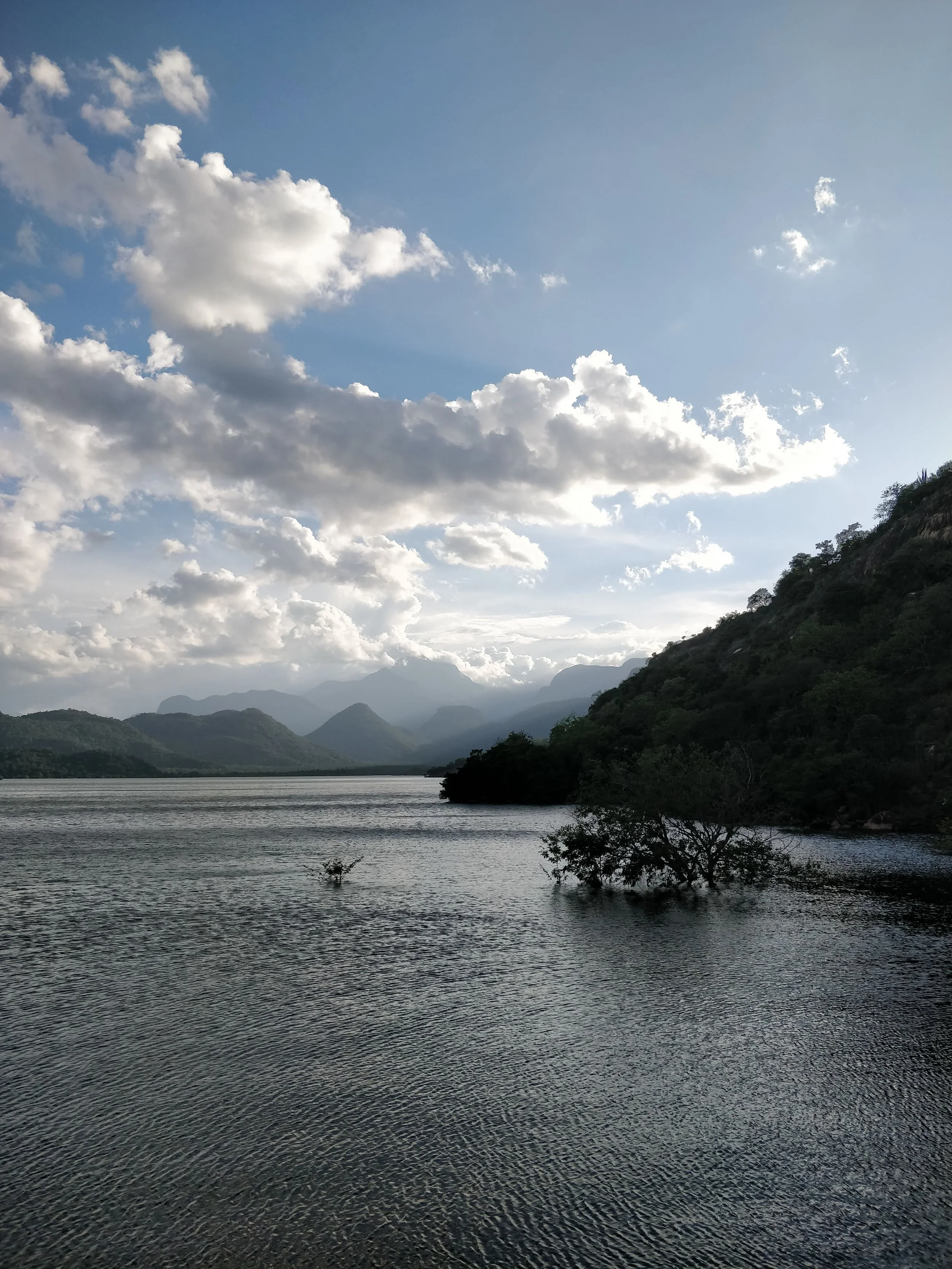
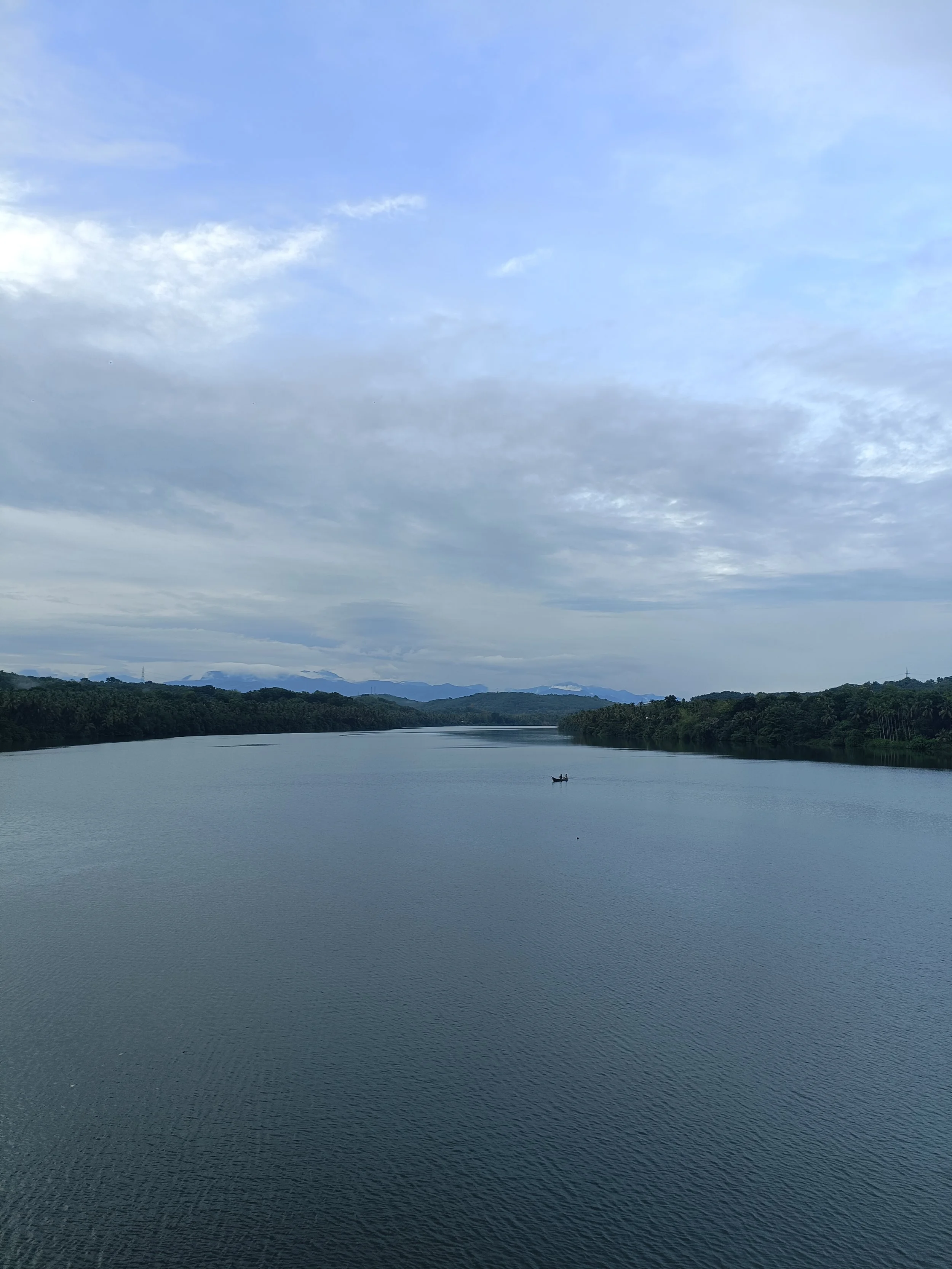
Conservation often considers species diversity in flora and fauna, while water may be viewed as a single uniform entity--blue on a map, millimetres in a rain gauge, the depth of a well, or the runoff in a catchment. But a landscape’s health heavily depends on its many water-forms: how they arrive, occupy space, converse, linger and leave. It depends on the exchange between a spring and the pond that recharges it, the pattern of a wetland advancing and receding, the dew that lingers on cobwebs--the list is endless.
Understanding water as a collection of forms, each playing an ecological role, is a more attentive way to address its disappearing complexity, protecting it as a vulnerable, dynamic component of landscapes, and designing diverse, resilient land-based systems.