

Begihalli Homestead
Project size: 0.4 acres
Bannerghatta, Karnataka
January 2021 to February 2023
Key design features: Living fence, boundary trench, rainwater management, multi-layer food forest
Project team: Sanjana Radhakrishnan (lead); Nikhil Rodrigues, Jananee Mohan
+ Himanshu Arteev (survey team), Nikita Harikishan (assisted with survey)
Elevation: 910 metres above sea level
Annual rainfall: 960 mm / 37.7 inches
Climate: Tropical wet and dry climate
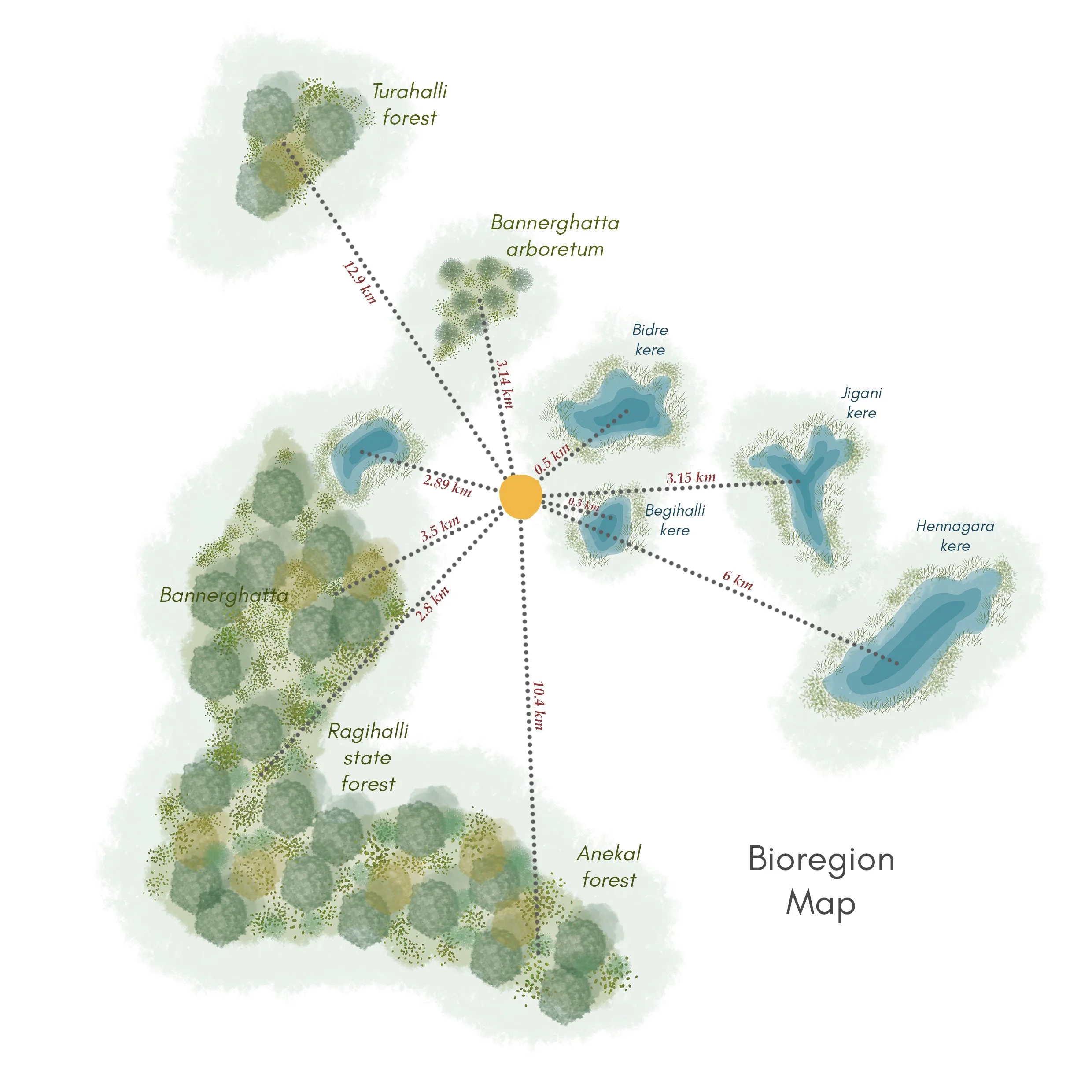
Bioregion: Residential-industrial area, within dry deciduous and thorny scrub forest
Soil type: Clayey
Masterplan
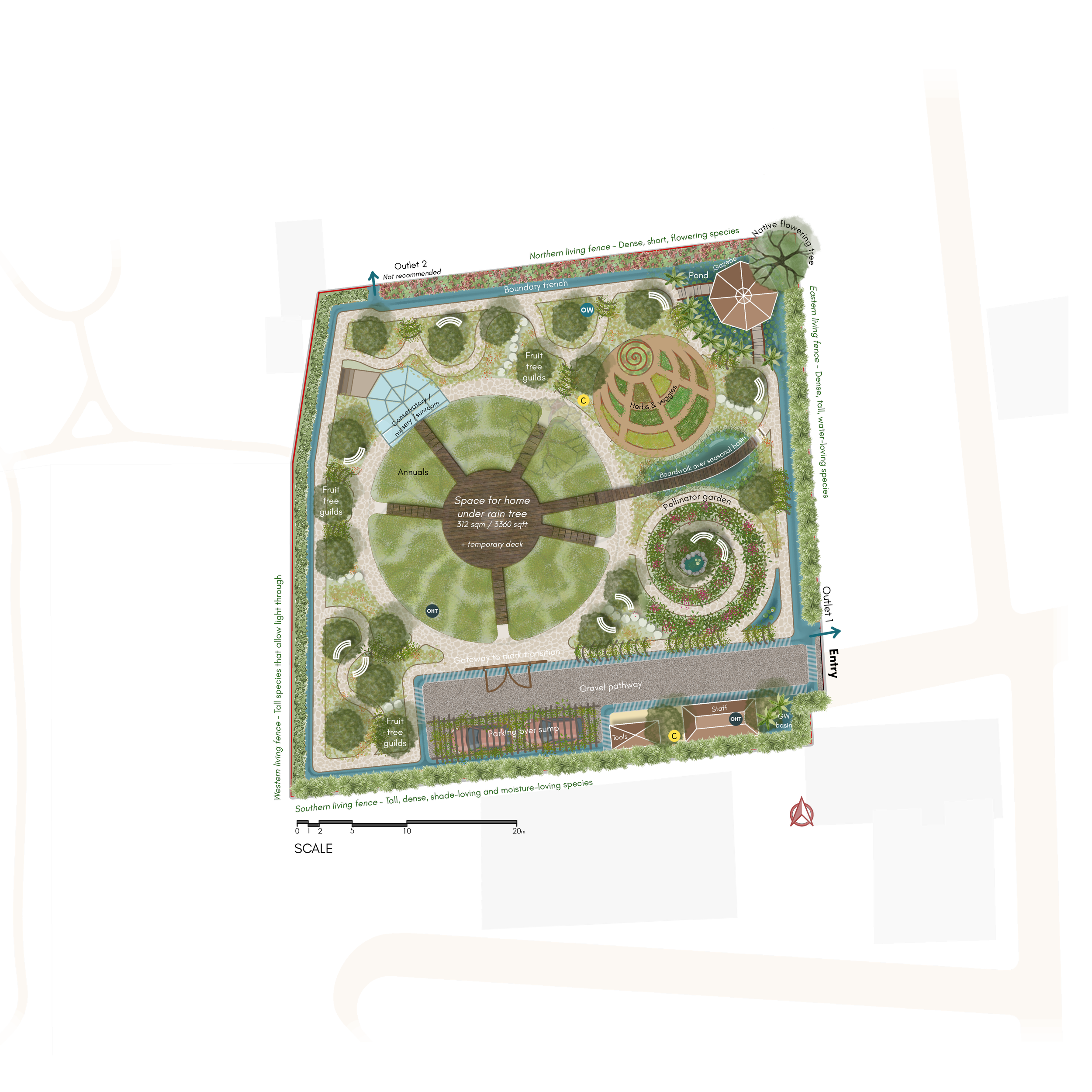
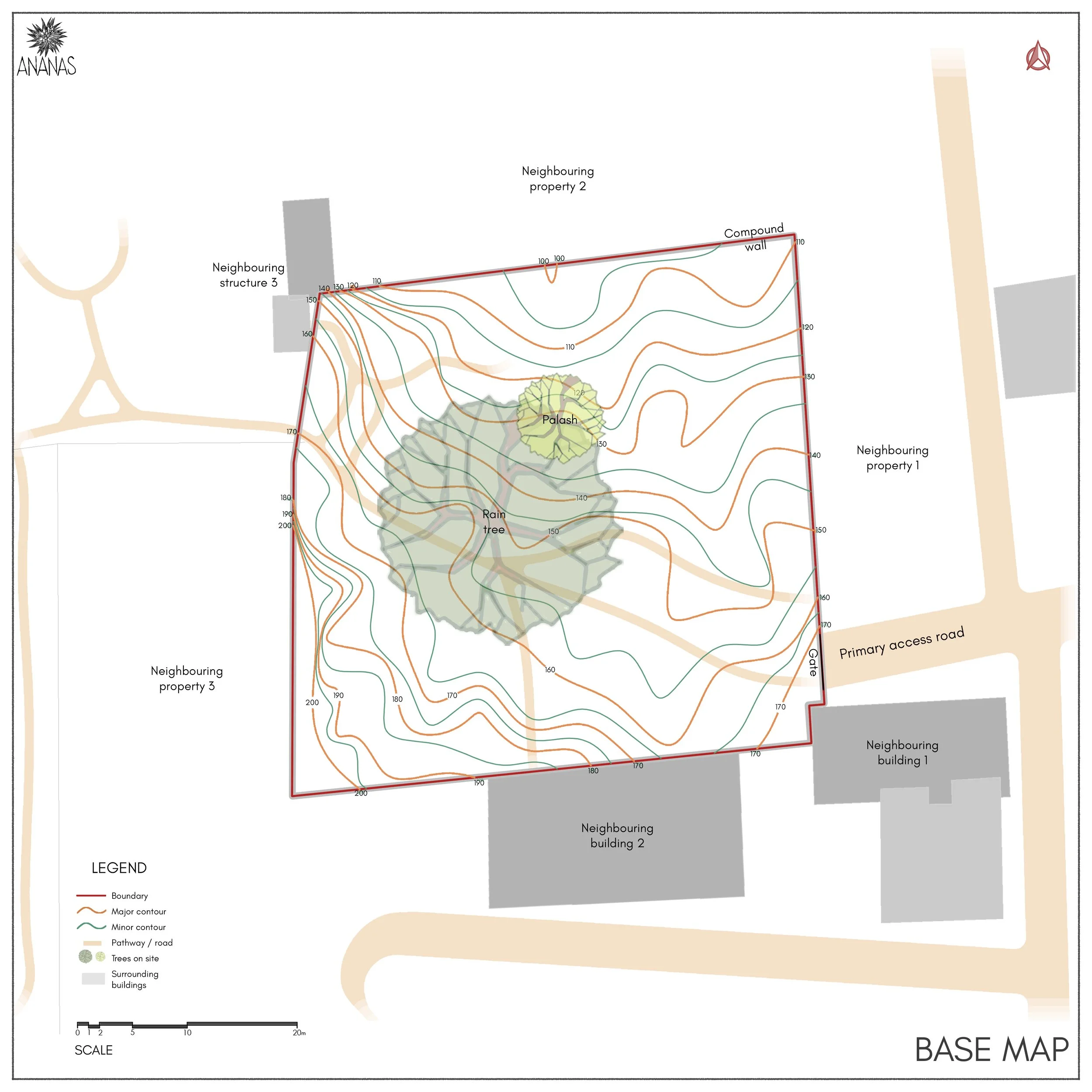
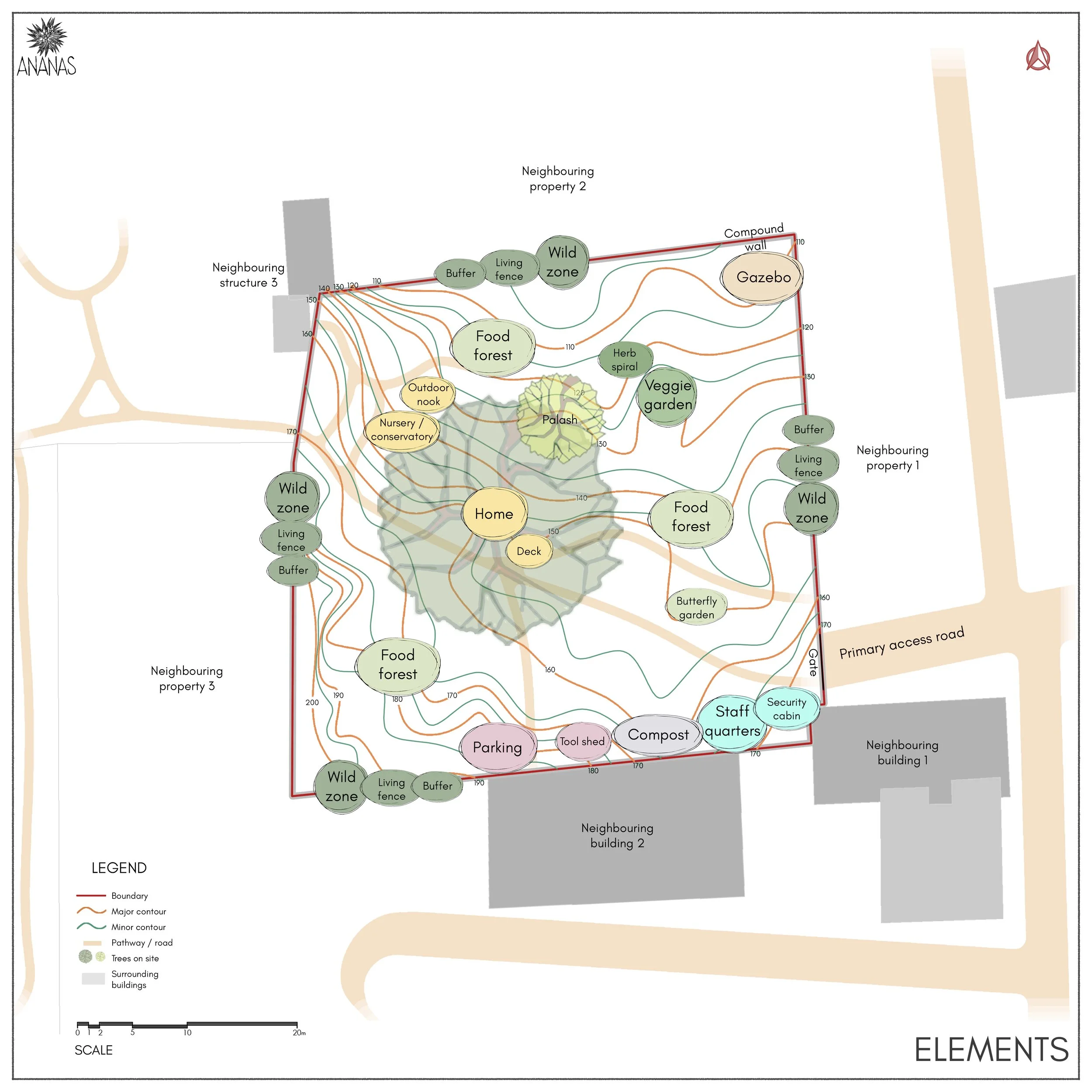
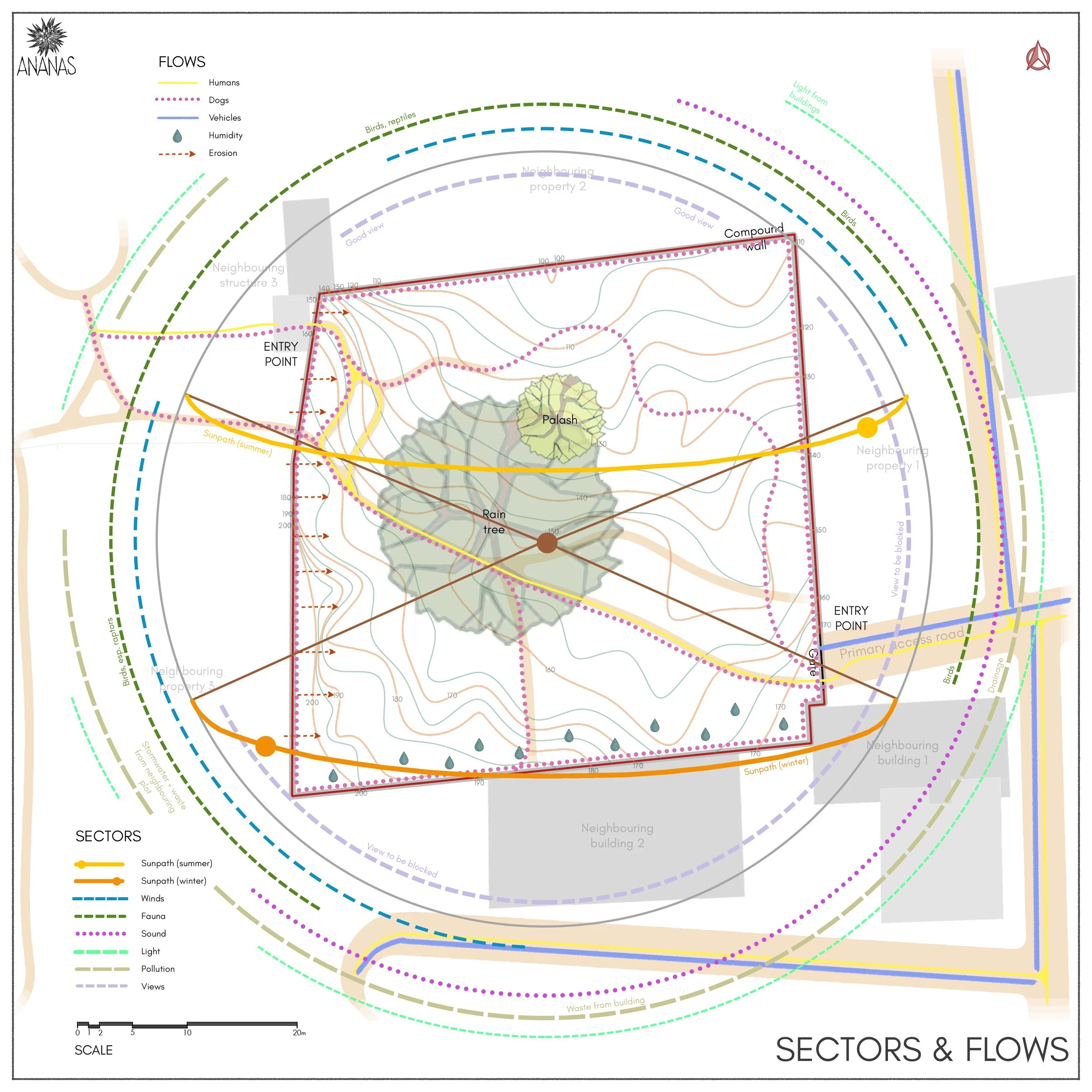
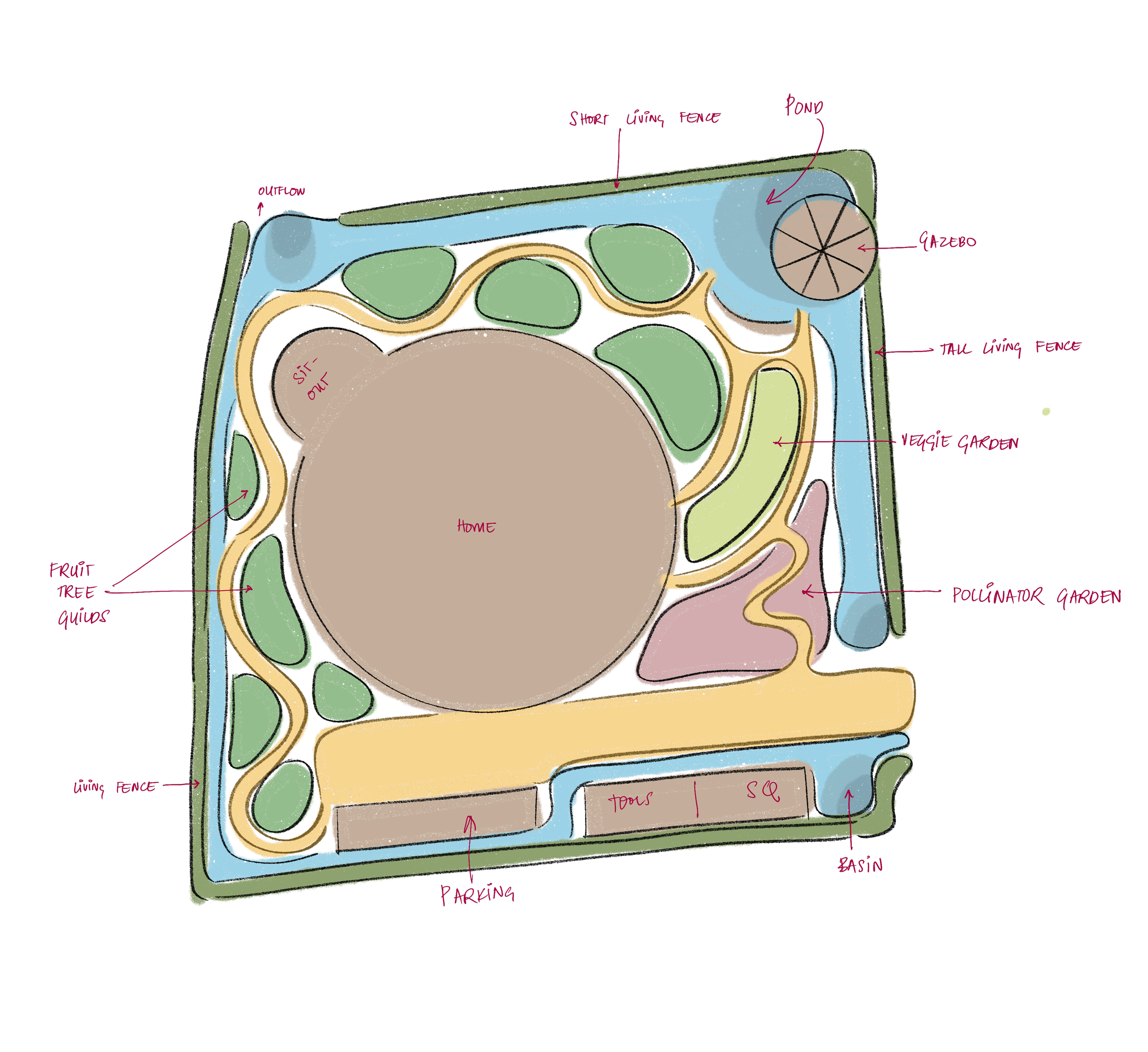
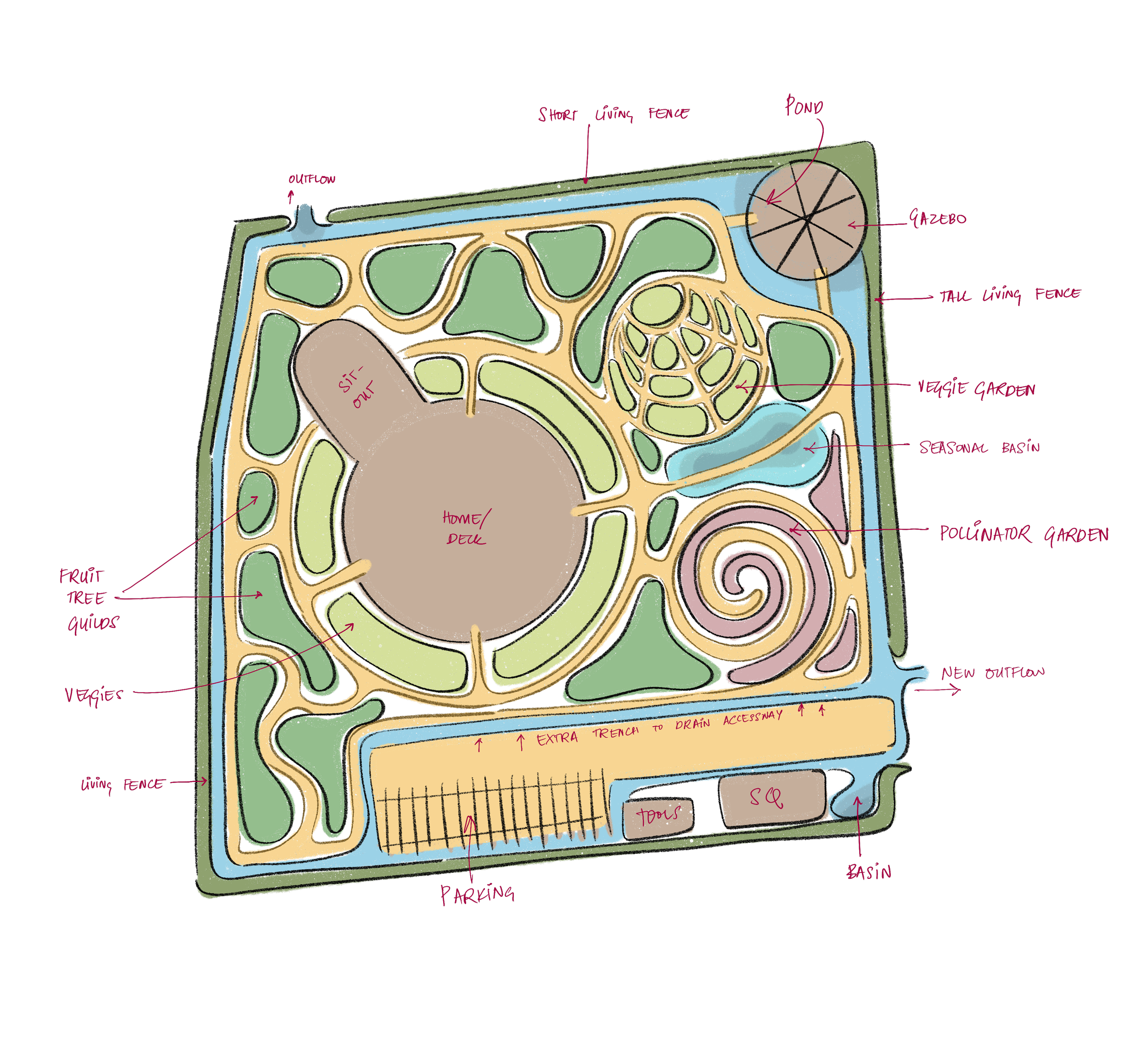
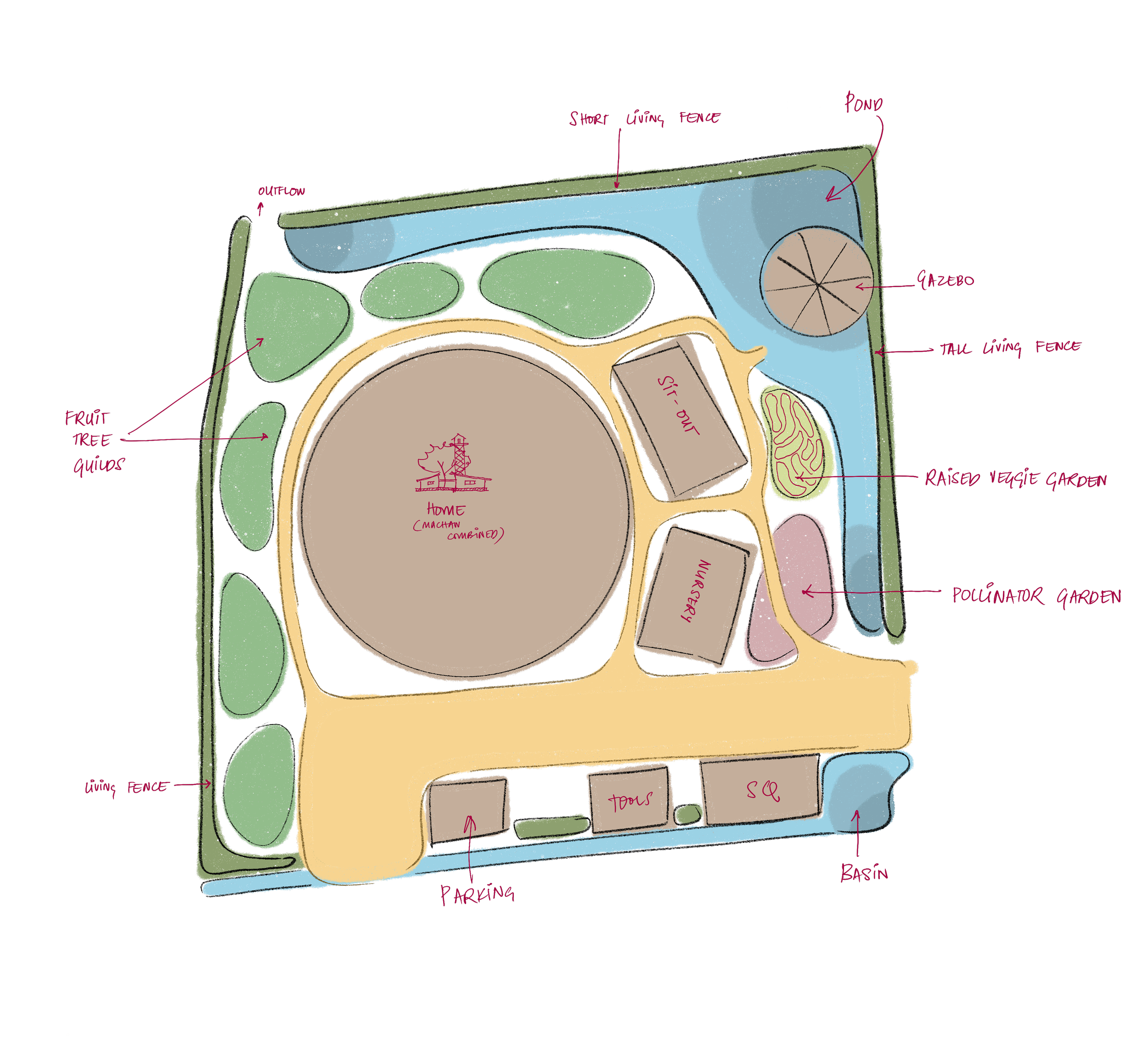
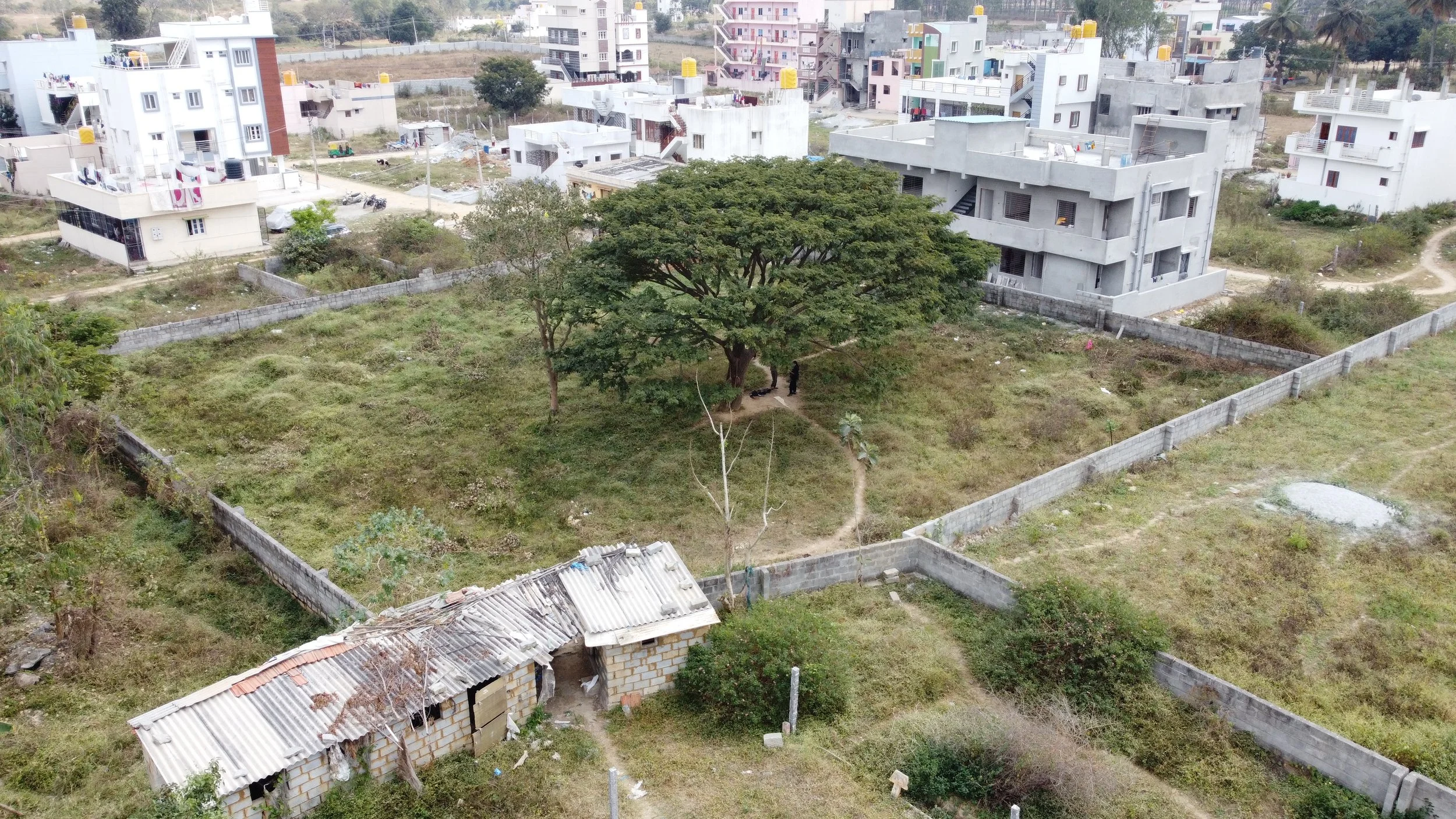
The design for this project aimed to convert a compact urban site into a dense, regenerative food forest and create a landscape that supports its own food, water, and energy needs. The design team carried out a detailed contour mapping exercise as professional surveyors’ maps did not provide detailed topographical information at the sites’ scale. The neighboring plots were at a higher elevation than the client’s site, thus an accurate understanding of the sites’ topography was crucial to properly manage stormwater runoff during the peak of monsoon season. Since the site also had high groundwater levels, the management of the abundance of water formed the backbone of the design. Site analysis covering drainage patterns and slope conditions allowed for the design of earthworks that could help divert, infiltrate and store excess rainwater when needed.
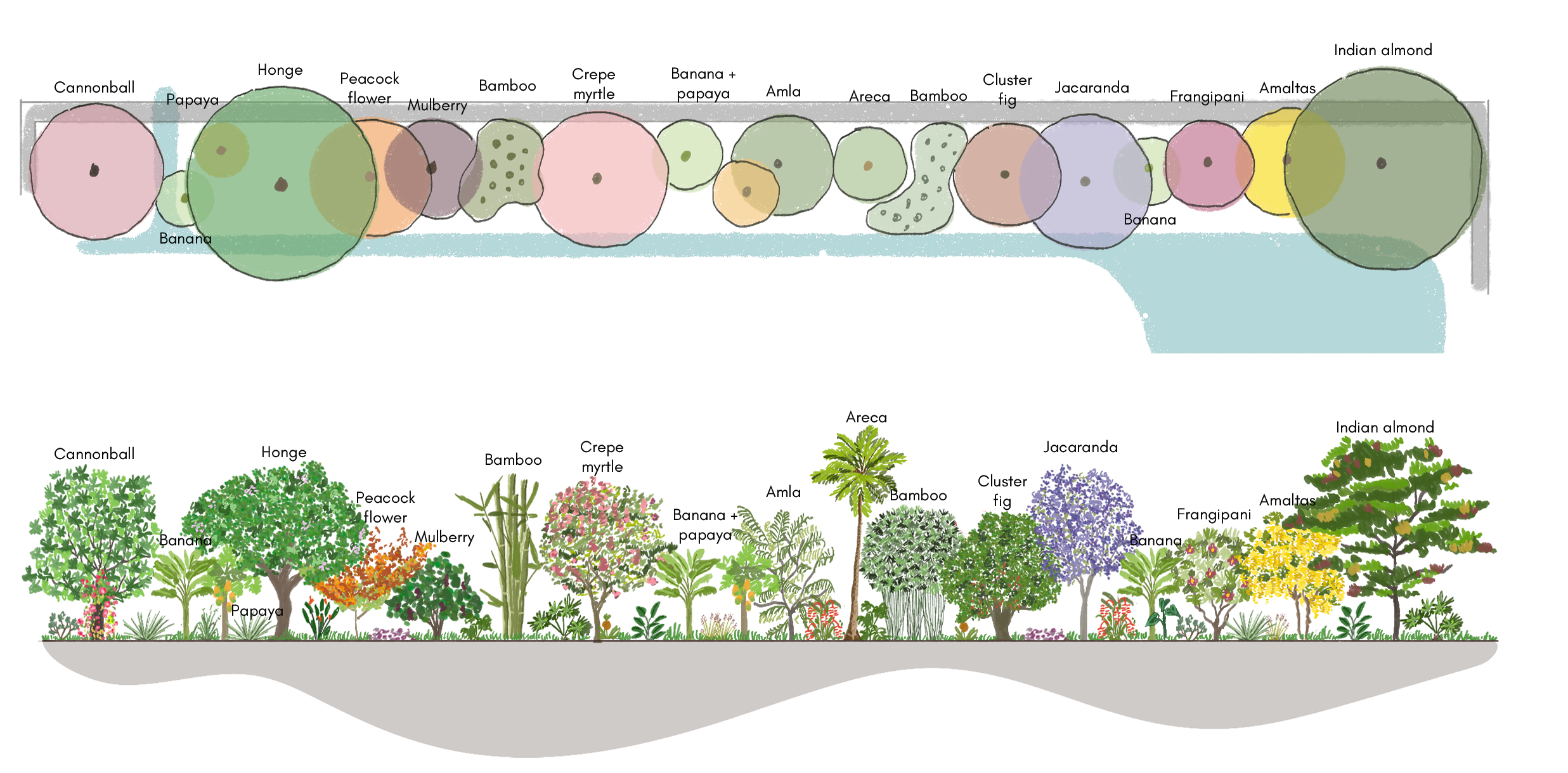
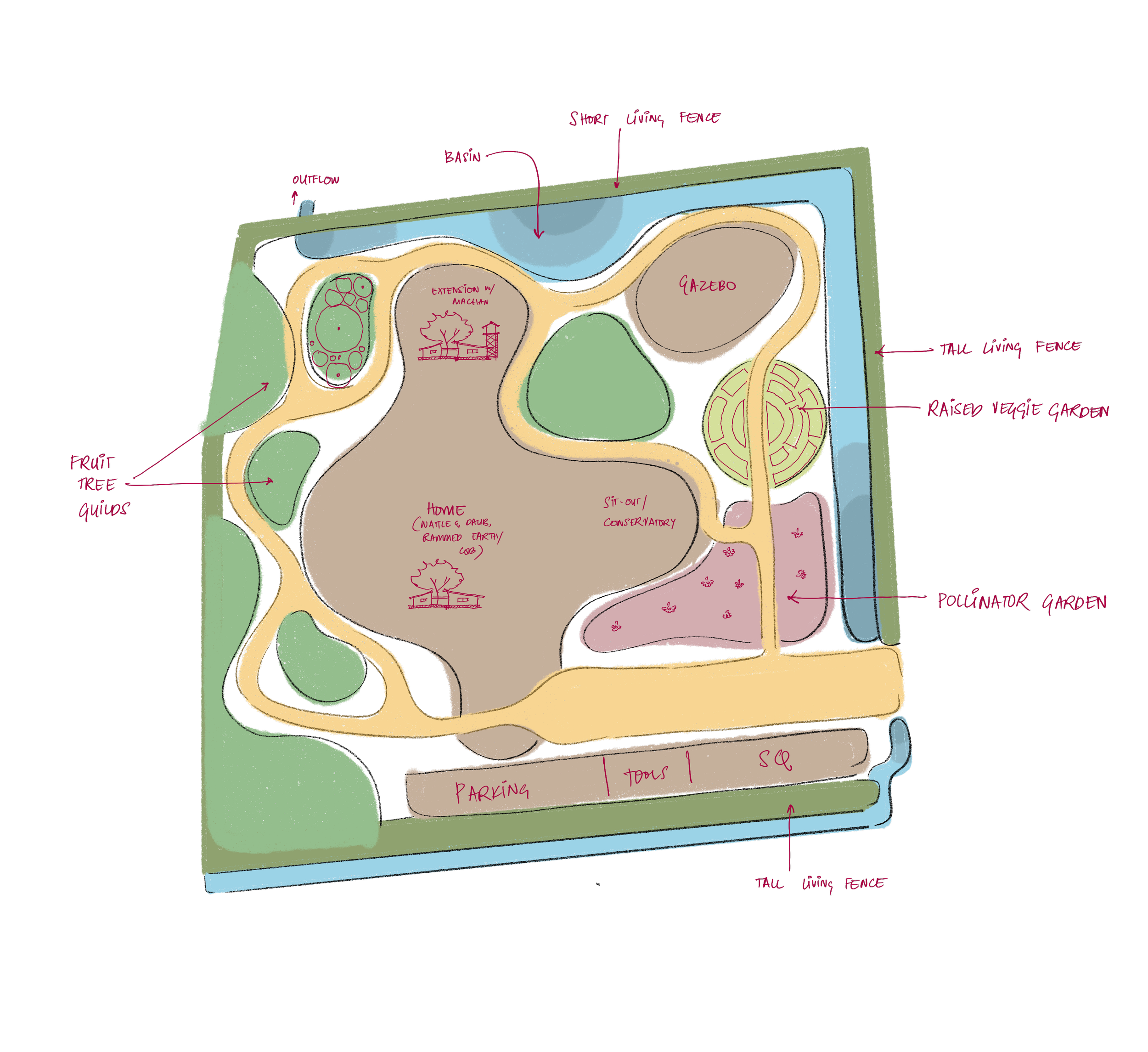
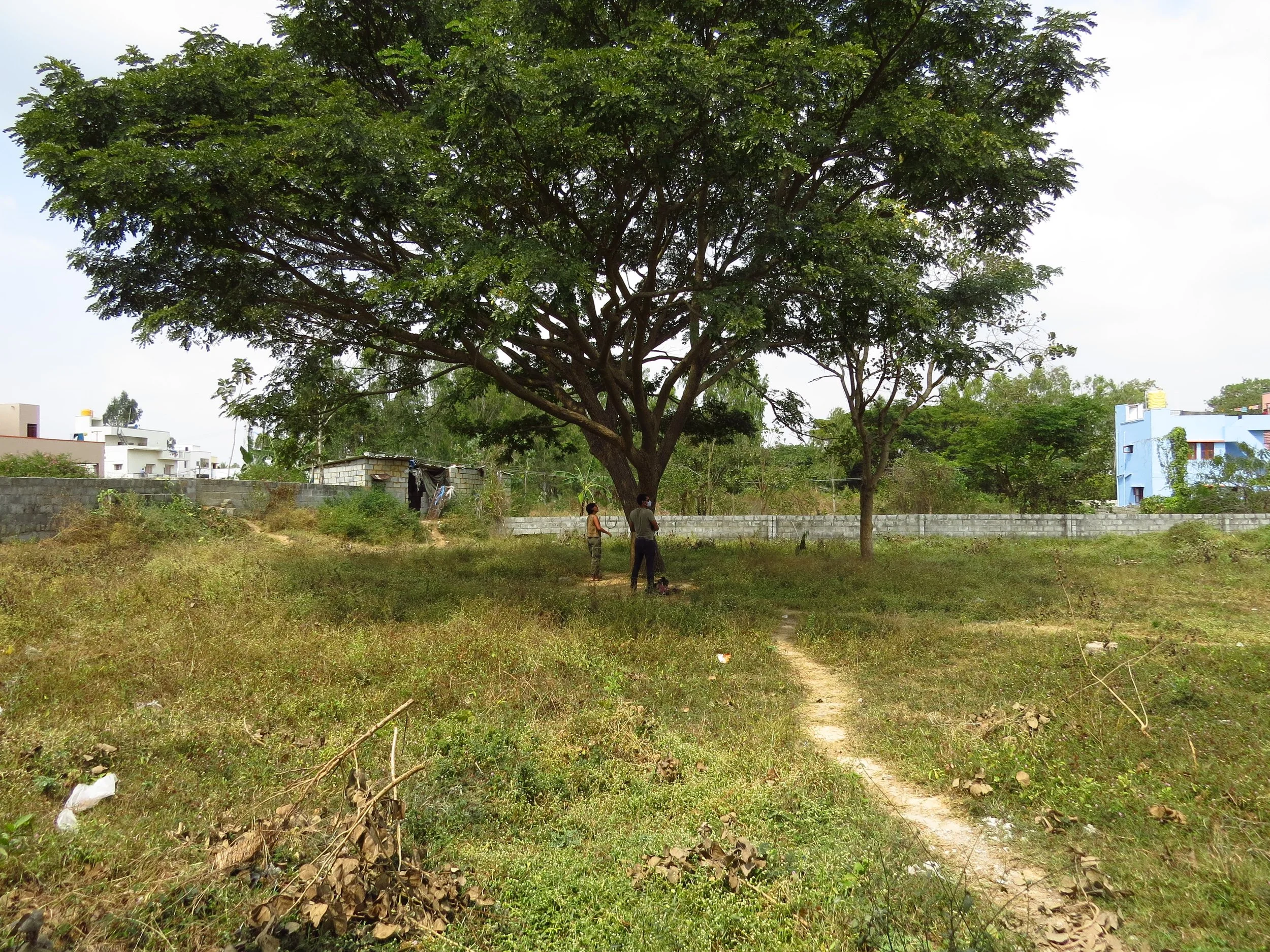
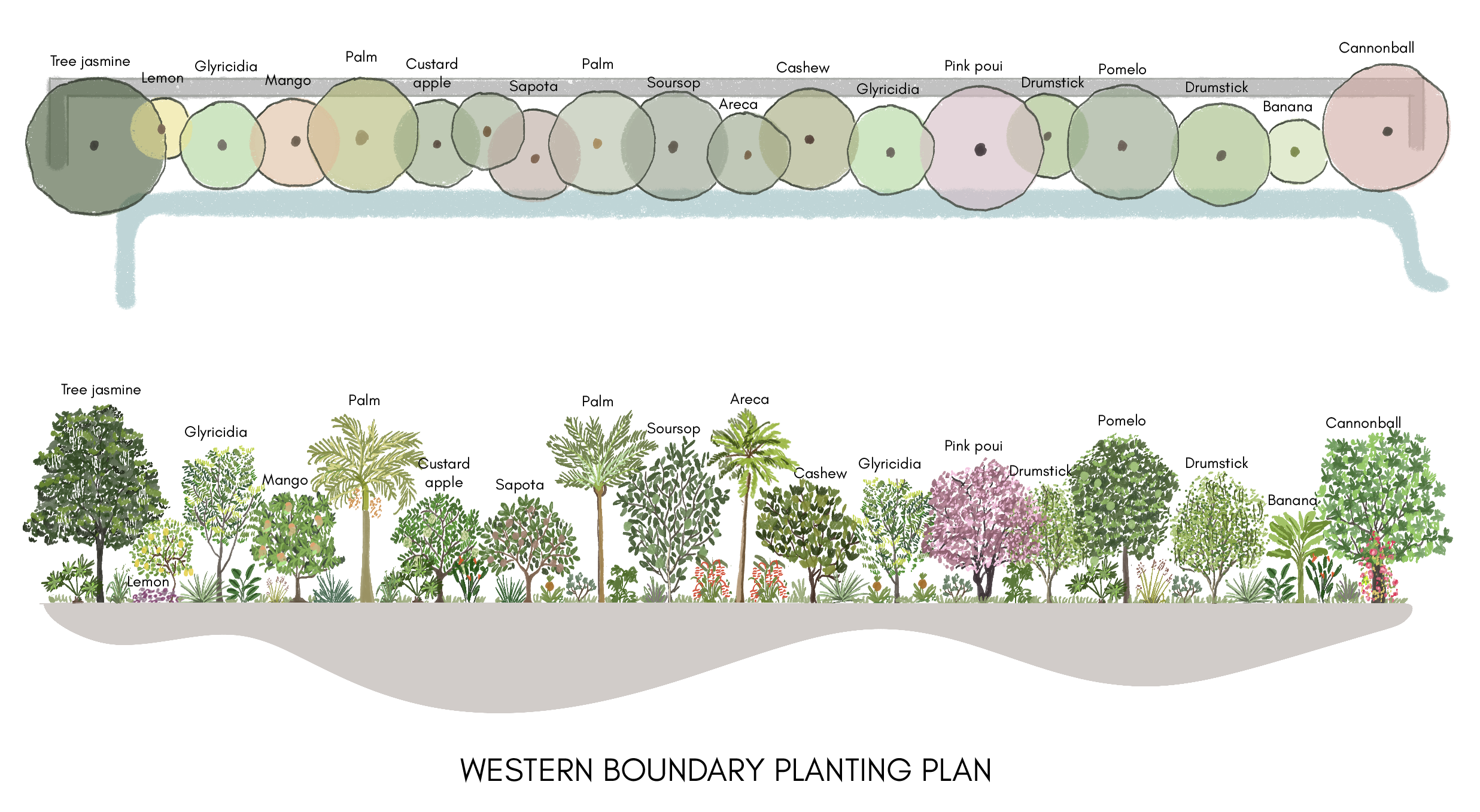
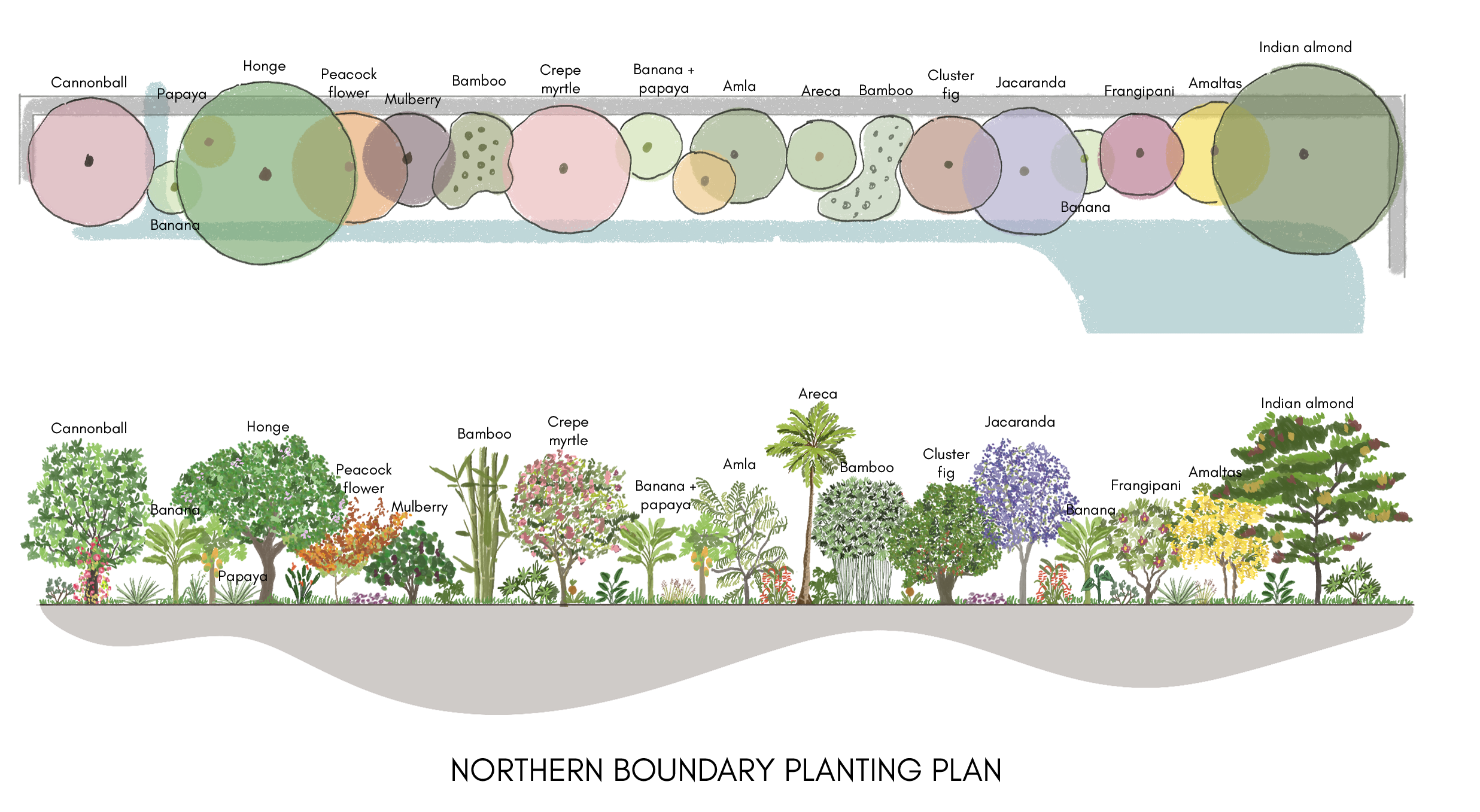
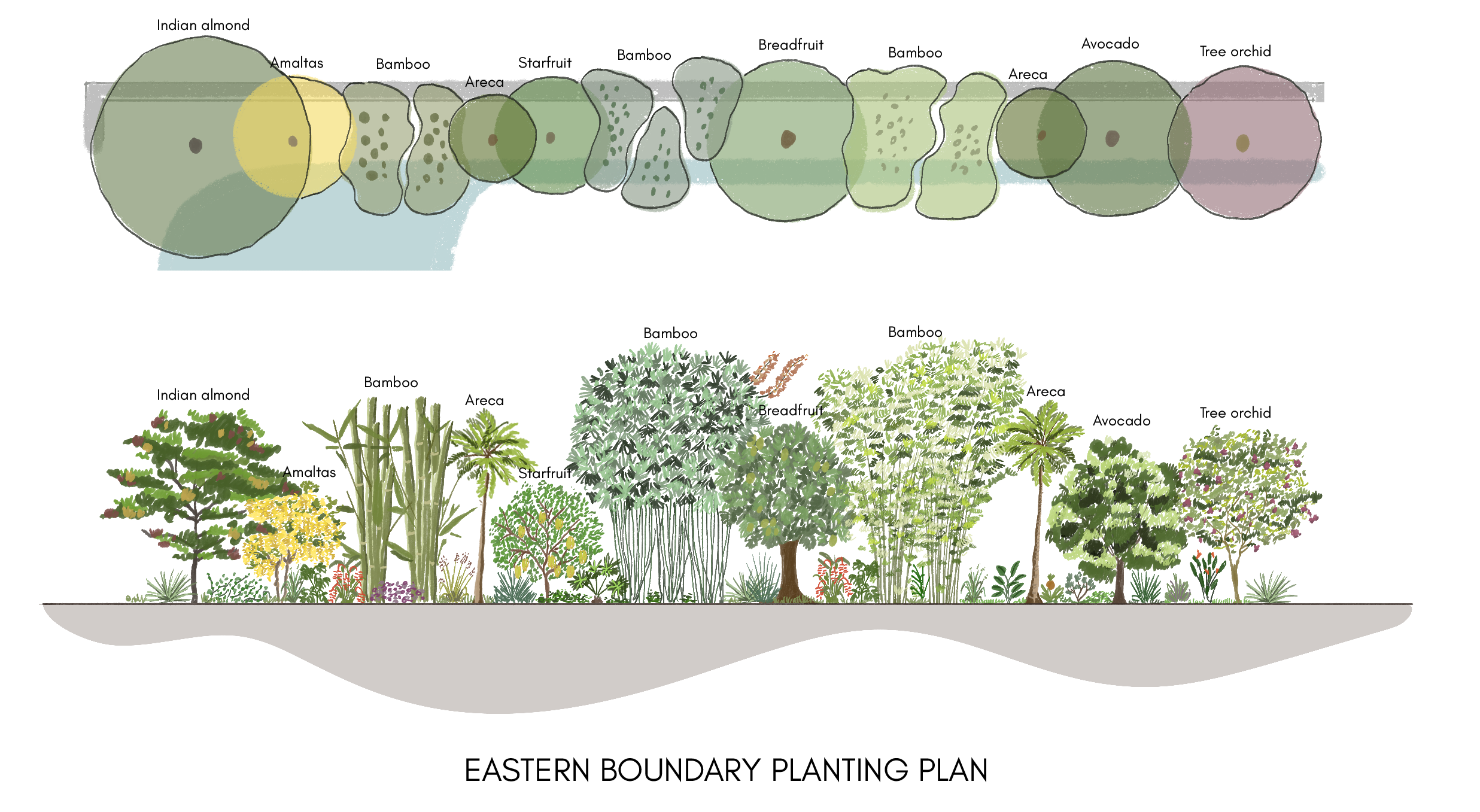
While the mature raintree was preserved as an ecological focal point, the design included multi layer food forests planted with native fruiting and flowering species. In order to create a buffer around the site and increase biodiversity through habitat creation, a thick living fence was planted to support local ecological networks.
Built interventions, like the temporary deck under the canopy of the raintree, were kept minimal. The site was contaminated from past construction activity, hence interventions on the land had to focus on the rebuilding of soil health and fertility. In the future, the client plans to have a small home built with natural materials after the trees mature.
Environmental Study and Zoning
Implementation guidance
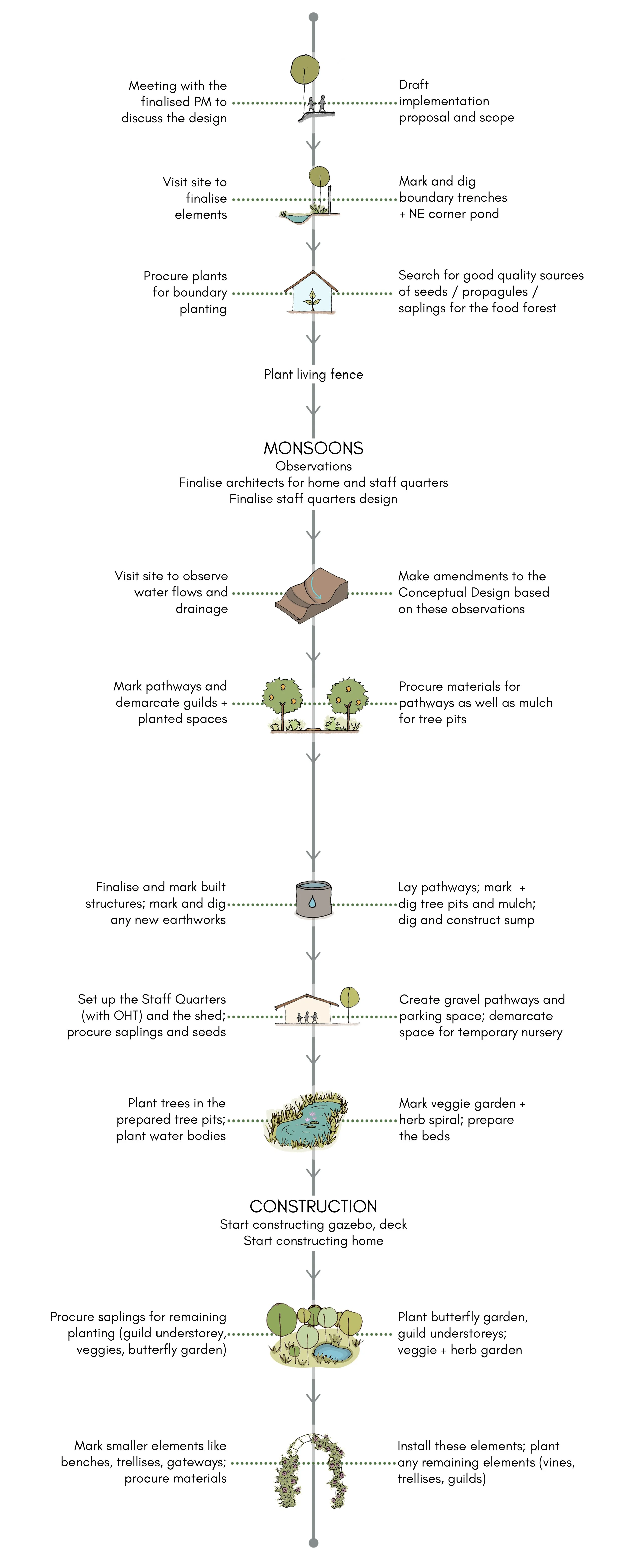
The design team was present on site at the start of implementation in May, 2022. They guided the project manager in reading the design and implementing it on ground.
The first visit included the removal of invasive species on the land, site marking and excavation. After the soil was excavated, the trenches and the pond were lined with rocks and the living fence was planted along the North, East and West of the site.
Following this phase, execution was continued independently by the client and the project manager.
Work progressed, supported by the drawings, reports, and technical details prepared by the design team. The design team visited two more times to monitor progress and document the transformation of the site.
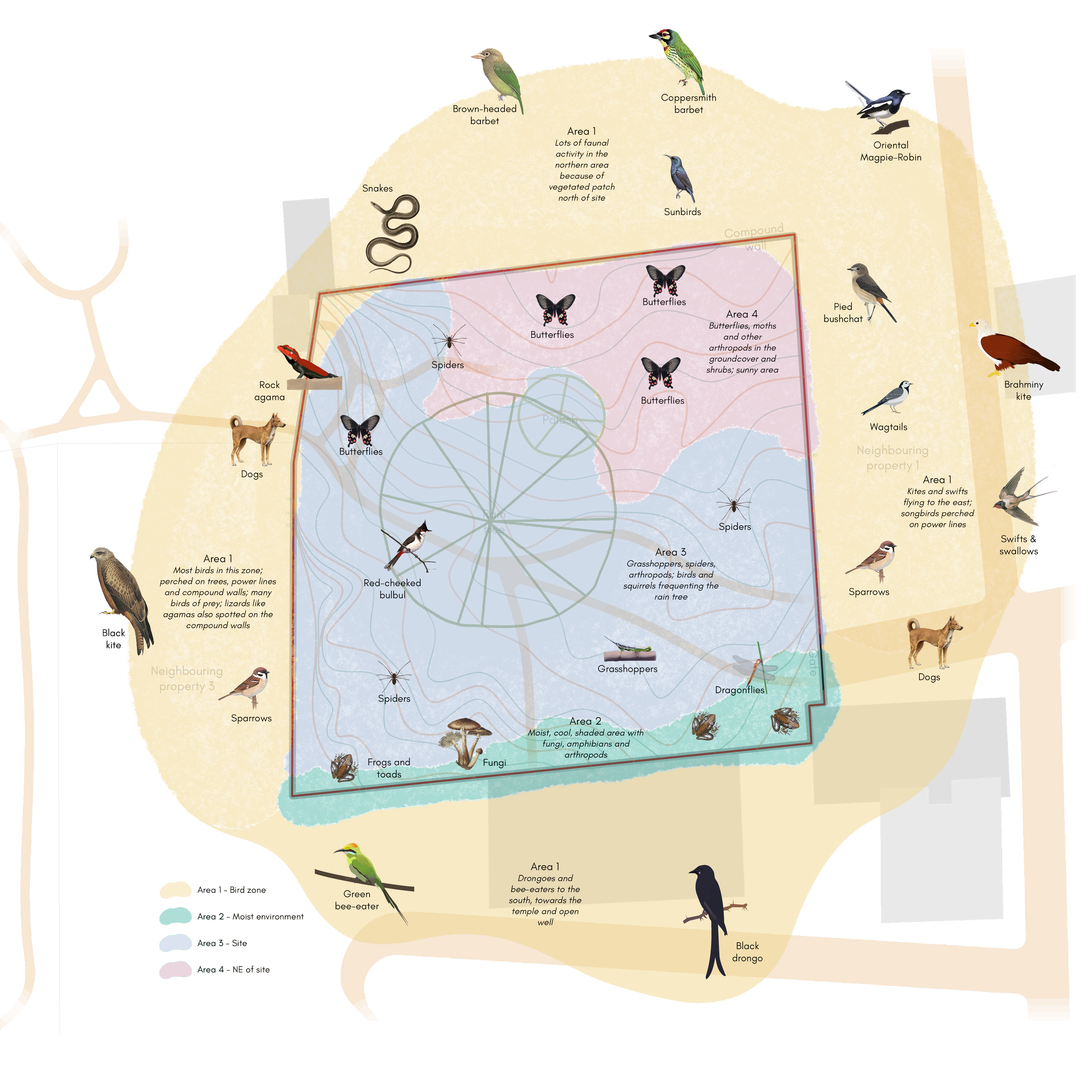
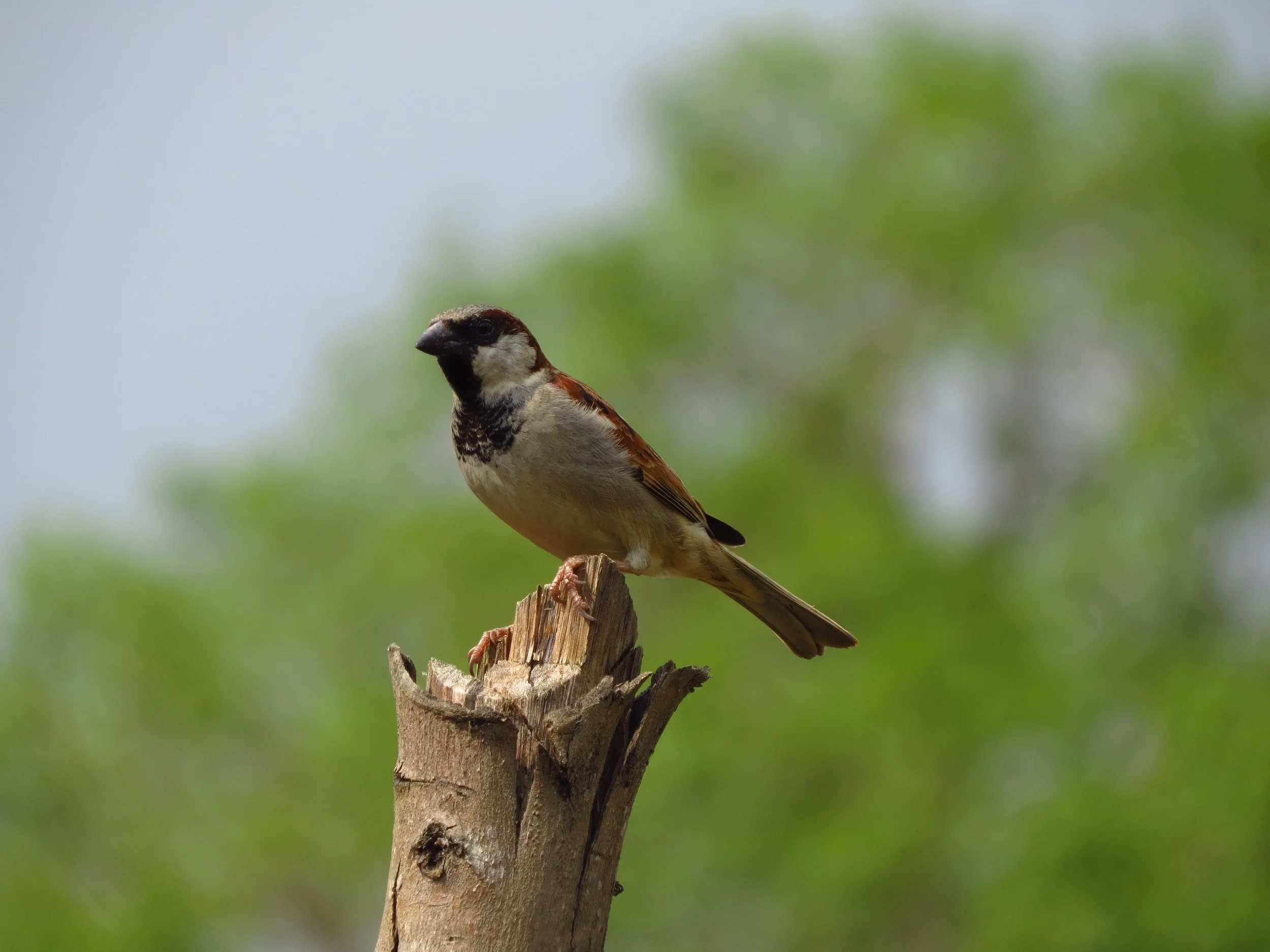
During a visit in November, 2022 there was a perceptible increase in biodiversity as the team observed 9 new species of dragonflies / damselflies, 3 types of frogs and 22 other arthropod species. The pond was full, the trenches were draining the site and the living fence planting was starting to establish. At this point, recommendations were made on how to line and fix the shapes of the trenches.
On the final visit, in February, 2023 the team observed that the trenches were lined and that the pond was drier but still held water despite dry season.
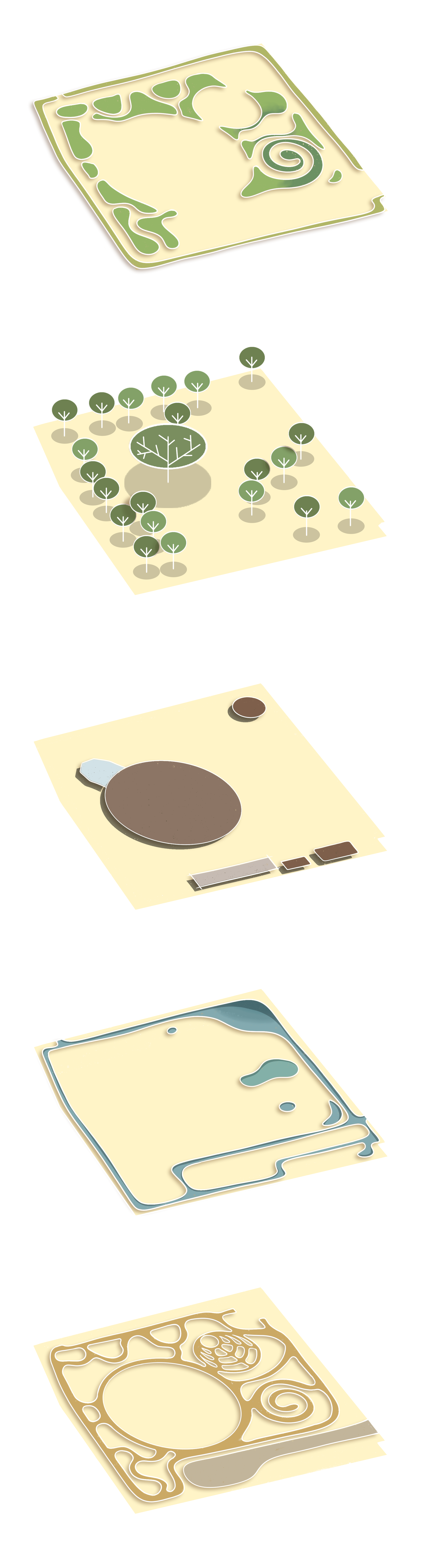
3D Renders


Implementation photos
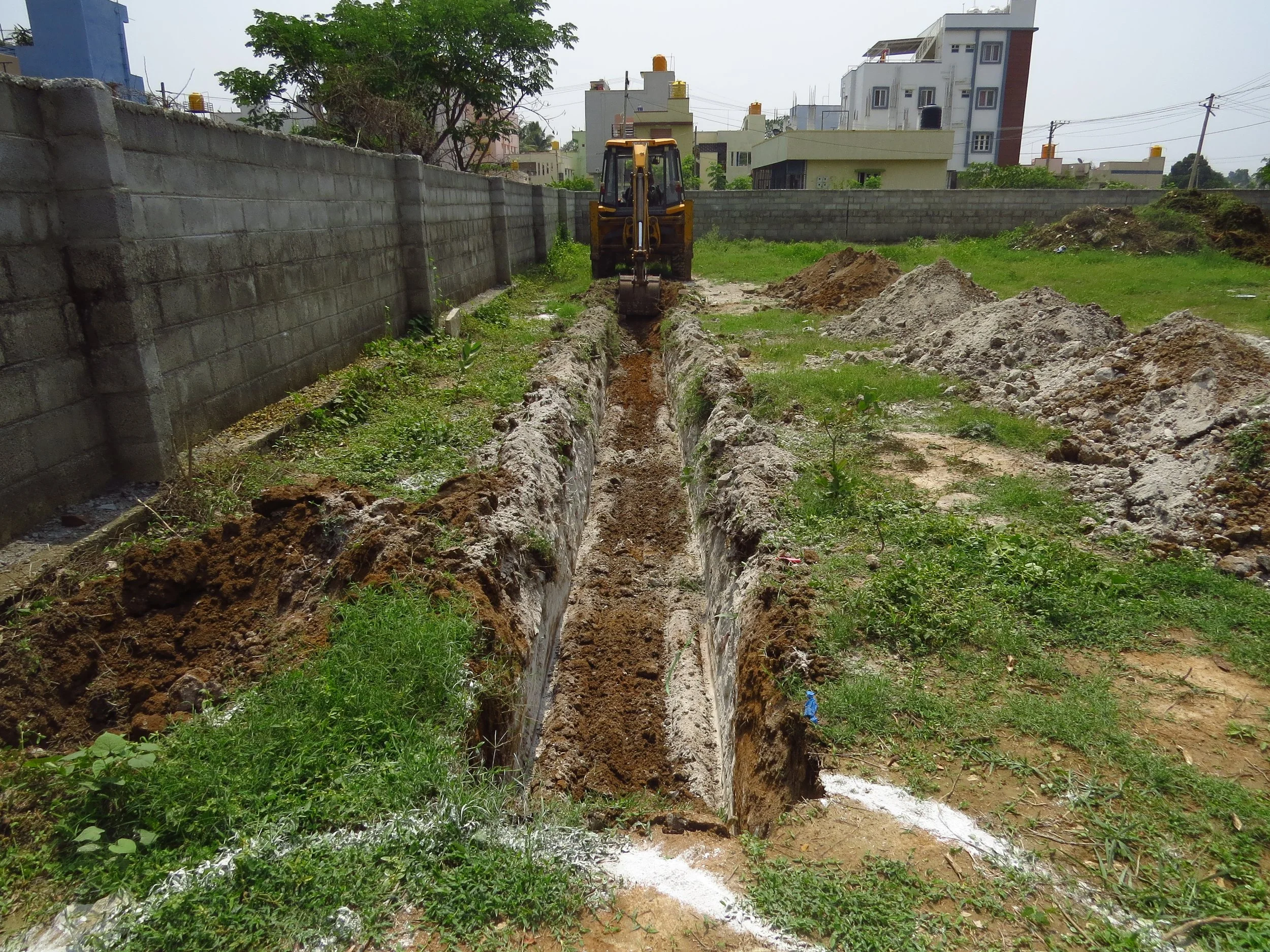
First trench being implemented
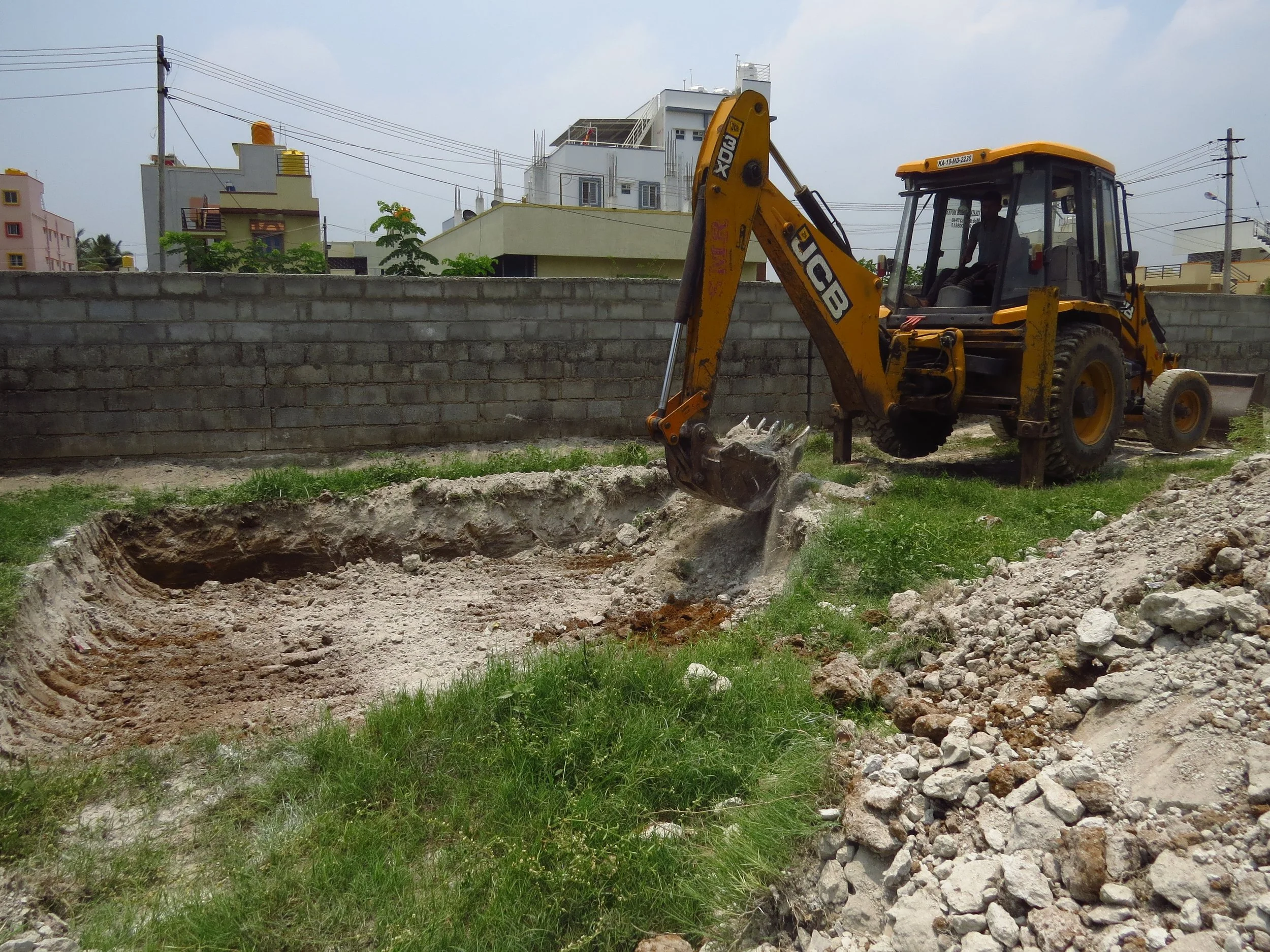
Pond digging
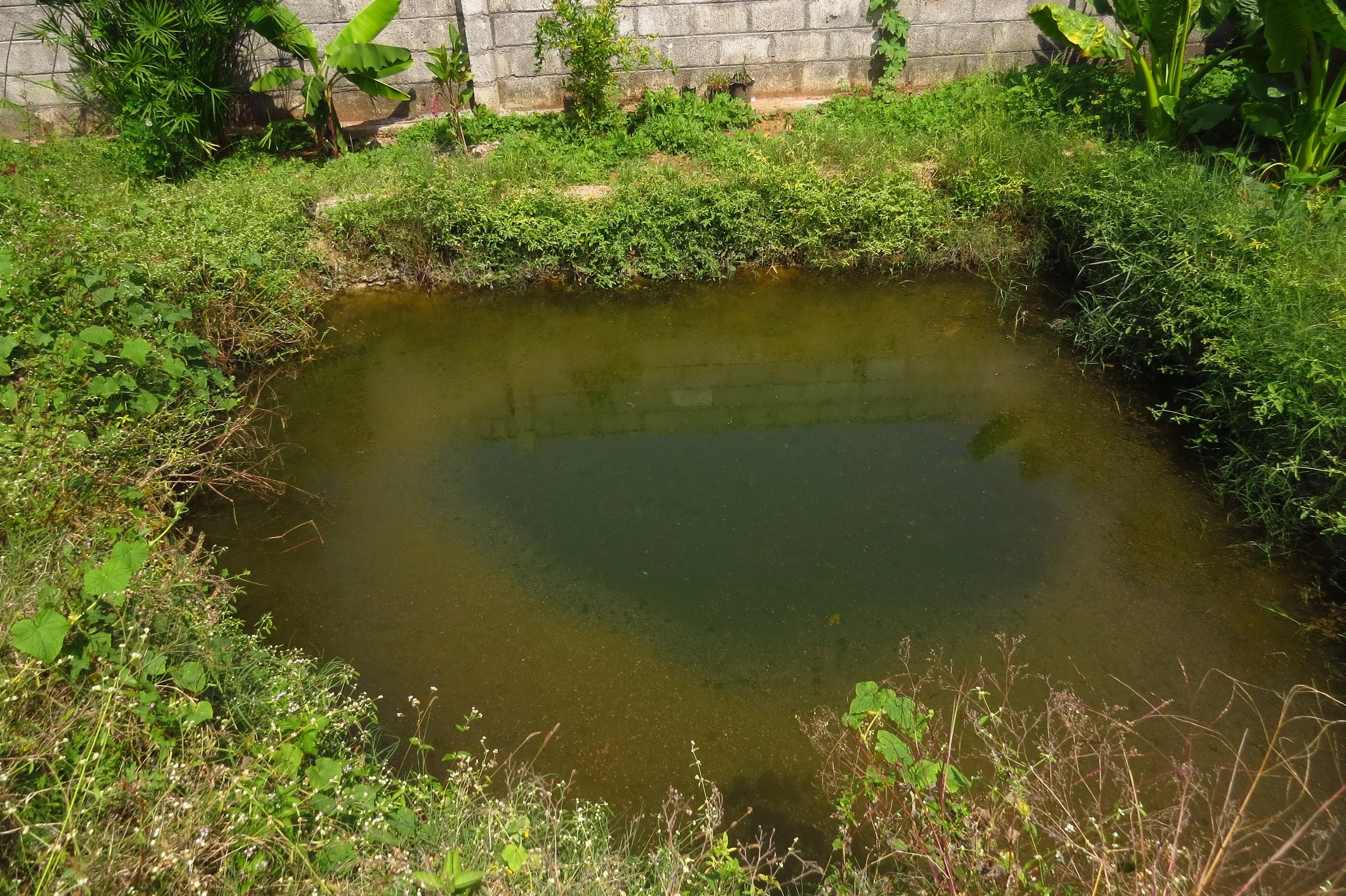
Pond after one rain
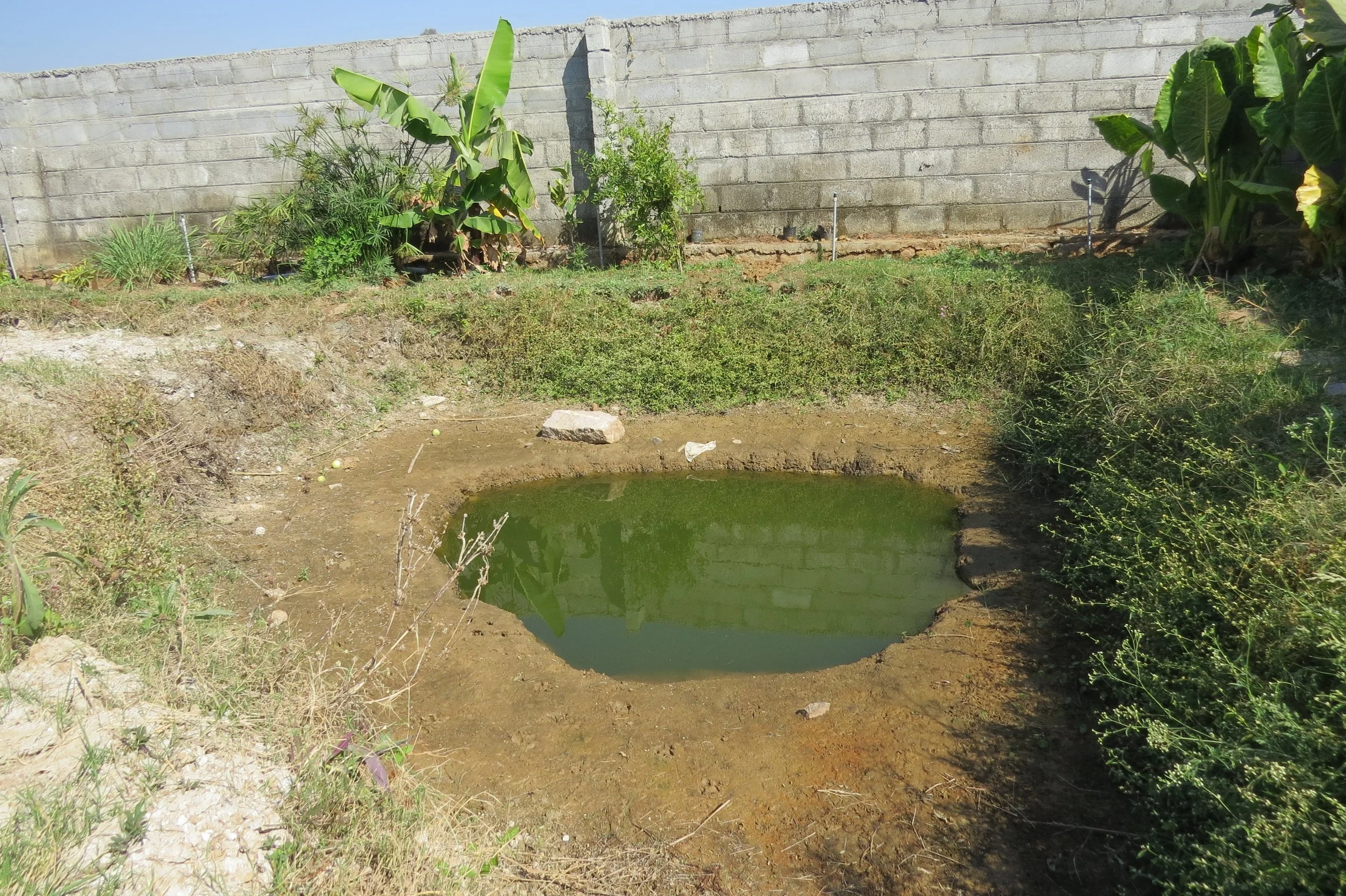
Pond in dry season
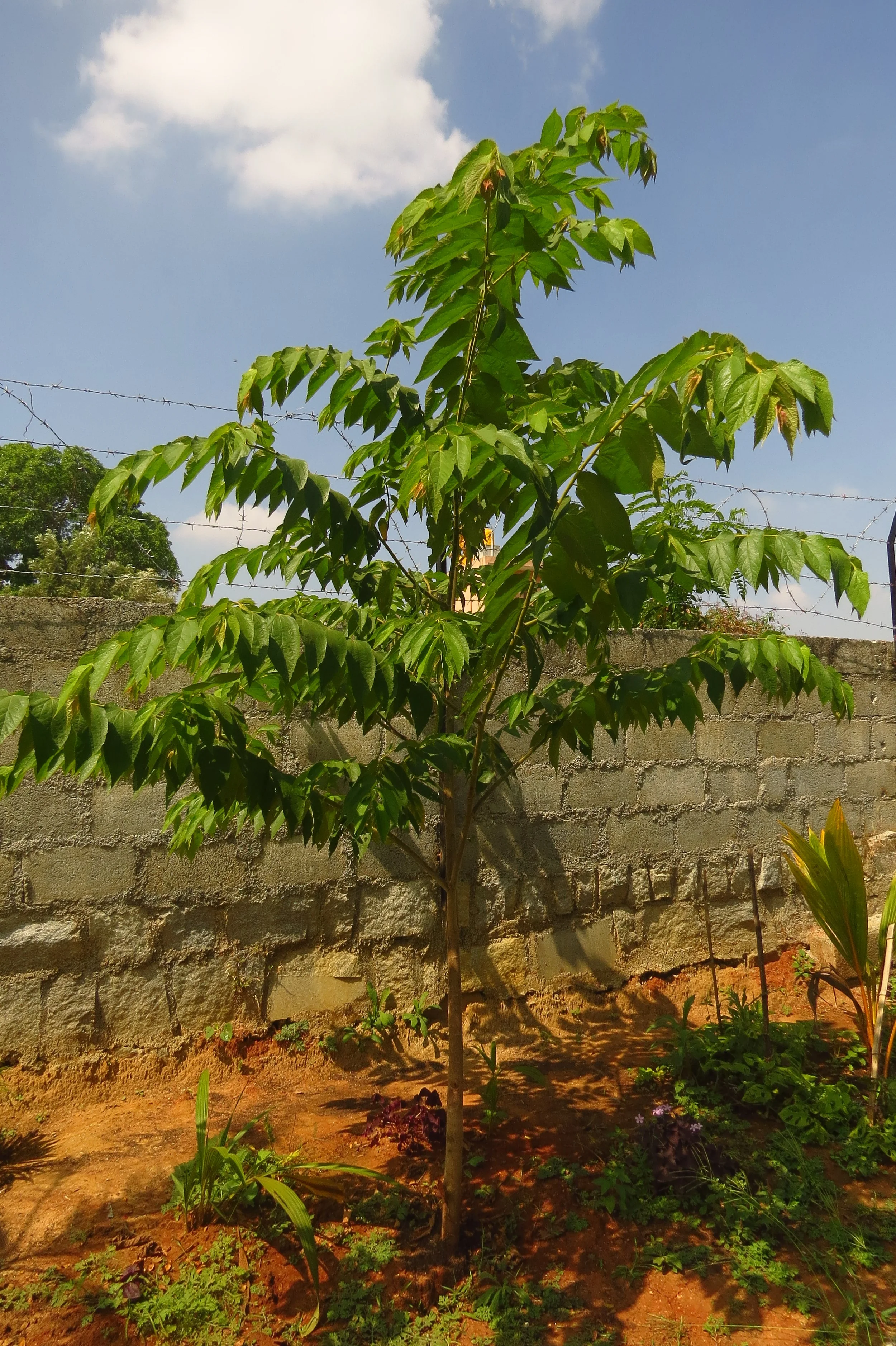
Living fence planting
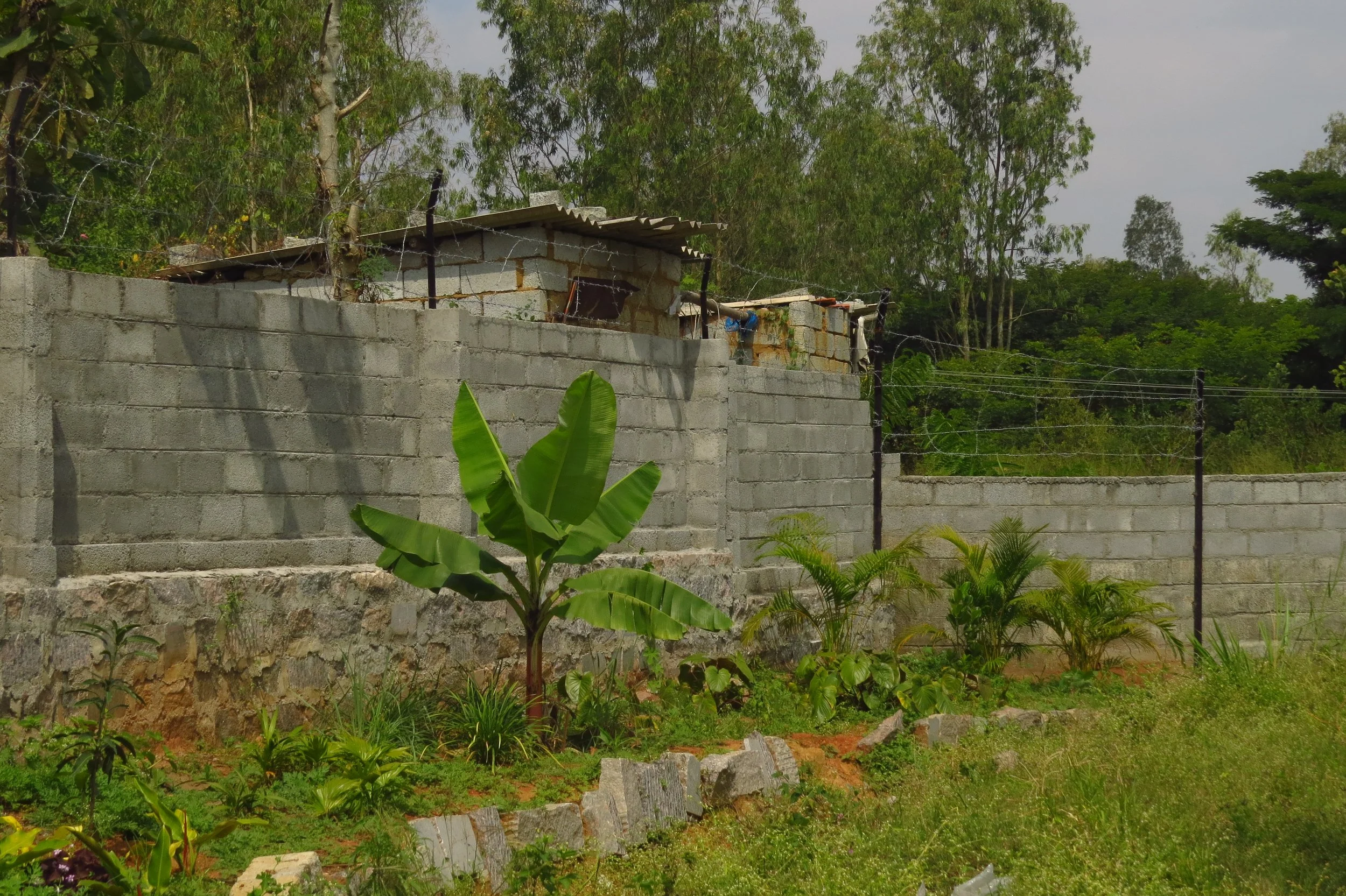
Living fence planting
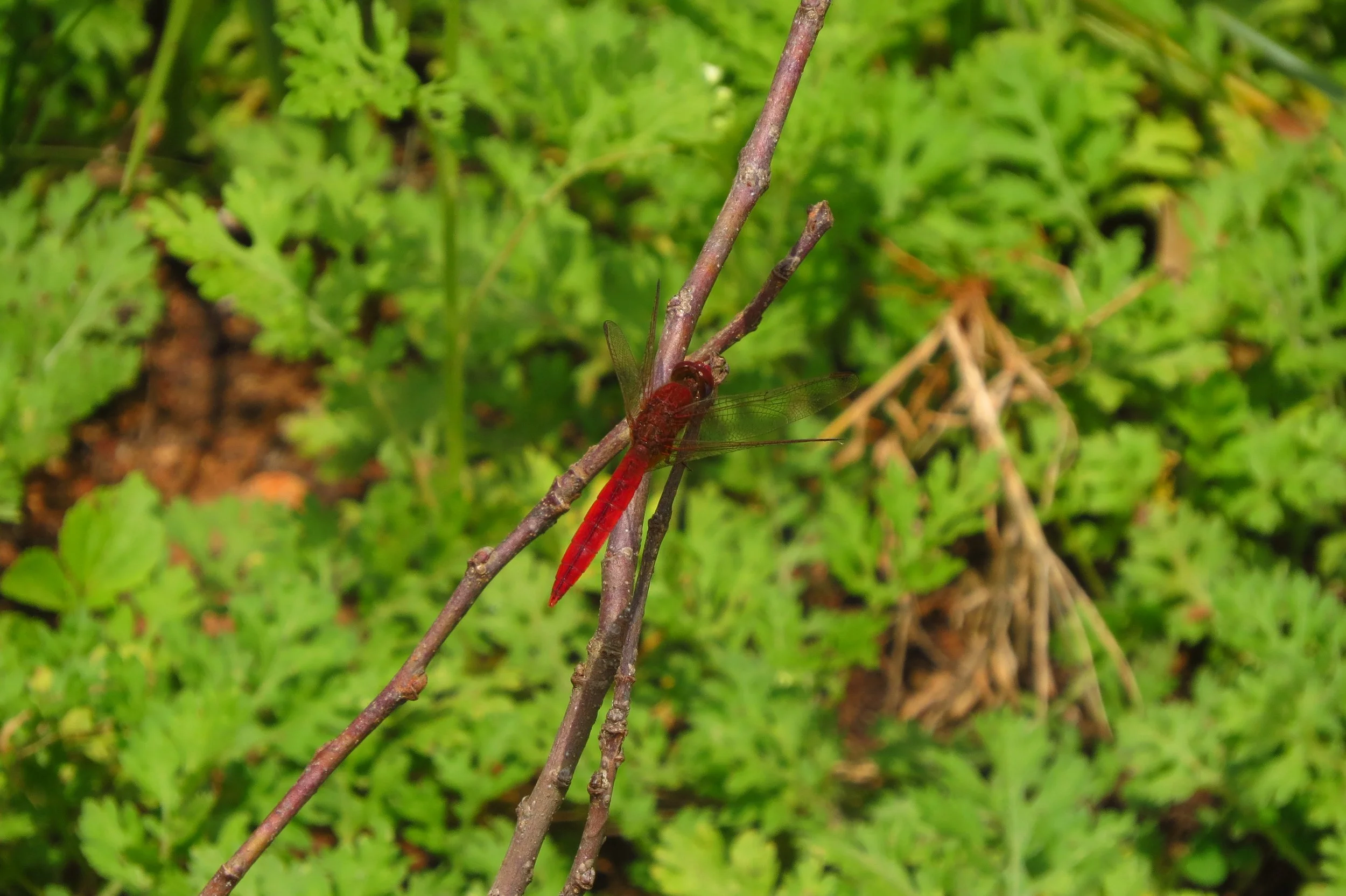
Dragonfly near pond
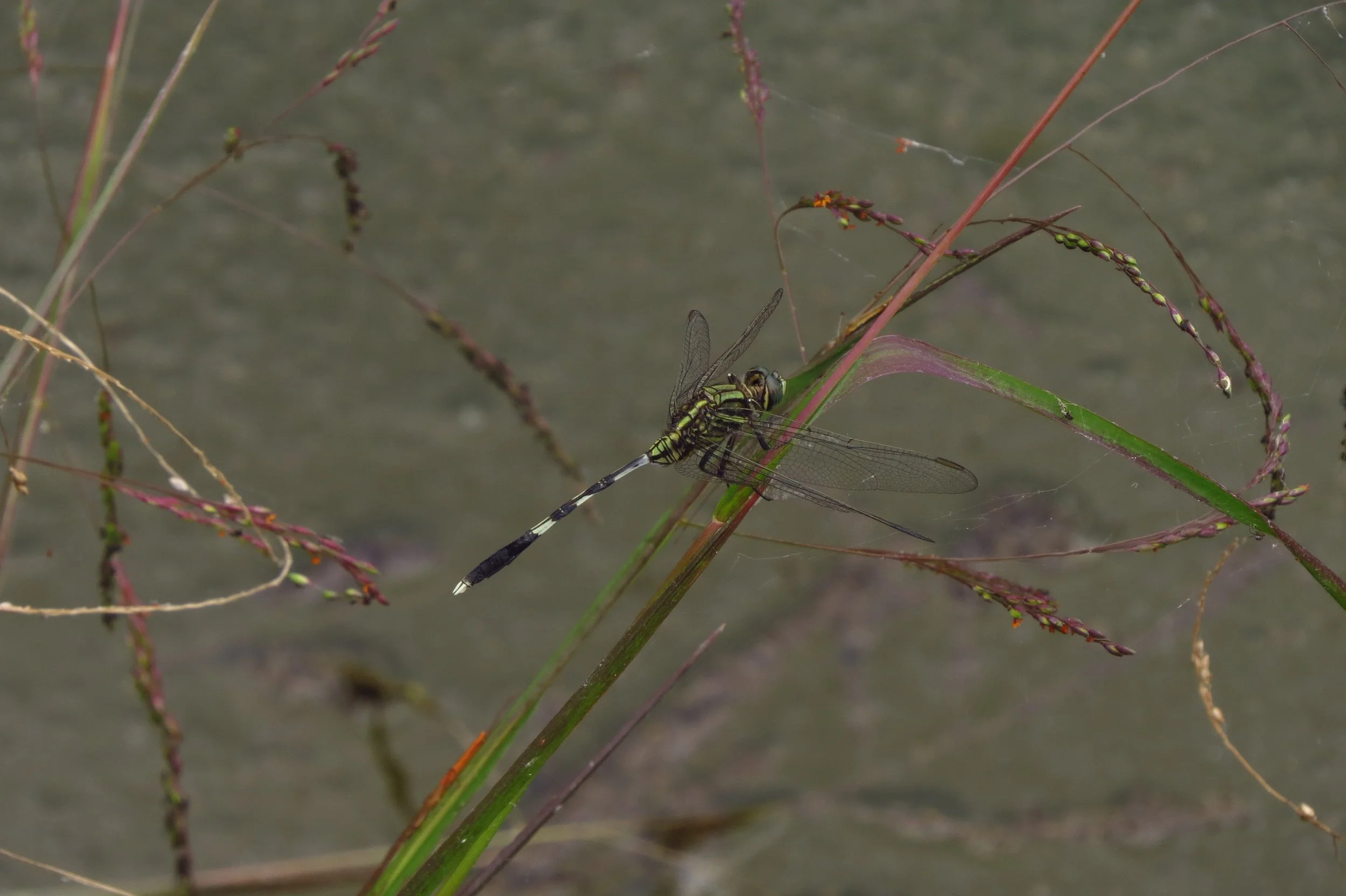
Dragonfly near pond
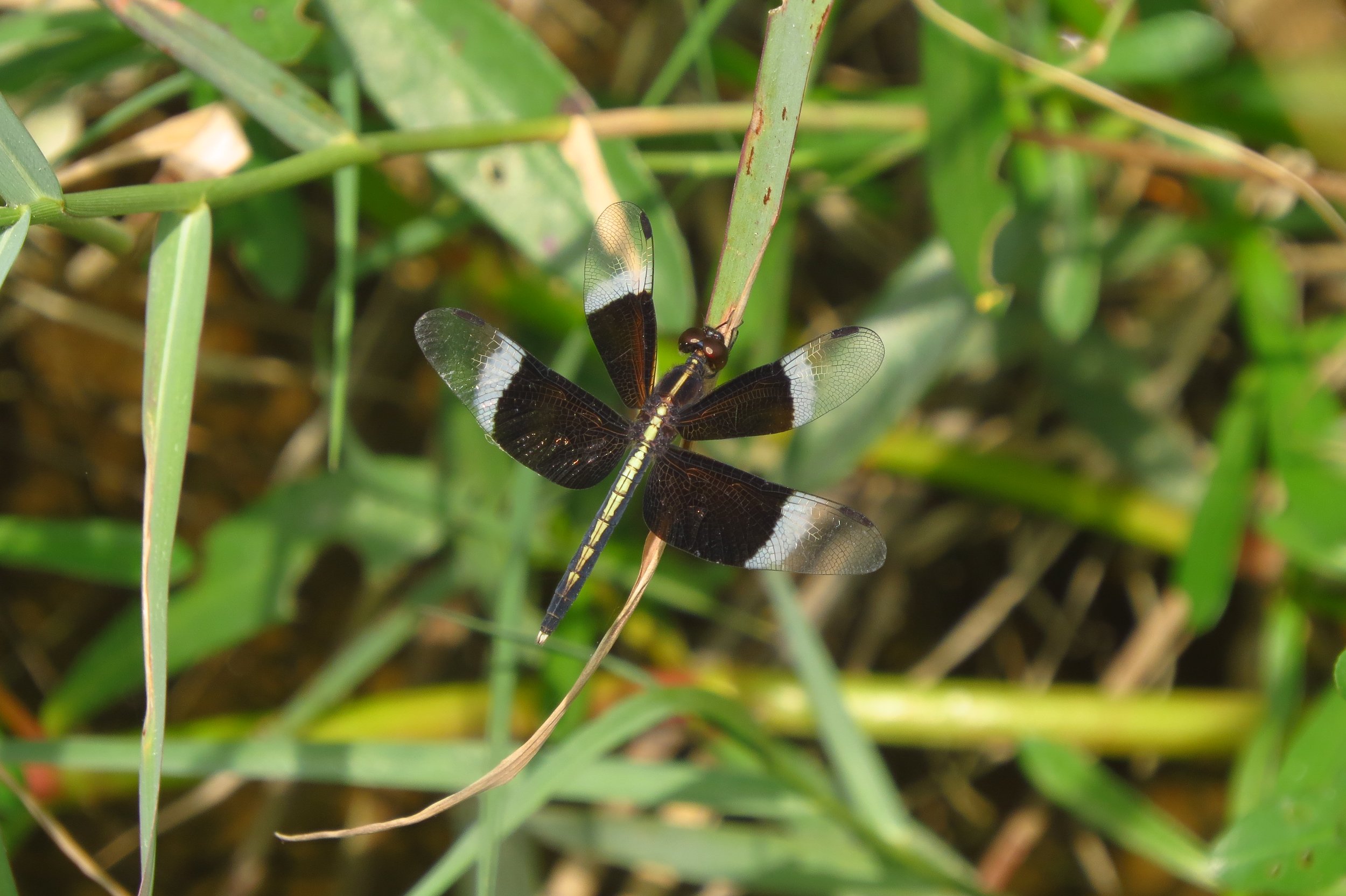
Dragonfly near pond
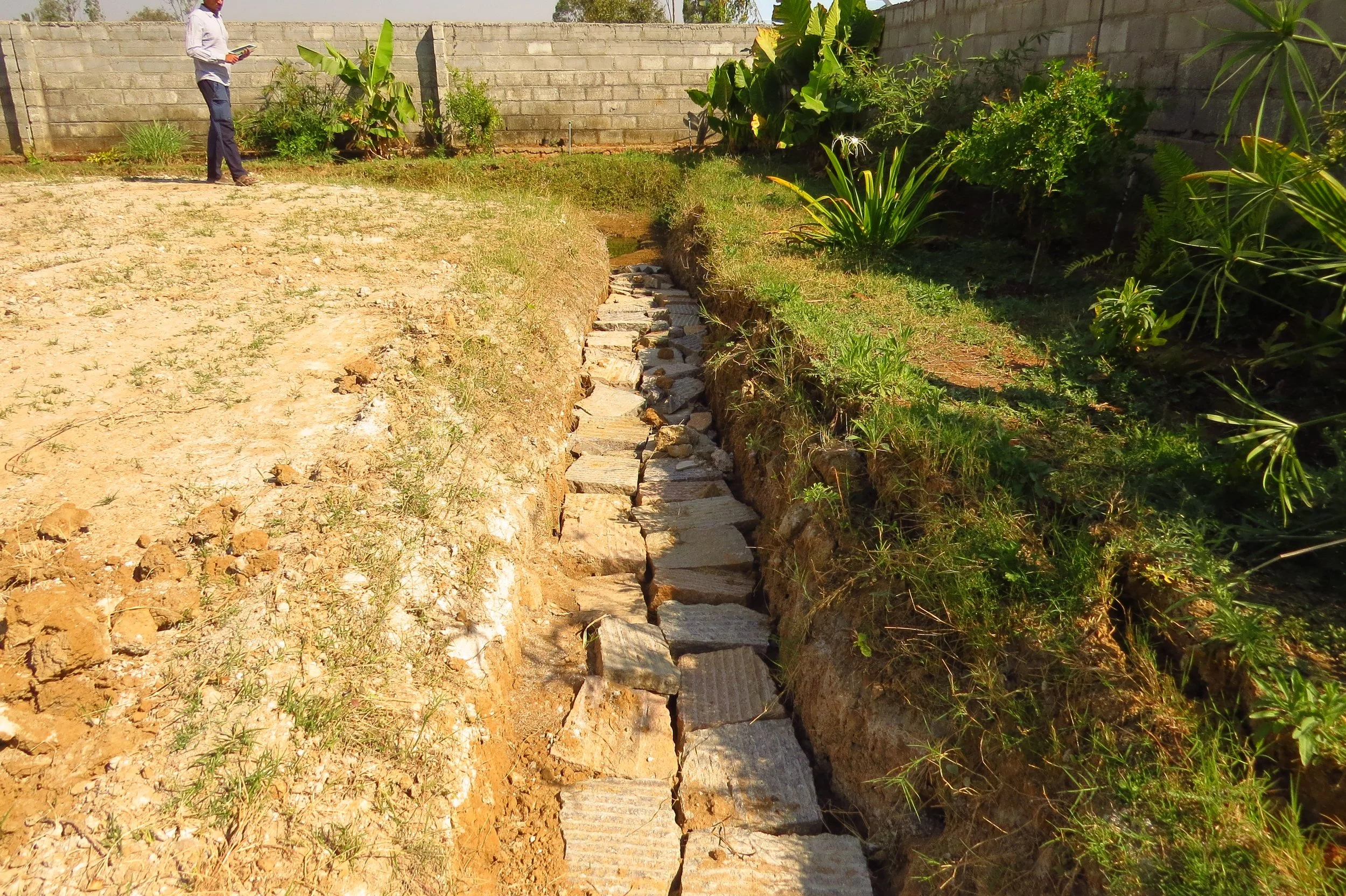
Rock-lined trenches
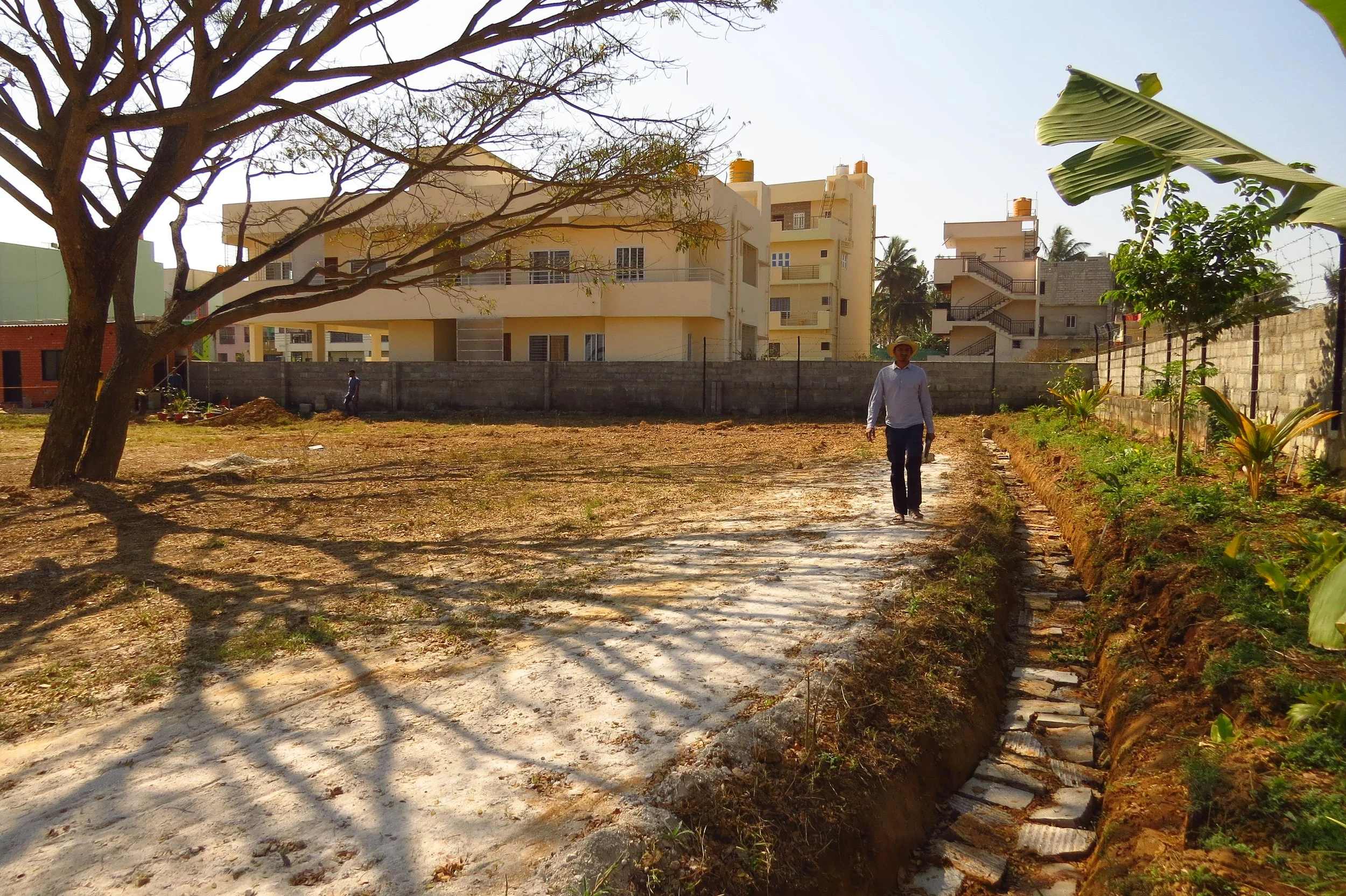
Rock-lined trenches and western living fence