

Farm by the Bay
Project size: 2.23 acres
Bay of Bengal shore at Mandapam, near Rameswaram, Tamil Nadu, IN
June 2024 to March 2025
Key design features: Mandala garden, coastal planting, Borassus pathways
Project team: Sanjana Radhakrishnan (Design lead); Jananee Mohan (Implementation lead); Gautam Shanbhag, Joshua Danesh, Theertha Ravi, Arun Kumar
Site volunteers: Pankaj S., Siddharth S.
Site manager: Arif
Elevation: 6 metres above sea level
Annual rainfall: 1031mm / 40.5 inches
Climate: Tropical savanna
Bioregion: Tropical Dry Evergreen, Littoral, Dry Mixed Deciduous and Dry Tropical Riverine forests
Soil type: Sandy, loamy sand
Design phase
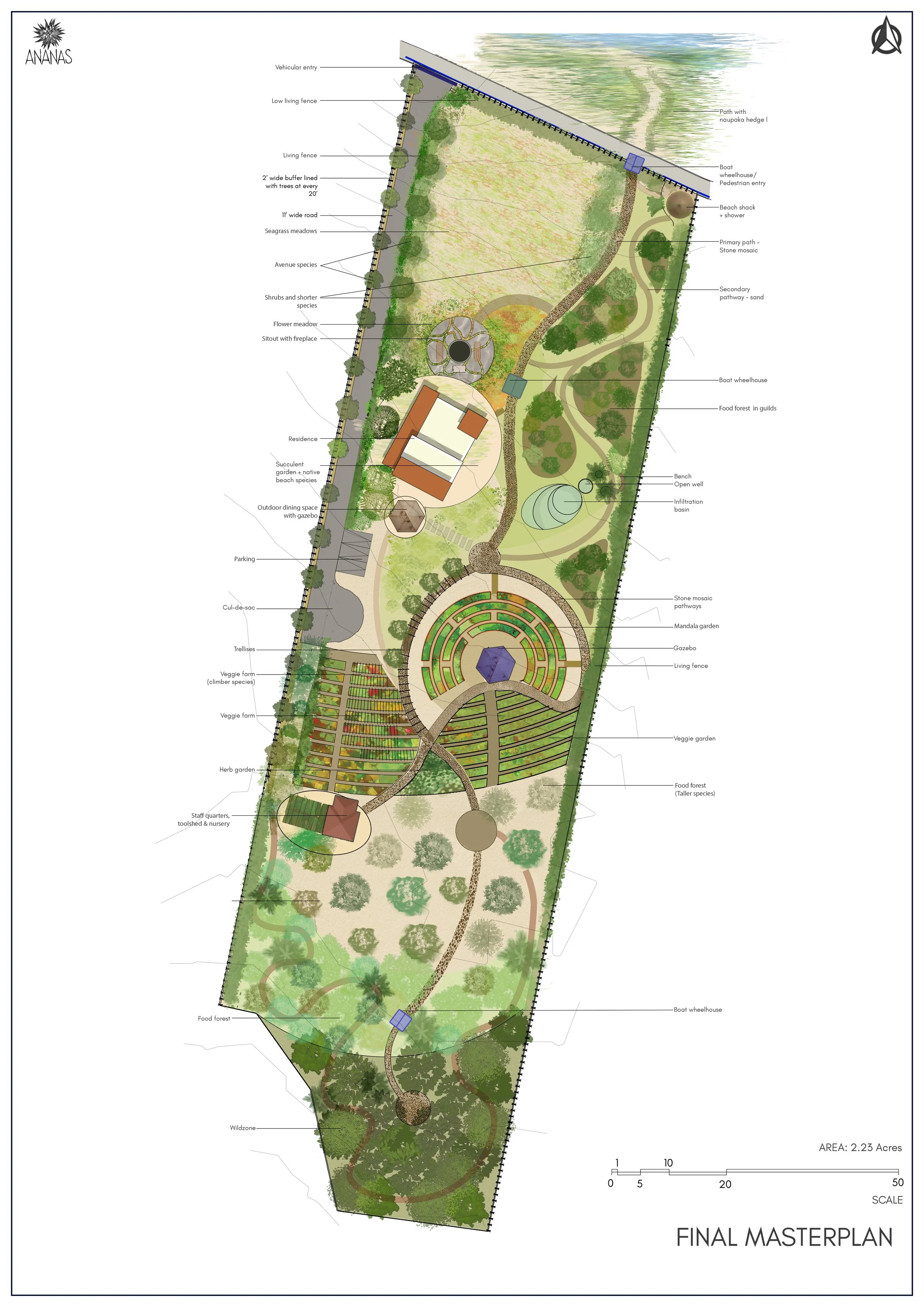
Set on a 2.23 acre site on the Mandapam coastline, this site looks out over the gentle waters of Palk Bay, just before the crossing to Pamban Island and Rameswaram. Only 30 metres from the sea and separated from the beach by a narrow road, the long north to south plot was originally nothing more than shifting coastal sand dotted with invasive thorny species. Our approach was to work with the place as it was, shaping a landscape that respects its coastal context rather than imposing upon it.
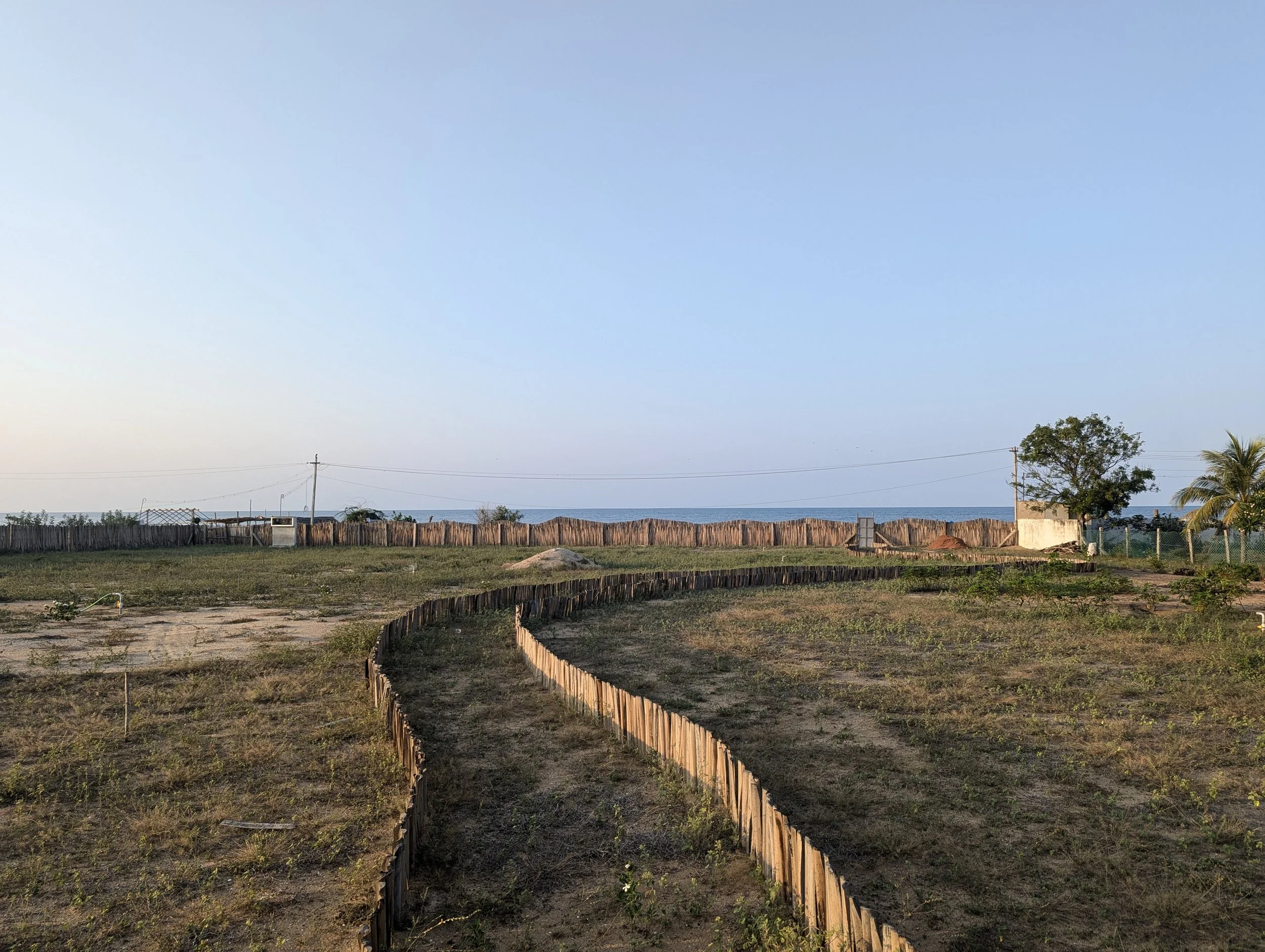
The design draws from local material culture and the everyday rhythms of the shoreline. Palmyra petioles were used for fencing and to define pathways, allowing us to avoid hard paving where sand already provides a soft and comfortable walking surface. Discarded fishing boat wheelhouses from nearby jetties were reimagined as colourful transitional structures, opened on two sides to form passages and kept closed on the other two to create shaded enclosures.
A visit to a nearby island helped us read the natural vegetation patterns, which then guided both the structure of the wild zone and the choice of species. Planting heights were carefully planned to protect future sea views from a to-be-constructed home, keeping the front zone open and lightly planted with native seagrasses. Spinifex planting was planned along the northern edge to strengthen the fence line and protect young plants from goat grazing. Paths were shaped as simple trails, bordered by palmyra petioles within the site, and hardy coastal herbs like beach naupaka were suggested for pathways on the beach.
Food-growing areas were laid out as raised beds and mandala gardens, edged again with palmyra stakes and built up with soil to make cultivation possible in the sandy ground. The open well was supported by an infiltration basin and envisioned as a tactile landmark finished with mother of pearl bycatch shell cladding.
Many of these ideas took form directly on site through repeated visits, close observation, and hands-on demonstrations, made possible by a proactive site manager who became an active collaborator in refining every detail.
Design Details
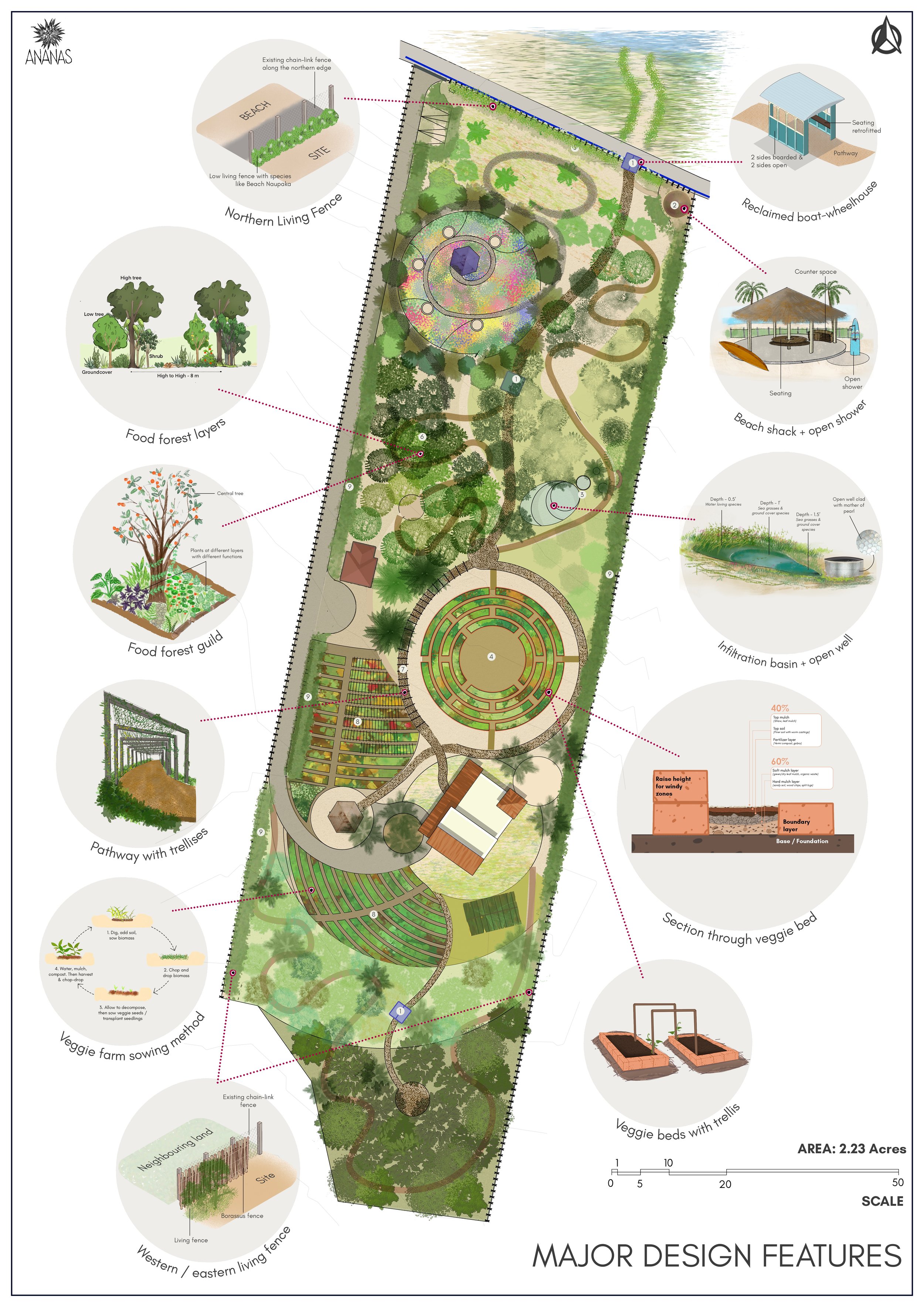
Design features and elements
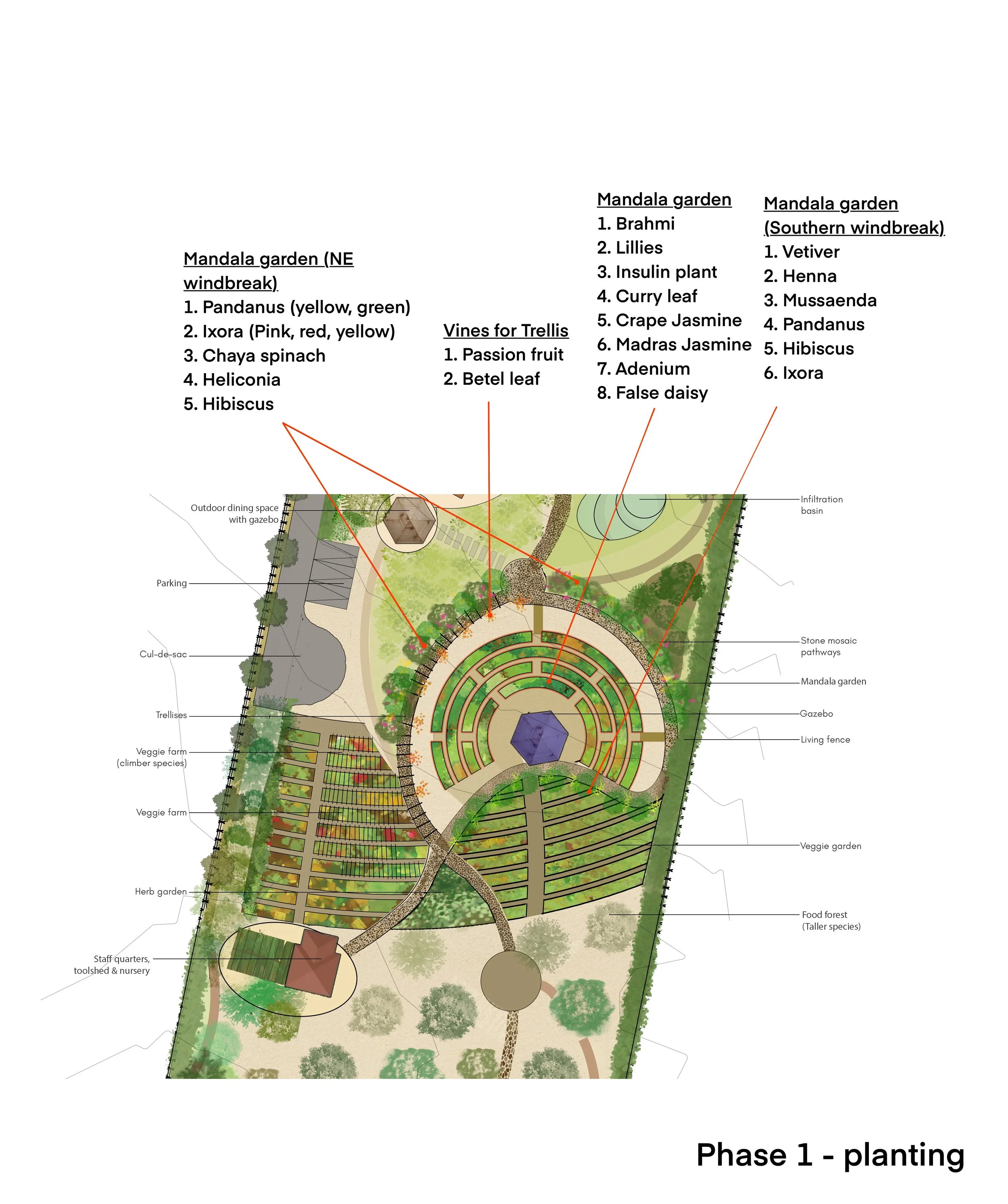
Species planning for Mandala Garden zone
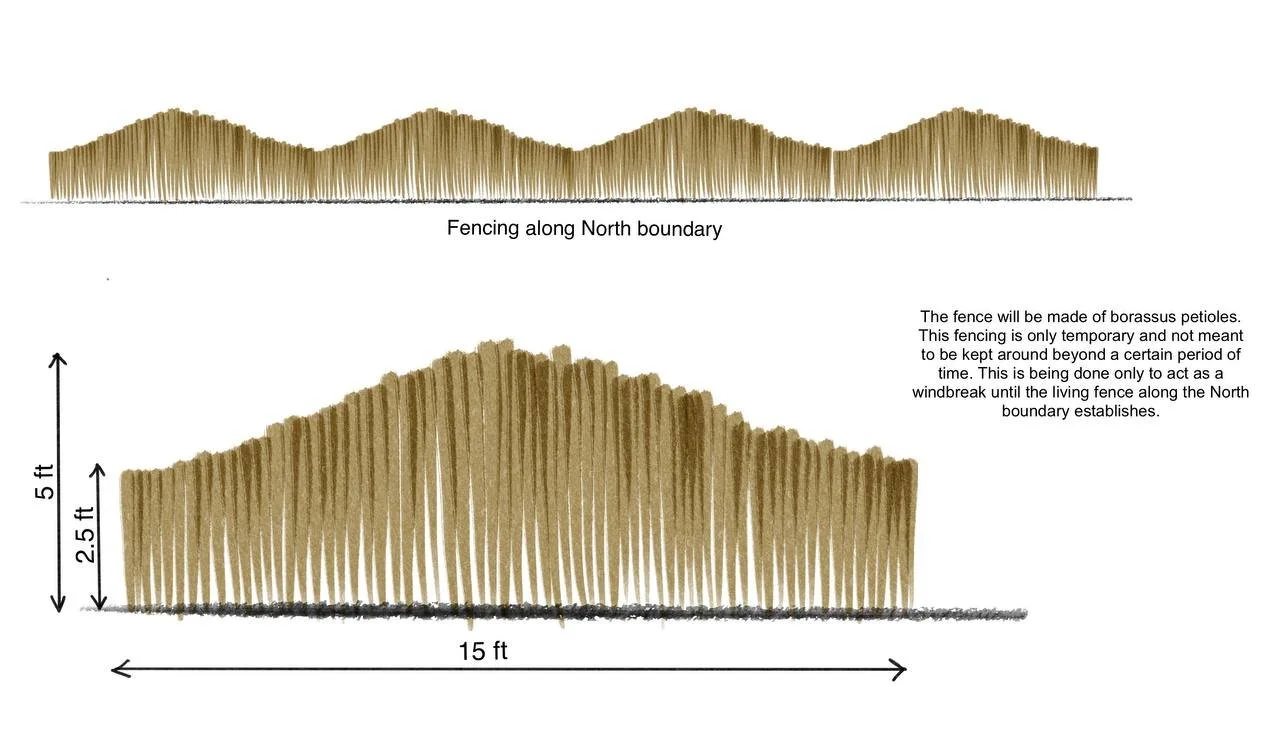
Northern living fence detail (palmyra palm petioles)
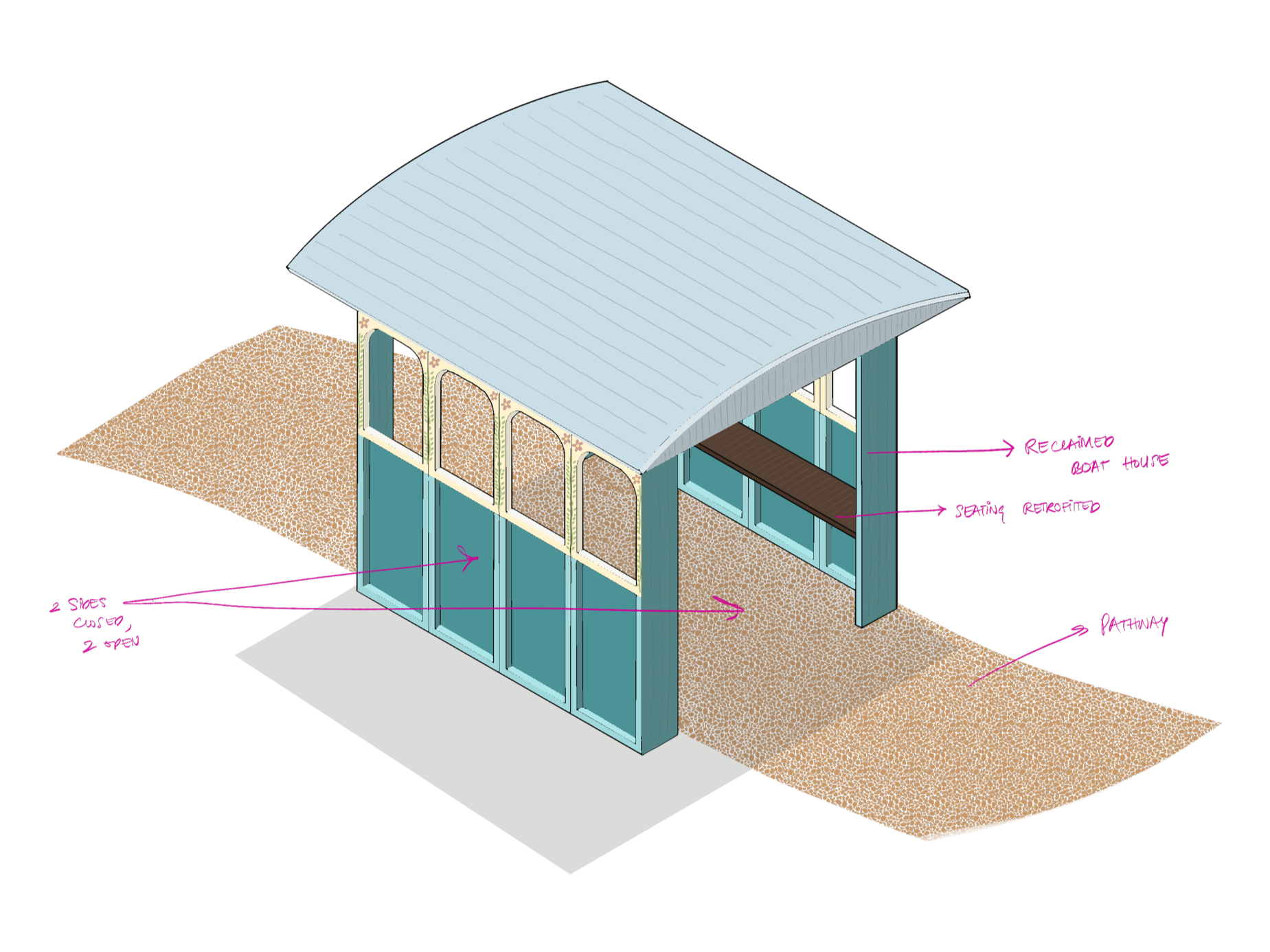
Boathouse arbor for pathways
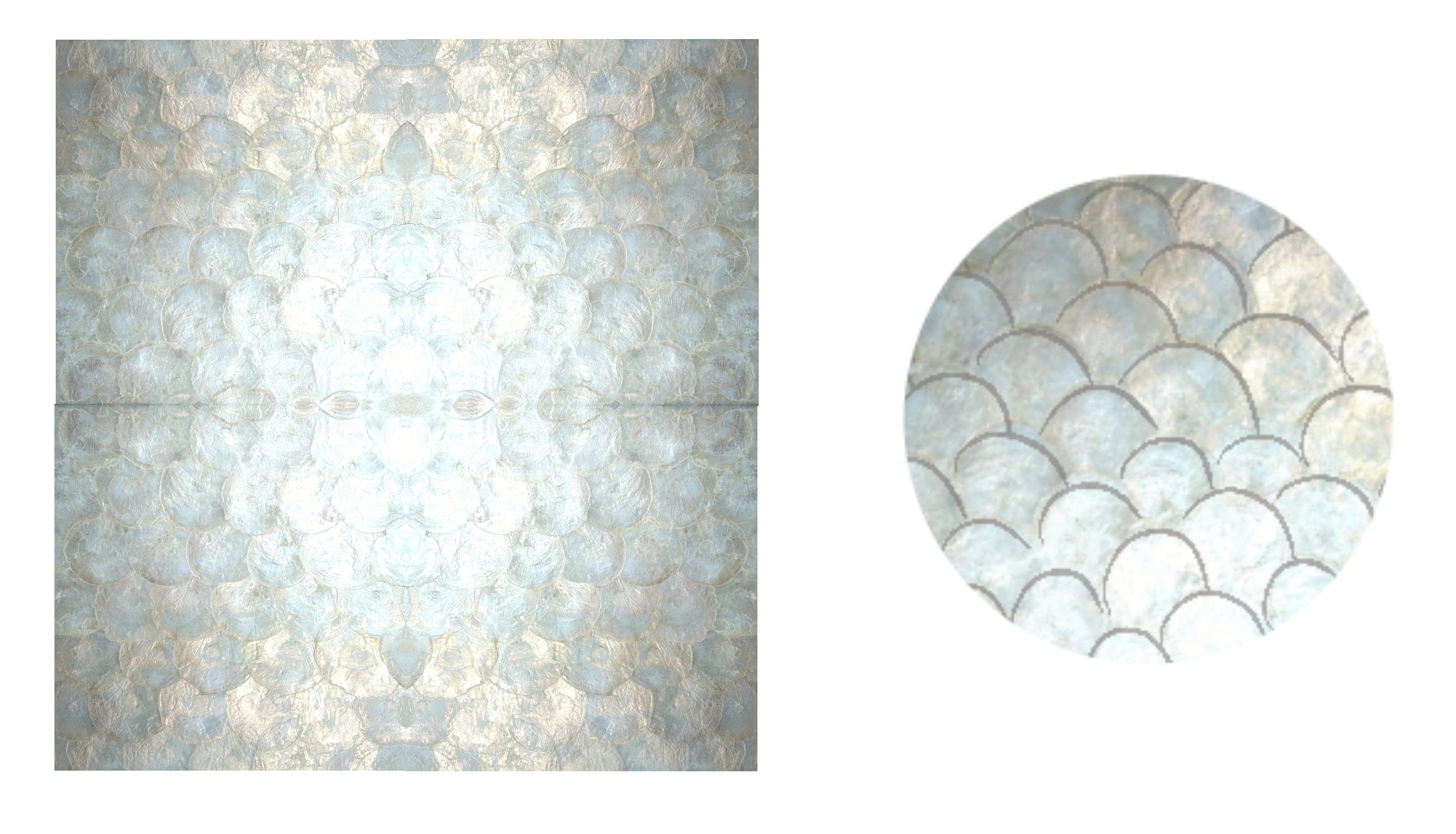
Mother-of-pearl (bycatch) cladding pattern for open well
Site photos
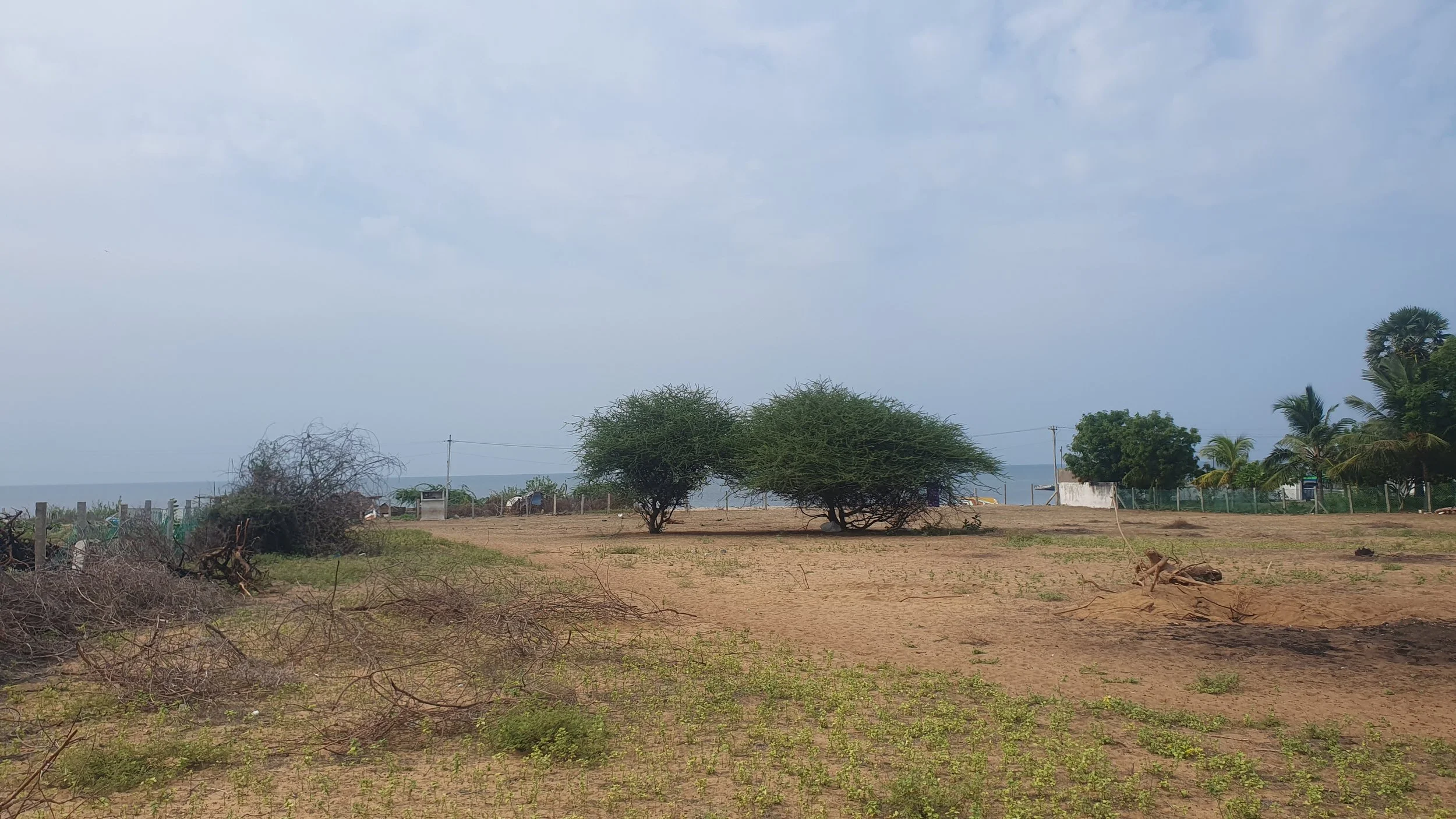
View of site
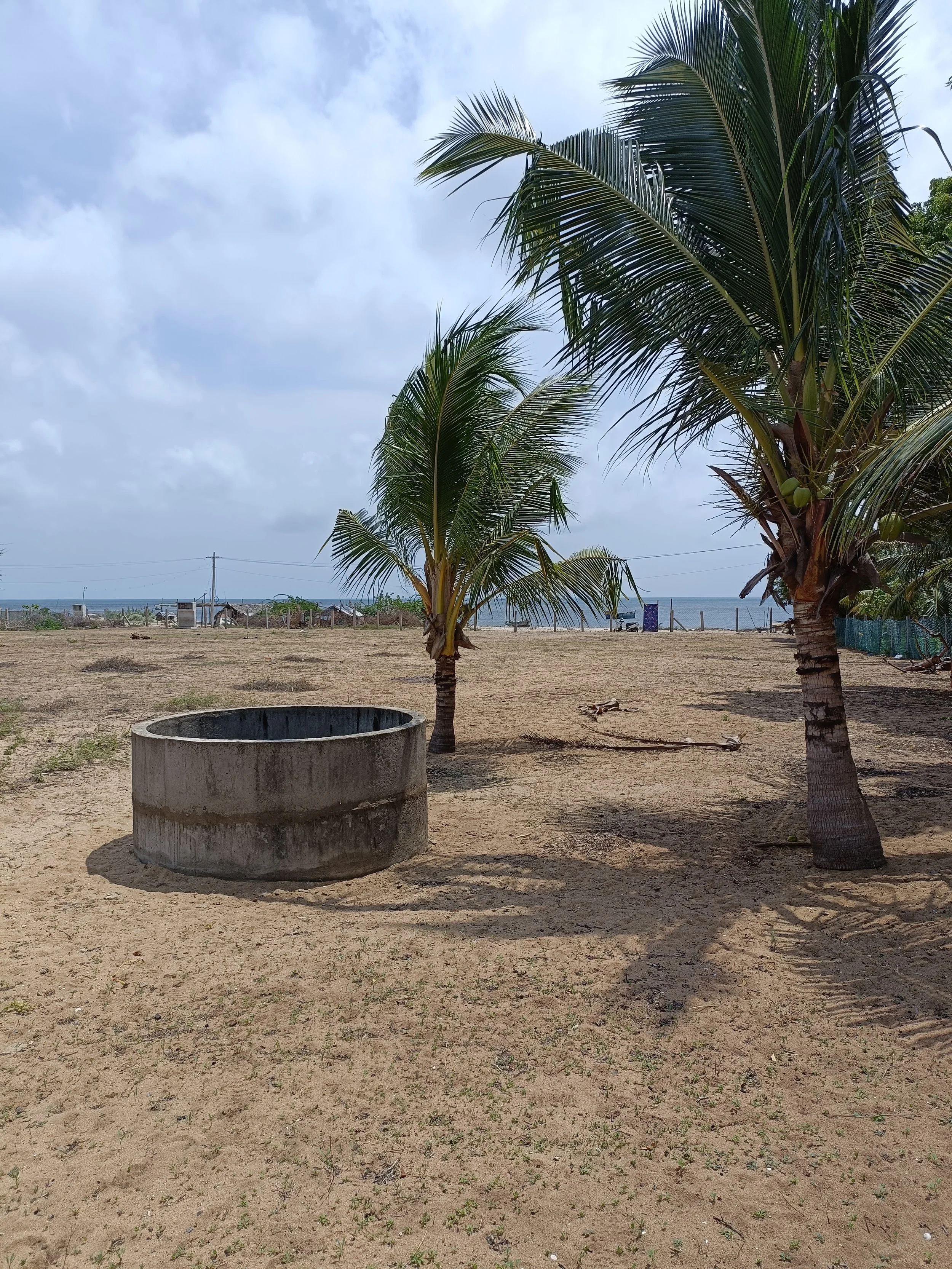
Open well on site - perennial source of water
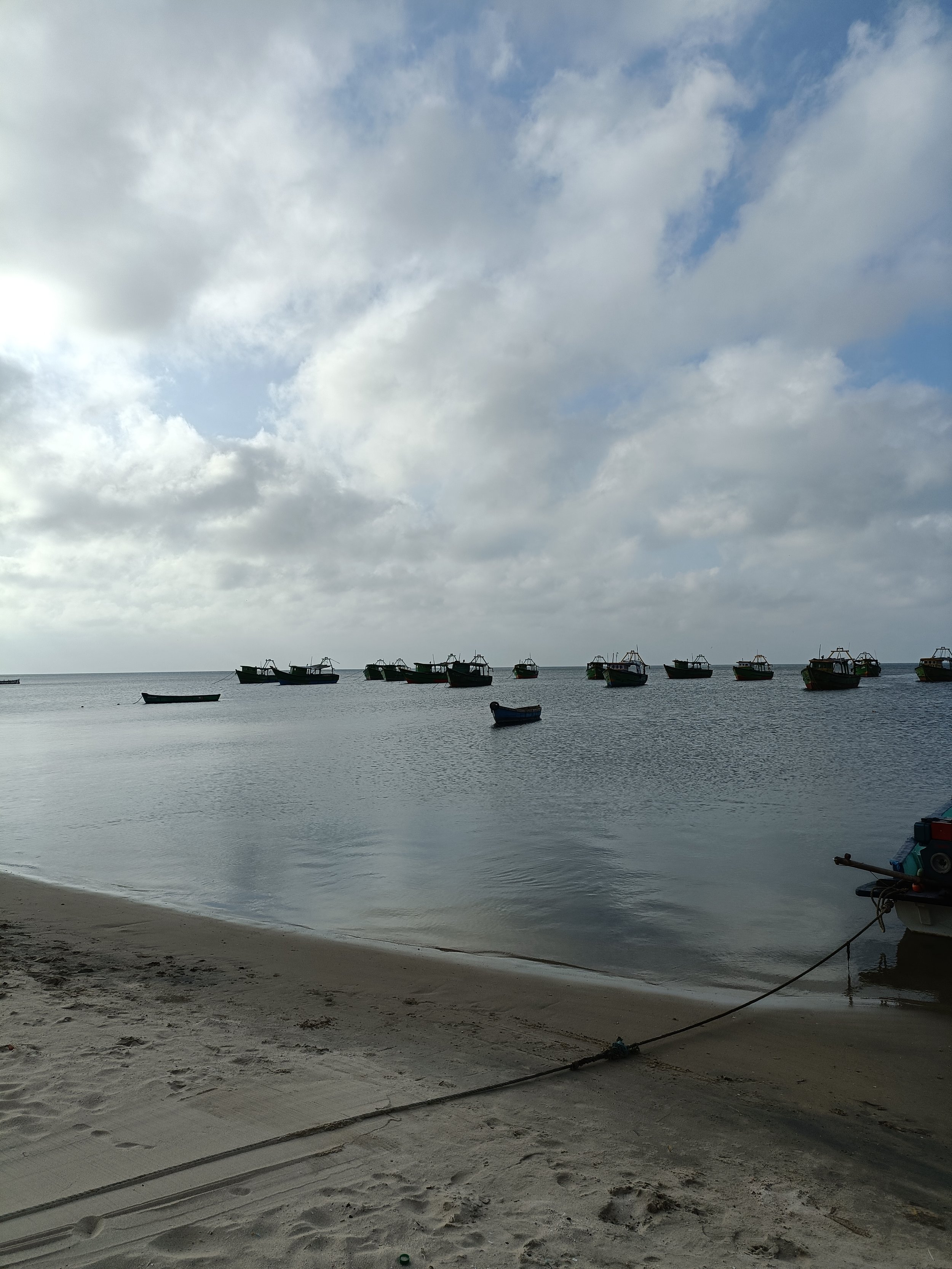
View of the Bay of Bengal from site
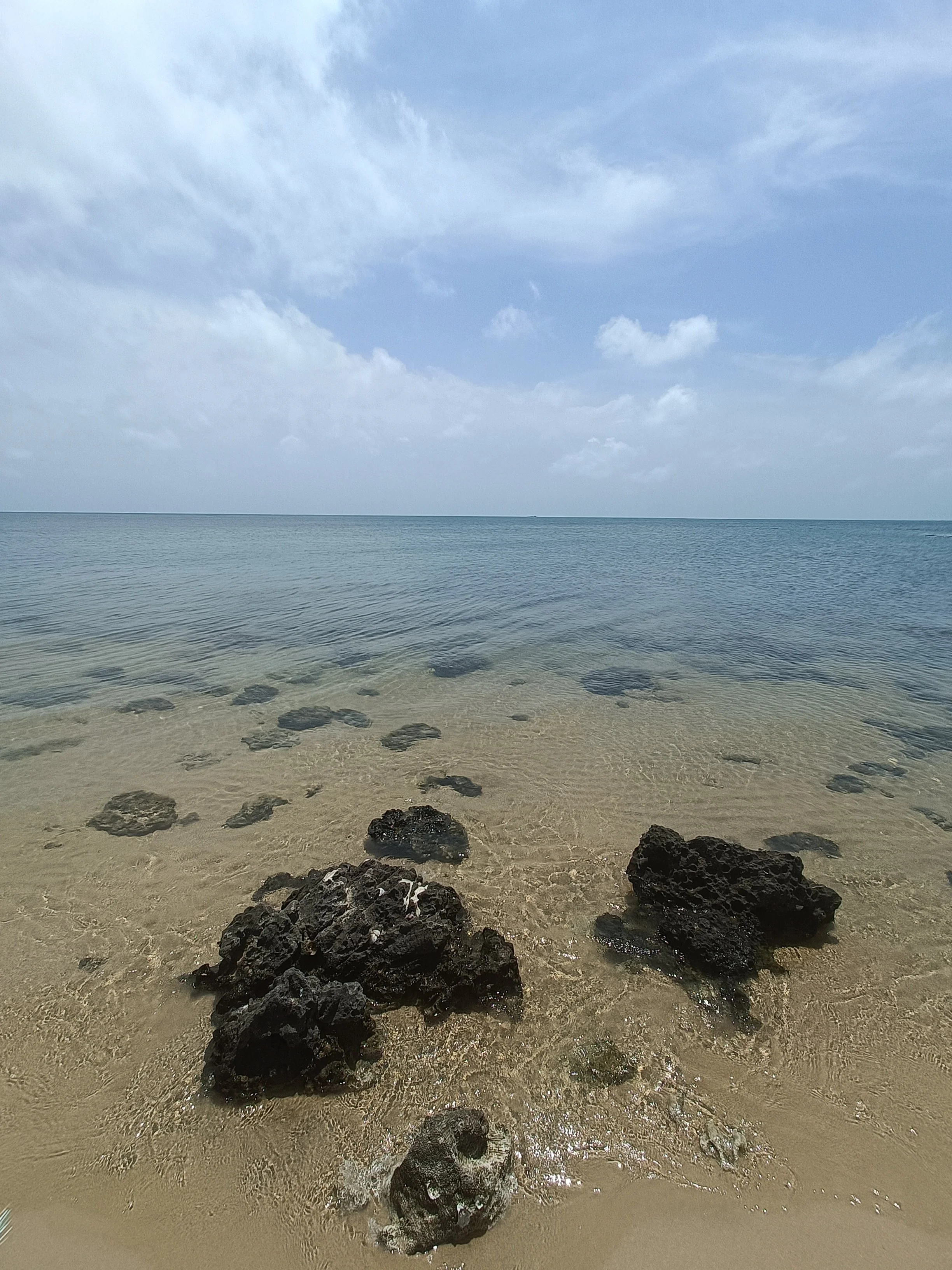
Bay of Bengal
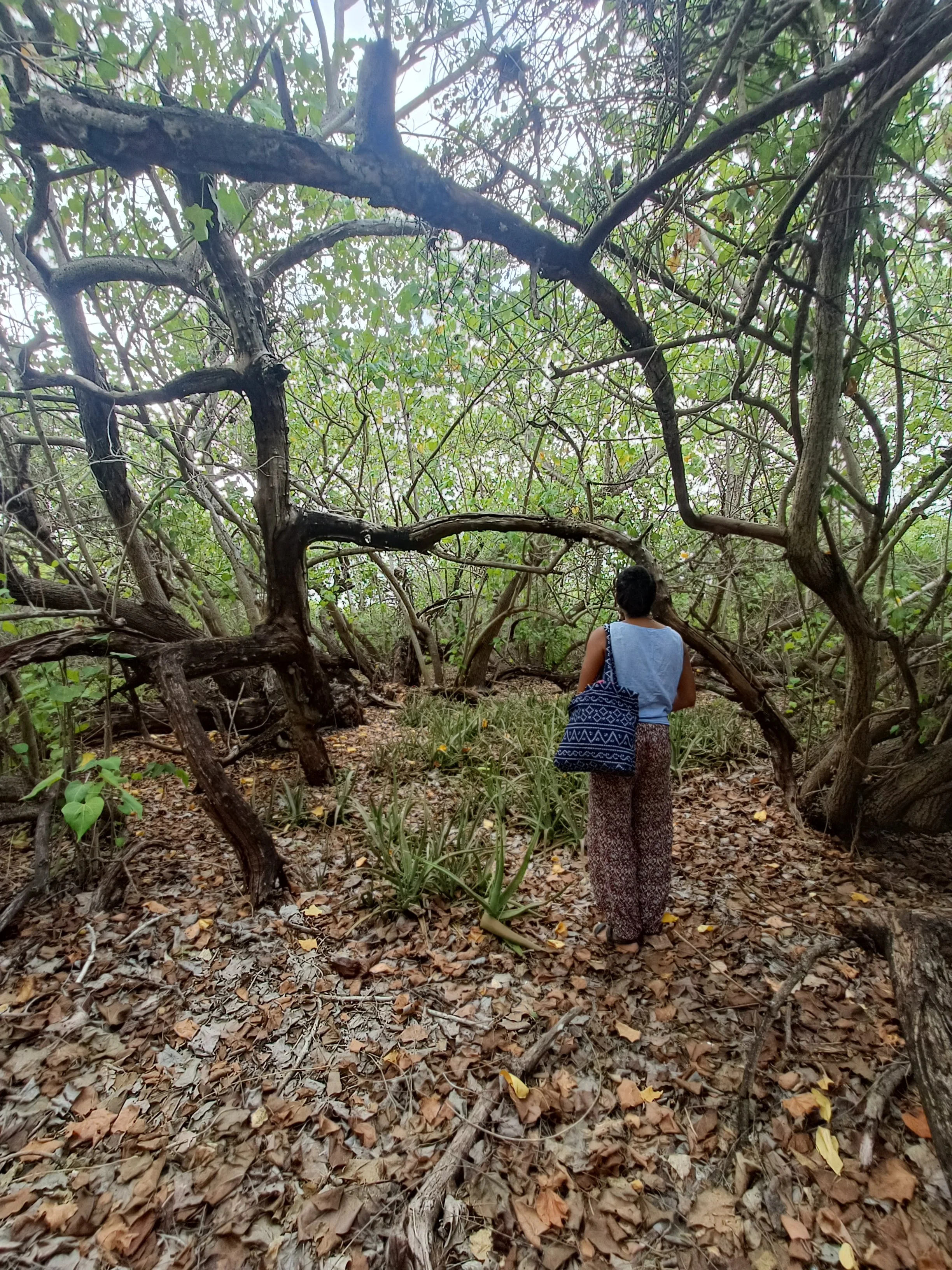
Kurusadai Island - reference wild zone
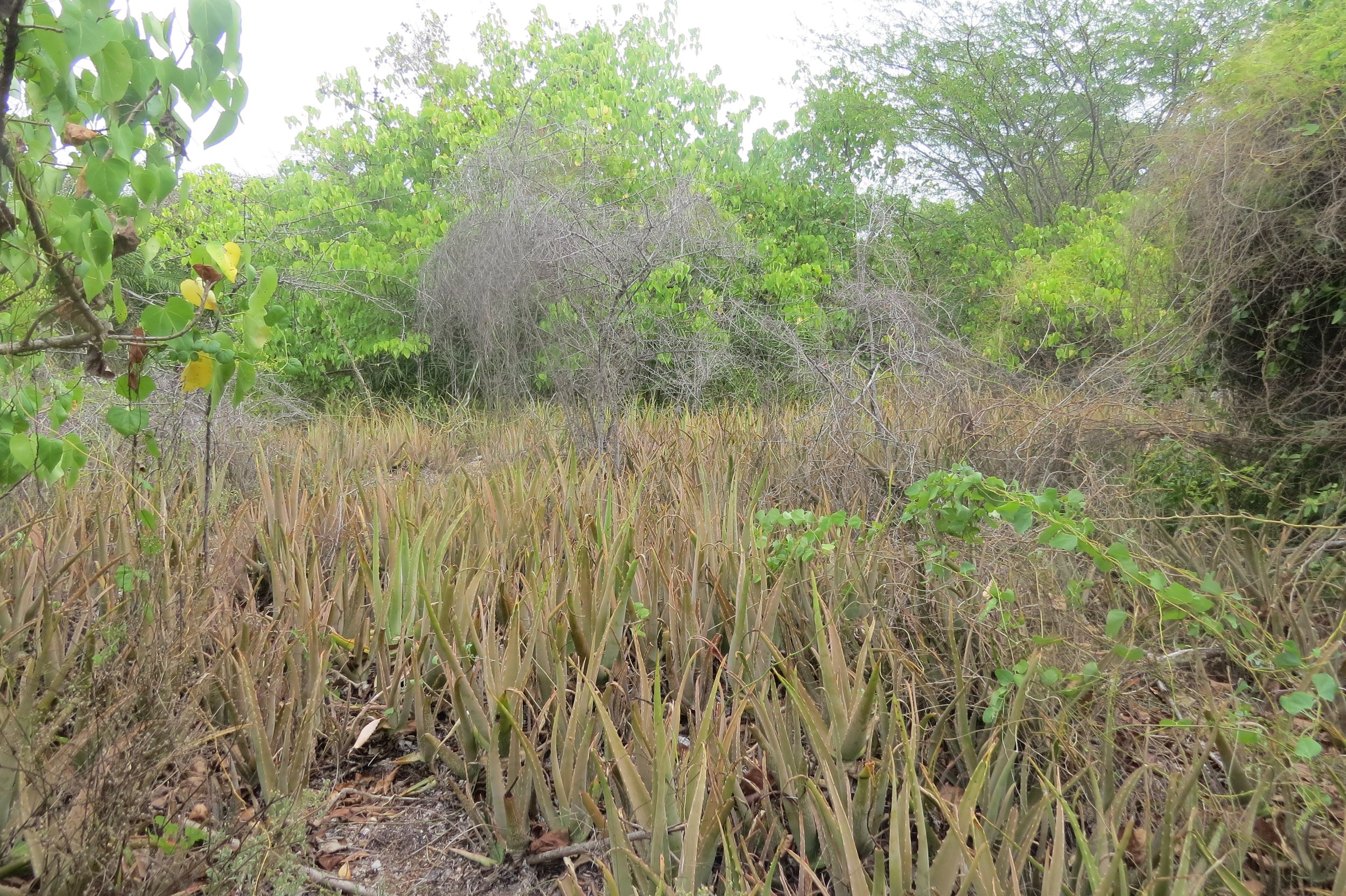
Kurusadai Island - Aloe
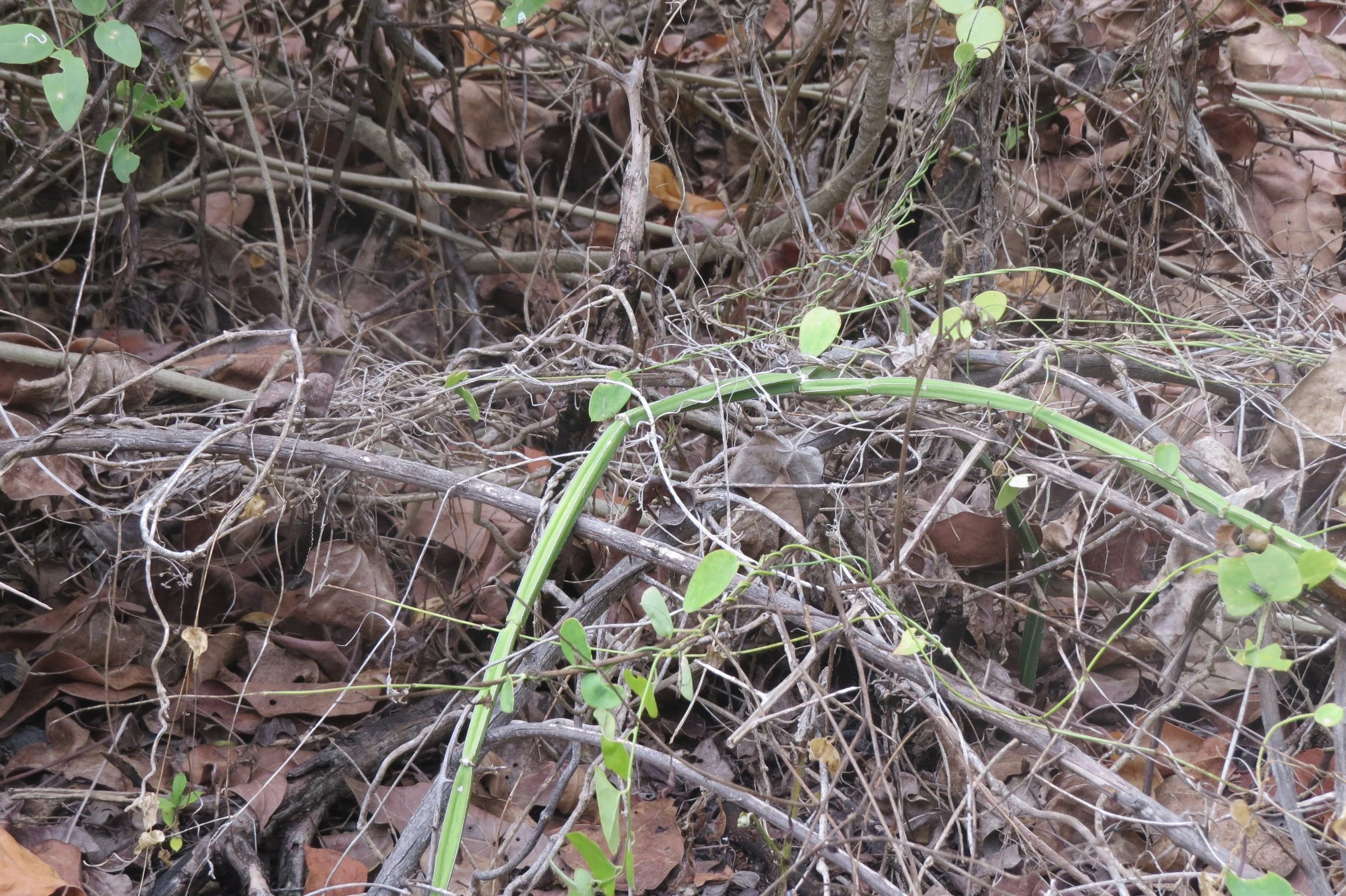
Kurusadai Island - Pirandai
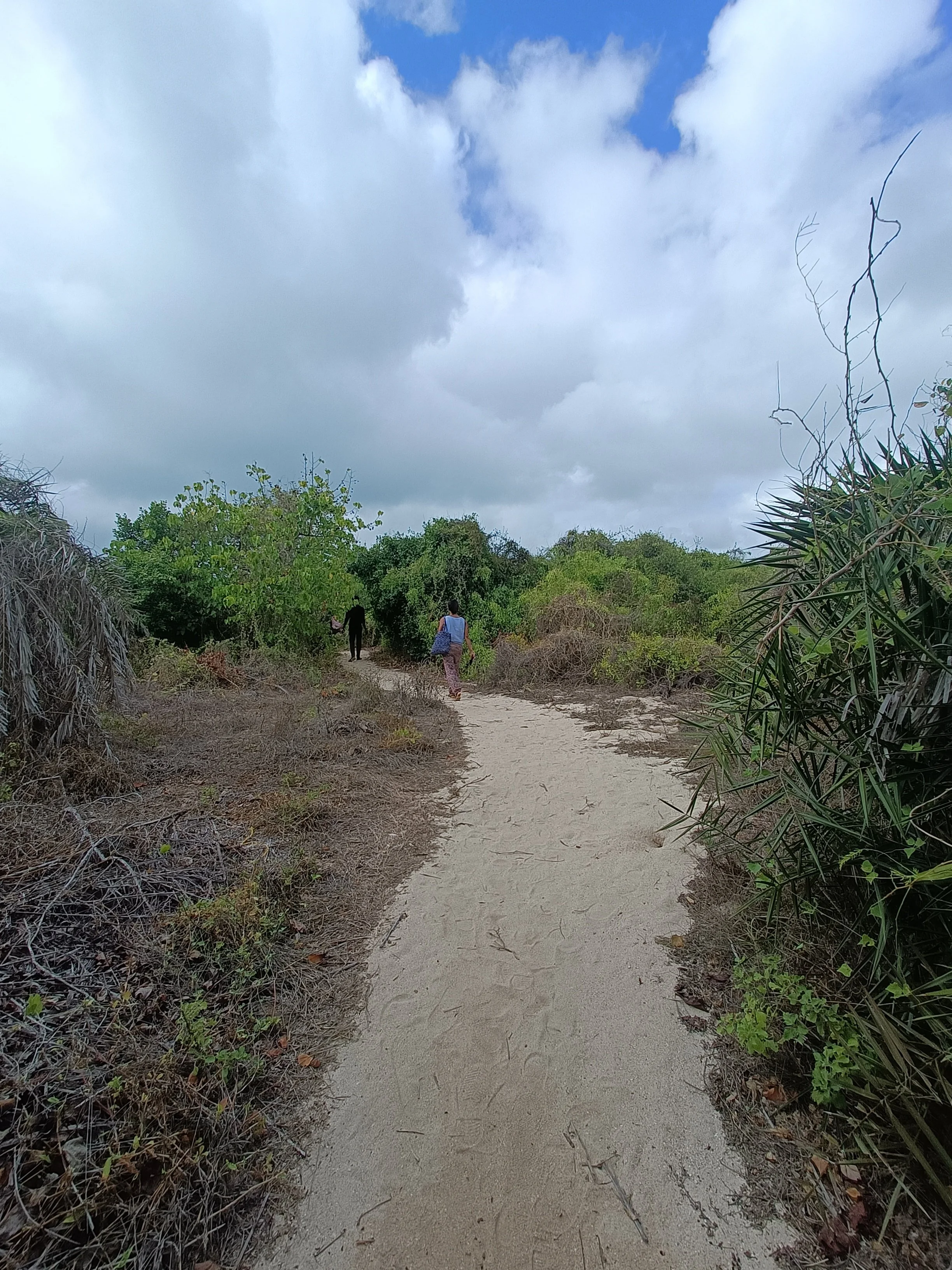
Kurusadai Island - sand pathways

Dhanushkodi - coastal groundcover
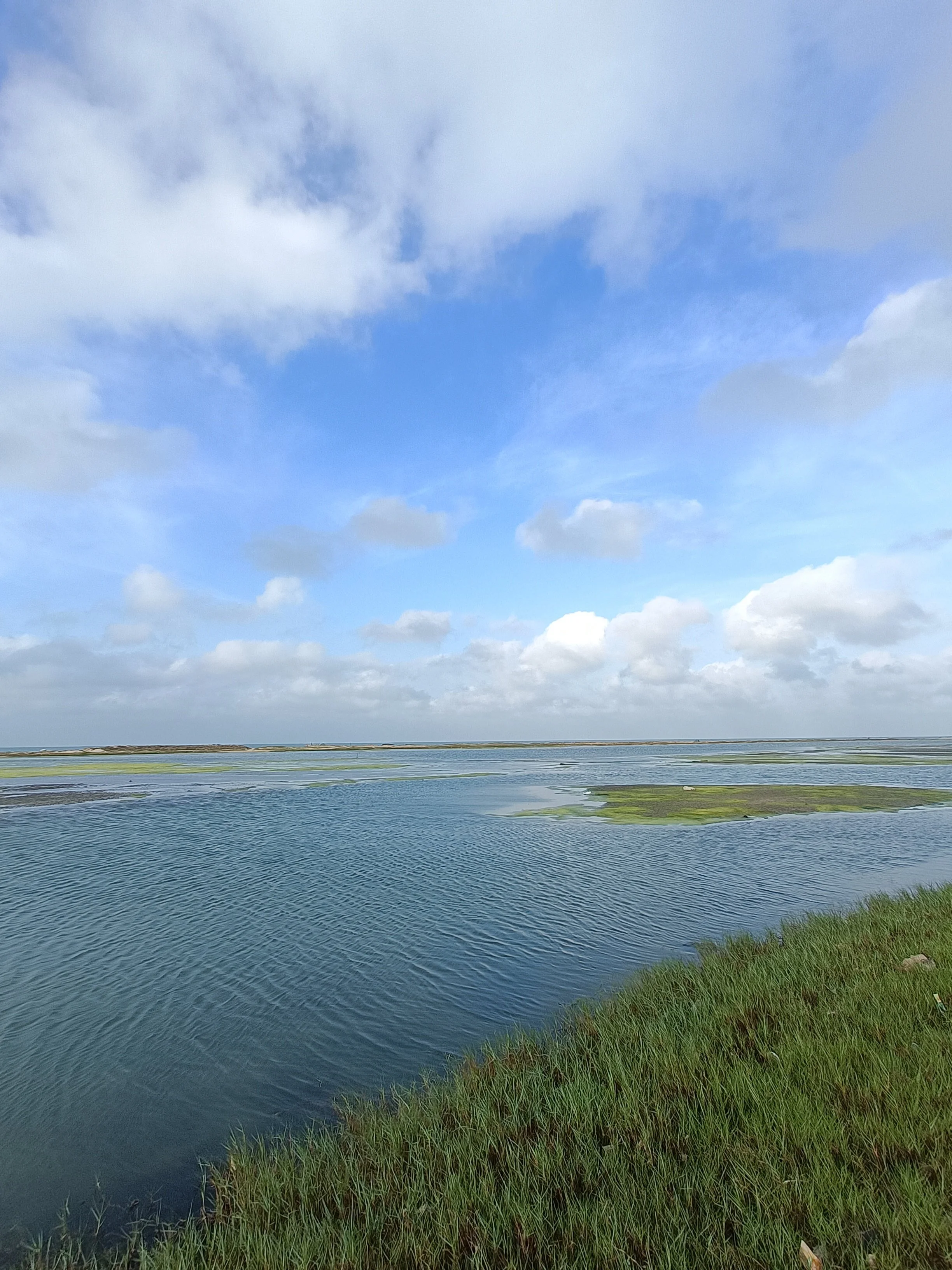
Dhanushkodi - intertidal zones
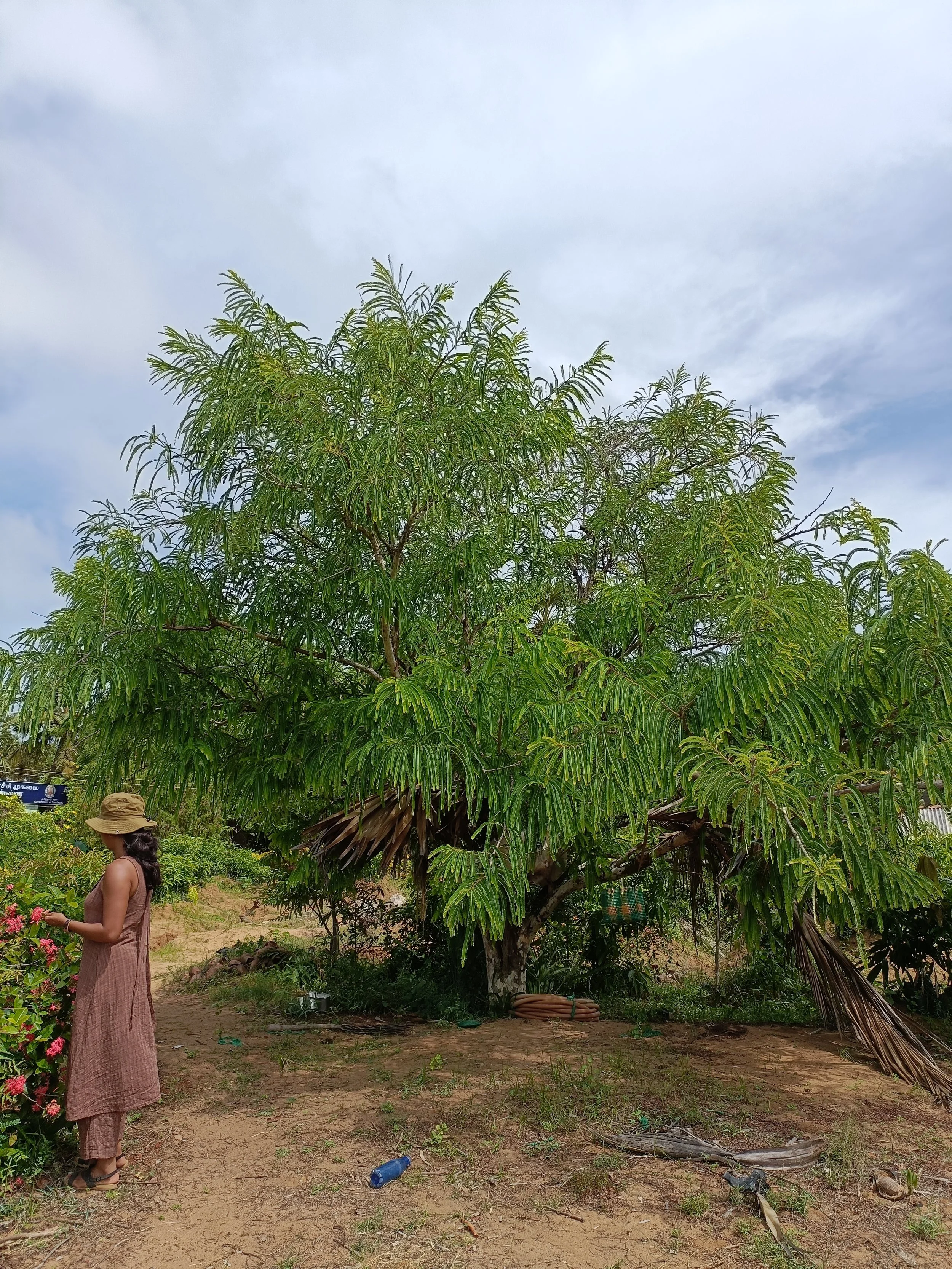
Nursery in Mandapam
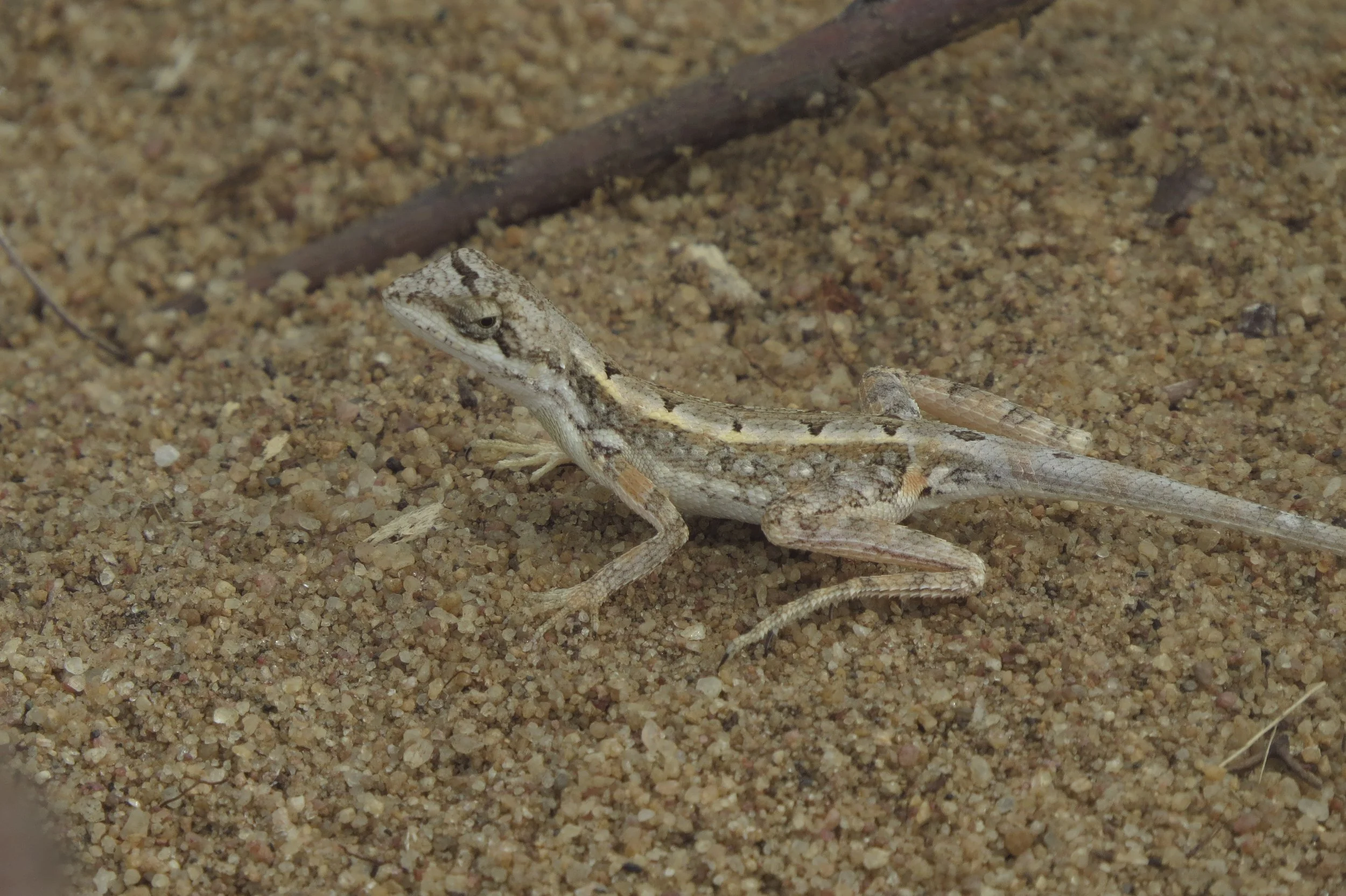
Reptile life on site
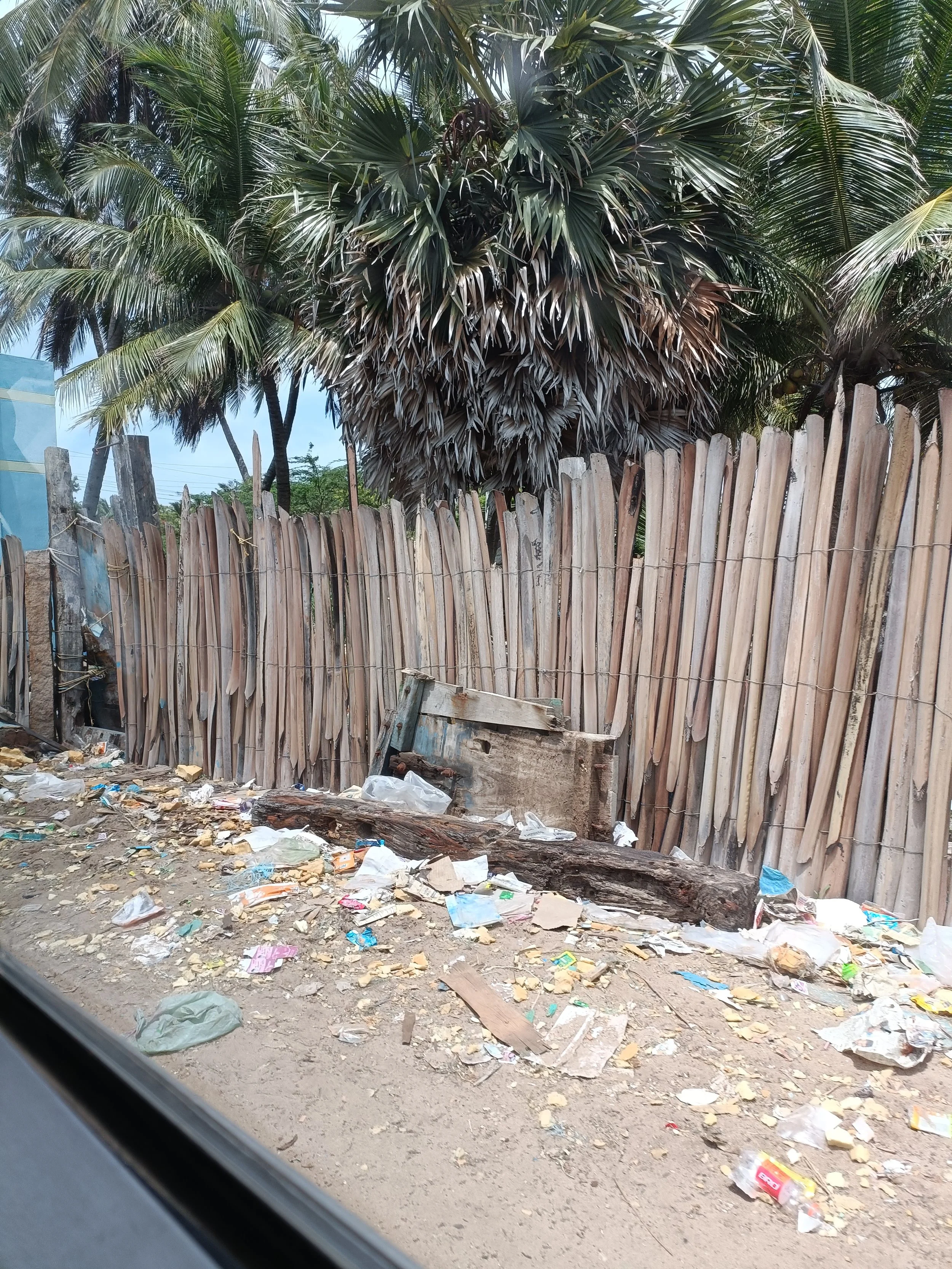
Reference fence (Palmyra petioles)
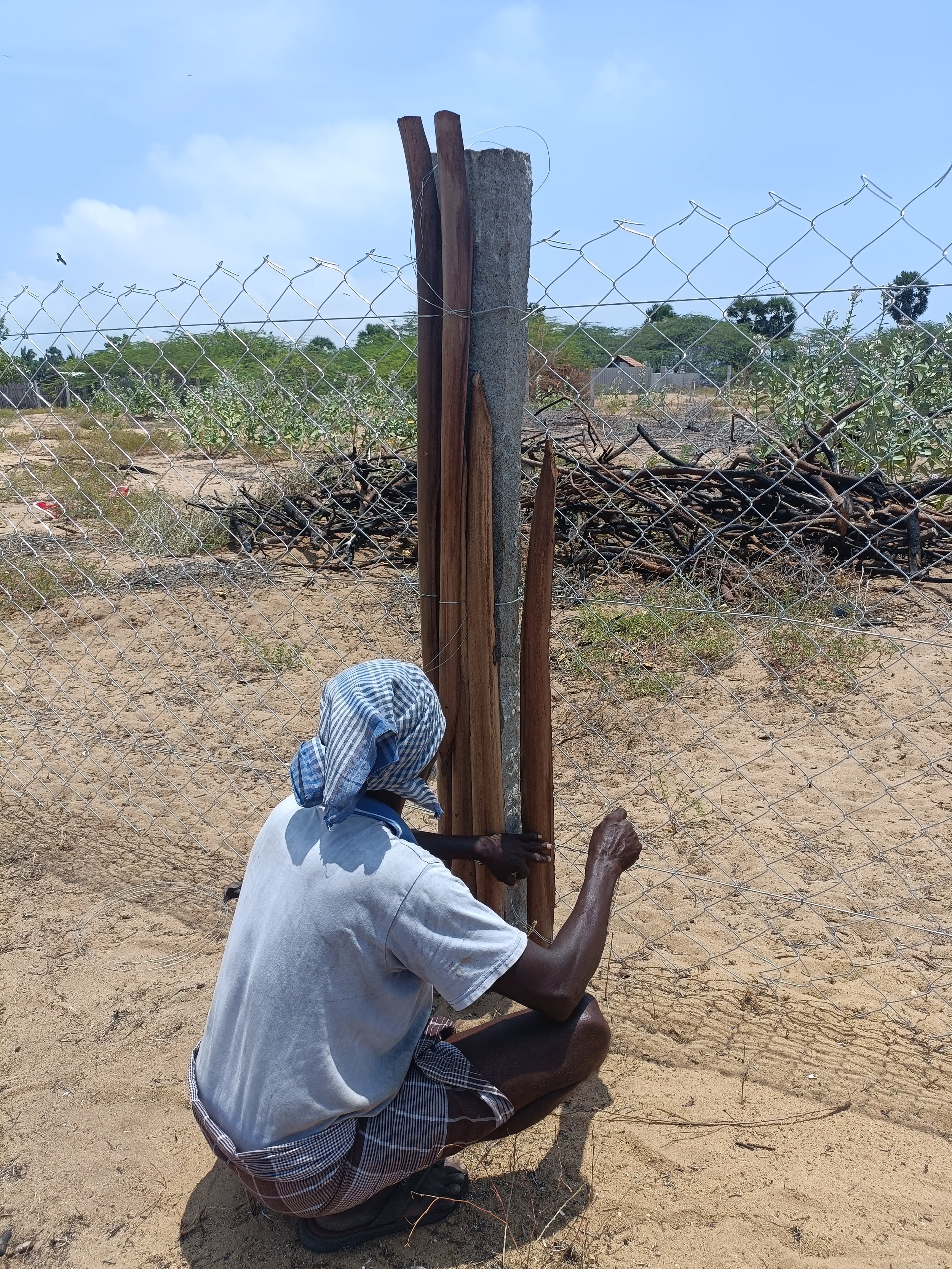
Fence demo
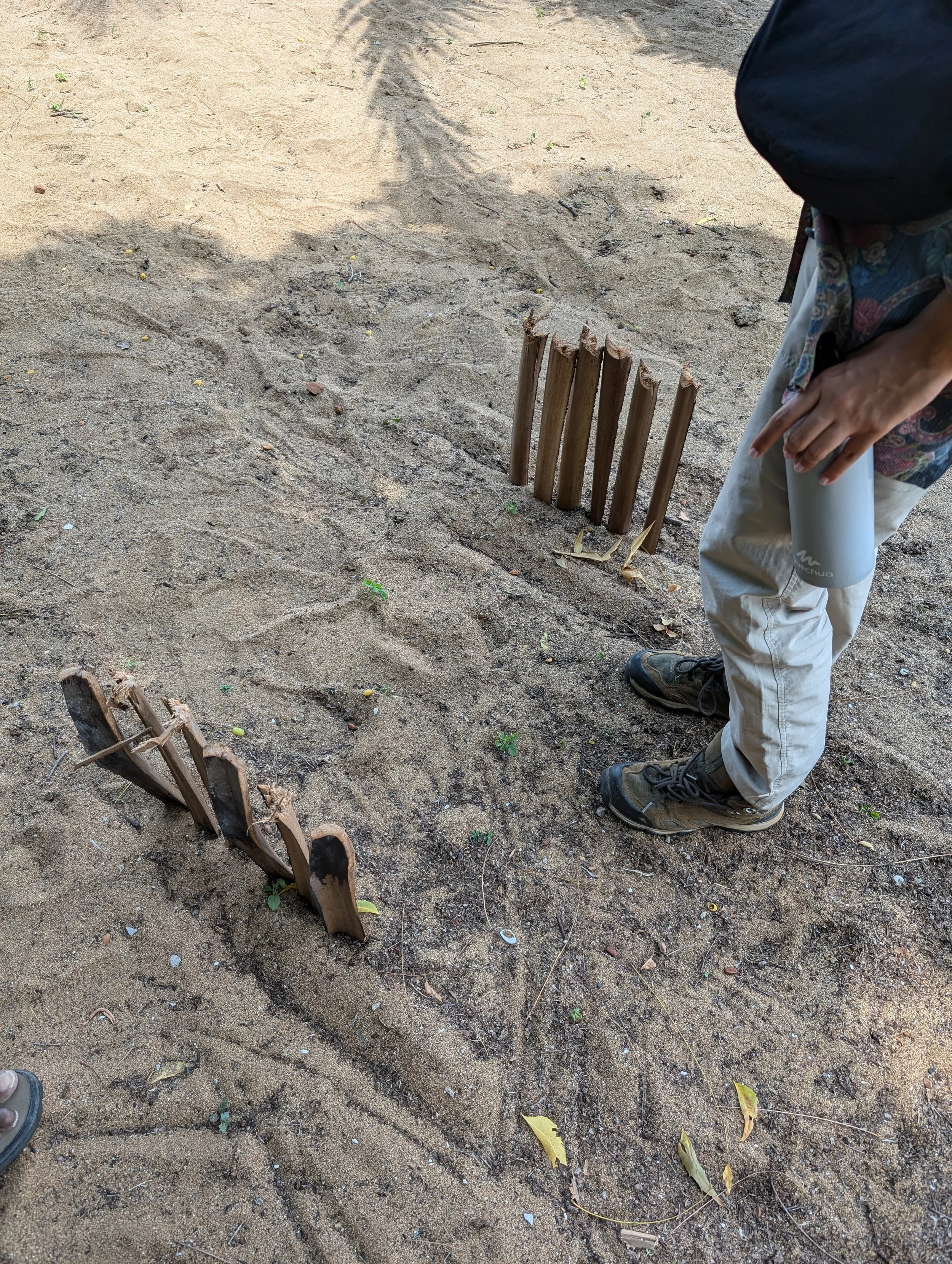
Testing out pathway formats
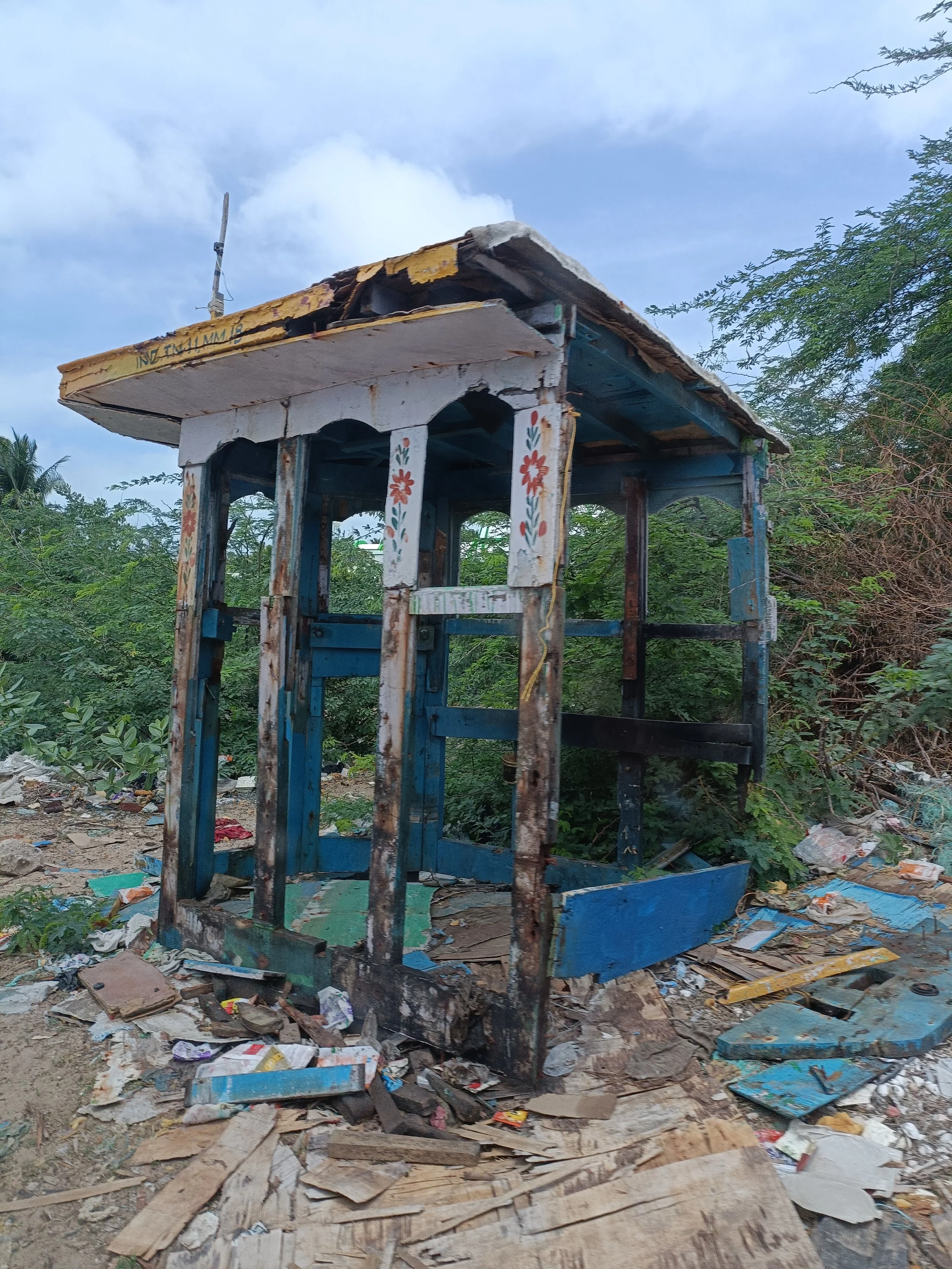
Abandoned boat wheelhouse
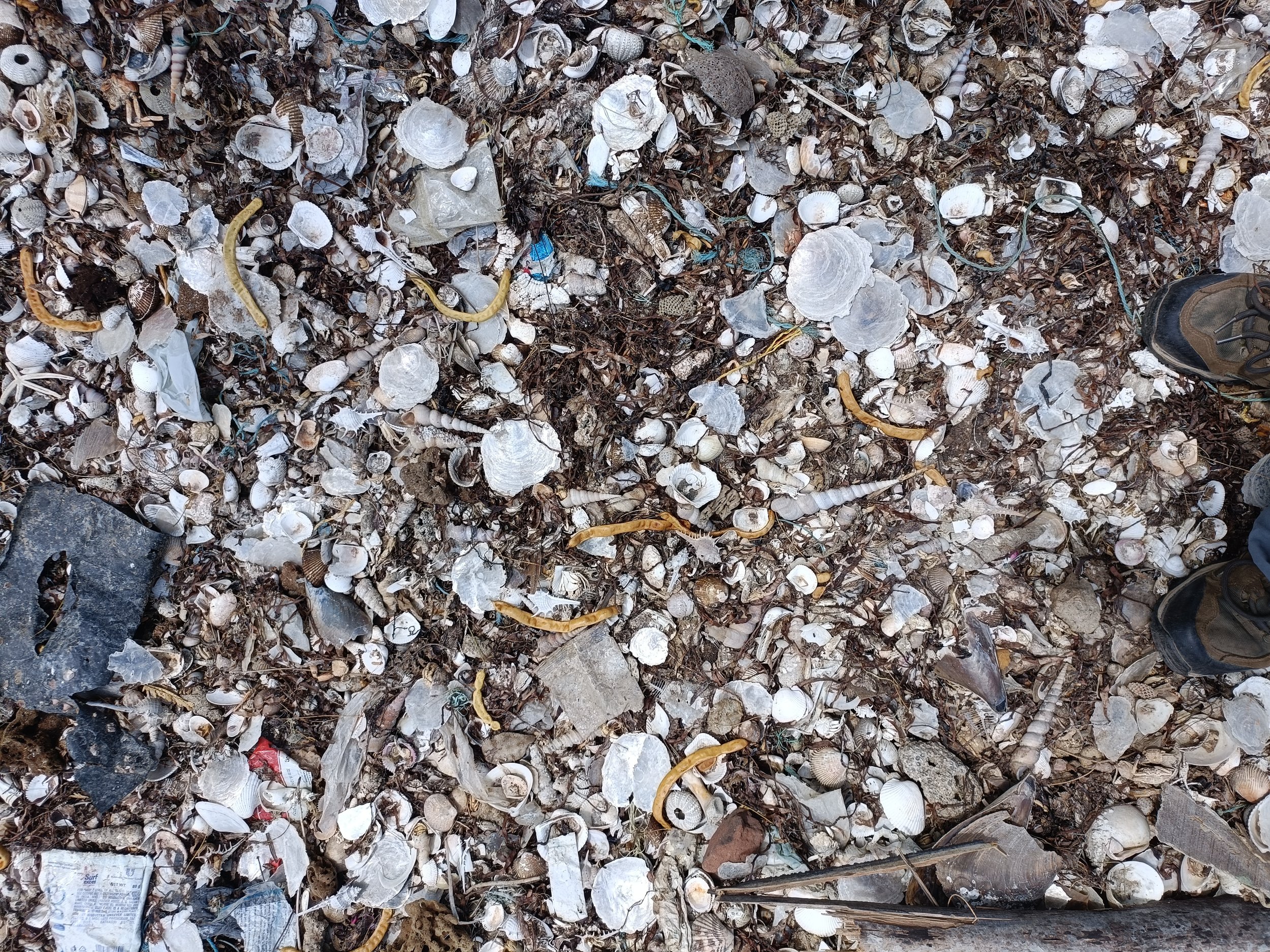
Mother-of-pearl bycatch
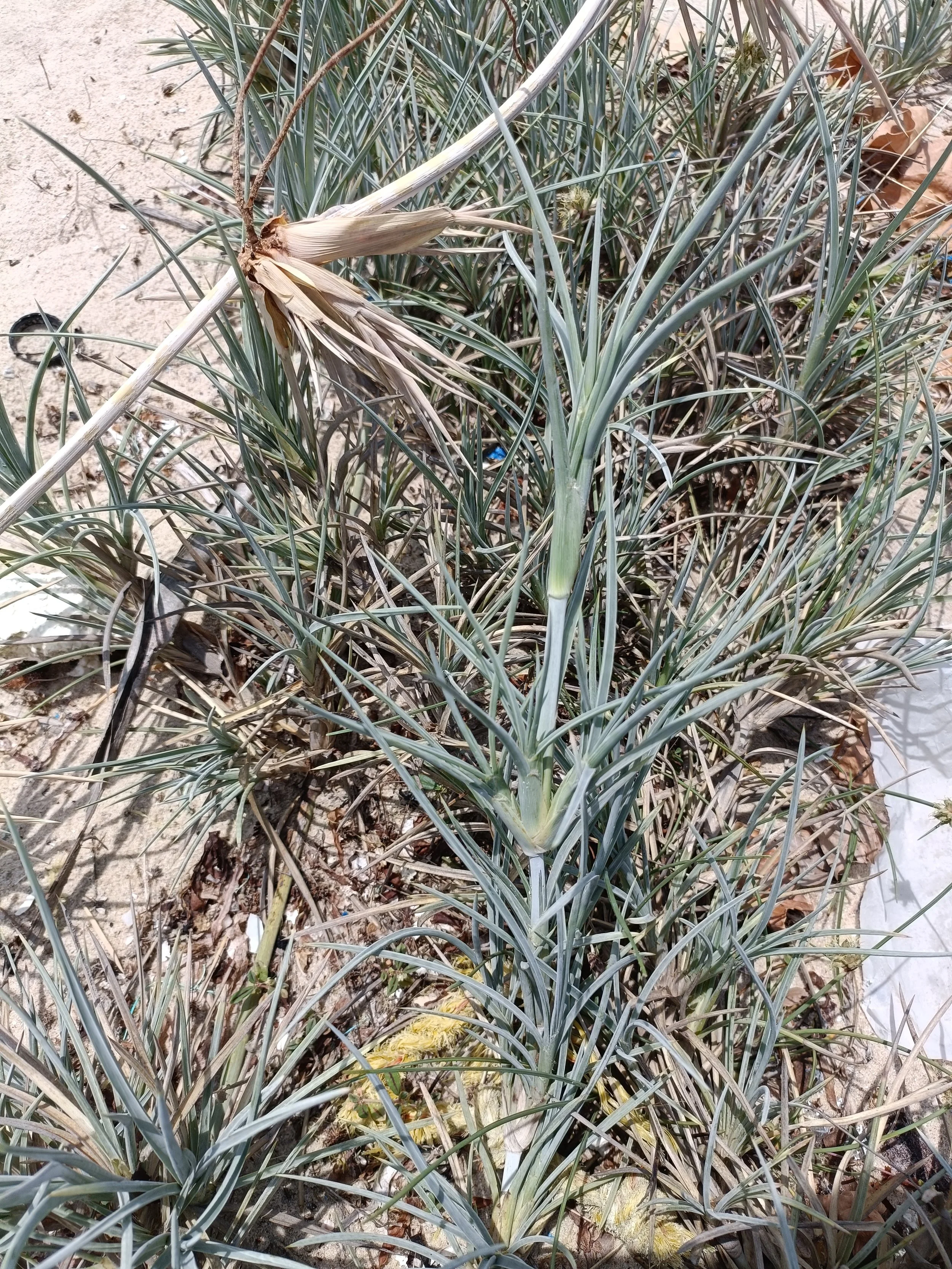
Spinifex for northern fence
Implementation guidance
Implementation was carried out over two focused one-week site visits, during which the core structure of the landscape was put in place. This phase included the mandala garden and vegetable beds, key planted zones, selected pathways and fencing, the wild zone, the mandala garden gazebo, the infiltration basin, cladding of the open well, and the first round of vegetable planting. Our team led the on-ground execution, while procurement and coordination were managed on site, with the remaining works carried forward after our visits.
A second phase is planned once the residence is complete. This will focus on introducing pollinator gardens, avenue planting, seagrass meadows, and further enriching both the food forest and the wild zone to build long term ecological diversity and resilience.
Implementation photos
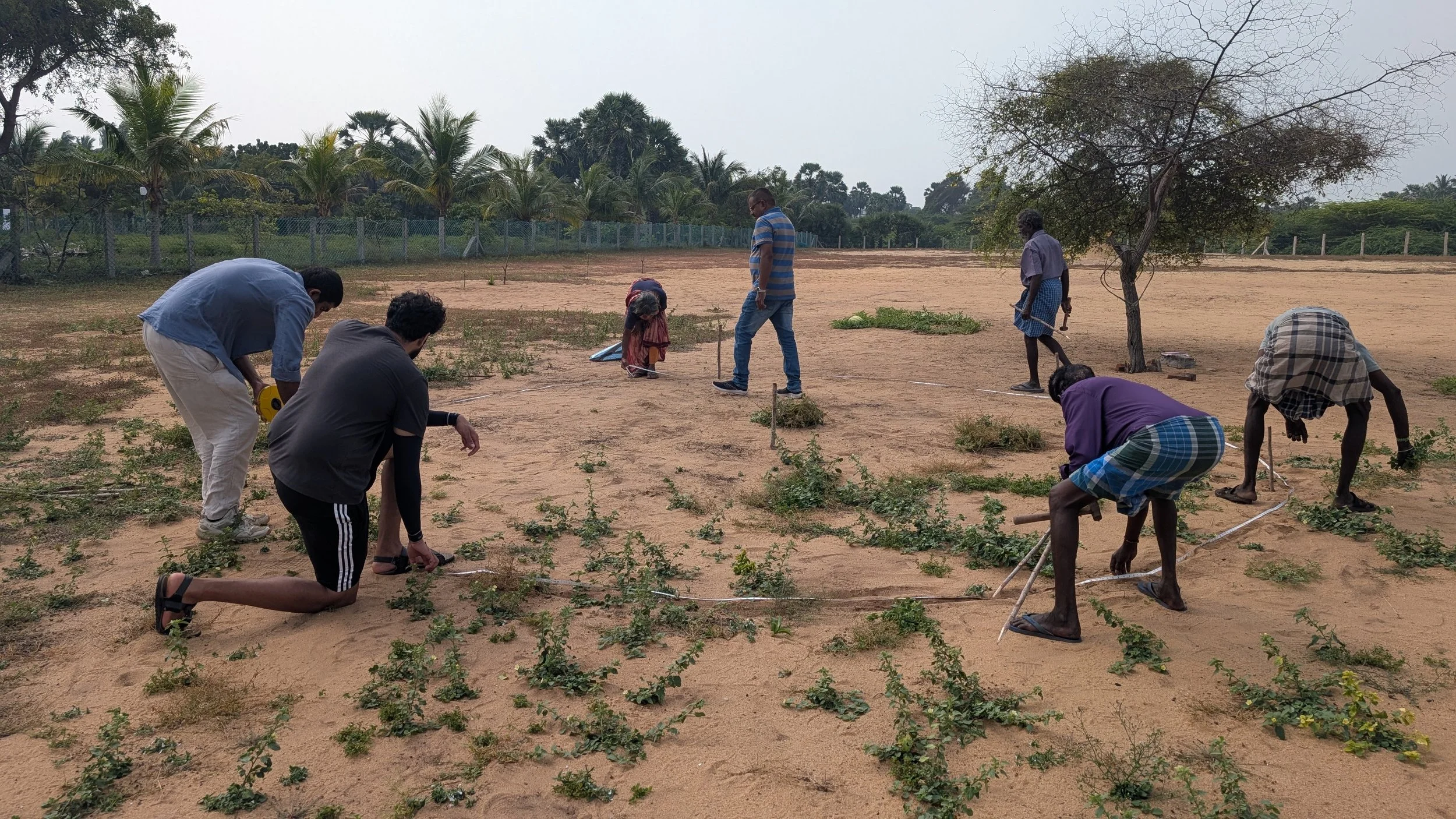
Visit 1 - Marking the mandala garden

Visit 1 - Veggie bed preparation
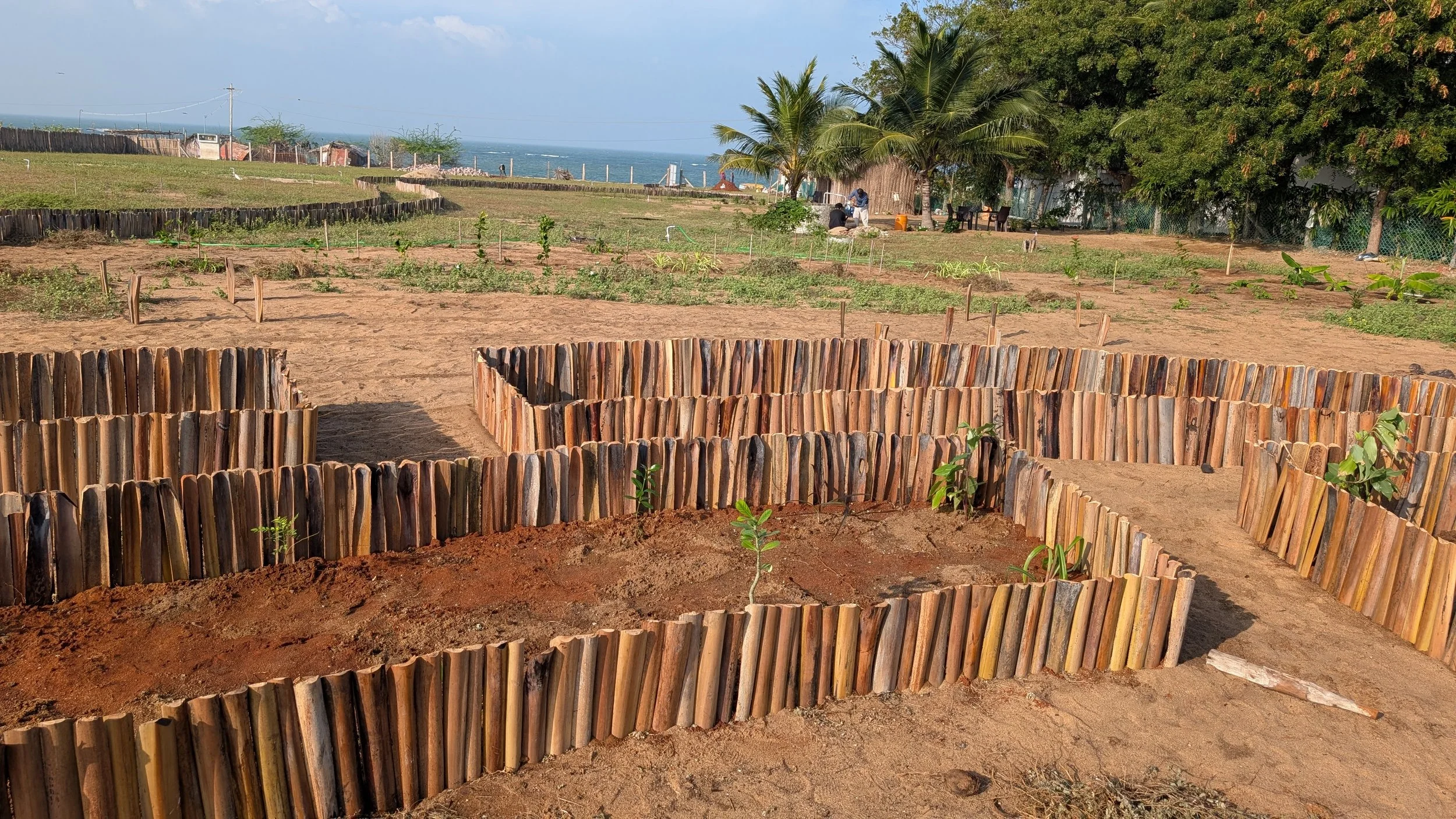
Visit 1 - Veggie beds planted
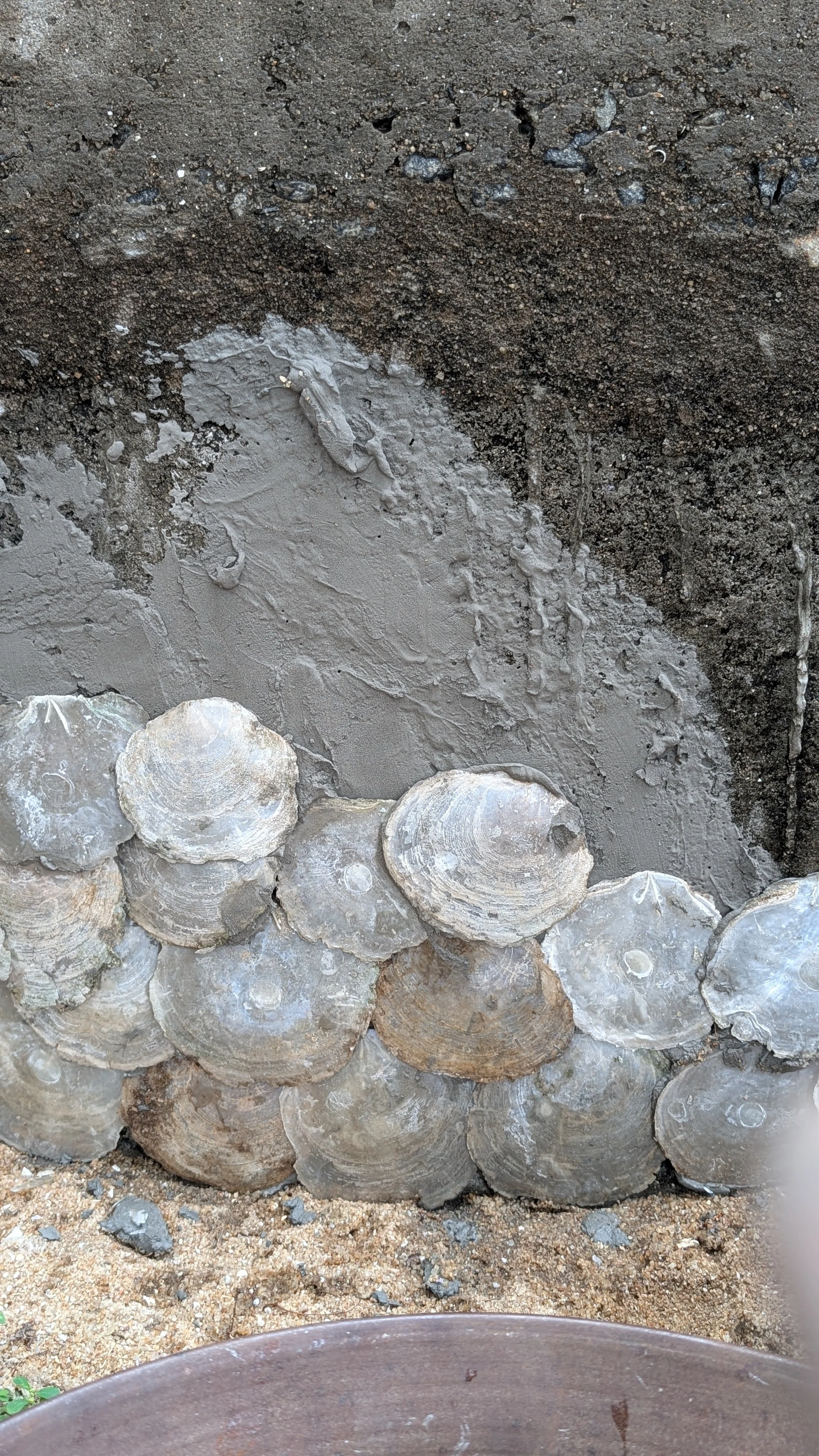
Visit 1 - Open well cladding
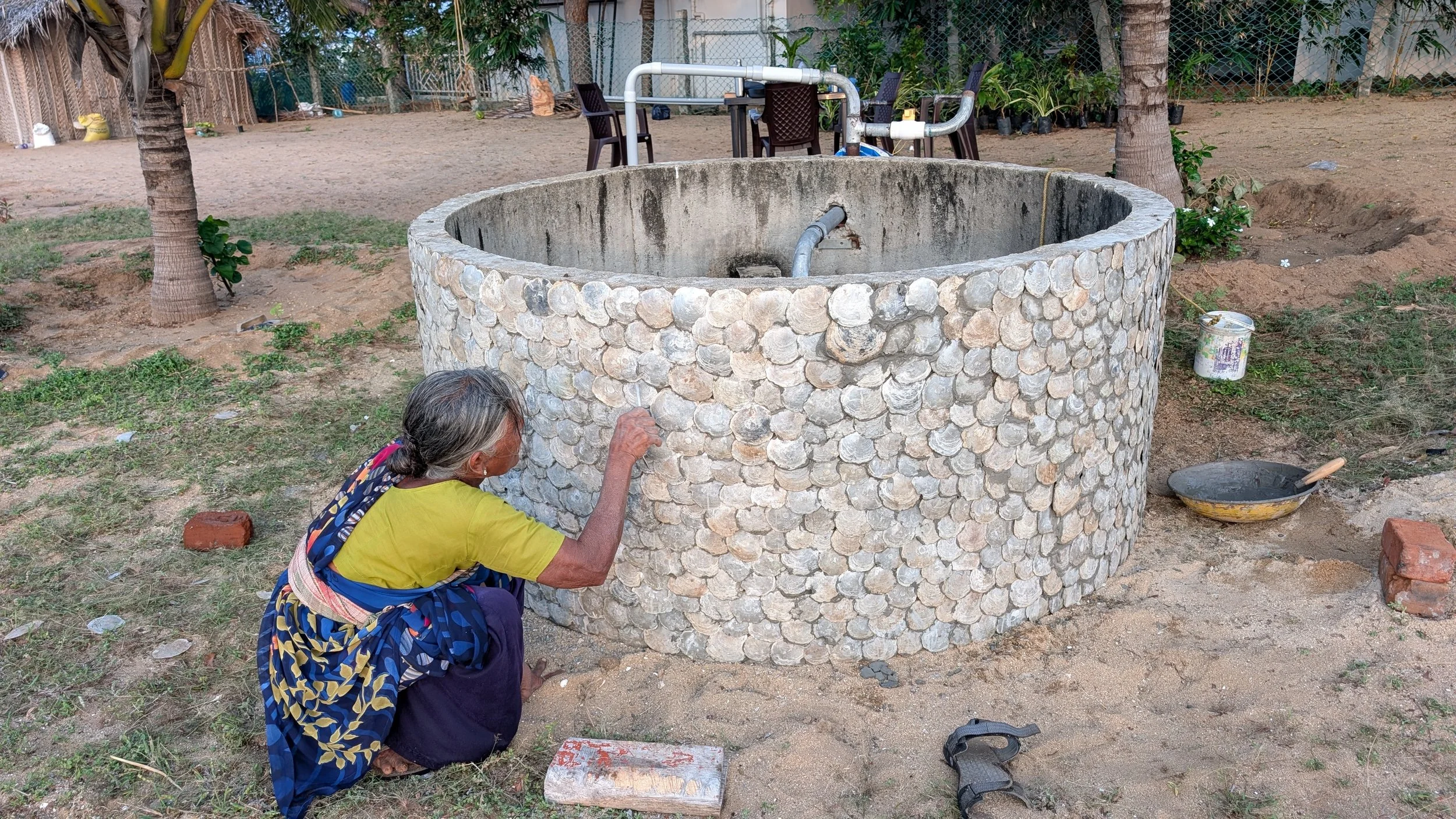
Visit 1 - Open well cladding
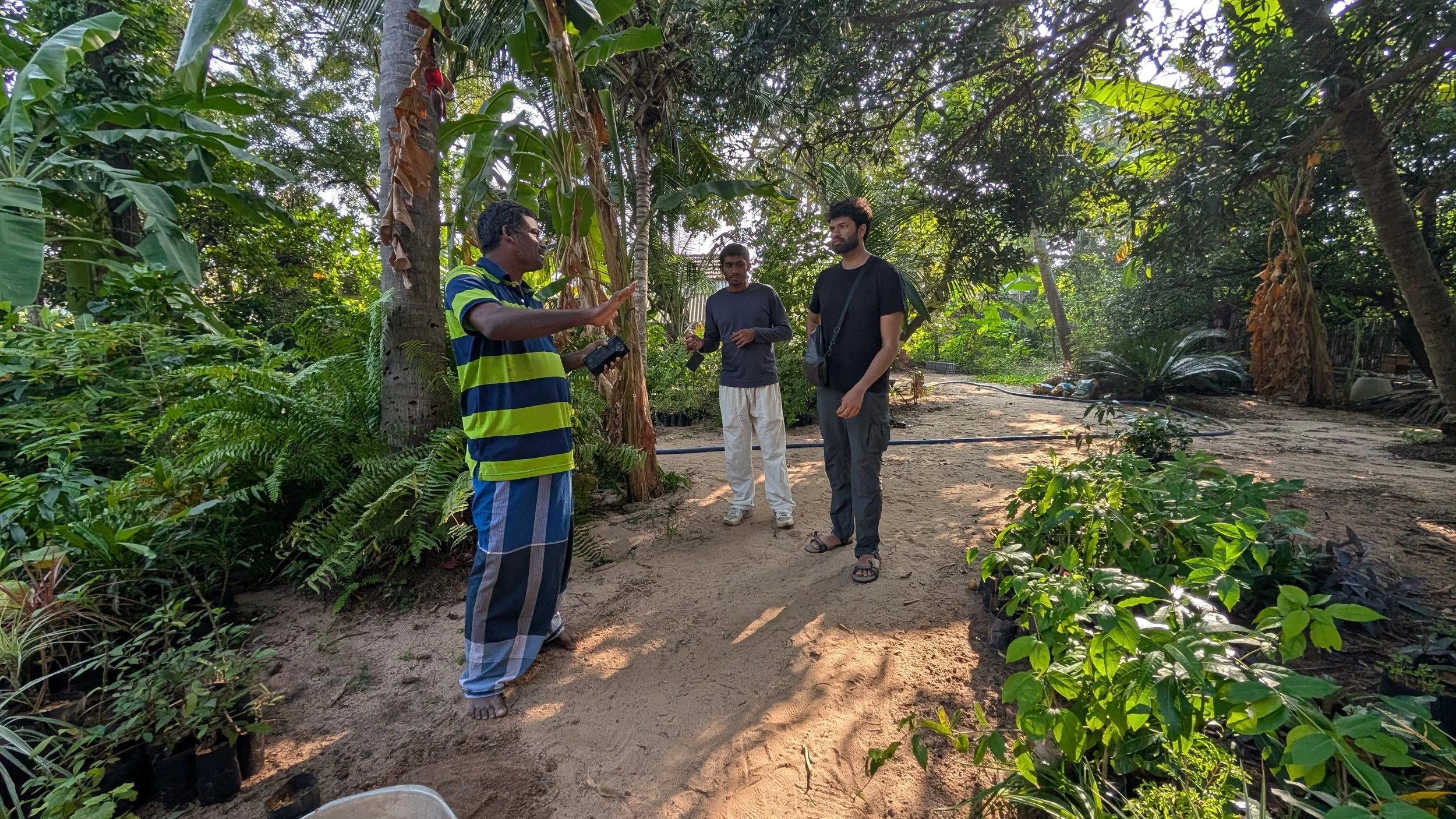
Visit 1 - Plant procurement
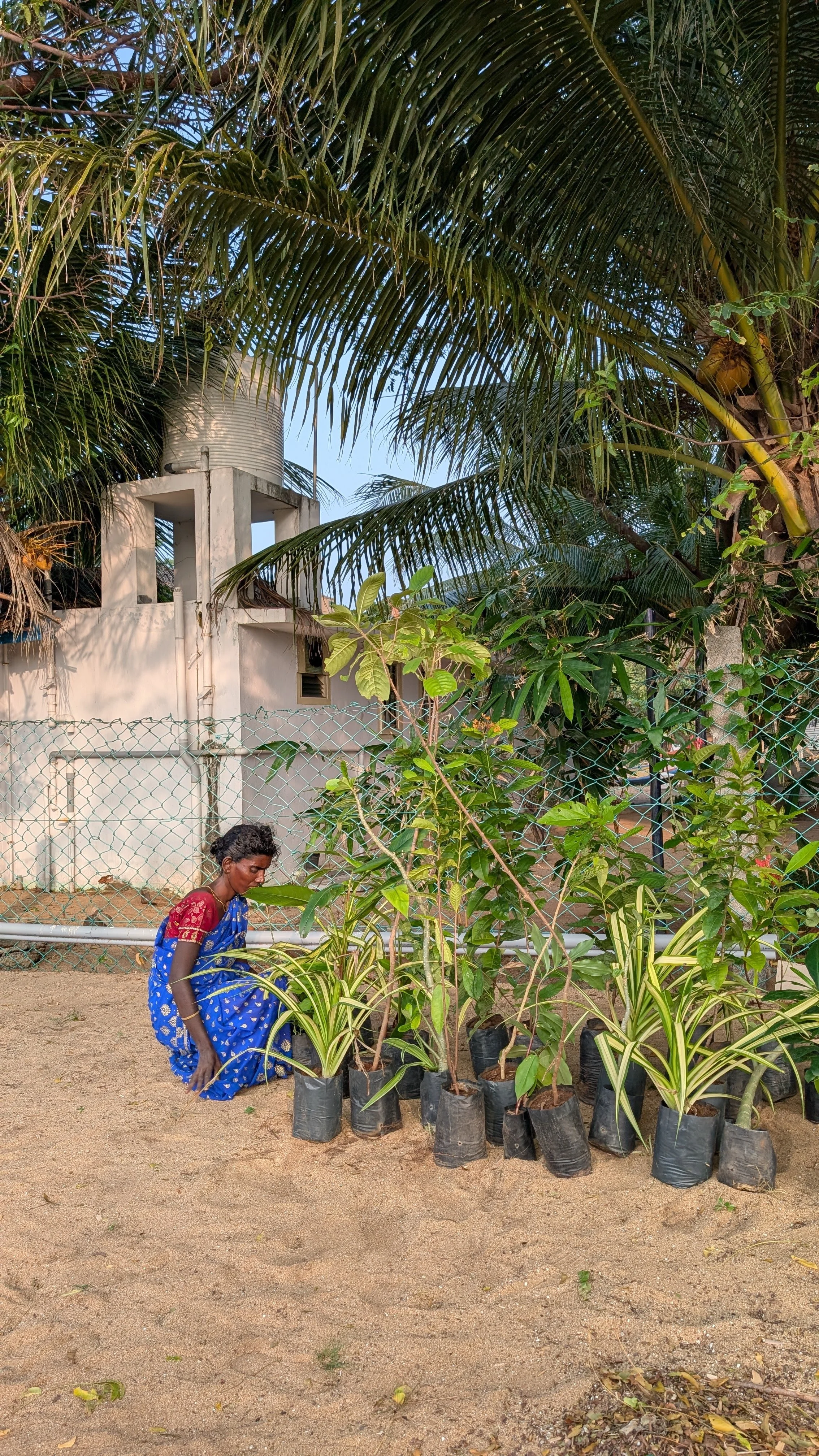
Visit 1 - Sorting species
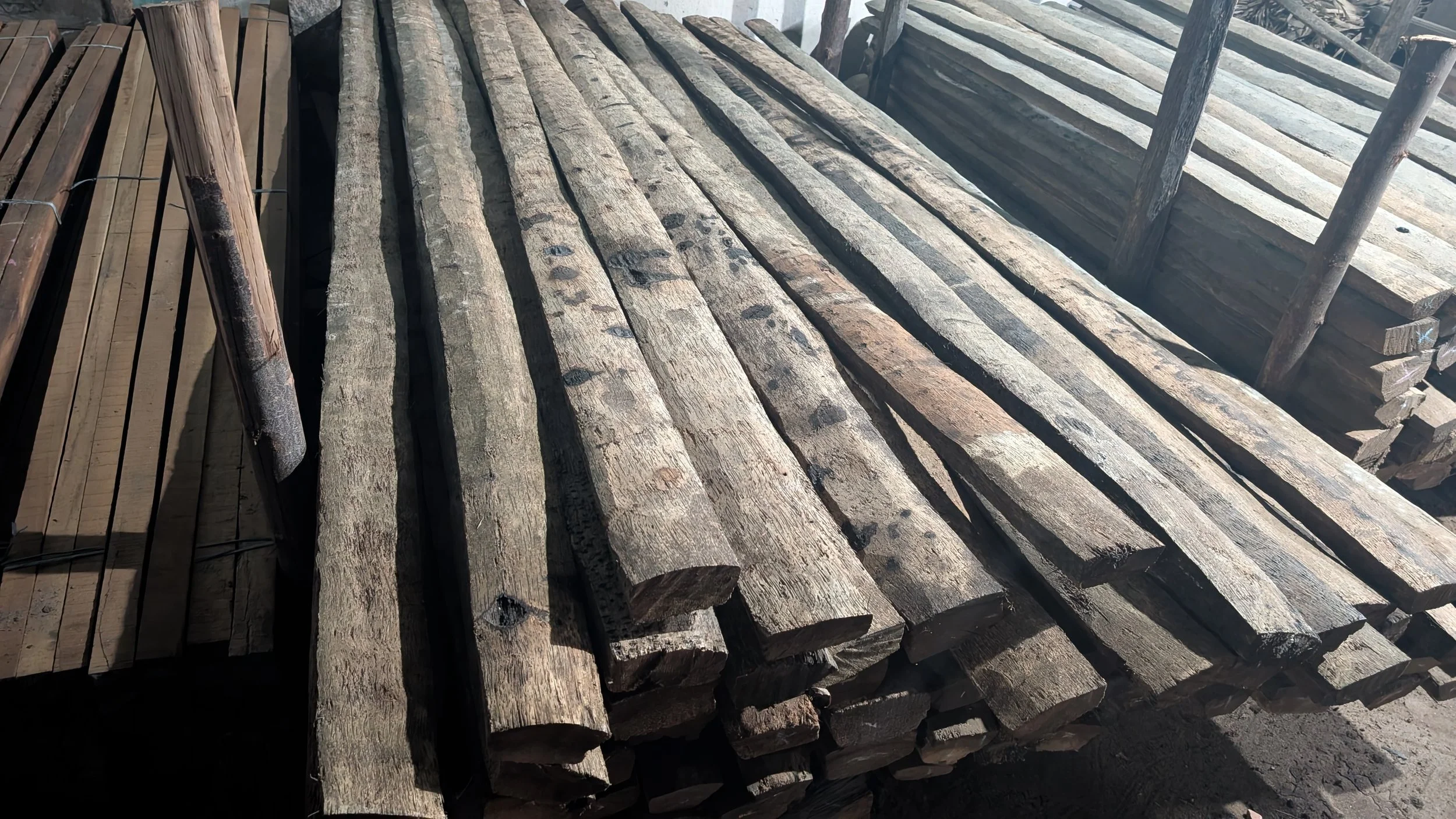
Visit 1 - Material selection for gazebo
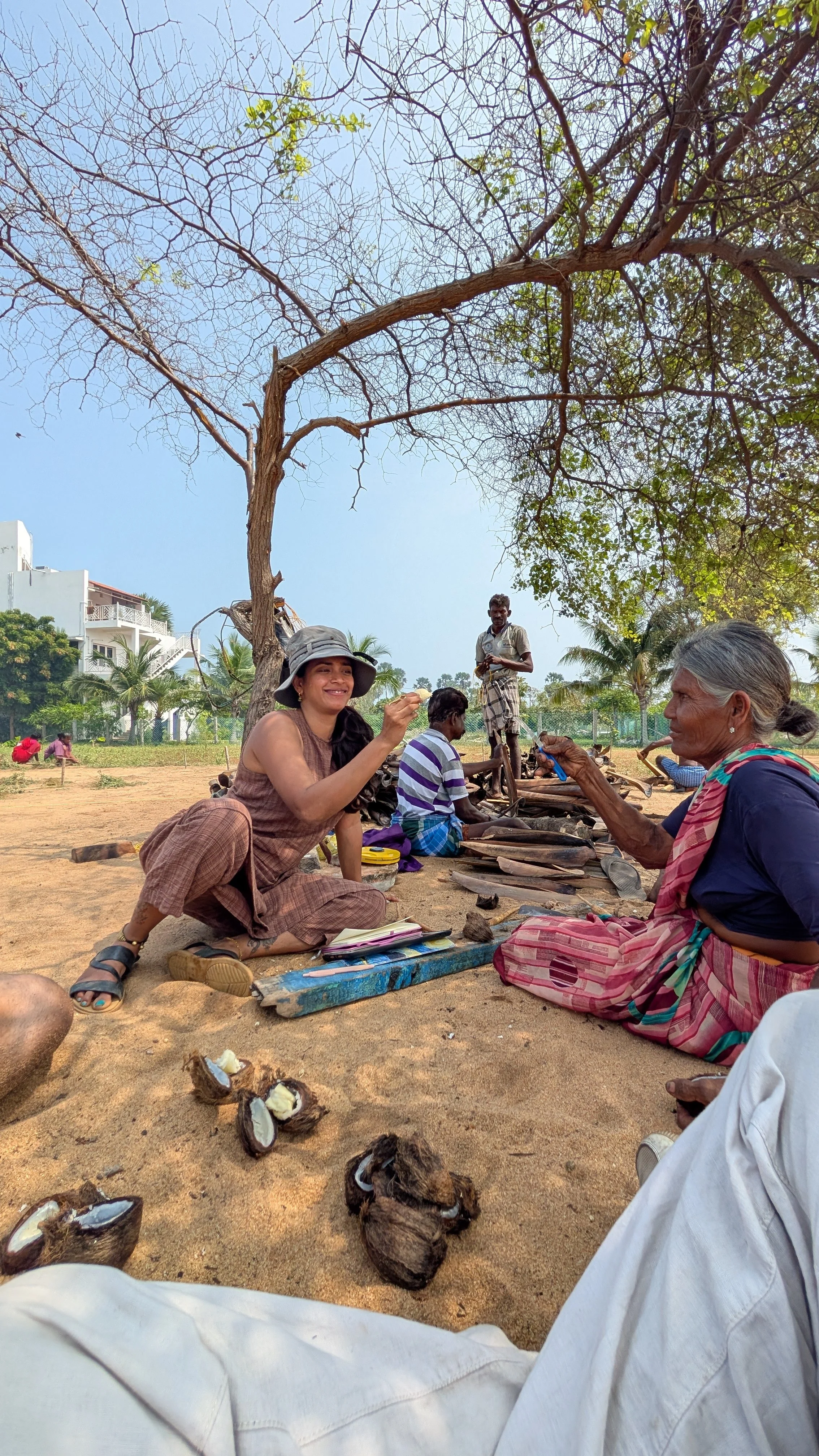
Visit 1 - Enjoying some Borassus sprouts
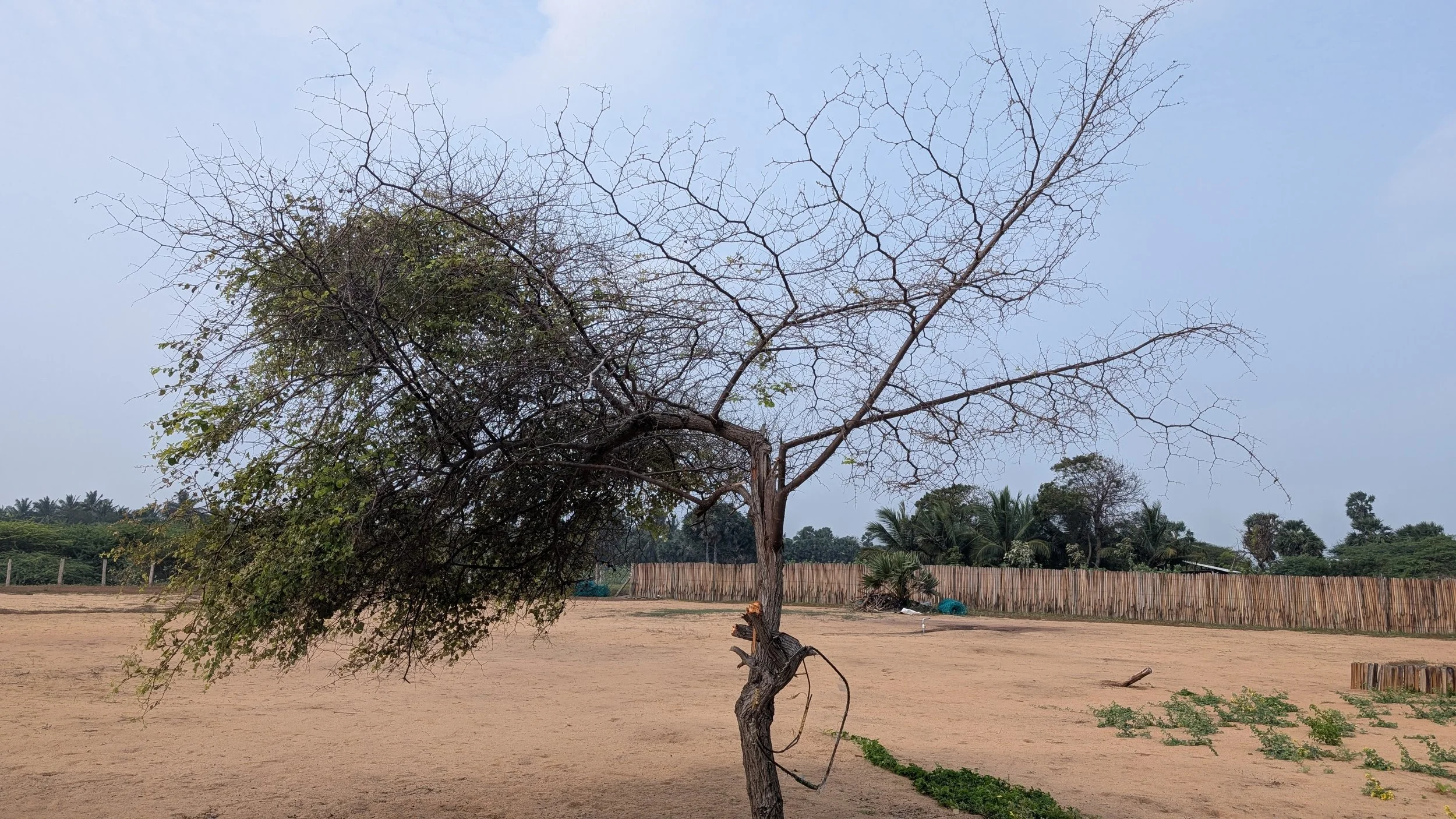
Visit 1 - The effect of salty sea breeze
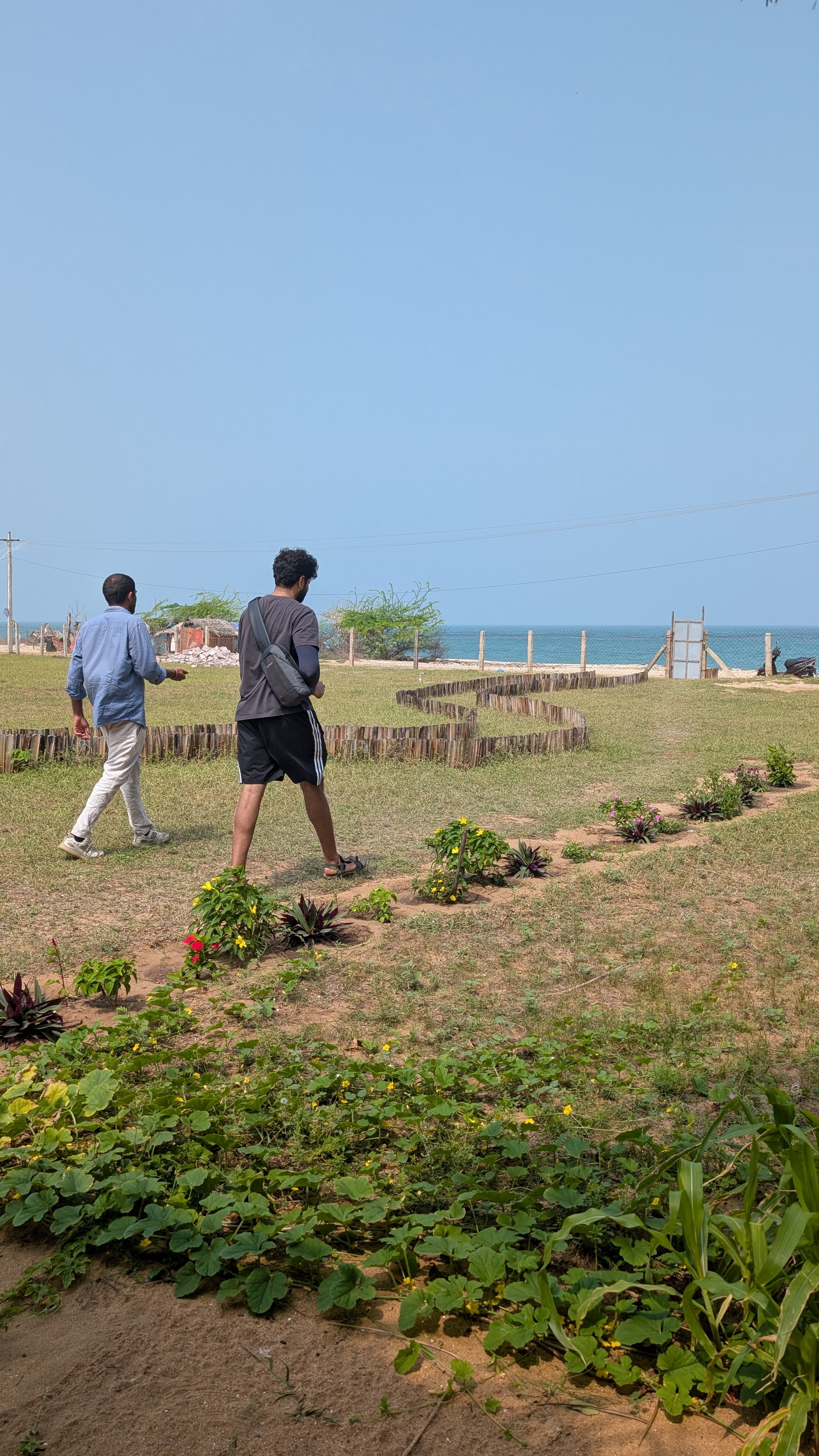
Visit 1 - Caretaker's garden
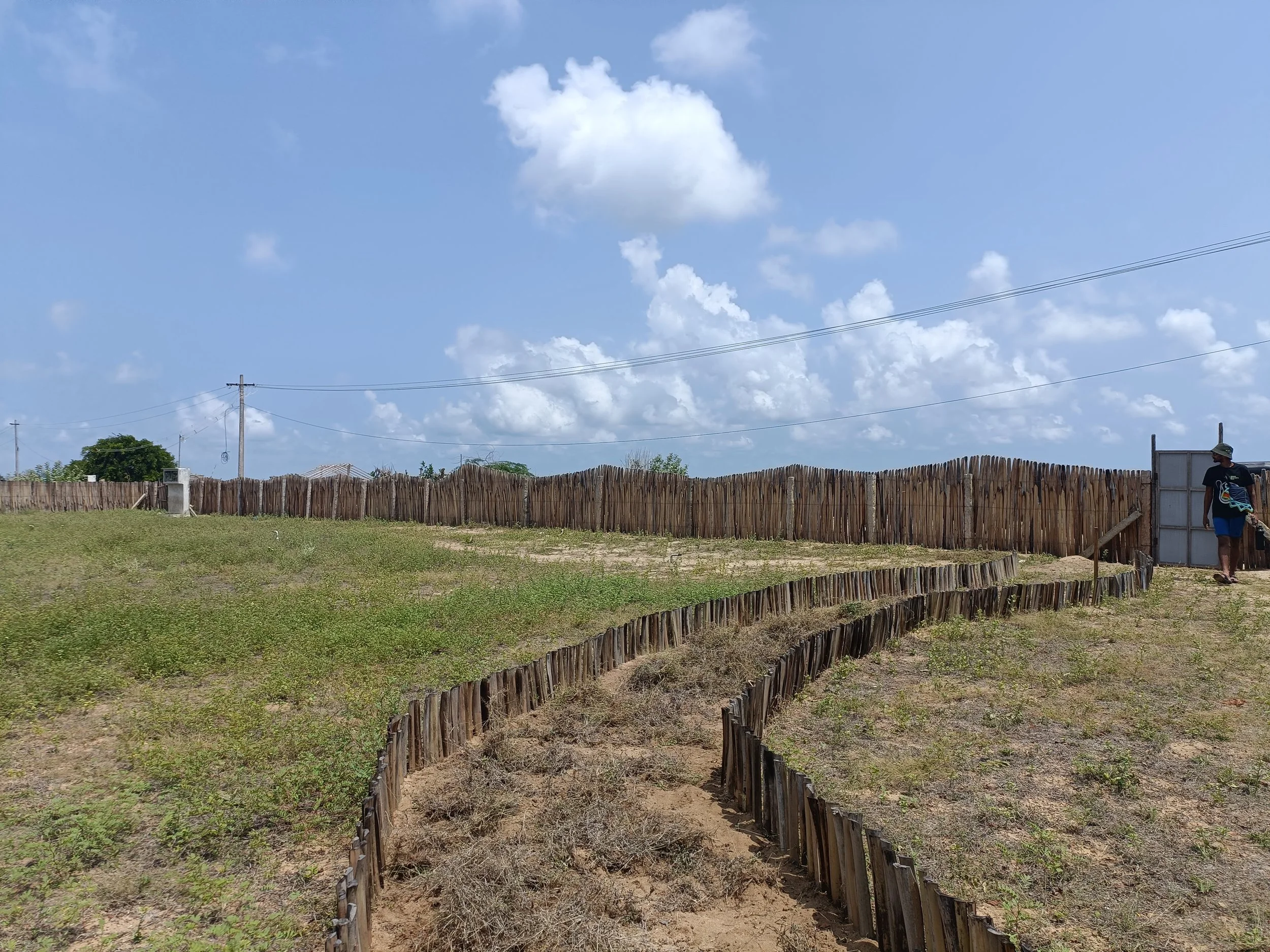
Visit 2 - Borassus pathways and northern fence
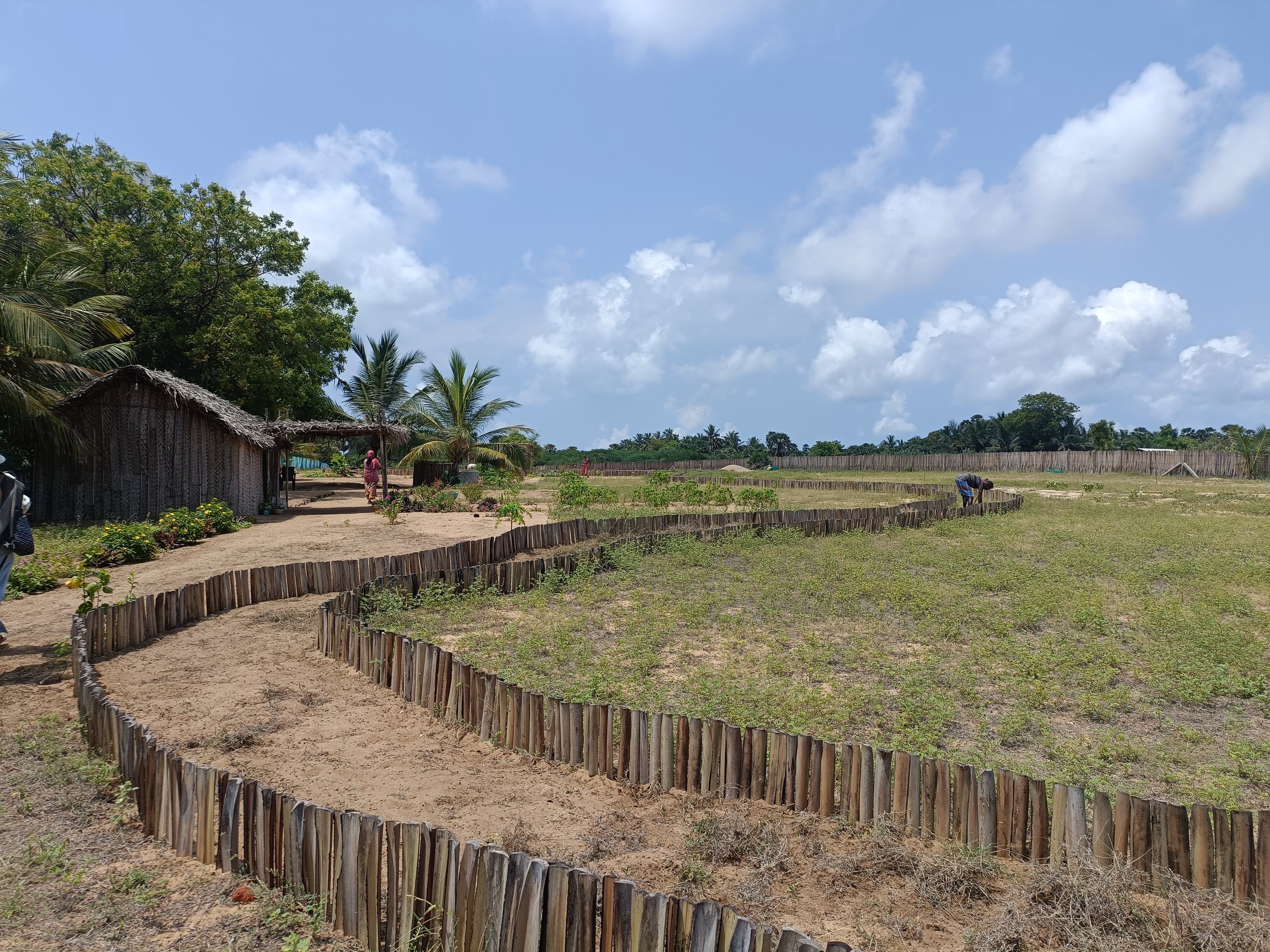
Visit 2 - Borassus pathways
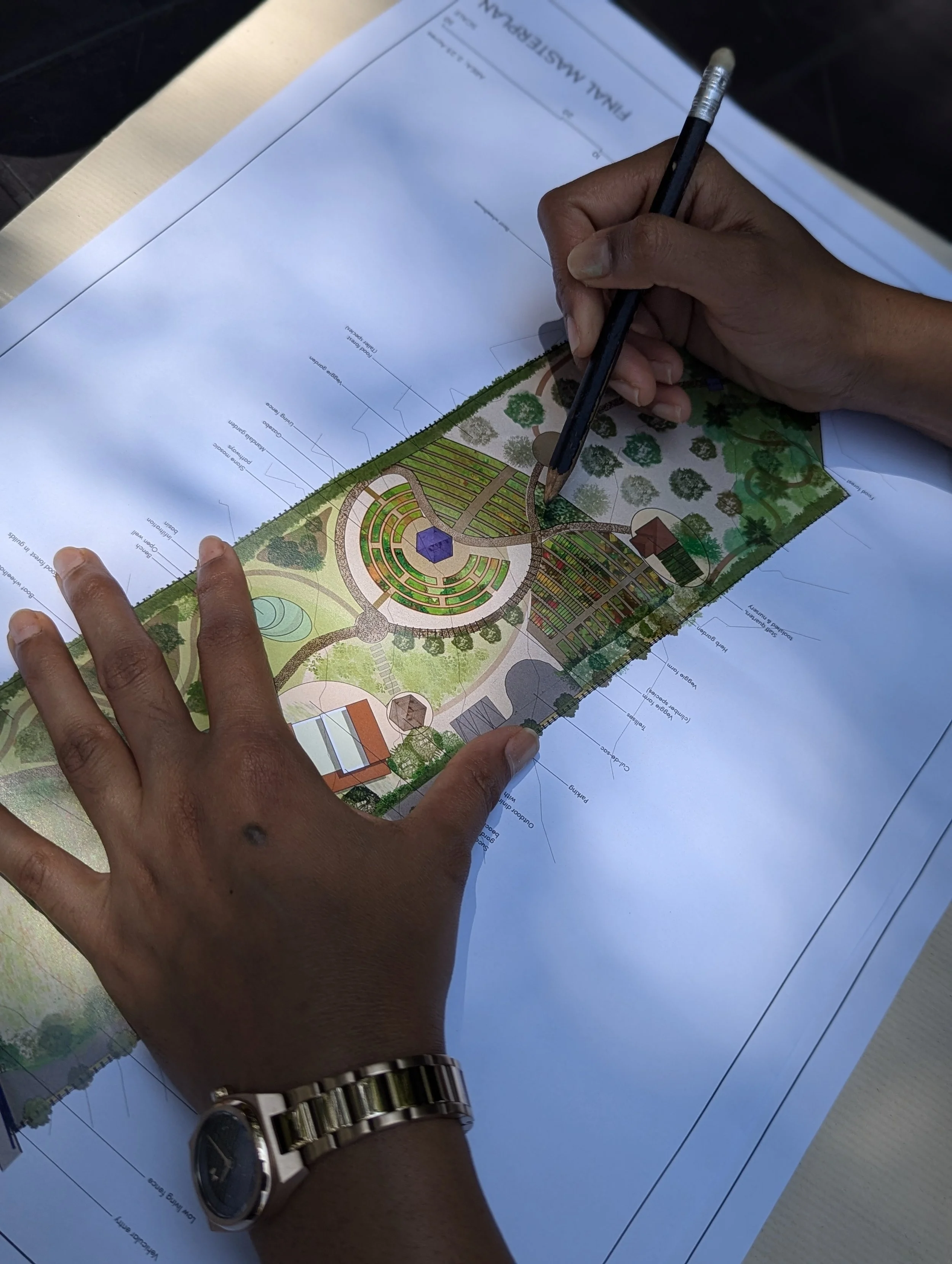
Visit 2 - Planning steps on ground
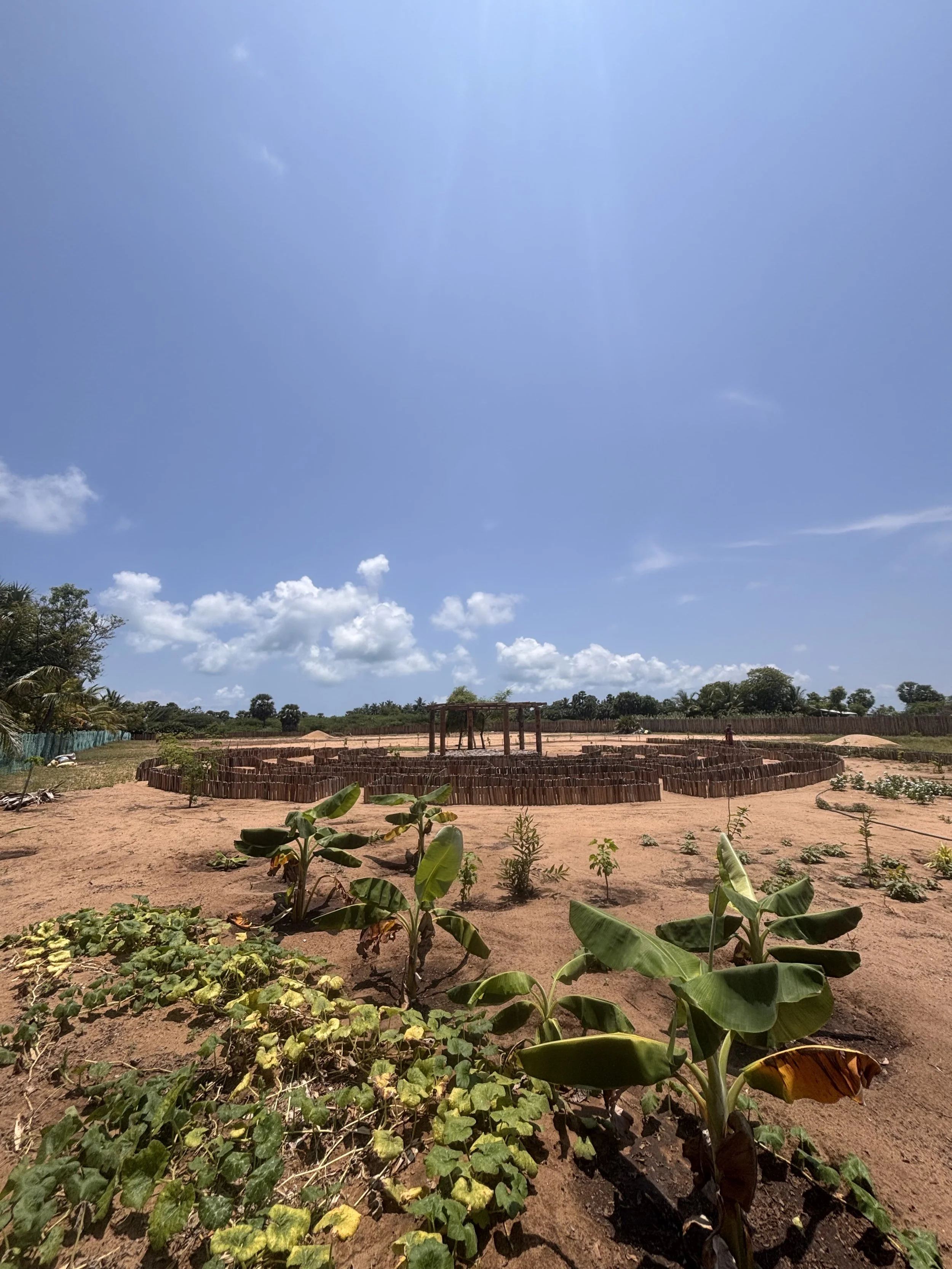
Visit 2 - Saplings planted between visits

Visit 2 - Cladded open well
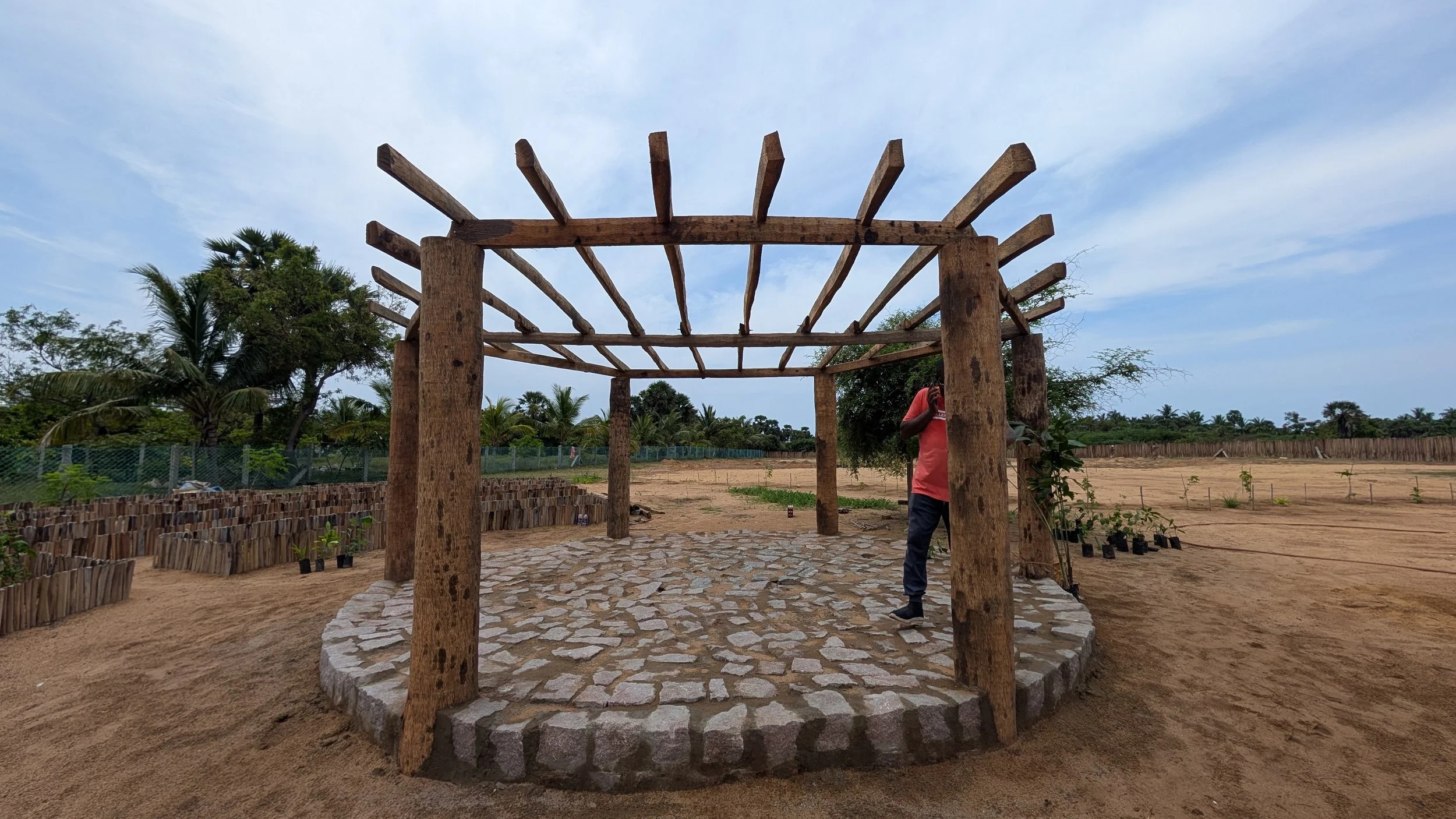
Visit 2 - Constructed gazebo
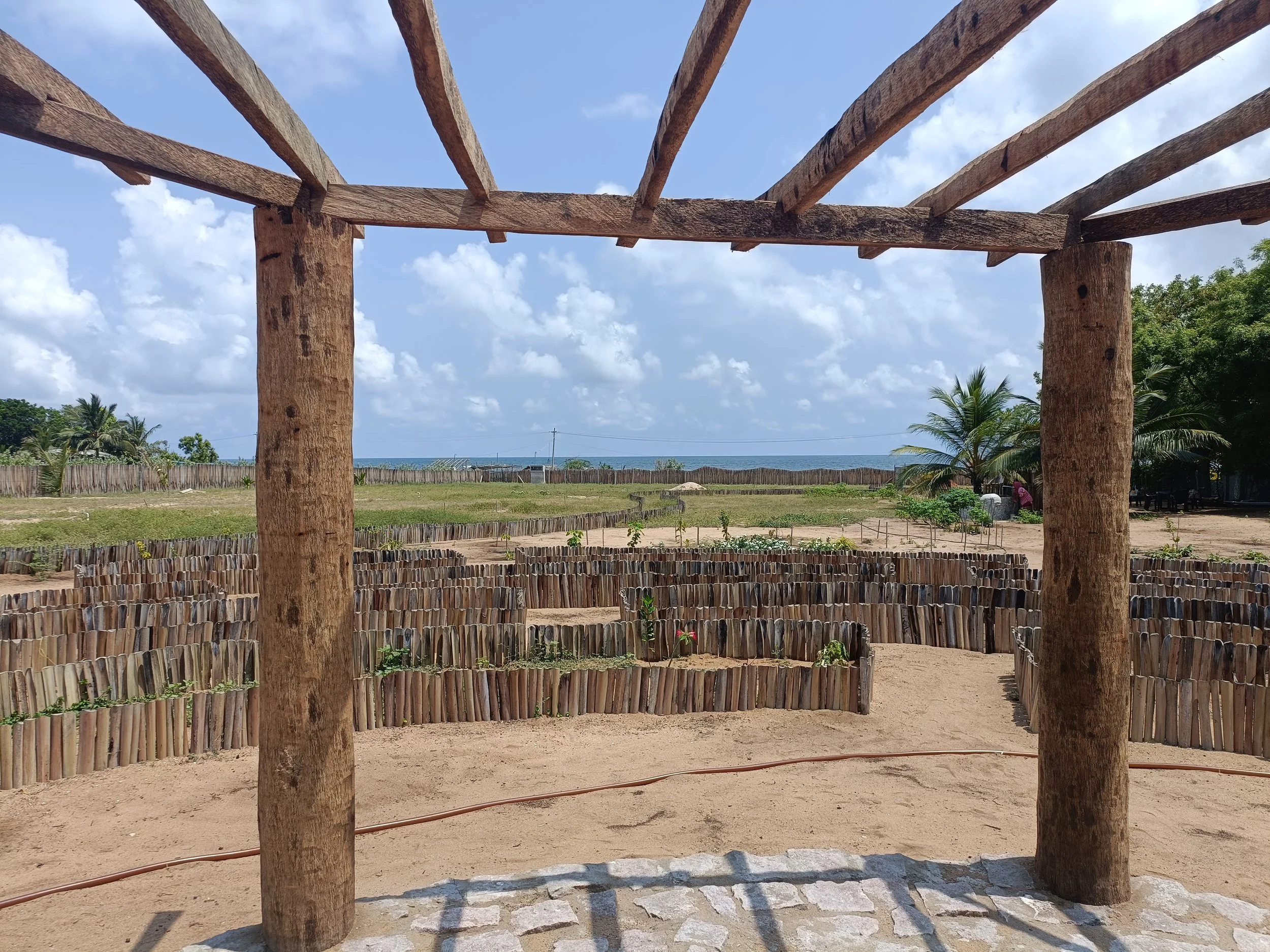
Visit 2 - View of Bay from gazebo
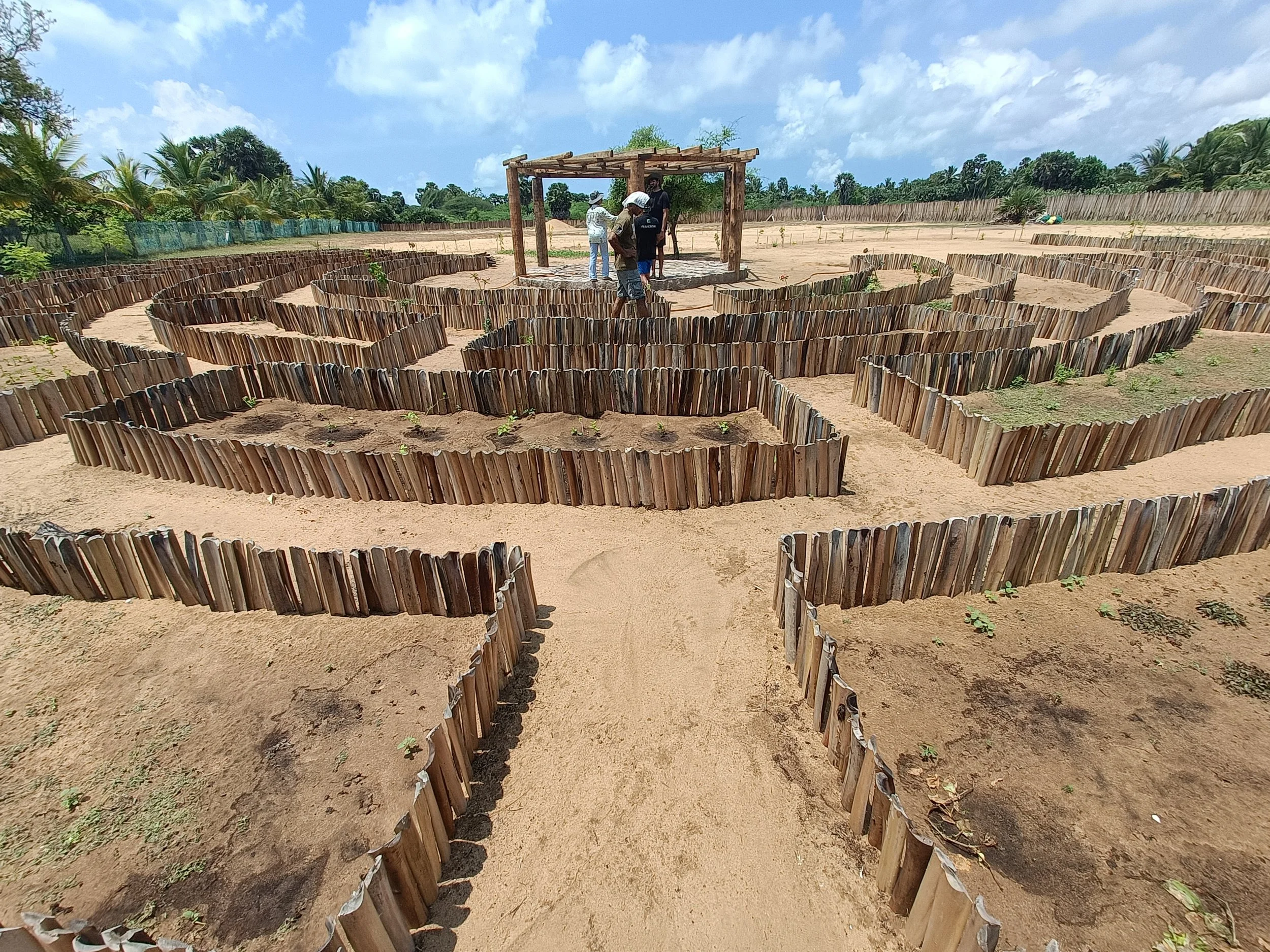
Visit 2 - Gazebo and mandala garden
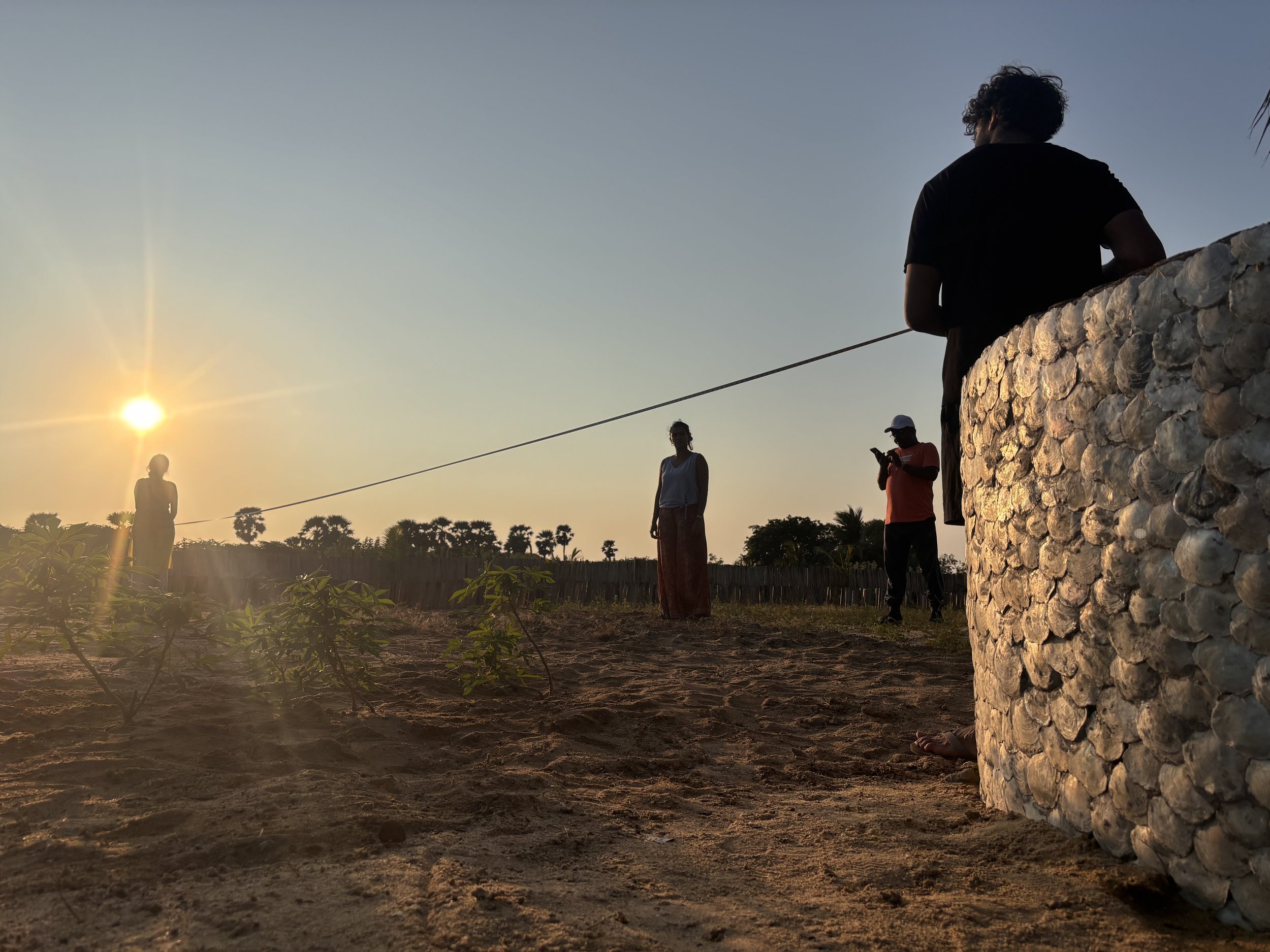
Visit 2 - Marking infiltration basin
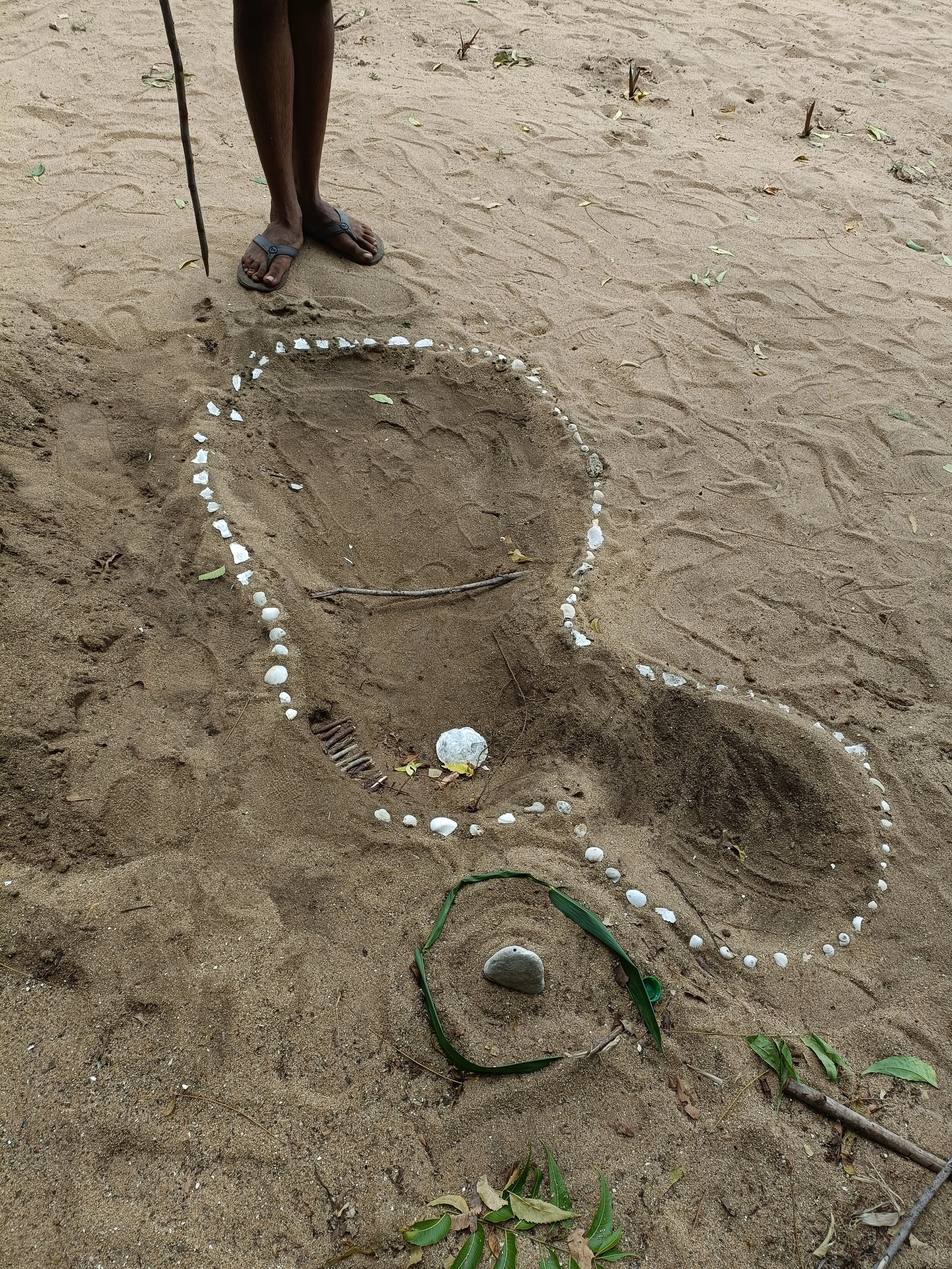
Visit 2 - Infiltration basin prototype
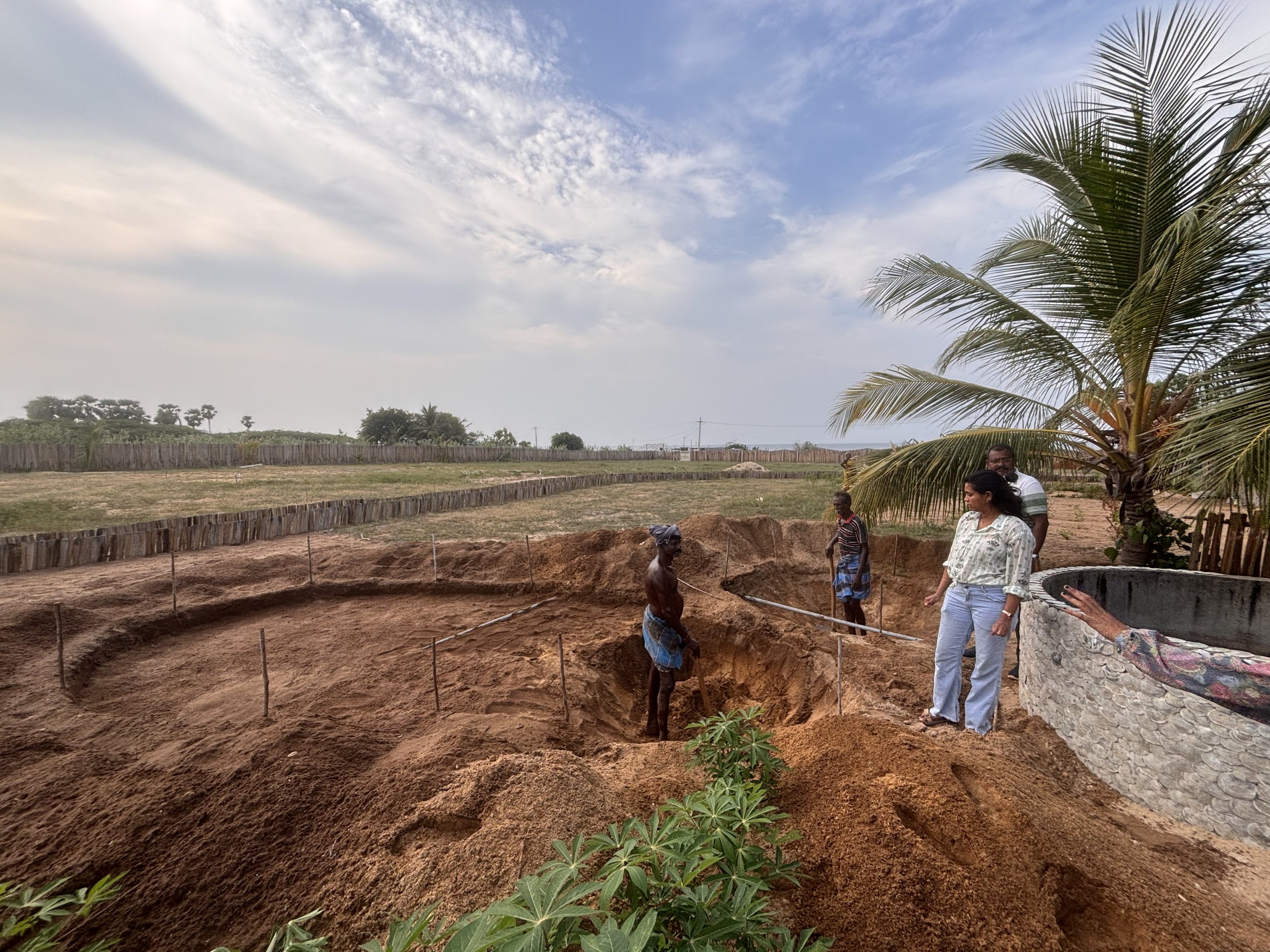
Visit 2 - Infiltration basin
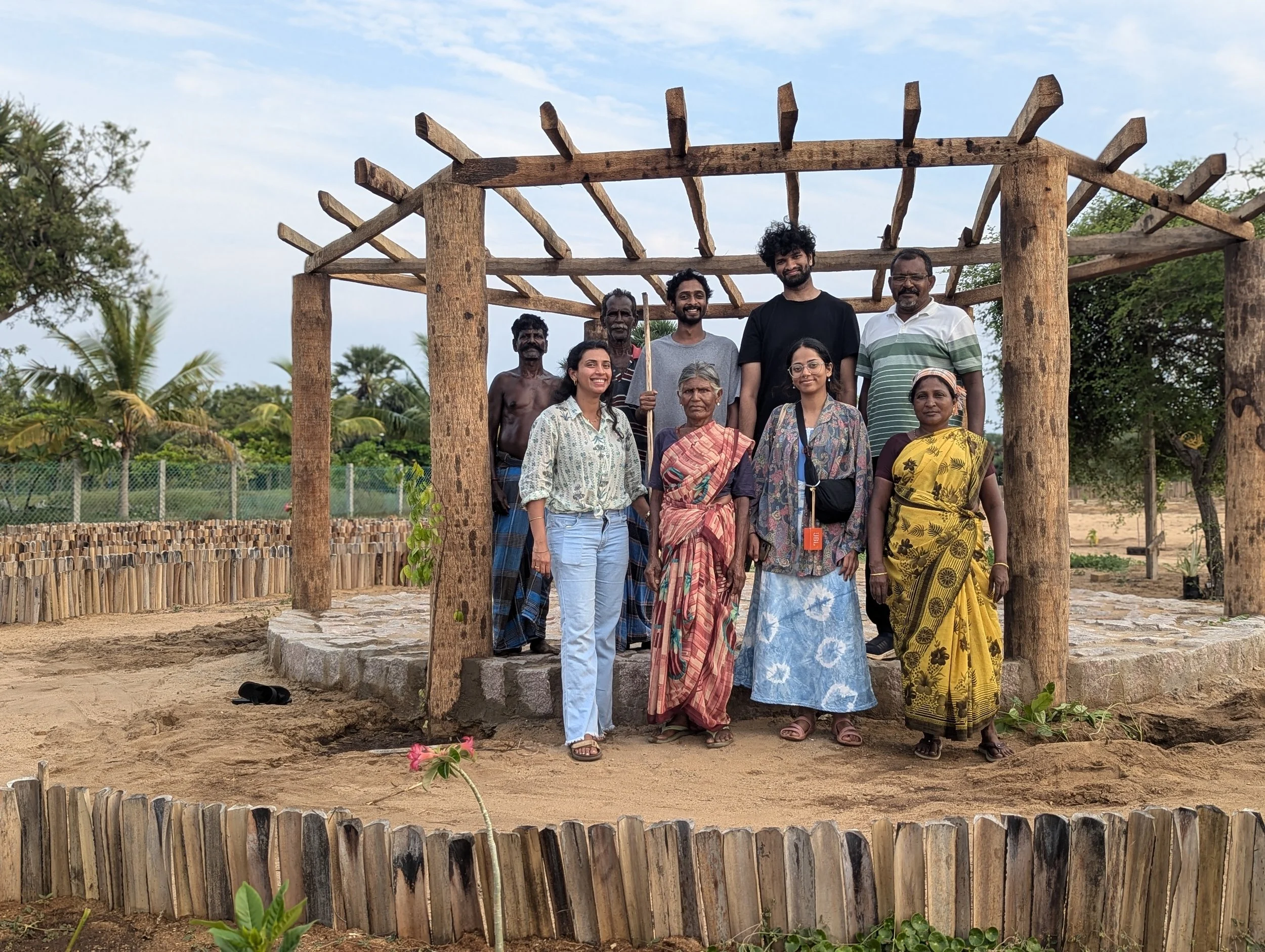
Visit 2 - Site team
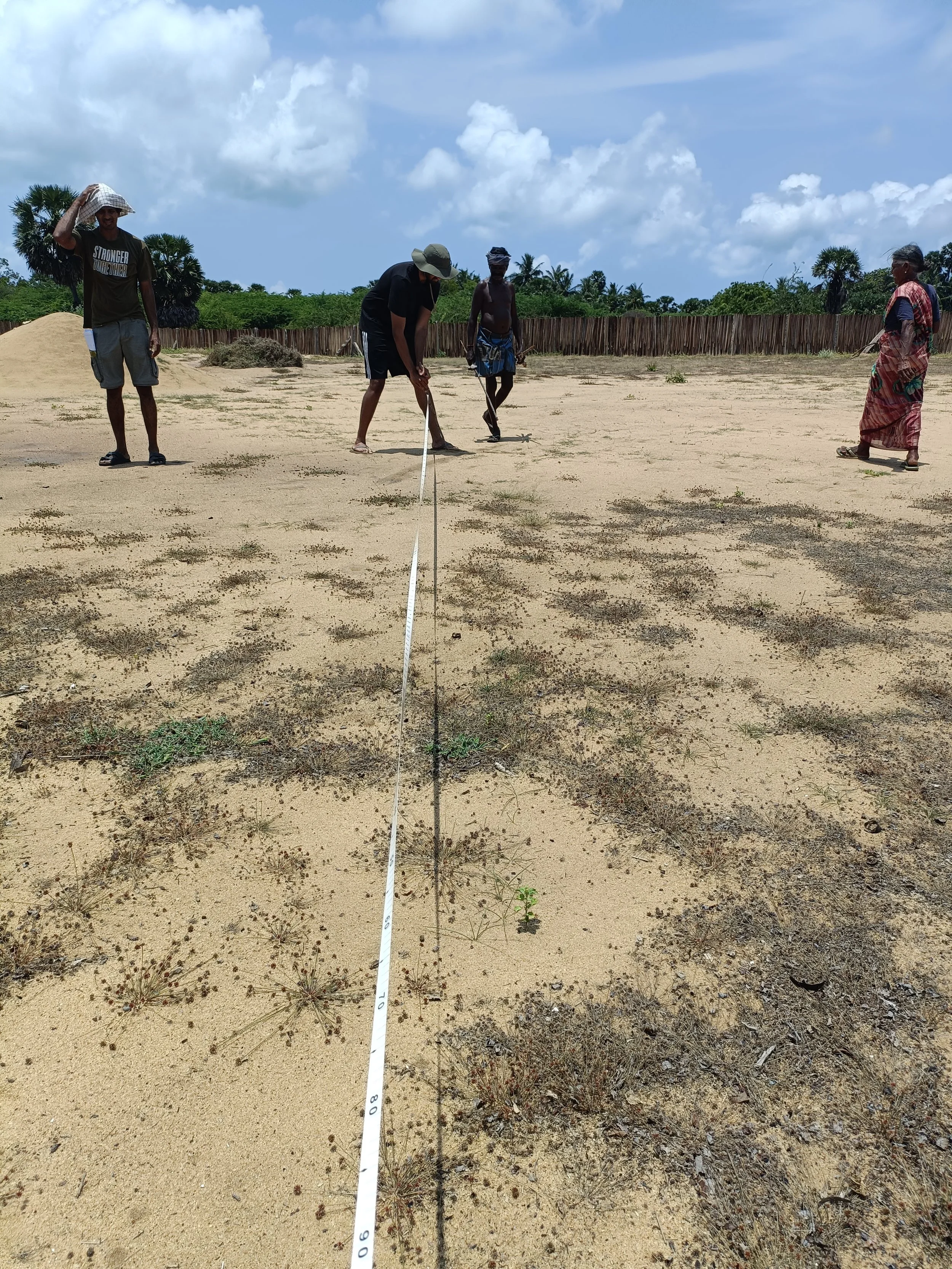
Visit 2 - Marking food forest
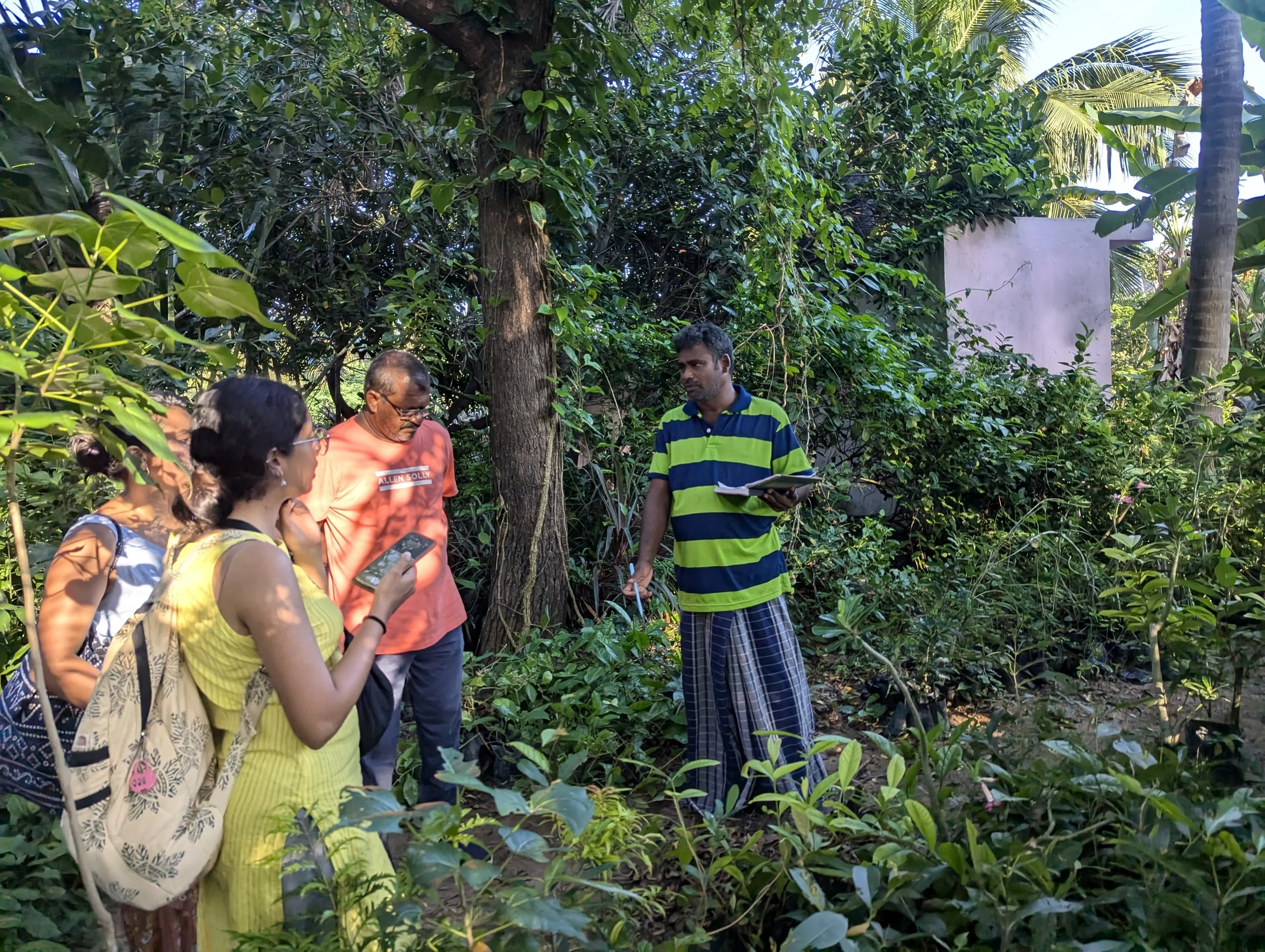
Visit 2 - Plant procurement
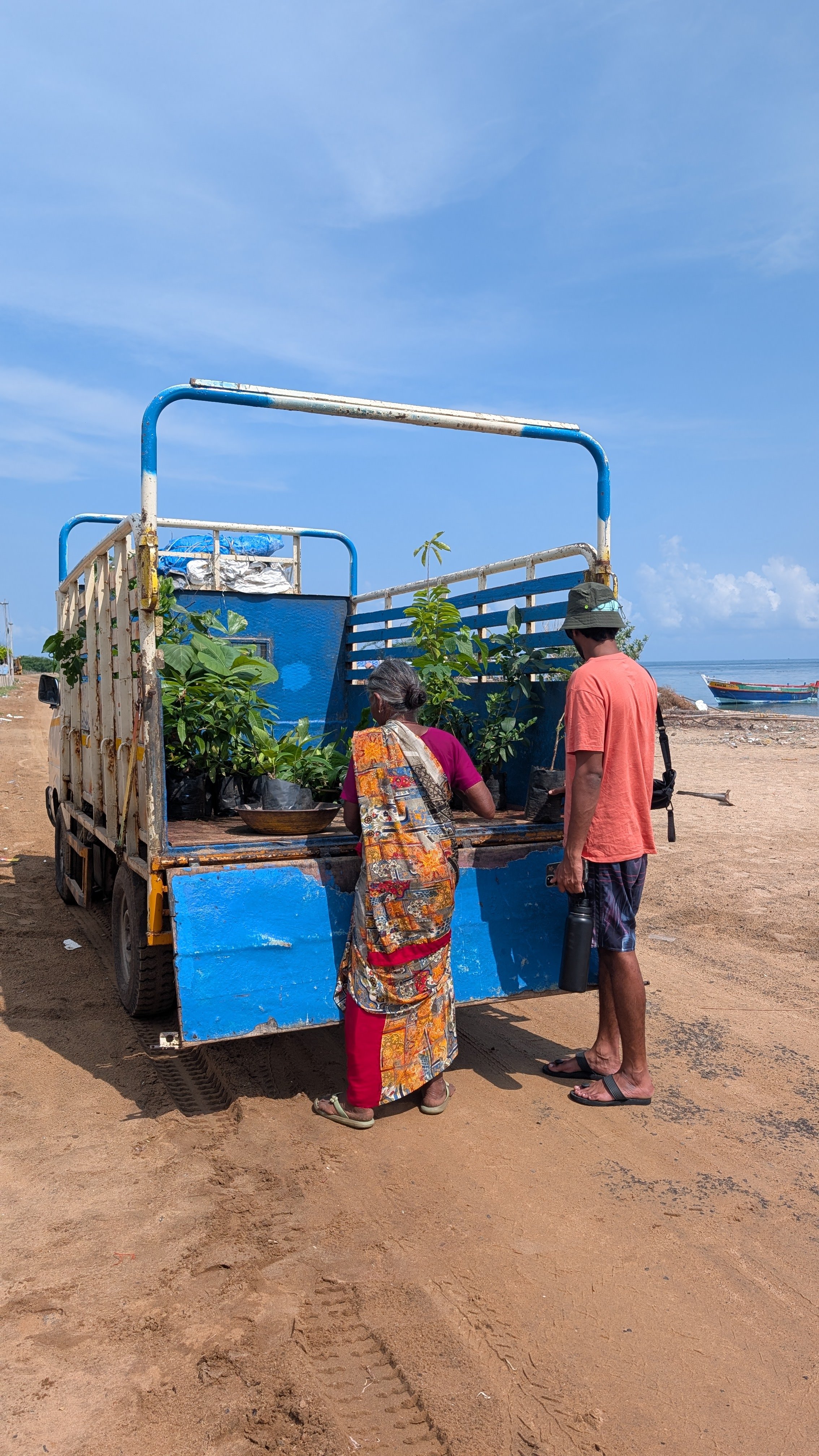
Visit 2 - Transporting saplings
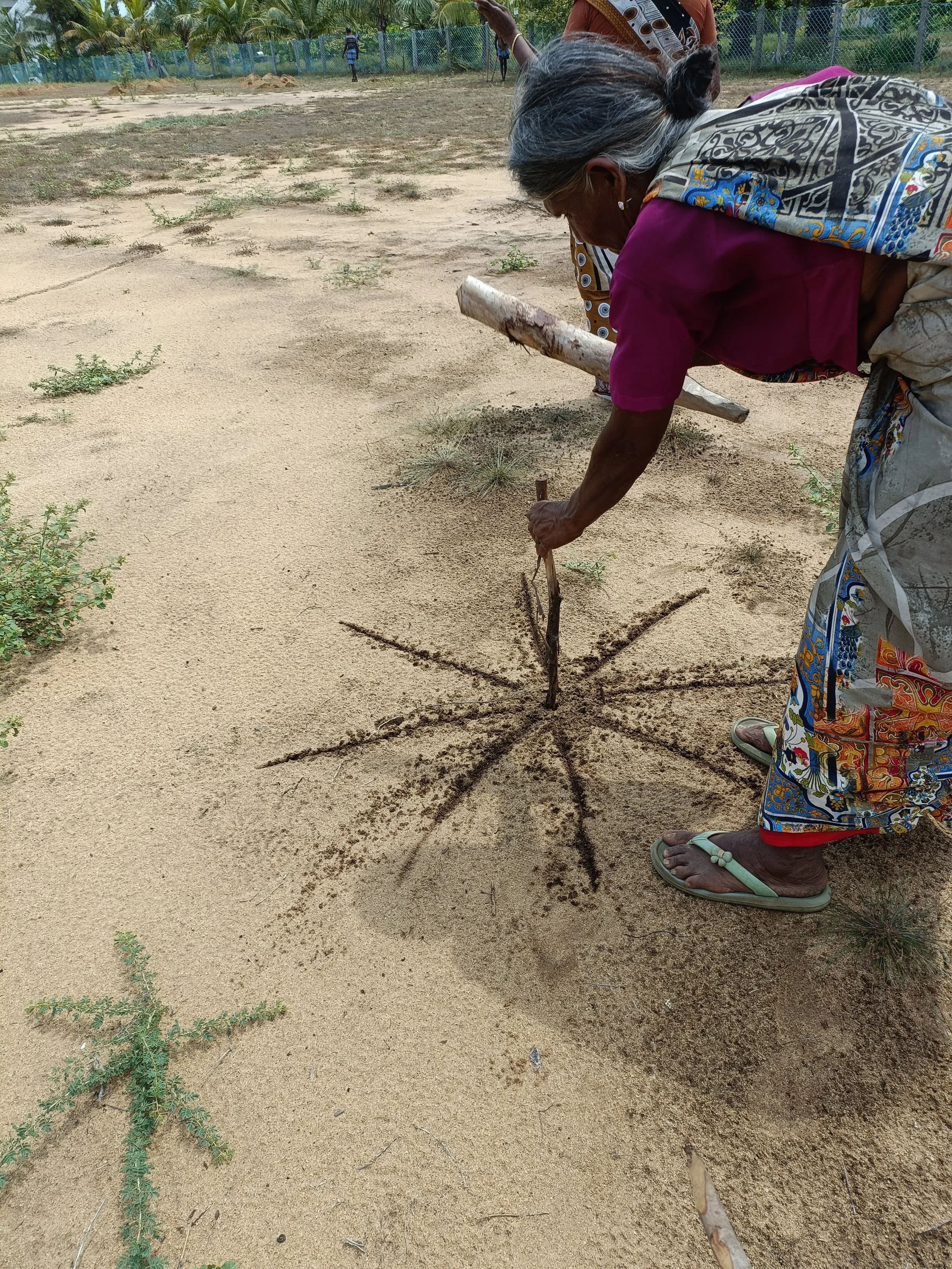
Visit 2 - Easy marking
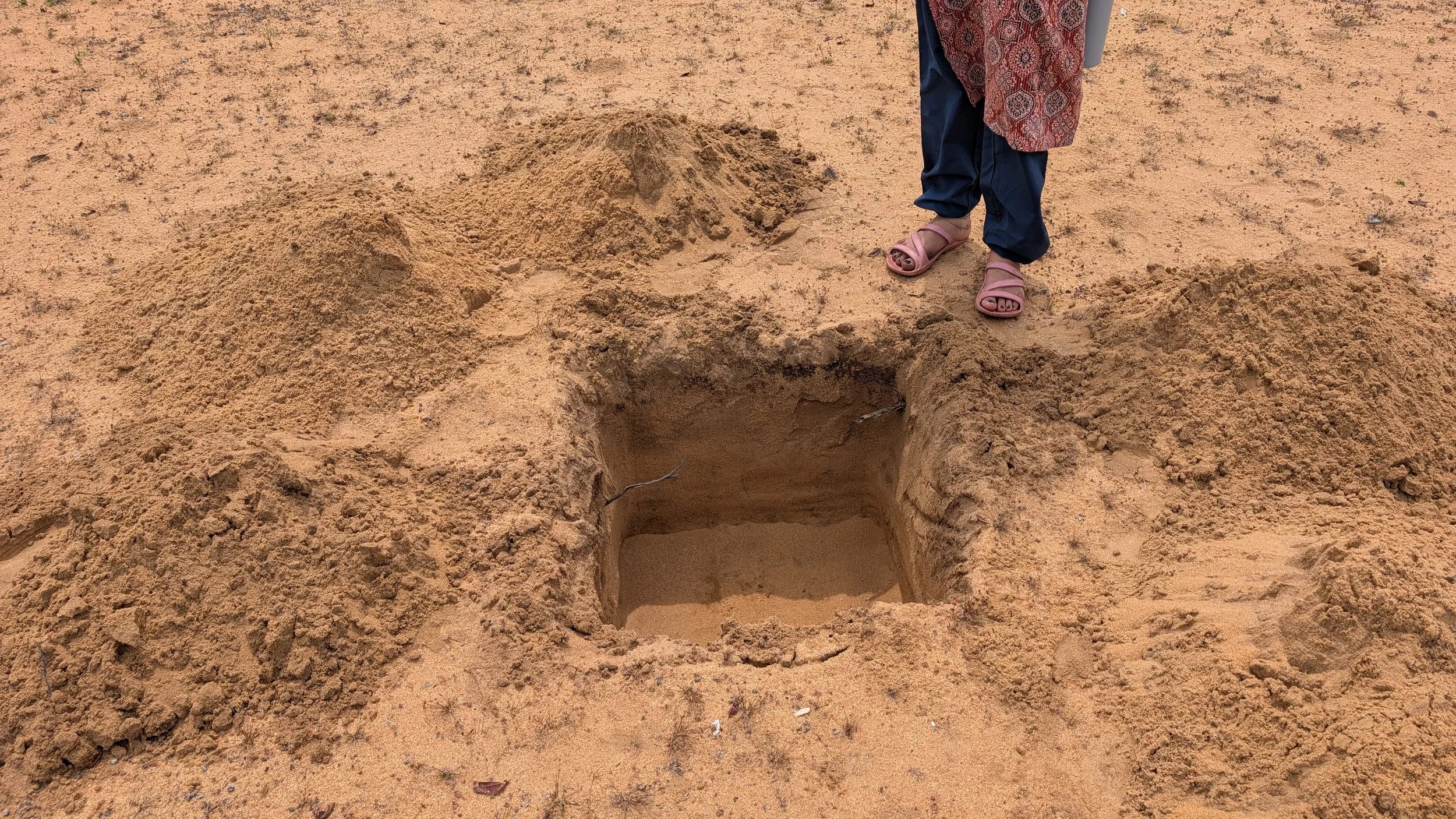
Visit 2 - Tree pits
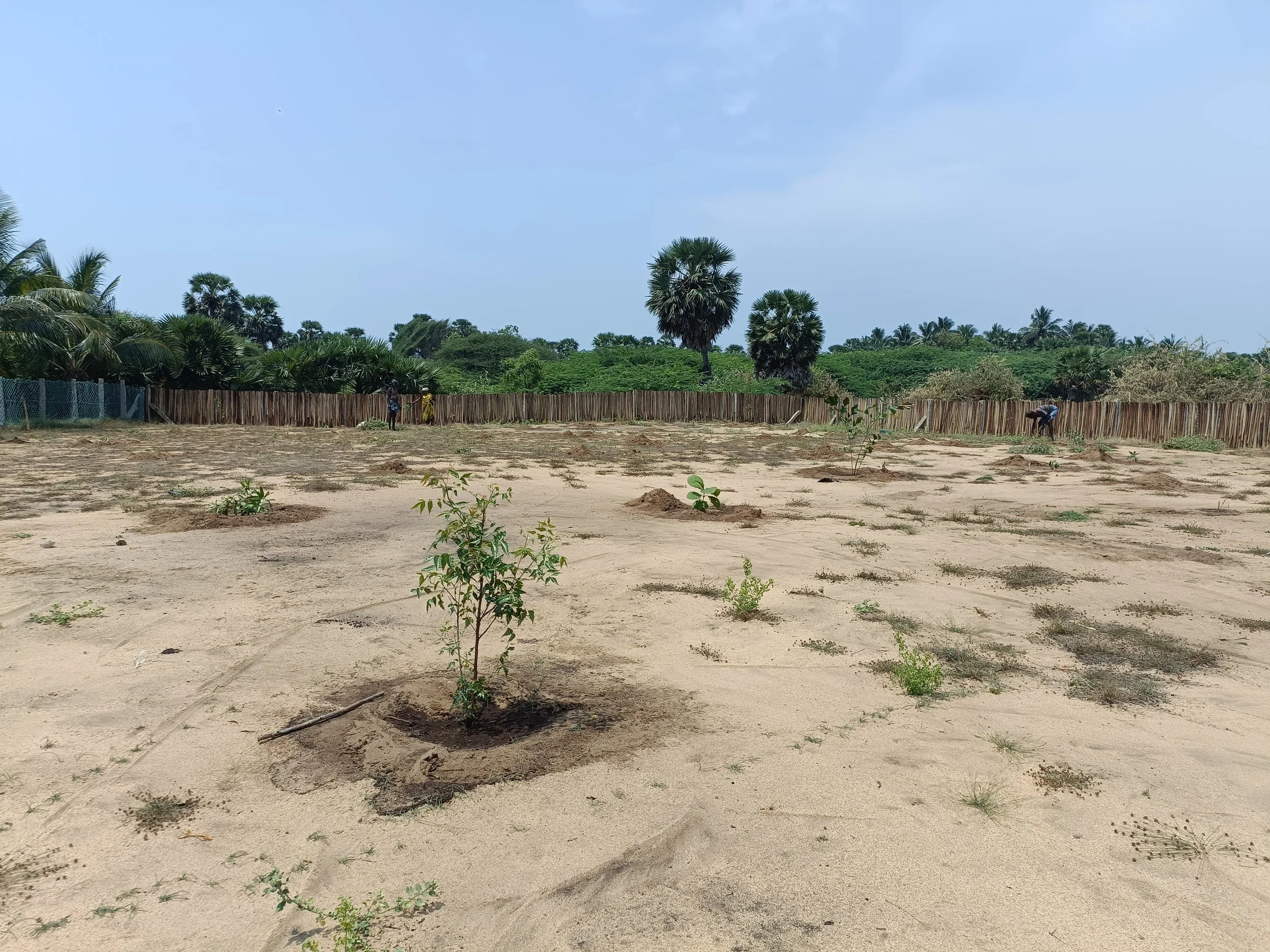
Visit 2 - Planted wild zone (tree layer)
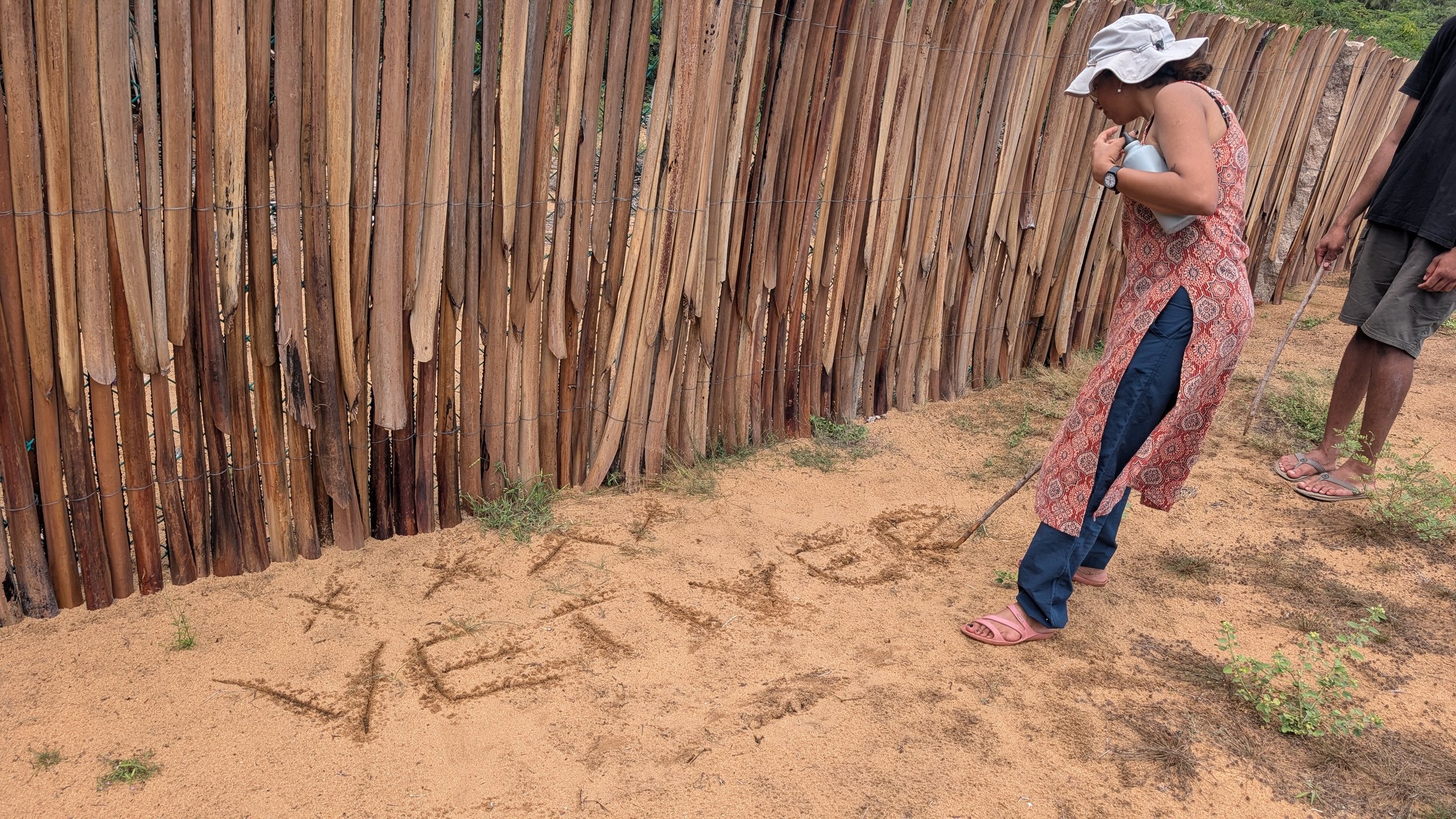
Visit 2 - Sand makes for easy marking