

The Cheerville
Project size: 0.25 acres
Jain Farms, Bagalur, southeast of Bangalore, Karnataka, India
May 2023
Key design features: Phase-wise food forest planting, living fence, guilds, seasonal basin, pond, mandala garden, pathways
Project team: Sanjana Radhakrishnan (Project lead); Kiri Meili
Elevation: 876 metres above sea level
Annual rainfall: 914mm / 36 inches
Climate: Tropical savanna
Bioregion: South Deccan Plateau Dry Deciduous Forest
Soil type: Sandy loam
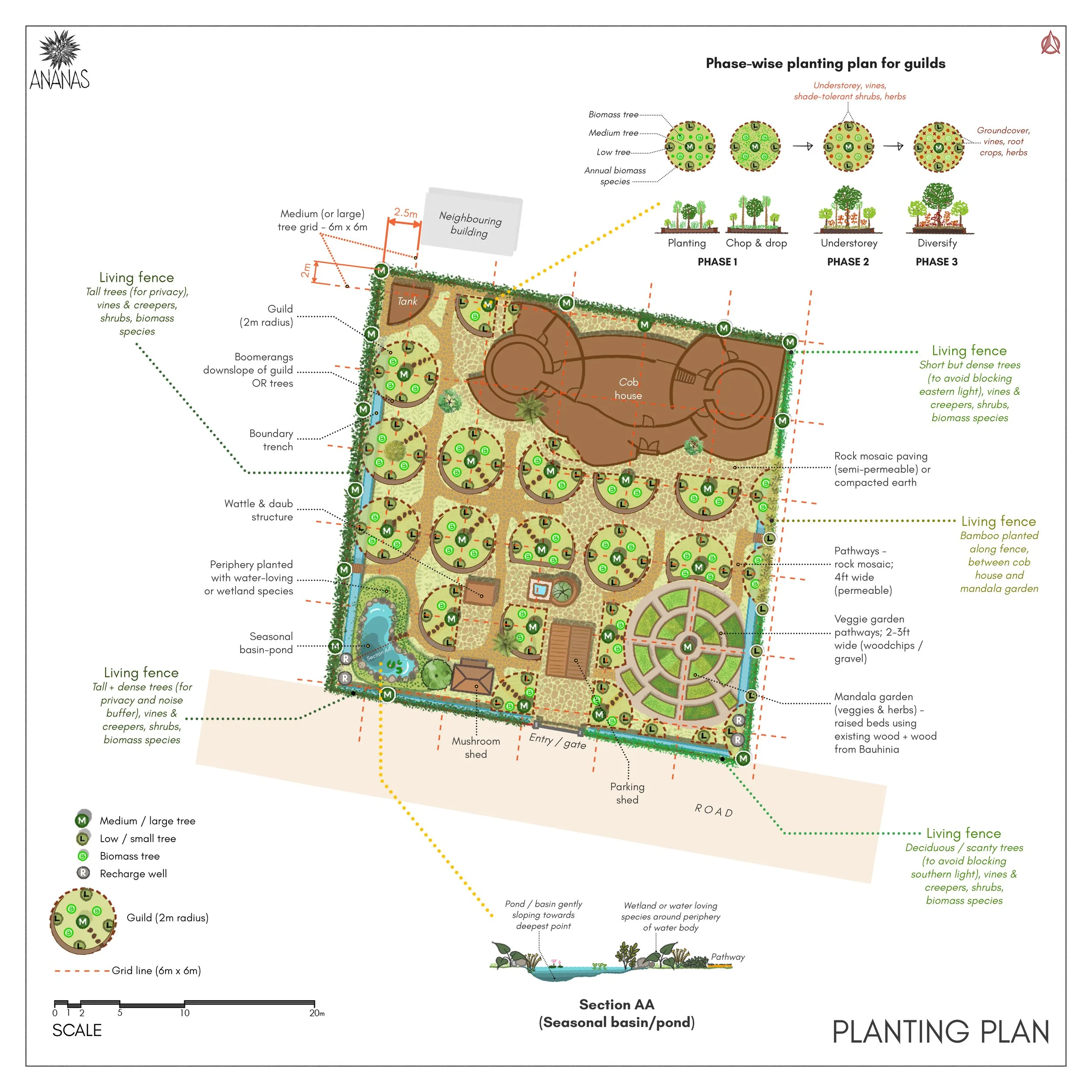
The client’s quarter-acre plot is envisioned as a compact, regenerative food forest to provide food for her home and support the women working on the land.
The design team was engaged to assess the site and chart a clear path forward, beginning with a site visit, contextual analysis, planting strategy, species selection, a recommendations report, and a phased implementation plan.
The plan and recommendations include simple earthworks to slow and retain water, steady soil building through mulch and biomass, and phased planting that follows natural succession. Initial recommendations include preparing peripheral trenches and living fences, raised beds, and key site structures, followed by the gradual establishment of canopy trees, shrubs, understory species, and groundcovers. A compact vegetable garden and low-energy irrigation methods, such as clay pot irrigation, complete the design. Together, these steps establish the foundation for a resilient, productive, and easily maintained food forest.
About The Cheerville
The client’s home, The Cheerville, is an eco-friendly residential project that has been featured for its innovative and socially grounded approach to sustainable construction. Located near the Karnataka-Tamil Nadu border, the house was envisioned as a model for environmentally responsible building practices. The project, designed by Masons Ink architects, was majorly executed by an all-women construction team led by site architect Oviya. The process involved using earth-based construction methods, bamboo structures, and lime plastering. Many of the women involved, who were previously unskilled labourers, have since mastered skills traditionally reserved for men, transforming their roles within the construction process.
Site photos
Existing greywater system
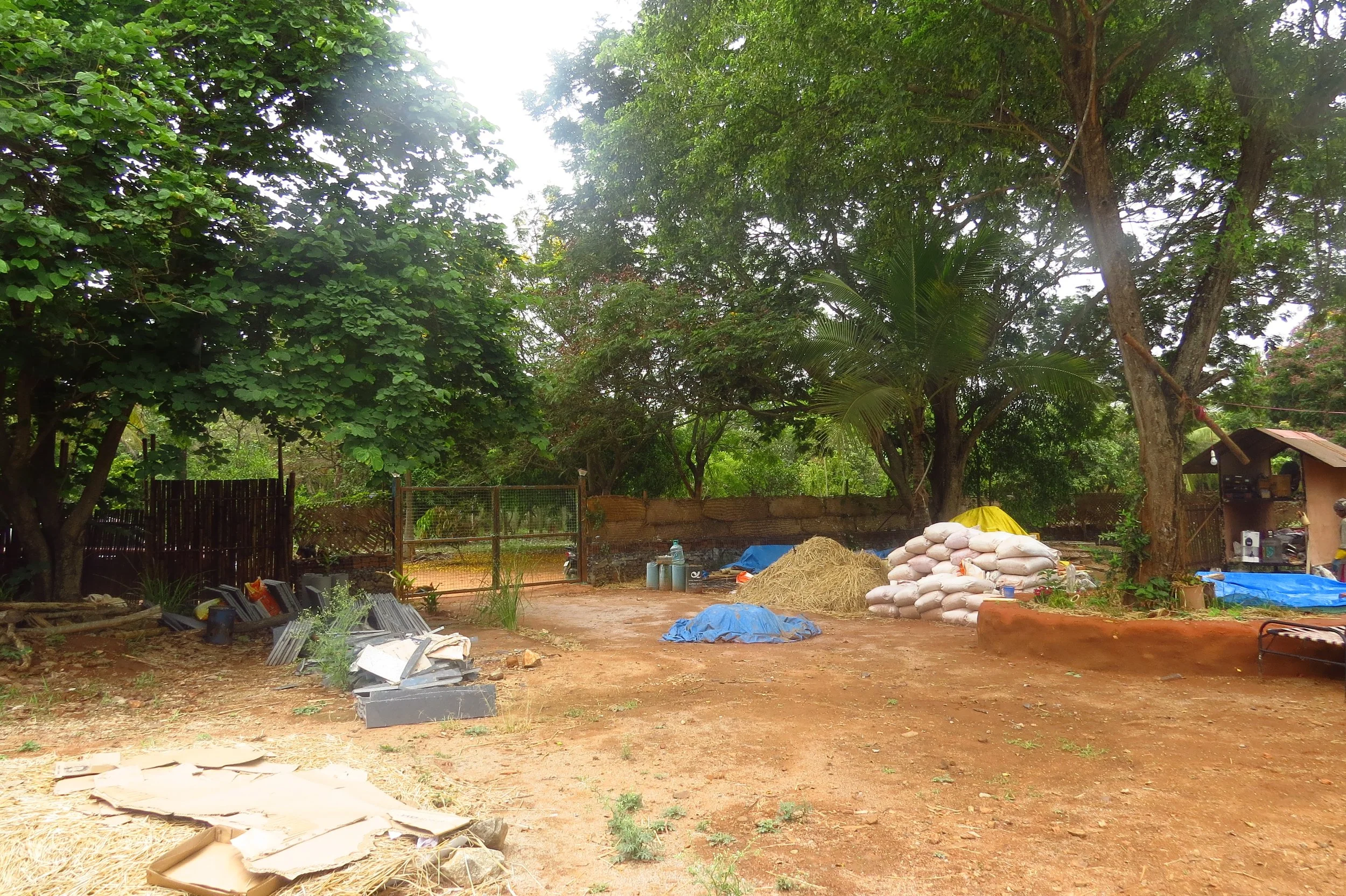
View of site
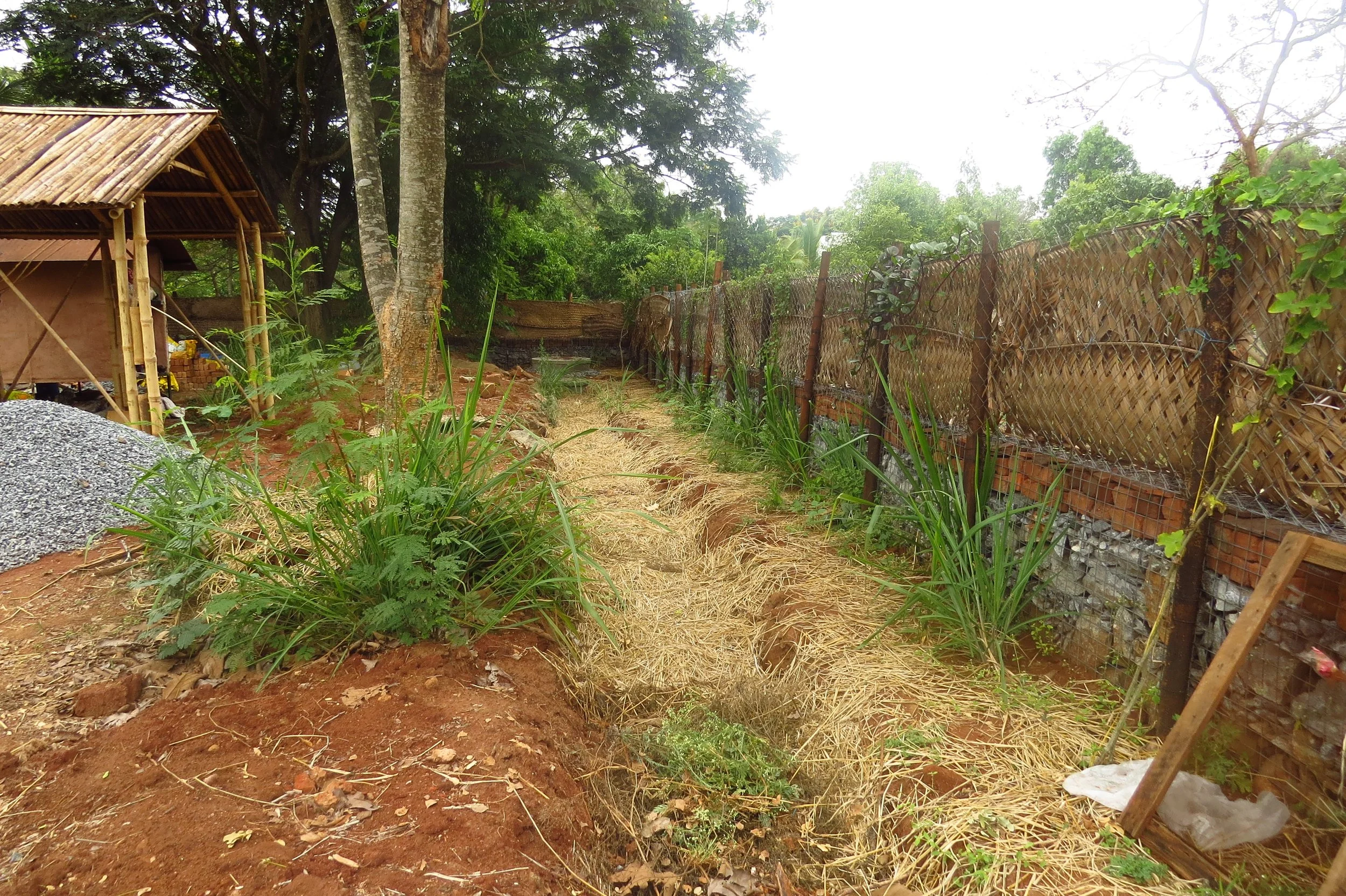
Mulched peripheral trenches
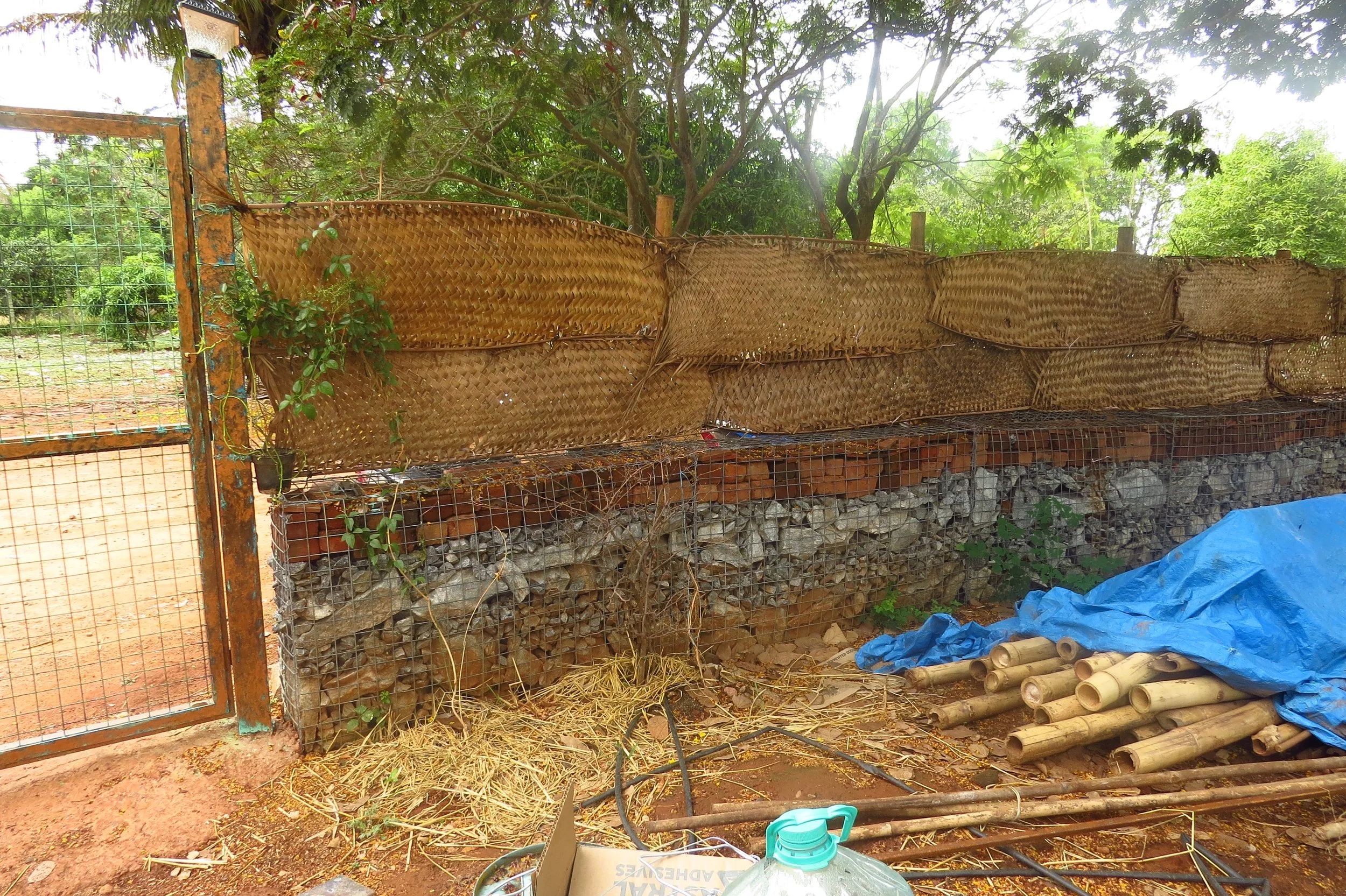
Gabion compound wall
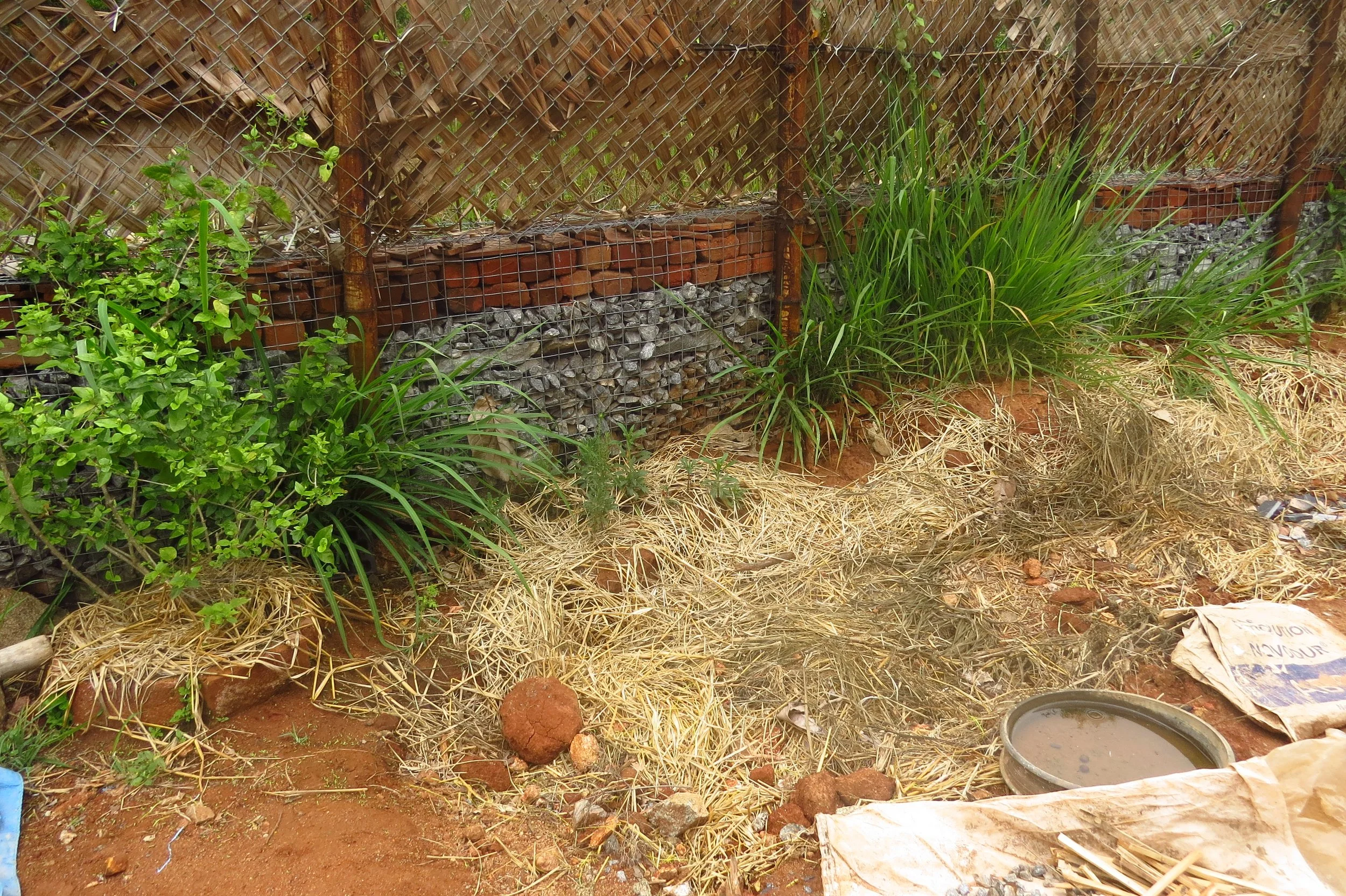
Edge vegetation
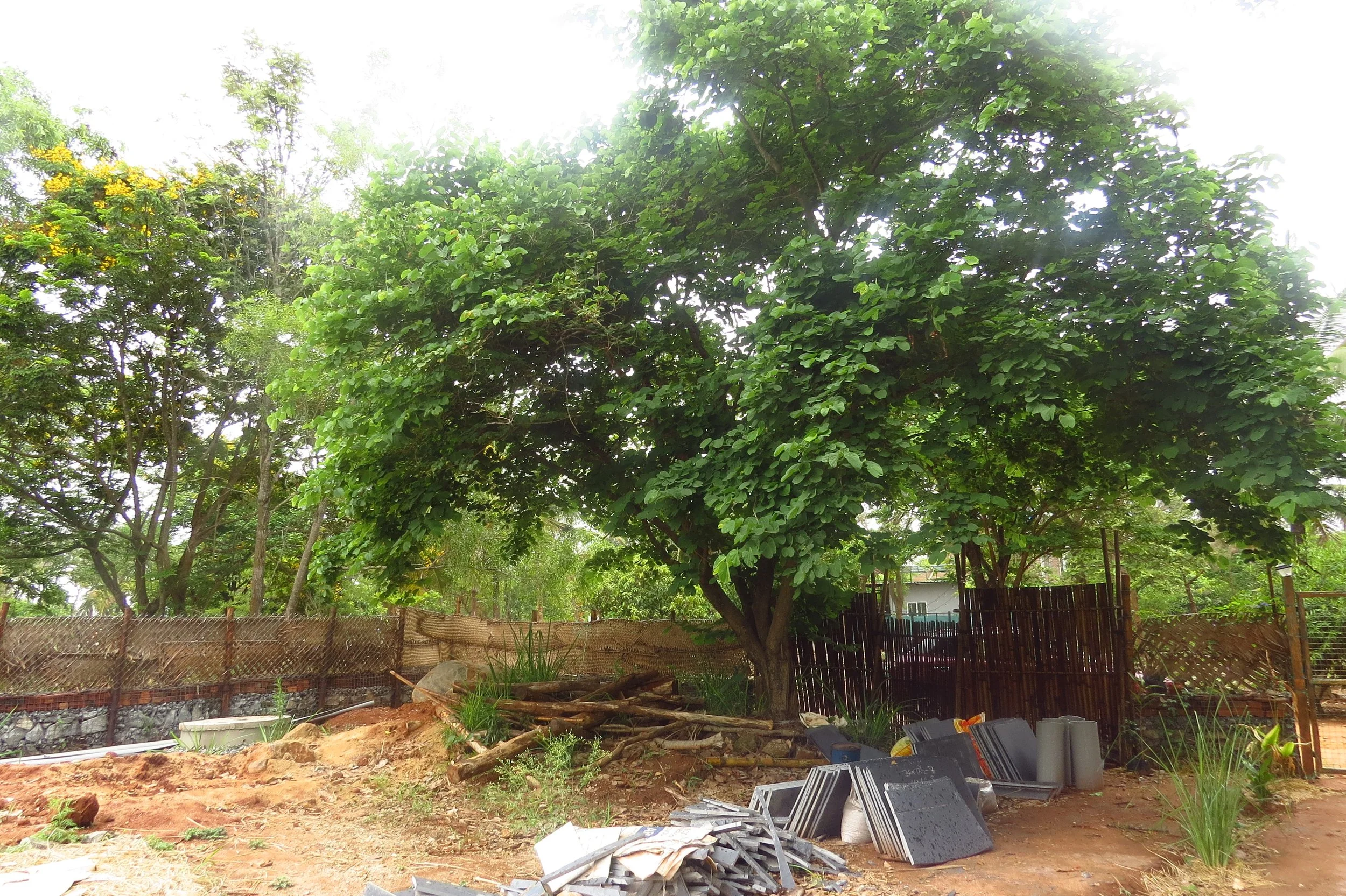
Bauhinia purpurea
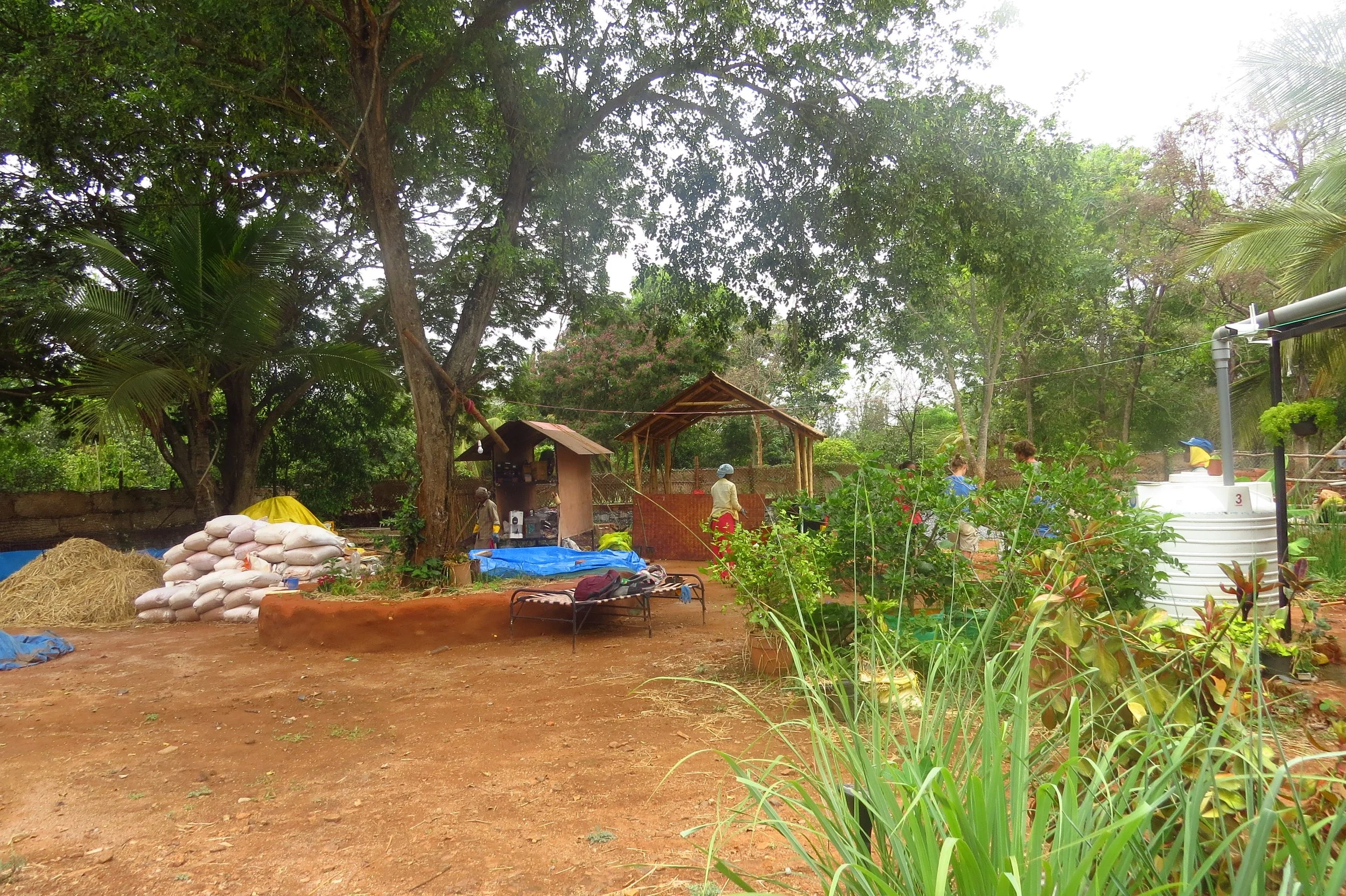
View of site
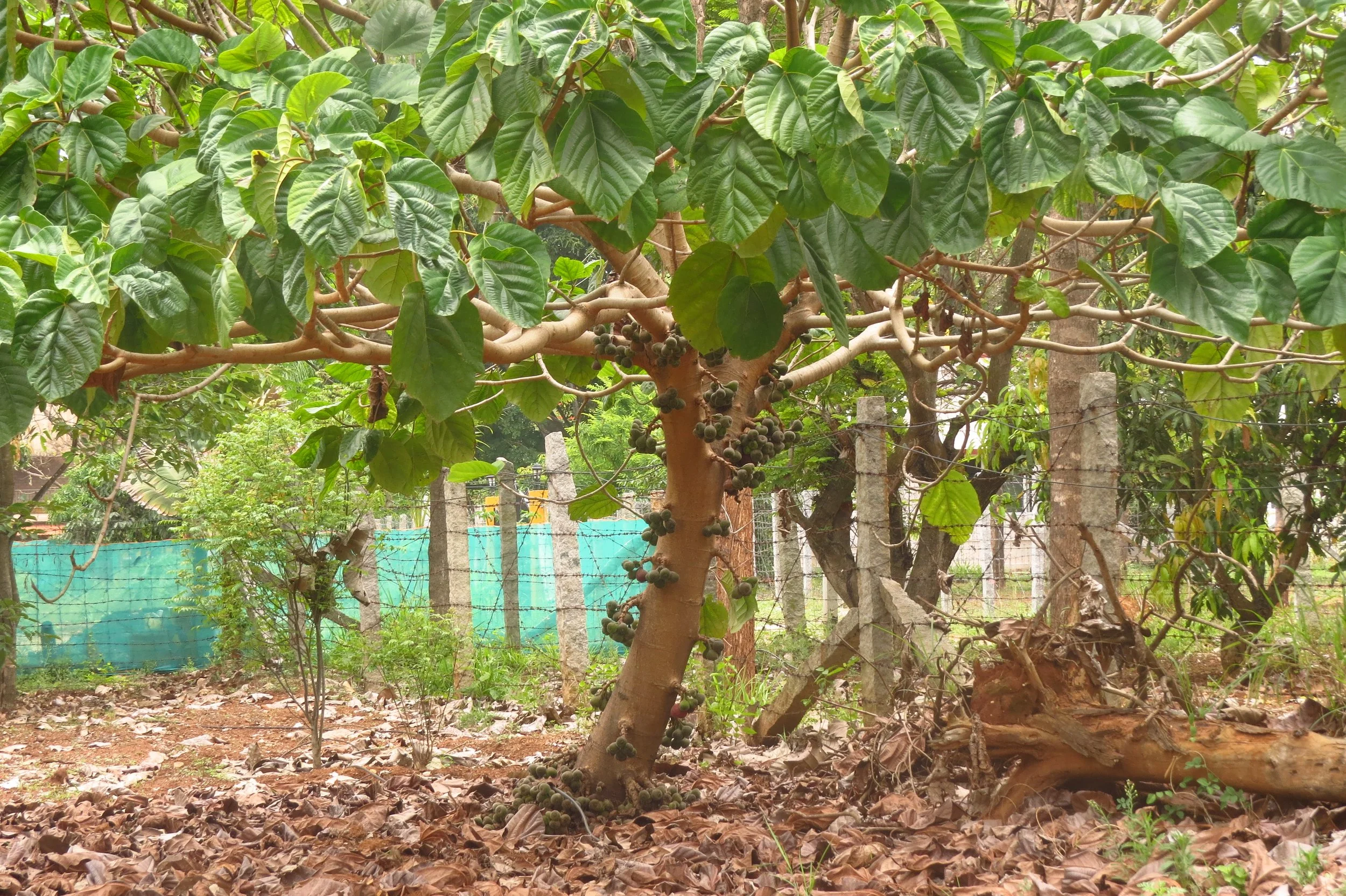
Ficus auriculata